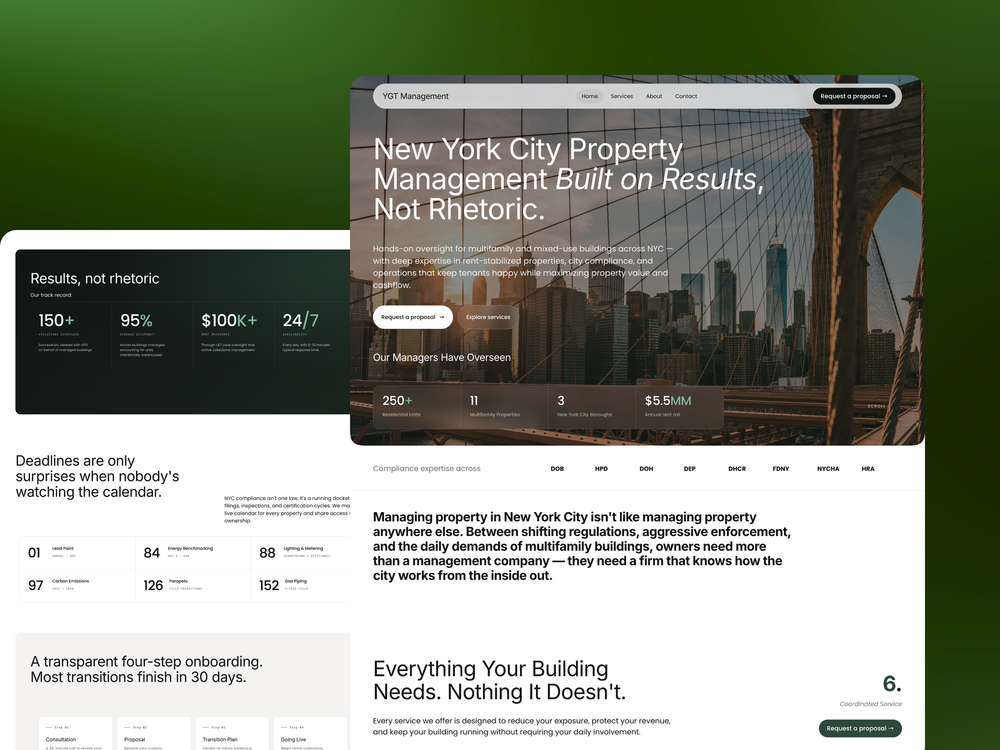
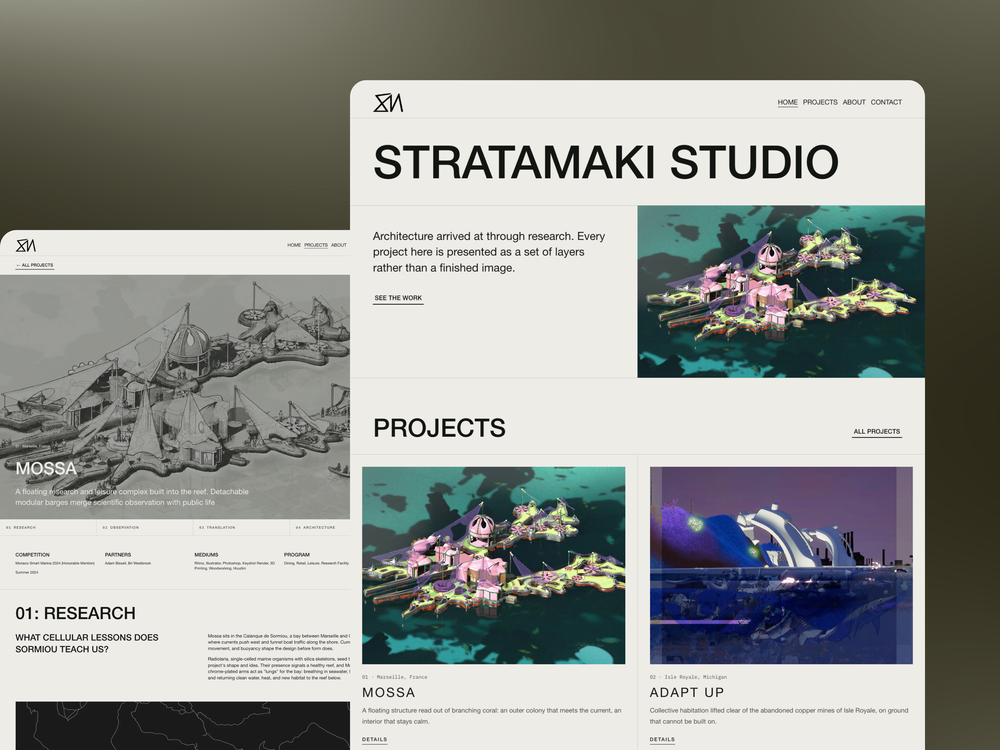
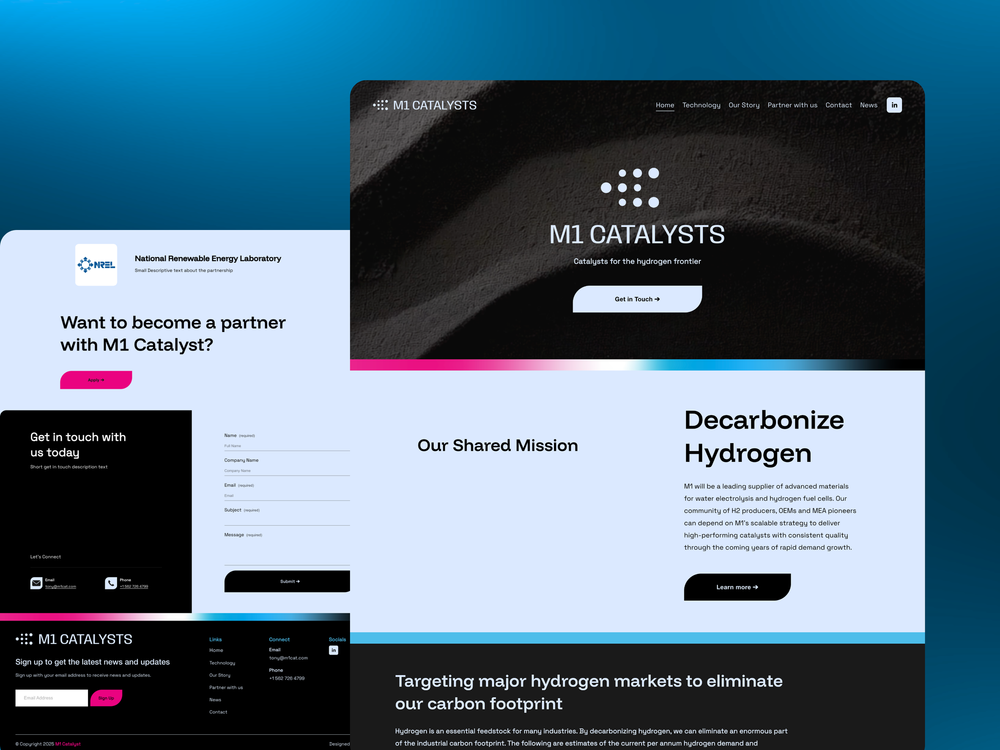
A visitor decides how they feel about your business before they read a single word, based entirely on the photos you chose. Weak or generic ones undercut a strong offer before it ever gets a chance to make its case. Here's exactly what your photos are doing for you, or against you, whether you've thought about it or not.
Table of contents
What it costs you to get this wrong
Photos help your website show up in search results
Alt text makes your site usable for people who can't see the images
Photos create a feeling before anyone reads a word
Photos are the fastest way to show what your brand is actually like
Real photos build trust, stock photos quietly undermine it
Large, uncompressed photos slow your site down and undo all of this
FAQ
1. What it costs you to get this wrong
Weak or missing photos quietly undercut everything else on your site. Your offer might be strong and your copy might be clear, but if the first impression feels flat or generic, visitors leave before either of those things ever gets a chance to do its job.
We've swapped nothing but the photography on client sites, same copy, same layout, same offer, and watched engagement shift noticeably as a result. That's a strange thing to accept if you've spent most of your budget on copywriting and none on imagery, but it tracks with how people actually browse. Nobody reads a homepage top to bottom before deciding whether to stay. They scan it, and photos are most of what gets scanned first.
2. Photos help your website show up in search results
Search engines can't actually see a photo the way a person does. They rely on the file name, the surrounding text, and something called alt text, a short written description attached to each image, to understand what it shows.
This matters because a well-described photo can show up in image search results, which is a real source of traffic many small business sites never tap into (source). It also helps search engines understand what a page is actually about, which supports your regular rankings too. This kind of ongoing, small-scale SEO work is exactly what our Grow retainer is built around.
The action here is simple. Rename image files something descriptive instead of a default string of numbers, and write a short, honest alt text description for every photo you upload, mentioning what's actually in it rather than stuffing in keywords. A file named "img_4821.jpg" tells a search engine nothing. A file named "custom-kitchen-remodel-oak-cabinets.jpg" tells it exactly what the photo shows and what page it belongs on, and that distinction compounds across dozens of photos on a full site.
3. Alt text makes your site usable for people who can't see the images
Alt text isn't only for search engines. It's also read aloud by screen readers, the software visually impaired visitors use to browse the web.
This matters more than it might seem. A meaningful share of visitors to any website use some kind of assistive technology, and a site full of images with no alt text is effectively invisible to them. Beyond the ethical case, some regions have accessibility laws that apply to business websites too, with real consequences for ignoring them. A missing alt text tag on a decorative image is a minor gap. A missing alt text tag on your only photo of your product, or the one image explaining how your service works, means that entire piece of information simply doesn't exist for a screen reader user.
The action is the same fix as the SEO point above, written with a person in mind rather than a search engine. Describe what's actually in the photo, plainly, the way you'd describe it to someone on the phone (source). A useful test: read your alt text aloud and ask whether it would actually tell someone what the photo shows if they couldn't see it at all.
4. Photos create a feeling before anyone reads a word
People process images almost instantly, long before they've read your headline or your first paragraph. Whatever feeling that first photo creates happens before your words get a chance to make their case at all.
This matters because a business website's job in the first few seconds isn't to explain, it's to make someone feel like they're in the right place. A cold, generic photo makes that harder no matter how good your copy is underneath it. This is part of why two businesses offering nearly identical services can feel completely different within the first second of landing on their sites, before a visitor has processed a single word of what either one actually does.
The action is to choose photos that show the outcome or feeling your customers are actually looking for, not just a wide shot of a building or a laptop on a desk. Show the work, the people, or the result, not the industry cliché everyone else is using too. A landscaper's homepage should probably open on a finished yard, not a stock photo of a lawnmower.
5. Photos are the fastest way to show what your brand is actually like
Before a visitor reads a single word about who you are, your photos have already told them something. Bright and casual reads differently than formal and polished, and visitors pick up on that instantly, whether they could explain why or not.
This matters because consistency across every photo on your site builds recognition, the same way a consistent color palette or logo does. A site where every photo looks like it came from a different source feels unsettled, even if visitors can't quite say why. Consistent, well-lit photography is also one of the simplest ways to make your website look premium on a budget.
The action is to pick one consistent style, in lighting, color tone, and subject matter, and apply it across every page. It doesn't need to be expensive. It needs to be consistent from the homepage to the last page someone visits. A simple way to check this yourself: open five pages on your site in separate tabs and glance across them. If the lighting and tone jump around noticeably, that inconsistency is more visible to a new visitor than you'd expect.
6. Real photos build trust, stock photos quietly undermine it
Most visitors can tell a stock photo when they see one, even if they couldn't explain how. That same handshake photo, that same laptop-and-coffee shot, has been seen a thousand times on a thousand other websites already.
This matters right at the moment trust matters most, just before someone decides whether to contact you. A generic stock photo doesn't actively repel visitors, but it doesn't build any credibility either, and credibility is exactly what you need at that point in the visit. A photo of your actual storefront, your actual team, or your actual finished project answers a question the visitor is asking without realizing it: is this a real business.
The action is to use real photos wherever you can, your team, your actual work, your actual space. Even a simple photo taken on a phone, with decent lighting, usually beats a polished stock photo, because it's real and visitors can feel that difference (source). If you're worried your own photos aren't polished enough, a few small edits, brightness, cropping, straightening the horizon, close most of that gap without a professional shoot.
7. Large, uncompressed photos slow your site down and undo all of this
Here's the honest caveat to everything above. Photos only help if the page actually loads. A homepage full of large, uncompressed images can take several seconds longer to load than it should, and most visitors won't wait around to find out if it was worth it.
This matters because a slow page loses visitors before they ever see any of the photos meant to build trust or set the right tone. It also affects your search rankings, since page speed is part of how search engines evaluate a page (source). A single hero photo straight off a modern phone camera can run ten or fifteen megabytes uncompressed, which is far larger than an entire page needs to be.
The action is to compress every image before uploading it and avoid stacking more large photos on a single page than the story actually needs. A handful of well-chosen, properly sized photos beats a dozen heavy ones every time. Most website builders, including Squarespace, compress images automatically to some degree, but starting from a smaller, well-cropped file still gives you a faster, sharper result than relying on automatic compression alone.
The bottom line
Photos on your business website do real, measurable work — they earn you image search visibility, make your site usable for screen reader visitors, shape a first impression before anyone reads a word, and build trust that generic stock photography simply can't. The one thing that undoes all of it is speed: large, uncompressed images slow the page down and cancel out every benefit above. We source, shoot, and compress photography as part of the build, so it works for you instead of against you.
FAQ
Do real photos really matter more than stock photos on a business website?
Yes — real photos build trust and show visitors what your business actually looks like, while stock photography is often recognized as generic and can subtly undermine credibility.
How do photos affect website SEO?
Properly optimized photos with descriptive alt text and filenames can appear in image search results, giving you an additional path for visitors to discover your site.
What is alt text and why does it matter for photos?
Alt text is a written description attached to an image that lets screen readers describe it to visually impaired visitors, making your site accessible and also helping search engines understand the image.
Can too many photos slow down my website?
Yes — large, uncompressed image files are one of the most common causes of slow page load times, which hurts both user experience and search rankings.
How should I compress photos for my website?
Resize images to the actual display dimensions and export them in modern, compressed formats (like WebP) before uploading, rather than uploading full-resolution camera files directly.
More insights