Hiring the wrong web designer doesn't just cost money, it costs months you don't get back. We've seen every version of this go wrong, so here's exactly what separates a designer worth hiring from one who'll leave you right back where you started.
Table of contents
What it costs you to get this wrong
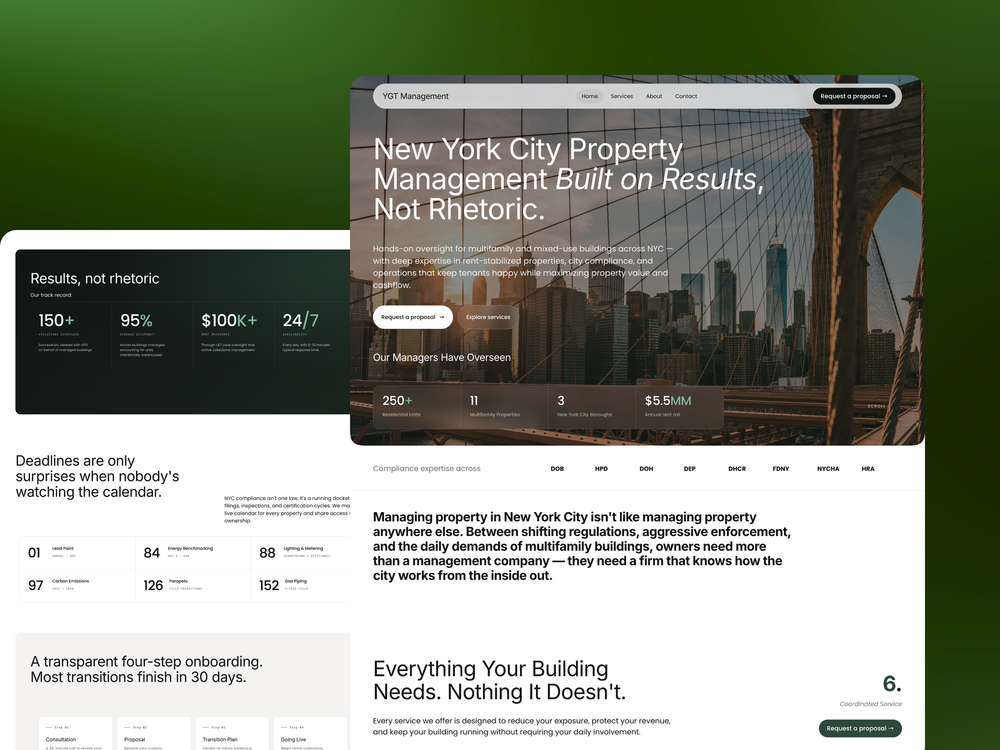
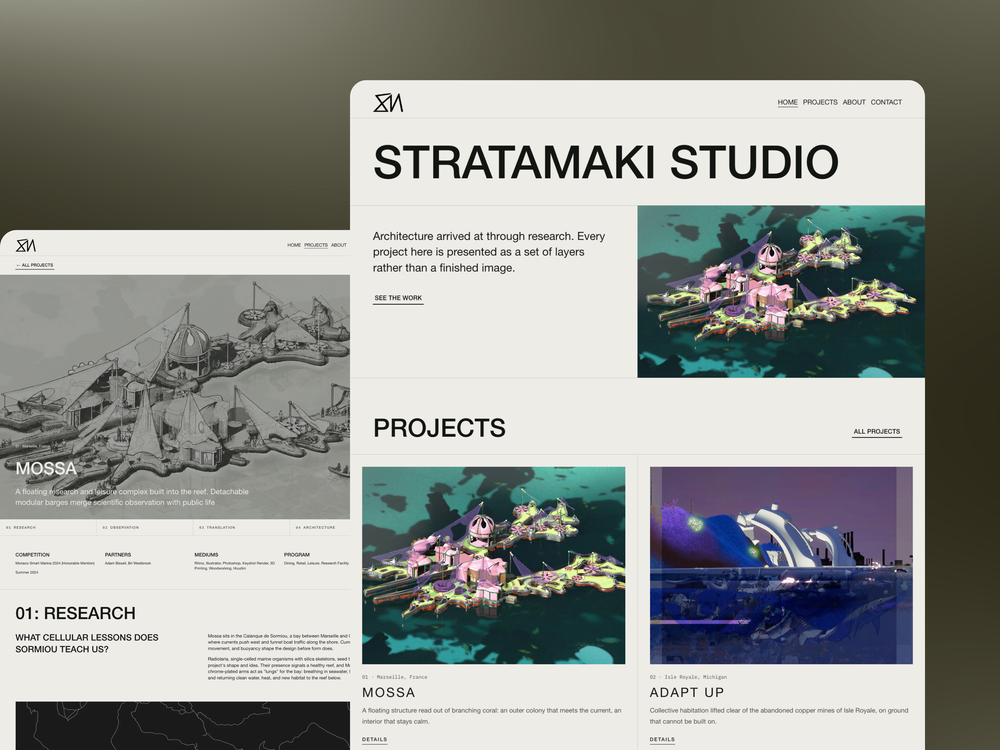
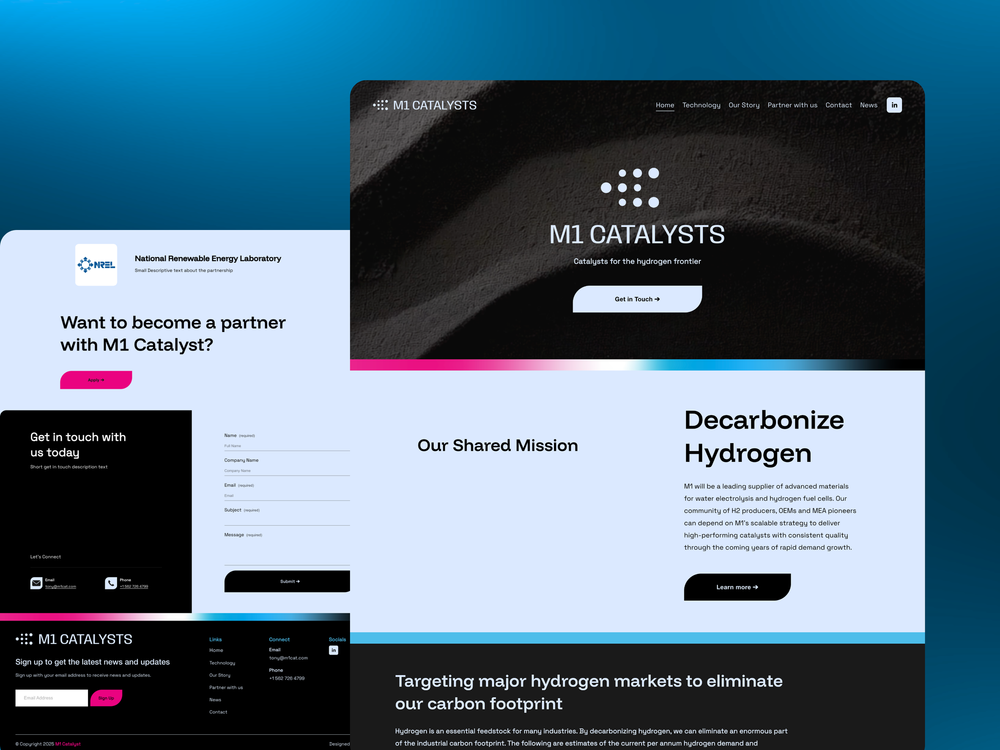
Look for a portfolio that actually shows work like yours
Read reviews you can actually verify
Ask for pricing that's clear and specific
Get a realistic, honest timeline
Make sure deliverables are defined in writing
Look for a free discovery call before any commitment
Choose someone who understands your business, not just your industry
FAQ
1. What it costs you to get this wrong
A bad hire doesn't just waste the money, it wastes months. You end up with a site that doesn't convert, a designer who's stopped responding to emails, and the same problem you started with, except now you're more skeptical of hiring anyone to fix it and further behind than when you began.
We've been brought in more than once to rescue a project where the original designer disappeared halfway through, taking the source files with them and leaving a half-built site nobody else could touch. The rebuild in those cases almost always costs more than starting fresh would have, both in money and in the weeks lost waiting to see if the original person would resurface. The items below are what we'd actually check before handing anyone that kind of trust.
2. Look for a portfolio that actually shows work like yours
A portfolio full of polished screenshots tells you less than it seems to. What actually matters is whether any of that work resembles what you need built for your own business.
This matters because a designer who's great at flashy visual sites might be the wrong fit for a service business that needs clear, simple, high-converting pages. Style and substance aren't the same skill, and a beautiful portfolio can hide a weak grasp of conversion. A visually striking landing page for a fashion brand tells you almost nothing about whether the same person can build a booking flow for a med spa or a quote form for a contractor.
Ask for two or three examples close in scope to your own project, and click through to the actual live sites, not just screenshots. A live site tells you how it performs, not just how it looks frozen in a mockup. Test the contact form yourself, check how the site behaves on your own phone, and notice how long the pages actually take to load. A screenshot can't show you any of that, and it's exactly where portfolios most often flatter their owner.
3. Read reviews you can actually verify
Testimonials on a designer's own website are worth something, but they're also the ones that made the cut. The full picture usually lives somewhere you have to go looking for it yourself.
This matters because a curated set of quotes on someone's homepage tells you what they want you to know, not necessarily what working with them is actually like week to week under real deadlines. A single glowing quote from three years ago tells you nothing about how that designer handles a tight timeline or a client who needs a fast revision this week.
Search the designer or agency's name alongside "review" separately, and check Google reviews, LinkedIn recommendations, and reviews on freelance platforms like Upwork, 99designs, Behance or Dribbble, where people had less reason to be selective about what they wrote. Pay particular attention to any review that mentions communication or missed deadlines, since that pattern, more than a single bad project, is the one worth taking seriously.
4. Ask for pricing that's clear and specific
Vague pricing, a "starting at" number with no scope attached, is one of the most common sources of disputes later in a project, once the invoice doesn't match what either side remembers agreeing to.
This matters because unclear pricing is usually a symptom of unclear scope, and unclear scope is exactly what leads to surprise invoices or arguments over what was actually included in the first place. A designer who can't tell you upfront what a given number covers usually hasn't thought through the project in enough detail to actually deliver it on schedule either.
Before agreeing to anything, get a written quote tied to a specific scope: number of pages, number of revision rounds, and what happens if you want changes after launch. It's also worth asking directly what counts as a change outside the original scope, since that's where a fixed-price quote quietly turns into an hourly bill nobody agreed to.
5. Get a realistic, honest timeline
A designer who promises an unusually fast timeline with no caveats attached is worth a second look, not necessarily a red flag, but a question mark worth asking about directly.
This matters because most website timelines depend heavily on how quickly you can review and approve work, not just on the designer's own schedule. A timeline that ignores this entirely is setting expectations that won't hold up once the project actually starts. A quote of "two weeks, guaranteed" that never mentions your own availability is either padded with buffer you'll never see, or it's going to slip the moment real feedback rounds begin.
Ask what the quoted timeline assumes: how fast do they need feedback from you, and what happens to the schedule if your content isn't ready on day one. A designer who's built real projects before will have a specific, matter-of-fact answer to that question, not a vague reassurance.
6. Make sure deliverables are defined in writing
"Deliverables" just means exactly what you get at the end: how many pages, whether you own the source files, whether there's a training session, and whether any support period is included after launch.
This matters because vague deliverables are where disputes happen after the invoice is paid and there's no leverage left to resolve them cleanly. If it wasn't written down, both sides tend to remember it differently, usually in whichever direction favors their own side of the disagreement.
Get a written list of deliverables before you sign anything, even if it's just a short email confirming what's included. It protects you and the designer equally. Ownership of the source files matters more than most clients realize going in, since without it you may not be able to hand your site to anyone else later if the relationship ends.
7. Look for a free discovery call before any commitment
A good sign before you've paid anyone anything is whether they want to understand your business first, not just quote you a price off a form you filled in online.
This matters because a quote given without a real conversation is usually a generic number attached to a generic package, not something built around what your business actually needs to succeed. A form-generated quote can't account for the fact that your business sells through phone calls rather than an online cart, or that your real bottleneck is enquiries, not traffic.
Expect at least one no-obligation call or a real back and forth conversation before a firm quote arrives. If a designer skips straight to a price with no questions asked, that's worth noticing (source).
8. Choose someone who understands your business, not just your industry
There's a difference between a designer who says "I've built sites for law firms before" and one who actually asks about your specific clients, your specific goals, and what makes your business different from the law firm down the street.
This matters because industry-templated sites tend to look the same as every competitor's site, which defeats the point of having your own website in the first place rather than a shared shell with your logo on it. "I've done this before" can mean genuine expertise, or it can mean a designer plans to reuse the same layout with new colors, which is a very different thing to be paying for.
Notice what they ask in the early conversations. If the questions are about your customers, your goals, and what's not working currently, that's a good sign. If they're only about your industry in general, that's worth a second thought. If you've already worked through what your own project needs, our guide on what to prepare before starting a website project is a useful companion piece to this list.
The bottom line
Hiring a web designer is genuinely hard because you can't judge quality until after you've already paid — which is exactly why the checklist matters: a portfolio that resembles your project, reviews you can verify off-site, clear written pricing, a realistic timeline, and a real discovery call before any commitment. Skip any one of those and you're gambling on trust alone. We pass every one of those checks openly, because a studio confident in its work has nothing to hide behind a vague quote.
FAQ
How do I verify a web designer's reviews are real?
Check for reviews on independent platforms like Google or Clutch rather than only testimonials on the designer's own site, and look for reviewers you can cross-reference on LinkedIn or their own business pages.
What should be included in a web designer's written quote?
A solid quote lists specific deliverables (number of pages, revisions included, copywriting scope), a firm price or range, and a timeline — vague line items like "custom design" without specifics are a red flag.
Should a web designer offer a free discovery call?
Yes — a real discovery call before any commitment lets both sides confirm fit and scope before money changes hands, and its absence usually signals a sales-first, fit-second approach.
How important is portfolio relevance when hiring a designer?
Very important — a portfolio full of unrelated industries or styles tells you little about how they'll handle your specific business, so look for work that resembles your project's scale and goals.
What's a realistic timeline for a website project quote?
A realistic timeline scales with page count and complexity — a designer promising a full custom site in days, or refusing to give any timeline at all, is a warning sign either way.
More insights