The importance of whitespace in web design
The importance of whitespace in web design lies in its ability to create clarity, elevate perception, and position brands as confident, refined, and trustworthy.
In this article:
Why most websites feel overwhelming instead of intentional
Understanding the role of whitespace beyond aesthetics
Whitespace as a tool for brand positioning
How whitespace guides attention and hierarchy
The emotional impact of spacious layouts
The relationship between whitespace and conversion clarity
The balance between content and space
The connection between whitespace and long term brand value
Conclusion

Start your project
Start your project with a free discovery call and see how we can bring your vision to life.
Why most websites feel overwhelming instead of intentional
Many websites fail not because of poor visuals or weak copy, but because everything is competing for attention at the same time. When every section is filled, every element is emphasized, and every message demands focus, the result is friction. Users feel overwhelmed before they even understand what the brand offers. This is where the importance of whitespace in web design becomes immediately clear.
Whitespace is not empty space. It is a deliberate design decision that controls rhythm, pacing, and emphasis. It allows content to breathe. It gives hierarchy room to exist. It helps users understand what matters without being told explicitly. For premium brands, whitespace is not optional. It is foundational.
High end audiences associate space with confidence. They see restraint as a signal of quality. When a website is crowded, it often feels insecure, as if the brand is trying too hard to prove its value. When a website uses space intentionally, it communicates authority. It suggests that the brand knows exactly what it wants the visitor to notice.
Understanding the role of whitespace beyond aesthetics
The importance of whitespace in web design goes far beyond visual appeal. Whitespace shapes how information is processed. It reduces cognitive load by separating ideas and allowing the brain to absorb content in stages. This is especially critical for decision driven experiences where users need clarity before they commit.
Whitespace also influences emotional response. Spacious layouts feel calm, composed, and premium. Dense layouts feel urgent, transactional, or chaotic. These emotional cues happen subconsciously, but they strongly affect trust. A premium client may not articulate why a site feels refined, but they will feel it instantly.
In luxury and high ticket industries, trust is built through subtlety. Whitespace creates that subtlety. It frames content like a gallery frames artwork. It elevates the perceived value of what is being presented.
Whitespace as a tool for brand positioning
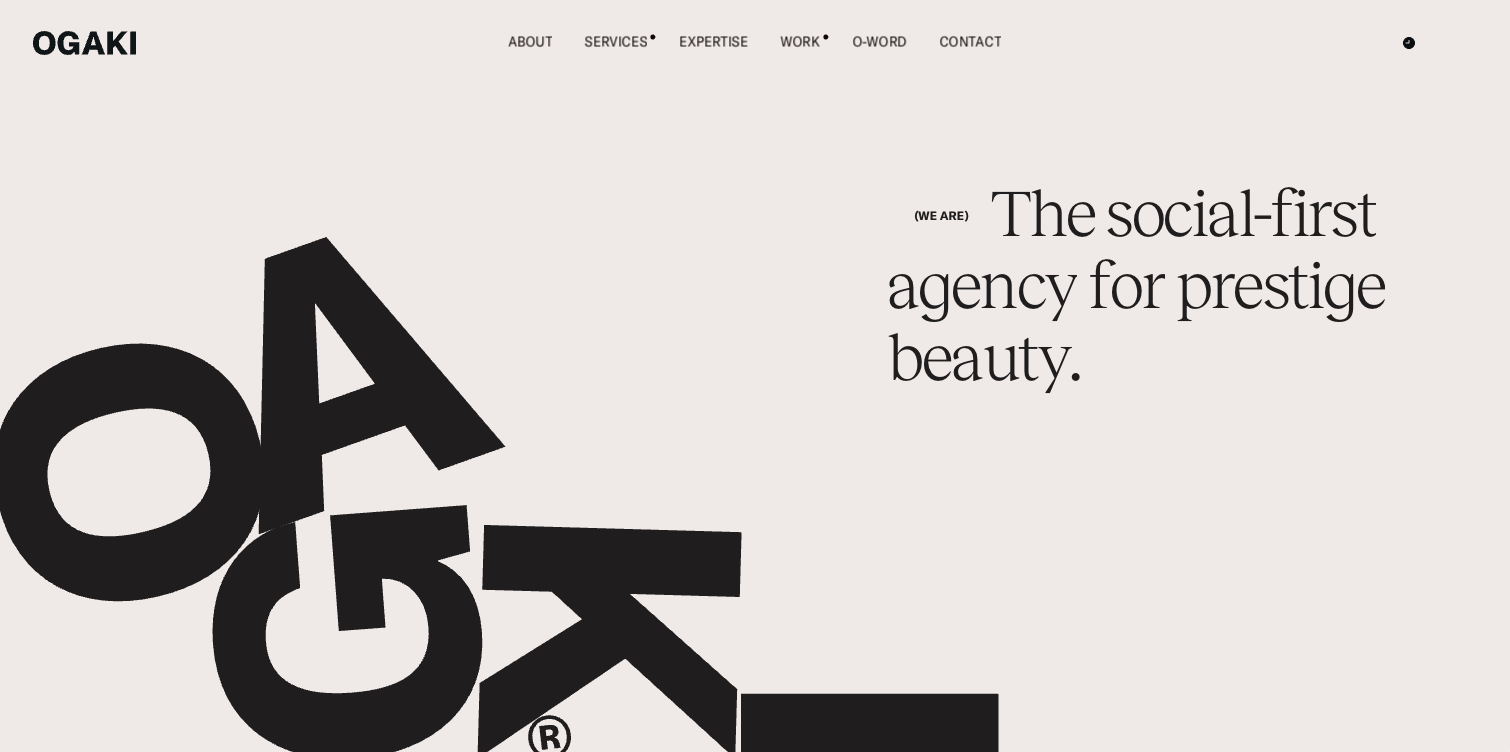
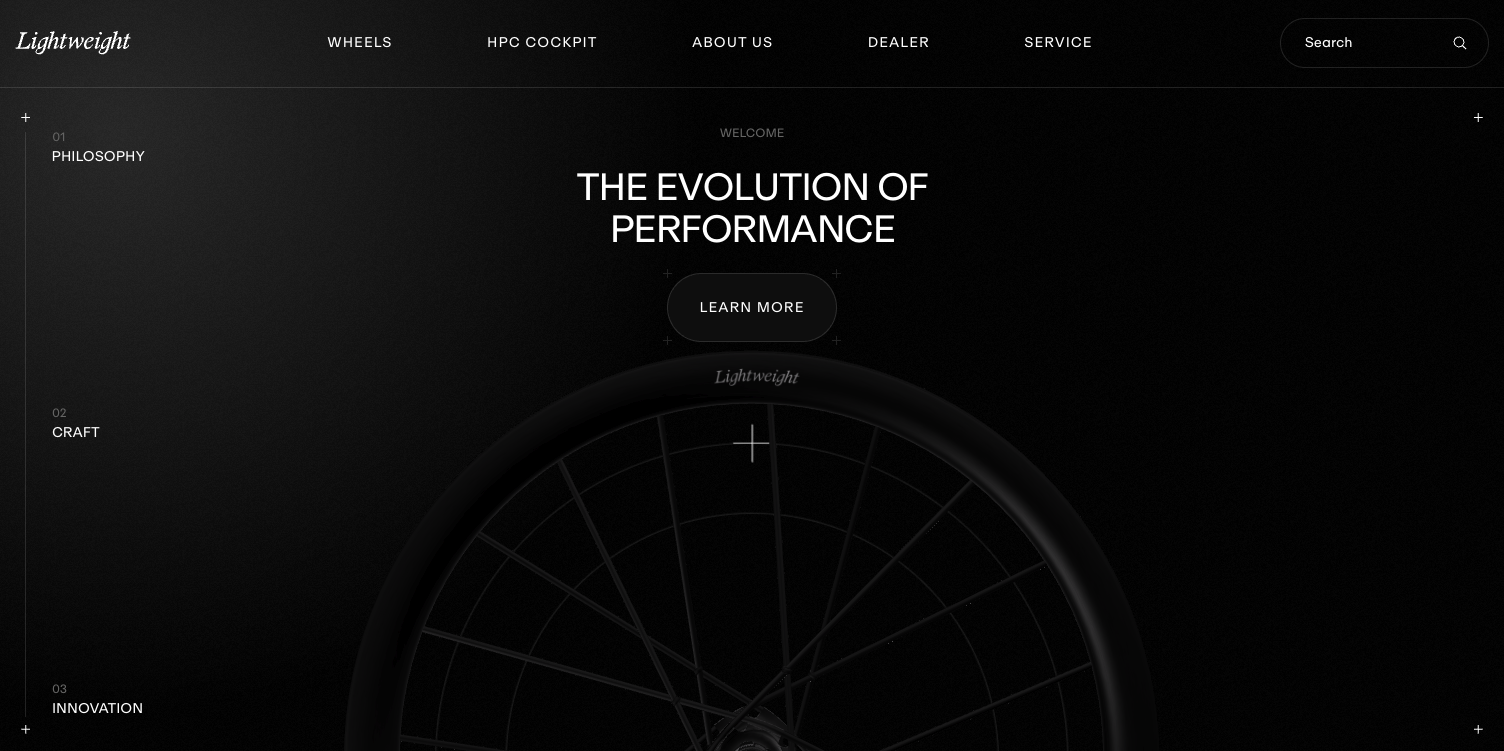
Brand positioning is not only communicated through words. It is communicated through proportion, spacing, and restraint. The importance of whitespace in web design becomes especially apparent when comparing mass market websites to premium ones. Mass market sites often prioritize density. Premium sites prioritize intention.
Whitespace allows brands to signal exclusivity without saying it directly. When a layout feels spacious, it suggests selectiveness. It implies that the brand does not need to shout to be heard. This is particularly powerful for consultants, designers, agencies, and service based businesses that rely on perceived expertise.
When every element has room, the brand feels considered. The visitor senses that the experience was crafted, not assembled. This level of care becomes part of the brand story.
How whitespace guides attention and hierarchy
One of the most practical reasons for the importance of whitespace in web design is its role in guiding attention. Whitespace defines hierarchy by separating primary messages from secondary ones. It tells the eye where to go first, where to pause, and where to move next.
Without adequate space, hierarchy collapses. Headlines compete with body copy. Calls to action blend into surrounding elements. Visual noise increases. With proper spacing, hierarchy becomes intuitive. Users do not have to think. They simply follow the flow.
This is especially important on modern websites where scrolling is the primary interaction. Whitespace creates rhythm between sections. It allows each idea to land before the next one appears. This pacing is critical for storytelling and conversion.
There is a direct relationship between whitespace and perceived quality. Luxury brands across industries use space as a signal of refinement. In architecture, fashion, editorial design, and physical retail environments, space is used to elevate the experience. Web design follows the same principle.
The importance of whitespace in web design is closely tied to this perception. When content is given room, it feels valuable. When content is cramped, it feels disposable. This psychological effect is subtle but powerful.
Premium buyers are conditioned to associate space with exclusivity. They expect fewer options presented more clearly. They expect design to feel curated rather than exhaustive. Whitespace supports this expectation by reducing clutter and focusing attention.
The emotional impact of spacious layouts
Emotion plays a significant role in digital decision making. Whitespace influences emotion by creating a sense of calm and control. When users feel calm, they are more receptive. When they feel overwhelmed, they become defensive or disengaged.
The importance of whitespace in web design becomes evident when evaluating user behavior. Spacious layouts encourage longer engagement. Users scroll more comfortably. They spend more time reading. They feel less pressured. This emotional ease supports trust, which is essential for high value conversions.
For brands that want to attract clients who value depth and quality, whitespace is a strategic advantage. It filters out users who are looking for fast transactions and attracts those who appreciate thoughtful experiences.
Whitespace is not passive. It actively contributes to storytelling. By controlling the distance between elements, designers control the narrative pace. A large margin before a headline creates anticipation. A generous gap after a statement allows it to resonate.
In premium web design, storytelling often happens through restraint. Instead of overwhelming users with information, the design reveals content gradually. Whitespace creates these pauses. It gives meaning to transitions. It allows the story to unfold naturally.
This approach aligns with how premium brands communicate offline. They do not rush the conversation. They allow moments of silence. They let key messages stand on their own. Whitespace translates this philosophy into the digital space.
The relationship between whitespace and conversion clarity
There is a misconception that whitespace reduces conversion by pushing calls to action further down the page. In reality, the opposite is often true. The importance of whitespace in web design is directly connected to conversion clarity.
When a call to action is surrounded by space, it becomes more visible. It feels intentional rather than aggressive. Users are more likely to engage when the action feels like a natural next step rather than a demand.
Whitespace also improves readability, which directly affects comprehension. When users understand the offer clearly, they are more likely to convert. Clarity always outperforms pressure in premium contexts.
Whitespace acts as a filter. Brands that use generous spacing tend to attract clients who value quality over speed. This is a powerful pre qualification mechanism. The design itself communicates expectations.
The importance of whitespace in web design is particularly relevant for agencies and consultants. A spacious layout signals that the brand is selective. It suggests that the work is custom, not commoditized. This attracts clients who are willing to invest in expertise.
Clients who expect instant results or bargain pricing may feel uncomfortable with such restraint. This is not a drawback. It is alignment. Whitespace helps ensure that the people who continue engaging with the brand are more likely to be a good fit.
The balance between content and space
Effective whitespace does not mean minimal content. It means intentional spacing around content. The importance of whitespace in web design lies in balance. Too much space without structure can feel empty. Too little space creates chaos.
Premium design finds the balance where content feels supported by space rather than overwhelmed by it. This balance requires taste and experience. It cannot be achieved through templates or formulas alone. It is the result of thoughtful design decisions made in context.
When this balance is achieved, the website feels effortless. Users do not notice the spacing consciously, but they feel its effect.
Modern websites must perform across devices. Whitespace plays a crucial role in responsive design by maintaining clarity at different screen sizes. When spacing is intentional, layouts adapt more gracefully.
The importance of whitespace in web design increases on mobile where screen real estate is limited. Without proper spacing, mobile experiences become cluttered and frustrating. Premium brands ensure that whitespace scales appropriately, preserving hierarchy and readability.
This consistency across devices reinforces trust. Users feel that the brand has considered every touchpoint. That level of care strengthens perception.
The connection between whitespace and long term brand value
Trends come and go, but whitespace remains timeless. The importance of whitespace in web design is rooted in human perception, not fashion. Websites that rely on heavy decoration often age quickly. Websites that rely on space and clarity tend to feel relevant longer.
For premium brands, longevity matters. A website is not just a marketing asset. It is a representation of the brand’s philosophy. Whitespace supports a design language that can evolve without losing its core identity.
This long term value makes whitespace a strategic investment rather than a stylistic choice.
In saturated markets, differentiation is often subtle. Whitespace can become a competitive advantage by making a brand feel more composed than its competitors. When others are trying to say everything at once, restraint stands out.
The importance of whitespace in web design becomes especially clear when users compare multiple options. A spacious, calm site feels more trustworthy next to a crowded one. Even if the offerings are similar, perception shifts in favor of the brand that feels more refined.
This advantage compounds over time as users associate the brand with clarity and professionalism.
Conclusion
The importance of whitespace in web design cannot be overstated for brands that want to communicate confidence, clarity, and premium value. Whitespace is not about absence. It is about intention. It shapes hierarchy, guides attention, and creates emotional resonance. It supports storytelling, improves comprehension, and elevates perceived quality.
For premium brands, whitespace becomes part of the brand voice. It signals restraint, taste, and authority. It filters audiences, strengthens trust, and supports meaningful conversions. When used thoughtfully, whitespace transforms a website from a collection of elements into a cohesive experience that feels effortless and refined.
In a digital world crowded with noise, space becomes the ultimate luxury.
Start your project
Start your project with a free discovery call and see how we can bring your vision to life.
Don’t miss these