Strategic service page design for lead generation
Service page design is one of the most important tools for turning website visitors into qualified leads. When designed strategically, it helps potential clients understand your approach, see your standards, and recognize why your agency is the right choice before any conversation begins. A well-structured service page filters visitors, highlights your perspective, and ensures that the right clients feel confident reaching out.
In this article:
Why your service page design is critical for lead quality
Service page design as a positioning tool
Narrative creates preference over features
Visual storytelling reinforces credibility
Filtering and qualifying through design
Guiding decisions without urgency
Conclusion
Start your project
Start your project with a free discovery call and see how we can bring your vision to life.
Why your service page design is critical for lead quality
Many service pages focus on explaining what a company does rather than why it matters. They list offerings, describe processes, and try to reassure every visitor. While this can provide basic information, it rarely attracts the clients who are willing to invest in strategic results.
High-value clients are not asking whether you can execute. They are asking whether you think at the level required to solve their complex challenges. They are scanning for insight, clarity, and perspective. They want to know whether your agency can guide them through decision-making, elevate their strategy, and deliver meaningful outcomes.
A strong service page shapes perception before any conversation happens. Every headline, paragraph, and visual communicates your standards and approach. Pages that over-explain or try to appeal to everyone often attract casual inquiries, but pages that communicate perspective attract qualified leads.
Strategic service page design works as a filter. It ensures that visitors self-select, leaving the right leads engaged and informed. This approach reduces low-value inquiries and positions your agency as capable and reliable in the eyes of prospects who matter most.
When executed correctly, service page design is more than just a list of services—it becomes a tool to guide attention, communicate priorities, and reinforce your agency’s approach to problem-solving.
Service page design as a positioning tool
Positioning is how clients perceive your expertise and perspective. It is not just about what services you offer; it is about how you communicate your approach and the type of thinking you bring to the table. Service page design is where this positioning becomes tangible.
Every element on the page contributes to positioning. Headlines, copy structure, visual hierarchy, spacing, and imagery all send signals. A strategically designed page does not try to explain every detail. Instead, it highlights the problems your ideal clients face, the outcomes they want, and the perspective your agency provides to reach those outcomes.
Selective content demonstrates your approach without overwhelming visitors. Misaligned clients self-select out, while aligned prospects stay engaged. Visual elements reinforce this positioning: typography communicates tone, hierarchy directs attention, and imagery provides context rather than decorative filler.
Framing services as a solution to specific challenges rather than a checklist of deliverables transforms your page into a positioning instrument. Visitors quickly understand your point of view, the level of thought involved in your work, and the standards you maintain.
A service page that is carefully positioned makes clients feel understood and confident in your approach. It turns abstract ideas about your agency’s perspective into concrete signals that influence decisions and attract the right leads.
Narrative creates preference over features
Listing features and processes is the default for many agencies, but features alone do not create preference. Narrative provides context, shows reasoning, and communicates outcomes. Strategic service page design tells a story about the challenges clients face, the impact of inaction, and how your approach resolves these issues.
The strongest pages use narrative to highlight strategic insight. They frame problems in ways that clients recognize but may not have fully articulated. Missed opportunities, inefficiencies, or inconsistent messaging are presented as consequences that the right approach can solve. The service itself is introduced as a response to these challenges, not just a list of steps.
This approach elevates the conversation. Visitors see your agency as a partner rather than a vendor. They understand the thinking behind your service and the reasoning that informs your decisions. Conceptual descriptions of methodology or process reinforce rigor without inviting direct comparison or commoditization.
Narrative also helps pre-qualify leads. Clients who resonate with the story are aligned with your approach and ready to engage. Those who do not recognize themselves in the challenges or framing self-select out. This natural filtering reduces low-value inquiries and ensures conversations start at a higher level.
By emphasizing story and context over features, your service page communicates perspective, builds preference, and positions your agency as capable of managing complex challenges.
Visual storytelling reinforces credibility
Visual elements on a service page are more than decoration—they guide interpretation and support your message. Layout, spacing, typography, and imagery can communicate clarity, standards, and process.
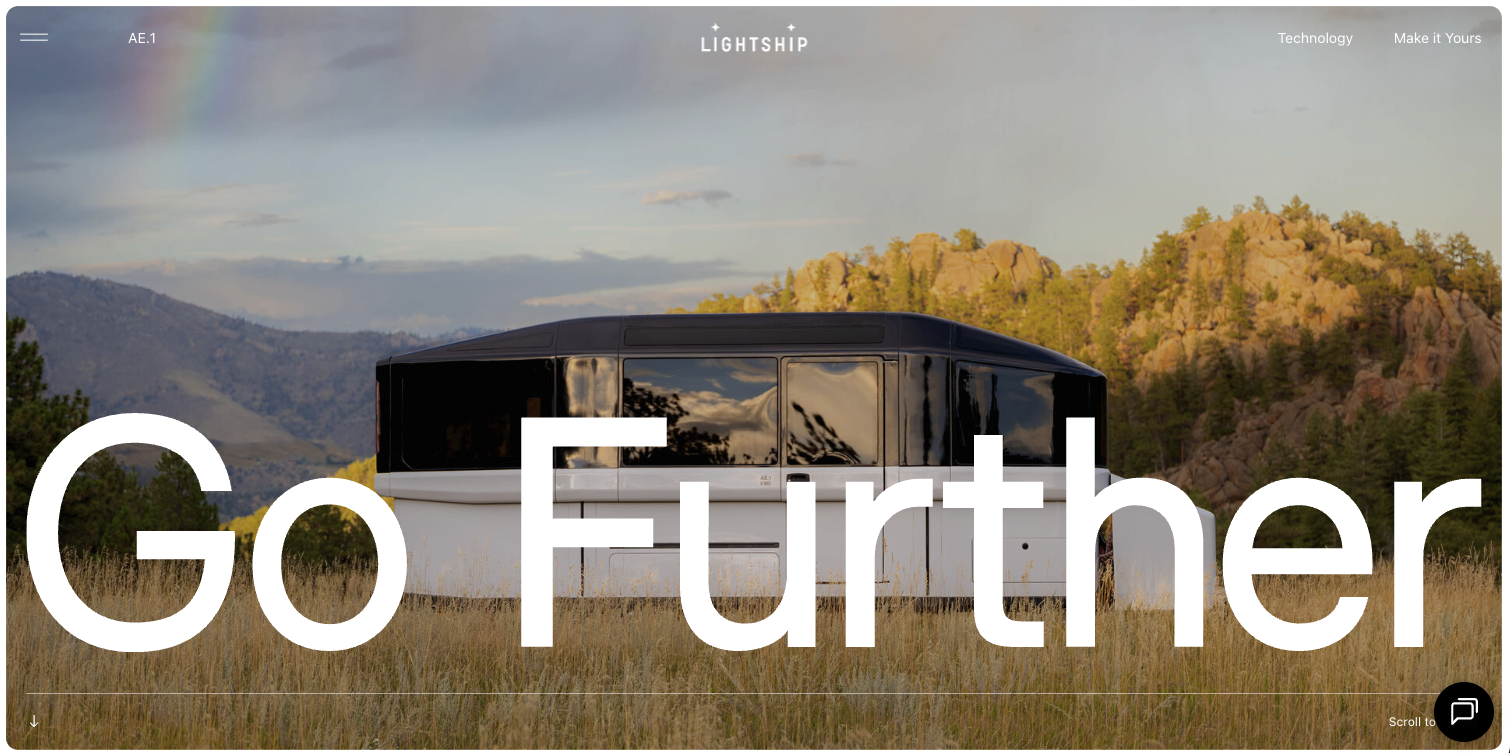
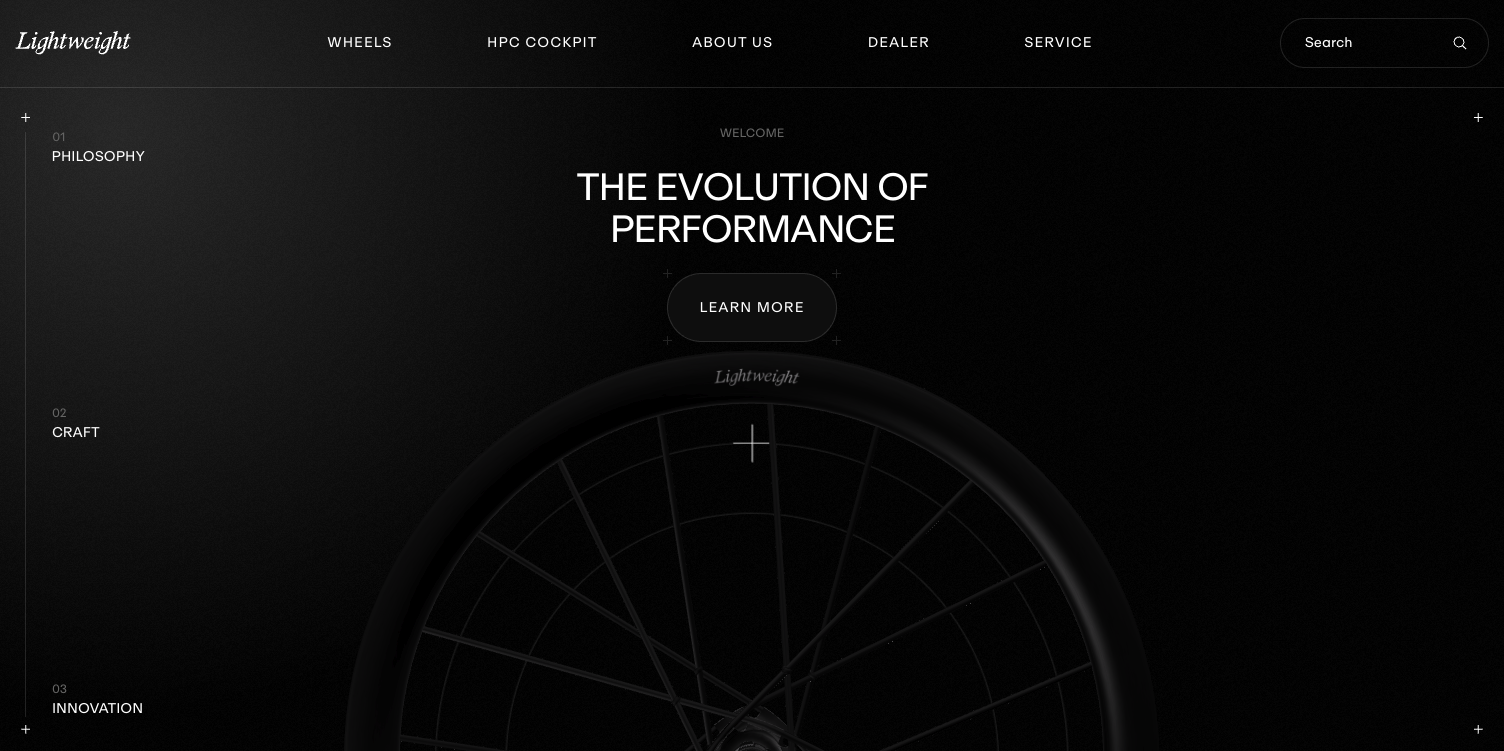
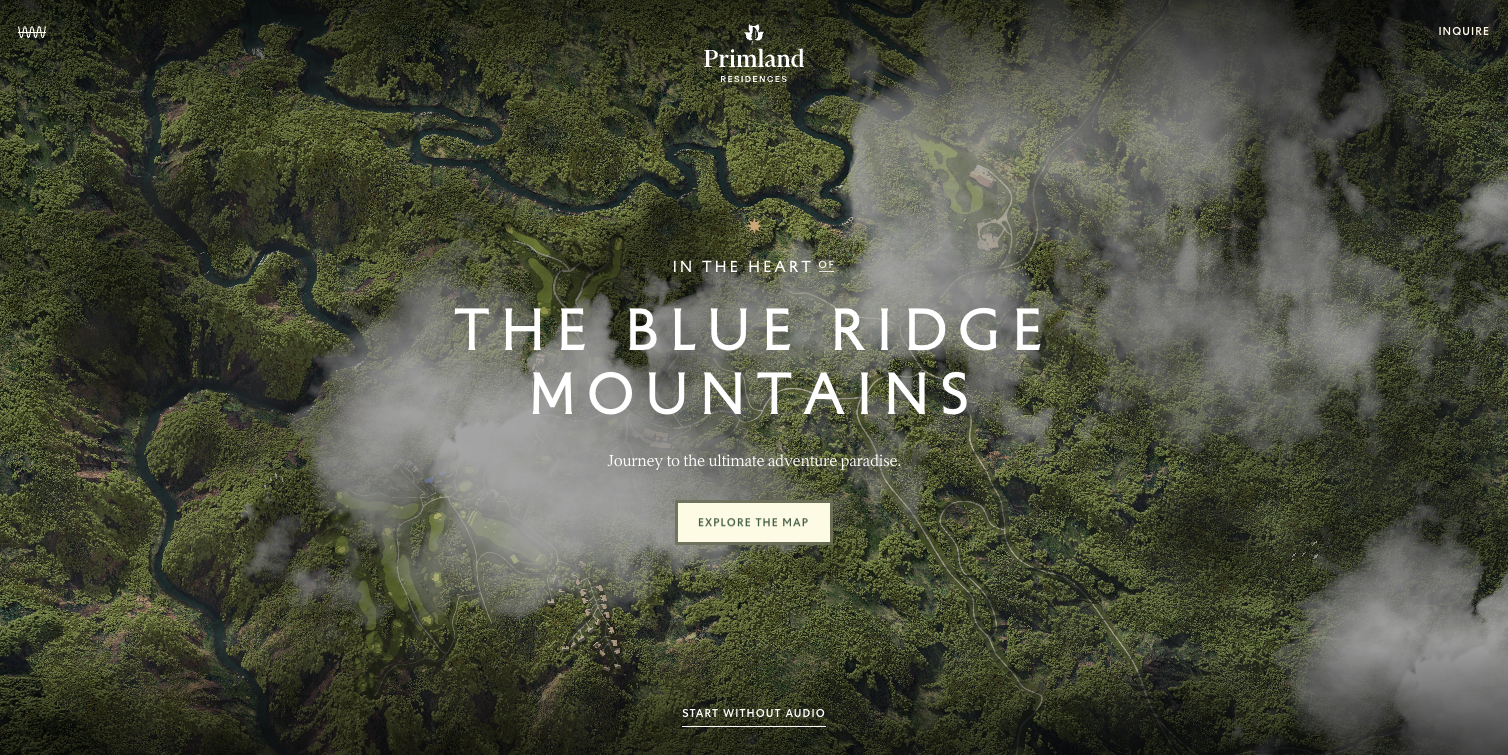
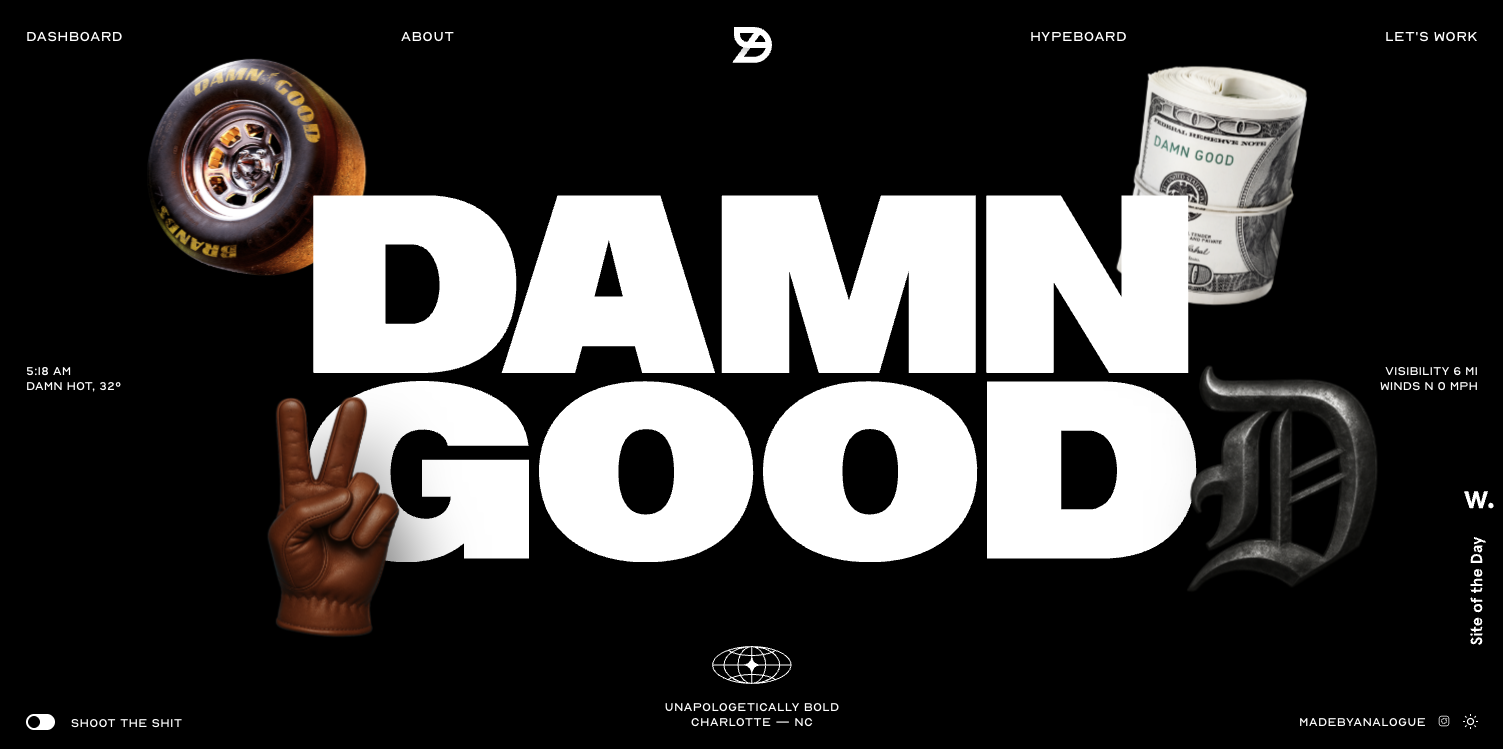
Strategically, visuals serve multiple purposes. White space signals thoughtfulness and focus. Photography or illustrations provide context, showing how the service works in practice or the environment in which outcomes are realized. Screenshots or interface visuals can hint at methodology without overwhelming the visitor. Typography conveys tone consistently, reinforcing the clarity of your message.
Visual storytelling also affects pacing. It guides the eye, emphasizes key points, and allows complex ideas to land. Proper hierarchy ensures that important information receives attention in the intended order, while subtler elements support the overall narrative.
When visuals and text work together, visitors intuitively understand your approach and feel aligned. They perceive competence, attention to detail, and thoughtful design, all of which reduce friction and increase confidence in reaching out.
Purposeful visual storytelling, combined with clear narrative, positions your service page as both informative and persuasive, building trust without using aggressive sales tactics.
Filtering and qualifying through design
A strategic service page is also a filtering tool. Not every visitor should convert. Tone, complexity, and the way you present information act as subtle gatekeepers. Misaligned visitors self-select out, leaving you with fewer but higher-quality inquiries.
Clear expectations and thoughtful messaging signal who your services are for. Aligned prospects feel understood and confident, while those who do not resonate recognize that the offering is not a fit. This process pre-qualifies leads before they even reach out.
Calls to action are calm and intentional. Rather than pressuring visitors, they guide them toward clarity. By the time a prospect decides to engage, they have already absorbed the narrative, visual cues, and strategic framing that communicate standards and outcomes.
Filtering through design ensures that conversations begin at a strategic level. You do not need to spend time persuading misaligned leads. Instead, every inquiry is more likely to result in meaningful, high-value discussions that reflect the expertise and insight your agency brings to the table.
Guiding decisions without urgency
High-value clients respond to clarity rather than pressure. A strategically designed service page guides decisions without forcing them.
Each section anticipates visitor questions and addresses concerns through narrative, examples, and visual cues. By the time a visitor reaches the call to action, they have already assessed alignment, understood your approach, and recognized the value of engaging with your agency.
Pacing, hierarchy, and messaging reinforce standards. Misaligned visitors naturally drop off, while aligned leads feel ready and confident to act. Strategic page design ensures the decision to reach out feels like the logical next step.
This approach also positions the service appropriately in terms of value. By communicating thoughtfulness and strategic insight, the page signals that engagement is a considered choice rather than a transactional decision.
Every element of the page—text, visuals, and structure—works together to make the right leads feel that connecting with your agency is both logical and desirable.
Conclusion
Service page design is more than a functional element—it is a tool for positioning, filtering, and guiding high-value leads. Done well, it communicates your approach, provides clarity, and ensures visitors understand your standards before any conversation begins.
Strong service pages do not rely on aggressive calls to action or exhaustive explanation. They clarify perspective, communicate process through narrative and visuals, and attract clients who are aligned with your approach.
If a service page only describes what you do without demonstrating how you think, it misses its potential. Strategic service page design transforms your website into a silent pre-qualifier, ensuring that the right clients reach out and conversations start at a meaningful, strategic level.
Clarity, storytelling, visual cohesion, and intentional filtering make service pages a decisive factor in lead generation and positioning.
Start your project
Start your project with a free discovery call and see how we can bring your vision to life.
Don’t miss these