Case study web design tips that reinforce credibility
A well designed case study does more than show work. It proves competence before a conversation ever begins.
In this article:
Why case studies fail to build credibility for most websites
Case study web design tips start with positioning before visuals
How narrative flow establishes authority
Visual hierarchy as proof of thinking
Using restraint to signal confidence
Case study web design tips that pre qualify serious clients
Conclusion
Start your project
Start your project with a free discovery call and see how we can bring your vision to life.
Why case studies fail to build credibility for most websites
Most case studies are written to explain, not to persuade. They focus on deliverables instead of decisions. They describe outcomes without context. They assume the reader already trusts the business presenting them.
That assumption is where credibility breaks.
In high consideration services, trust is formed through evidence of thinking, not effort. Visitors want to understand how problems were framed, why decisions were made, and what tradeoffs were accepted. A shallow presentation signals shallow thinking.
Case study web design tips matter because credibility is visual and structural before it is verbal. The way a story is presented determines whether it feels authoritative or promotional.
Case study web design tips start with positioning before visuals
The strongest case studies are not visual galleries. They are arguments.
Before layout, typography, or imagery are considered, the role of the case study must be clear. Is it meant to attract peers or buyers. Is it meant to demonstrate process or results. Is it meant to qualify or persuade.
Credibility is built when the case study feels selective. Not every project belongs on a site. Including everything communicates a lack of standards.
High trust is created when visitors sense that projects were chosen deliberately and presented with intent.
How narrative flow establishes authority
Case study web design tips often overlook narrative structure. Most pages follow a predictable template that prioritizes speed over clarity.
Authority is established through pacing. The reader should feel guided, not rushed. Context should be earned, not assumed.
Strong case studies begin by framing the challenge in a way that signals understanding of the business environment. This is where credibility starts. Not with the solution, but with the interpretation of the problem.
When a reader recognizes their own challenges reflected accurately, trust forms naturally.
Visual hierarchy as proof of thinking
Visual hierarchy is not decoration. It is evidence of decision making.
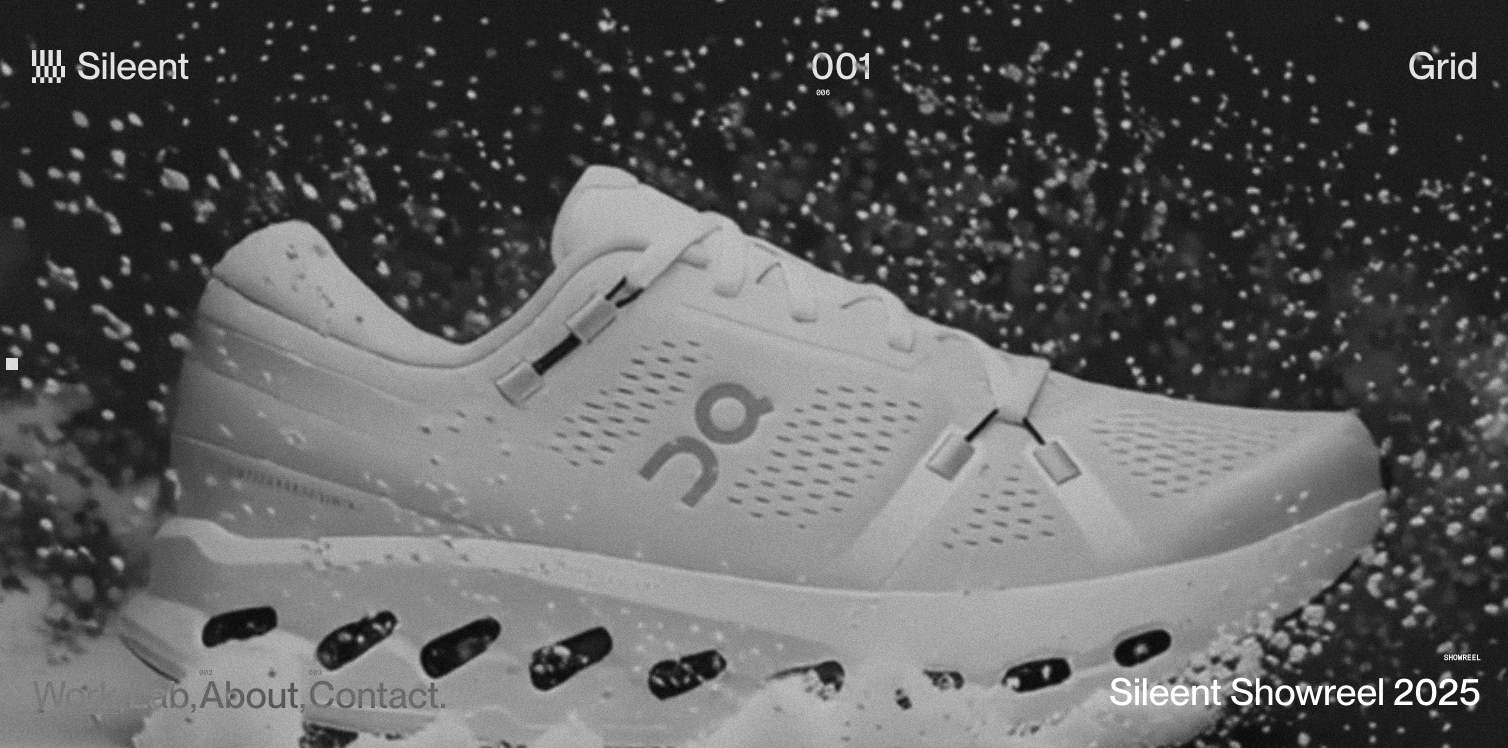
In effective case study web design tips, hierarchy communicates what matters most without explanation. Headlines reveal insight. Subheads clarify logic. Supporting visuals reinforce outcomes rather than distract from them.
Screenshots without commentary feel empty. Diagrams without context feel ornamental. Authority comes from alignment between visual emphasis and strategic importance.
When hierarchy feels intentional, readers assume the same level of intention exists behind the work itself.
Using restraint to signal confidence
One of the most overlooked case study web design tips is restraint.
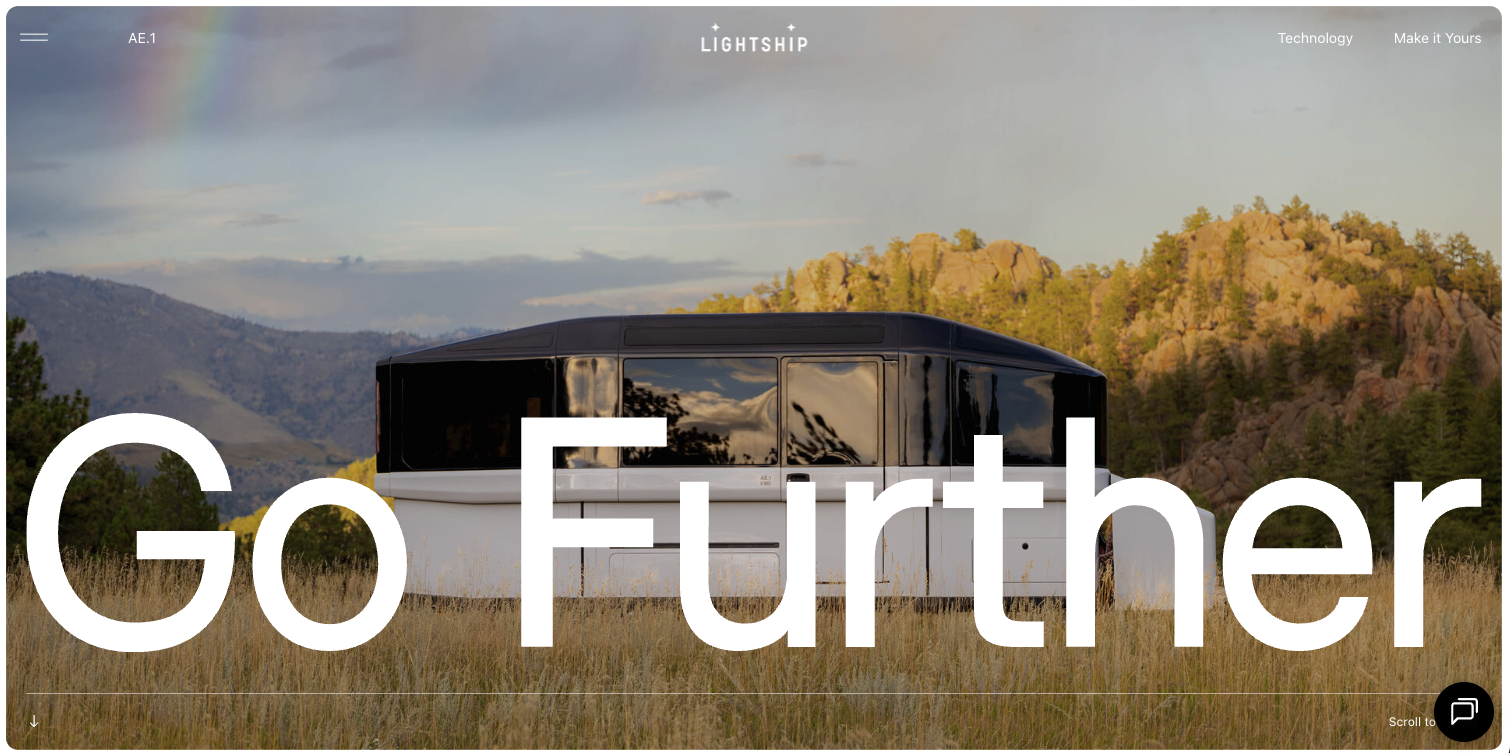
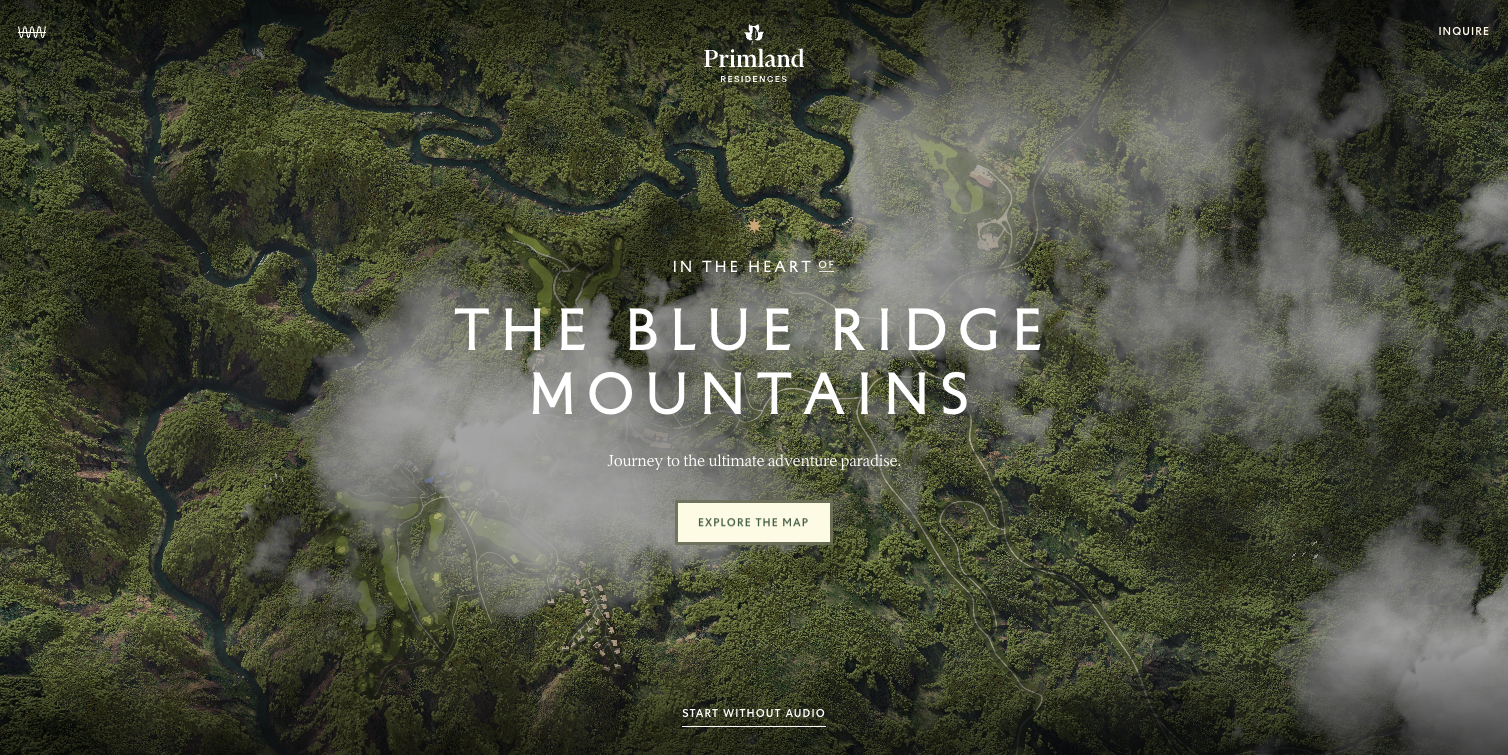
Overdesigned case studies often signal insecurity. Excess animation, dramatic transitions, or oversized imagery can shift focus away from substance. They draw attention to presentation rather than thinking.
Confident work does not need spectacle. It needs clarity.
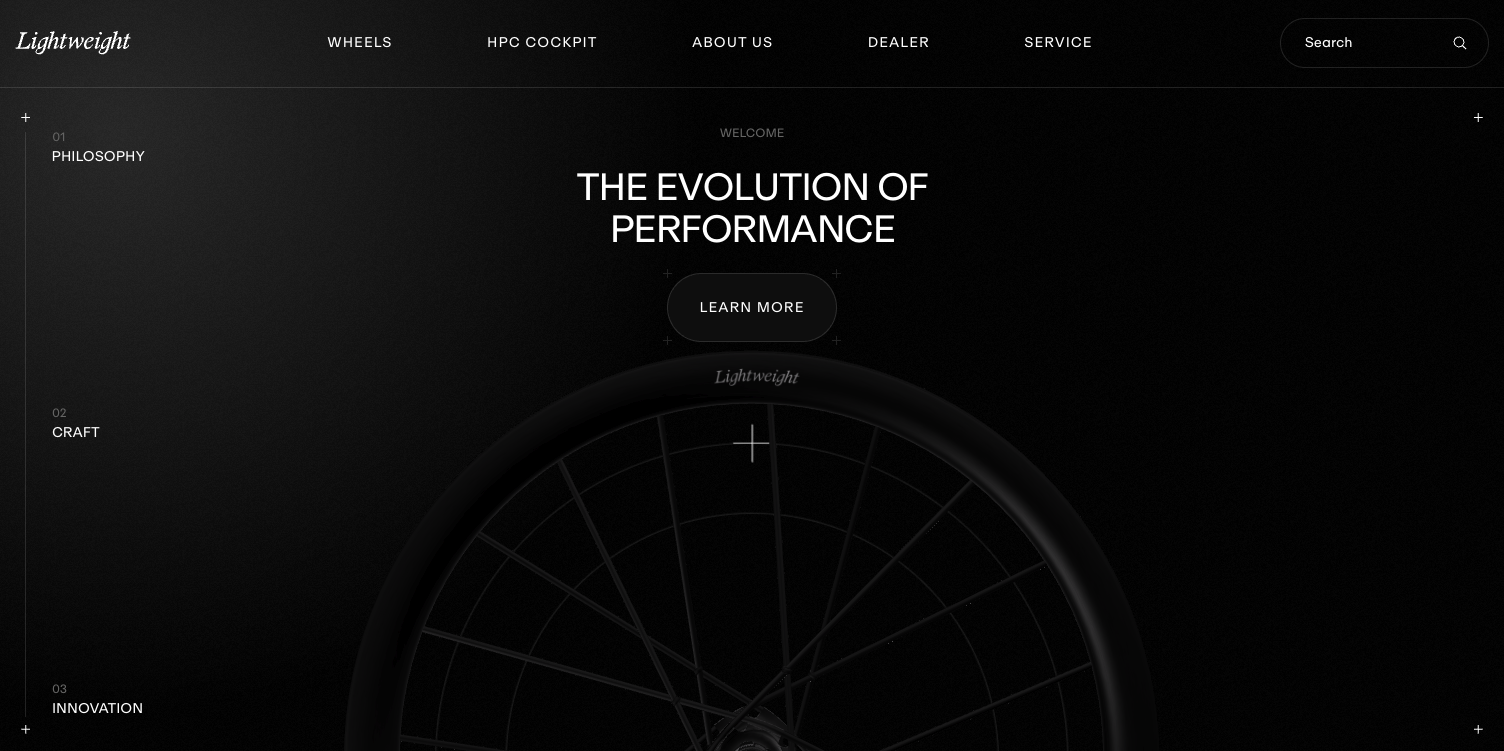
Whitespace, pacing, and typography choices that allow content to breathe communicate composure. They suggest that the work can stand on its own.
Restraint is read as confidence by sophisticated buyers.
Case study web design tips that pre qualify serious clients
The most effective case studies do not try to impress everyone. They intentionally repel the wrong audience.
Language choices, depth of explanation, and presentation style all act as filters. When a case study is detailed, deliberate, and thoughtful, it naturally attracts readers who value the same traits.
This is where case study web design tips become a positioning tool. The goal is not to simplify complexity, but to frame it clearly.
Buyers who are not prepared for strategic engagement will disengage. Buyers who are will lean in.
Conclusion
Case studies are not proof of work. They are proof of judgment.
Case study web design tips that reinforce credibility focus on how thinking is revealed through structure, pacing, and restraint. They prioritize clarity over decoration and narrative over novelty.
When case studies are designed as arguments rather than galleries, they stop being marketing assets and start becoming trust mechanisms.
Credibility is not claimed. It is demonstrated. Case studies are where that demonstration either succeeds quietly or fails immediately.
Start your project
Start your project with a free discovery call and see how we can bring your vision to life.
Don’t miss these