Case study design that turns social proof into qualified leads
Strong case study design turns real client results into persuasive stories that build trust and drive qualified inquiries.
In this article:
Why most client stories fail to generate real leads
Start with the client’s real challenge
Show your thinking, not just the final outcome
Highlight measurable impact and business growth
Structure the story for clarity and flow
Use design to reinforce credibility
Connect each story to the next step
Conclusion
Start your project
Start your project with a free discovery call and see how we can bring your vision to life.
Why most client stories fail to generate real leads
Case study design is often treated as an afterthought. Many businesses complete a project, collect a short testimonial, and publish a brief summary of the work. They show a few images, describe the service, and move on. The page looks polished, but it does not create strong action.
The issue is not effort. The issue is depth and structure. A surface level story does not reduce risk for serious buyers. It does not answer the deeper question they are asking, which is whether you can solve a problem like theirs.
Buyers who are actively planning a project want more than praise. They want proof. They want to see how you think, how you approach challenges, and what changed after the work was complete.
When case study design lacks clarity, it becomes a gallery. It shows what was created but not why it mattered.
Imagine a founder reviewing agencies for a website redesign. They visit your site and open a project page. If they only see visuals and a short paragraph, they still feel uncertain. They may admire the work, but they do not see themselves in the story.
Effective case study design bridges that gap. It moves beyond showing and into explaining. It guides the reader through a journey that feels familiar and grounded in results.
When structured well, these pages become powerful social proof that supports confident decisions.
Start with the client’s real challenge
Strong case study design begins before the design work itself. It begins with understanding and capturing the real challenge your client faced.
Instead of starting with what you delivered, start with what was at stake. What problem did the client struggle with? What was not working? What goal felt out of reach?
For example, imagine a service based company that had traffic but low conversions. Their website looked modern, but visitors did not understand their value. Sales calls felt repetitive because prospects asked basic questions.
When you open with this context, readers immediately connect. They may recognize the same pattern in their own business.
Describe the situation clearly and in simple terms. Avoid exaggeration. Focus on what was real.
This part of case study design shows empathy and awareness. It proves that you listen before you act.
Serious buyers want to work with partners who understand complexity. When you highlight the true challenge, you signal that you do not jump straight to solutions without insight.
A well written problem section builds emotional connection. It makes the story relatable. It sets the stage for meaningful transformation.
Show your thinking, not just the final outcome
Many project pages focus only on the finished result. While visuals matter, they are not enough.
Case study design should include your strategic thinking. Explain how you approached the challenge. What did you prioritize? What decisions shaped the direction?
For example, you might explain that the first step was clarifying the brand’s positioning. You worked with the client to define their core message and target audience. From there, you structured the website around one clear value proposition.
This level of detail builds trust. It shows that your work is not random or based on trends. It is grounded in reasoning.
Visual storytelling can support this section. You might describe how early wireframes simplified the user journey. You could explain how content was reorganized to guide visitors toward a clear action.
When readers understand your thought process, they see more than design skill. They see structure and leadership.
Case study design that reveals thinking attracts higher value clients. It speaks to those who care about strategy, not just appearance.
Highlight measurable impact and business growth
Social proof becomes powerful when it connects to business outcomes.
In effective case study design, results are not vague. They are specific and relevant. This may include improved lead quality, increased inquiries, shorter sales cycles, or clearer messaging.
For example, after launching a new website, a client might report that inquiries became more aligned with their ideal customer. They might notice that prospects arrived better informed and ready to discuss scope.
Even if exact numbers are not shared, describe the shift clearly. Explain what changed in the day to day experience of the business.
Buyers who are planning an investment want to see impact. They want reassurance that their decision will create movement, not just a new look.
Position the results within the larger context of the client’s goals. If the aim was growth, explain how the project supported that direction.
Case study design that ties visual work to business growth feels grounded and credible. It shifts the focus from aesthetics to outcomes.
This is where social proof turns into persuasion.
Structure the story for clarity and flow
A strong narrative needs structure. Without it, even good results can feel scattered.
Case study design benefits from a clear sequence. Begin with context and challenge. Move into strategy and approach. Present the solution. Then explain the outcome.
This flow mirrors how buyers think. They want to understand the full picture, not just fragments.
Use headings to guide the reader. Keep paragraphs short and focused. Avoid long blocks of text that feel heavy on mobile.
You can also include brief client quotes within the story. Choose statements that reinforce key moments, such as clarity during the strategy phase or confidence after launch.
Imagine a reader scrolling through your project page on their phone. Each section should feel intentional. They should know where they are in the story.
Clear structure communicates professionalism. It shows that you think in systems, not chaos.
When case study design is organized, the reader experiences the same clarity that your clients experienced during the project. That alignment builds confidence.
Use design to reinforce credibility
The layout of your project pages matters.
Case study design should reflect the quality of your work. Clean typography, balanced spacing, and strong imagery create a sense of order.
Avoid clutter. Focus on showcasing the most relevant visuals. Highlight key screens that demonstrate how strategy translated into design decisions.
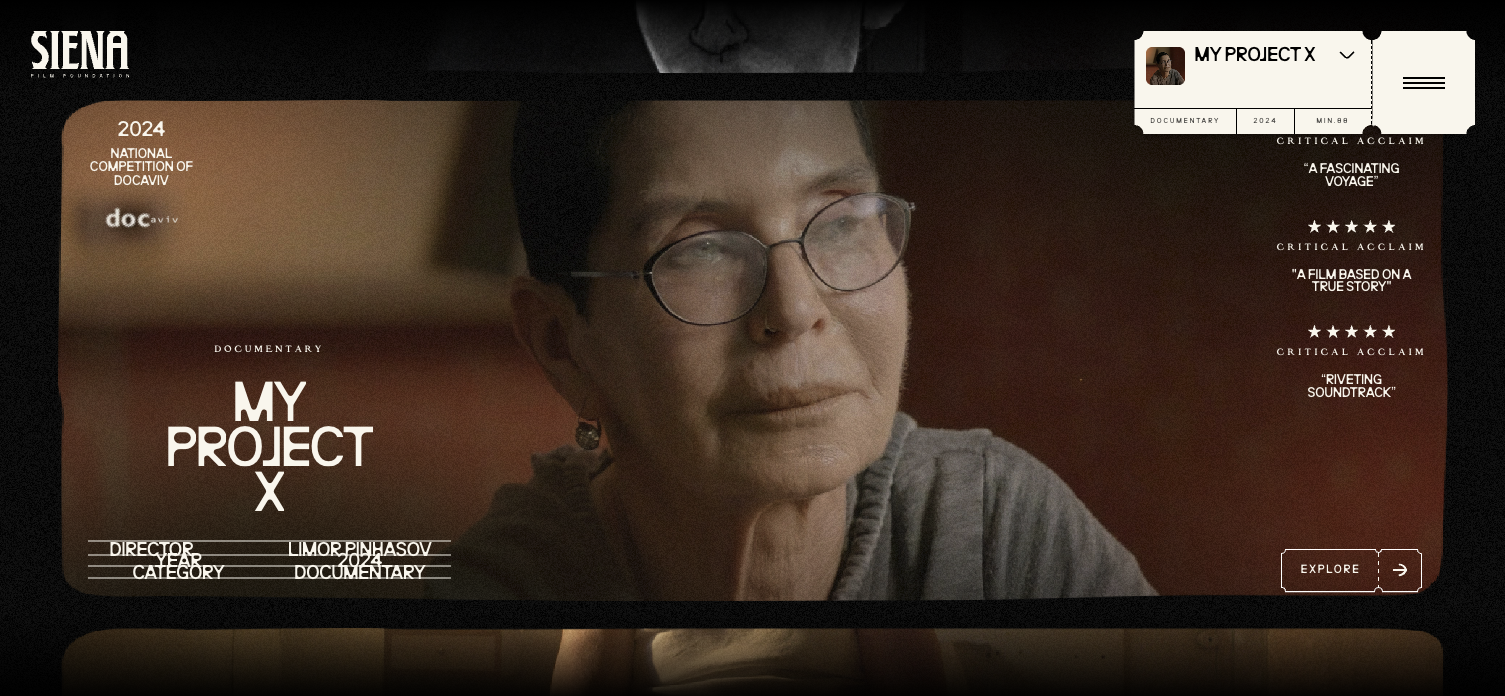
Captions can help. Briefly explain what the viewer is seeing and why it matters. This prevents the page from feeling like a simple gallery.
You might show the evolution from wireframe to final design. You could describe how content was reorganized to support user flow. These details add depth.
Design should guide attention. Important insights should stand out. Calls to action should be visible but not distracting.
When your case study design feels intentional, it reinforces your positioning as a thoughtful partner.
High value clients notice presentation. They associate the care you show in your own brand with the care you will show in theirs.
Connect each story to the next step
Social proof is powerful, but it must lead somewhere.
At the end of each project page, guide the reader toward action. This could be an invitation to book a strategy call or to explore your services.
Keep the language simple and confident. Avoid pressure. Instead, invite aligned businesses to continue the conversation.
You can also remind readers who you work best with. For example, you may state that your process is designed for companies ready to invest in long term growth. This helps pre qualify inquiries.
Case study design should not feel like an archive. It should feel like a bridge. It connects past results with future projects.
When a reader finishes the story, they should feel both informed and motivated. They should see themselves in the transformation.
A clear and calm call to action ensures that the momentum built through the story does not fade.
Conclusion
Case study design is more than presenting finished work. It is about telling structured stories that build trust and reduce risk.
By starting with real challenges, explaining your thinking, highlighting measurable impact, organizing the narrative, and guiding the next step, you turn social proof into a lead generation asset.
Serious buyers look for depth. They want to understand how you think and what results you create.
When your project pages reflect clarity, strategy, and real growth, they do more than showcase design. They support confident decisions and attract clients who value meaningful work.
Start your project
Start your project with a free discovery call and see how we can bring your vision to life.
Don’t miss these