How to improve website engagement 2026 through clarity and confidence
Improving website engagement in 2026 is less about adding features and more about refining how your website thinks, communicates, and earns attention.
In this article:
Why engagement has become harder to earn
What it really means to improve website engagement 2026
Structure as the foundation of engagement
Visual clarity as an engagement multiplier
Engagement through narrative rather than interaction
How engagement qualifies the right audience
The future of engagement is restraint
Conclusion
Start your project
Start your project with a free discovery call and see how we can bring your vision to life.
Why engagement has become harder to earn
To improve website engagement 2026 requires acknowledging a shift that many businesses underestimate. Users are not disengaged because websites lack content. They are disengaged because most digital experiences feel interchangeable.
Audiences have learned to skim, filter, and dismiss quickly. They arrive with sharper instincts and higher expectations. The moment a website feels generic, overloaded, or directionless, engagement drops. This happens before copy is read or offers are evaluated.
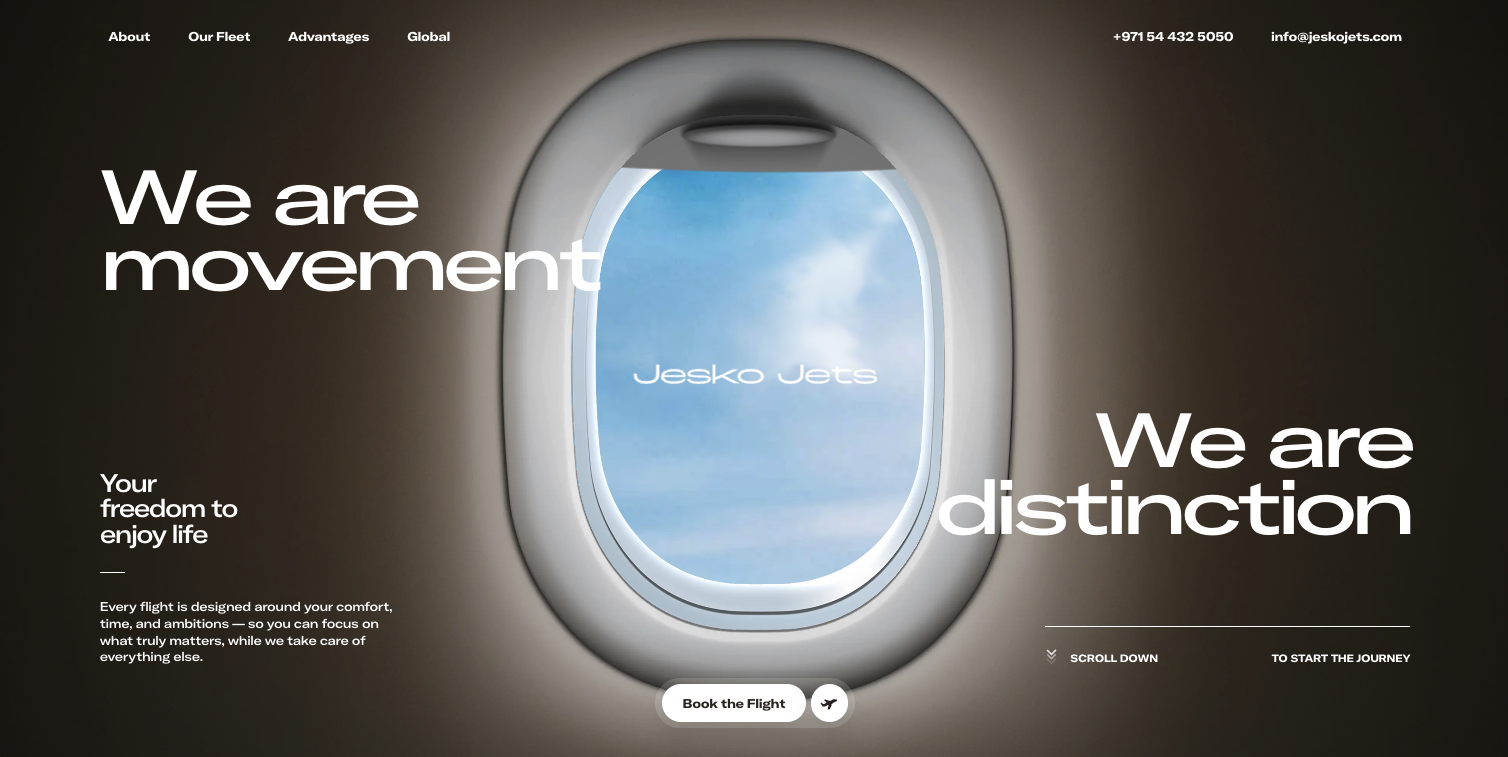
Engagement is no longer driven by novelty. It is driven by resonance. People engage when a website feels composed, intentional, and relevant to their situation. This relevance is communicated visually first, then reinforced through structure and message.
Websites that fail to evolve in this direction will continue to see declining engagement despite increased effort.
What it really means to improve website engagement 2026
Improving engagement is not about forcing interaction. It is about removing friction. The most engaging websites feel easy to move through, easy to understand, and easy to trust.
In 2026, engagement is defined by depth rather than volume. Time spent, scroll progression, and meaningful interaction matter more than clicks. These signals reflect whether a website is holding attention, not just capturing it briefly.
To improve website engagement 2026, design must anticipate user intent. Visitors should feel that the website understands why they are there and respects their time. This feeling comes from clarity, pacing, and thoughtful hierarchy rather than aggressive tactics.
When engagement is treated as a byproduct of good design instead of a metric to manipulate, results improve naturally.
Structure as the foundation of engagement
Structure determines how long attention lasts. A website with strong visual design but weak structure feels exhausting. Users do not know where to look or what matters most.
High engagement websites in 2026 prioritize flow. Each section leads logically to the next. Information is revealed progressively rather than all at once. This pacing mirrors how people process information when trust is building.
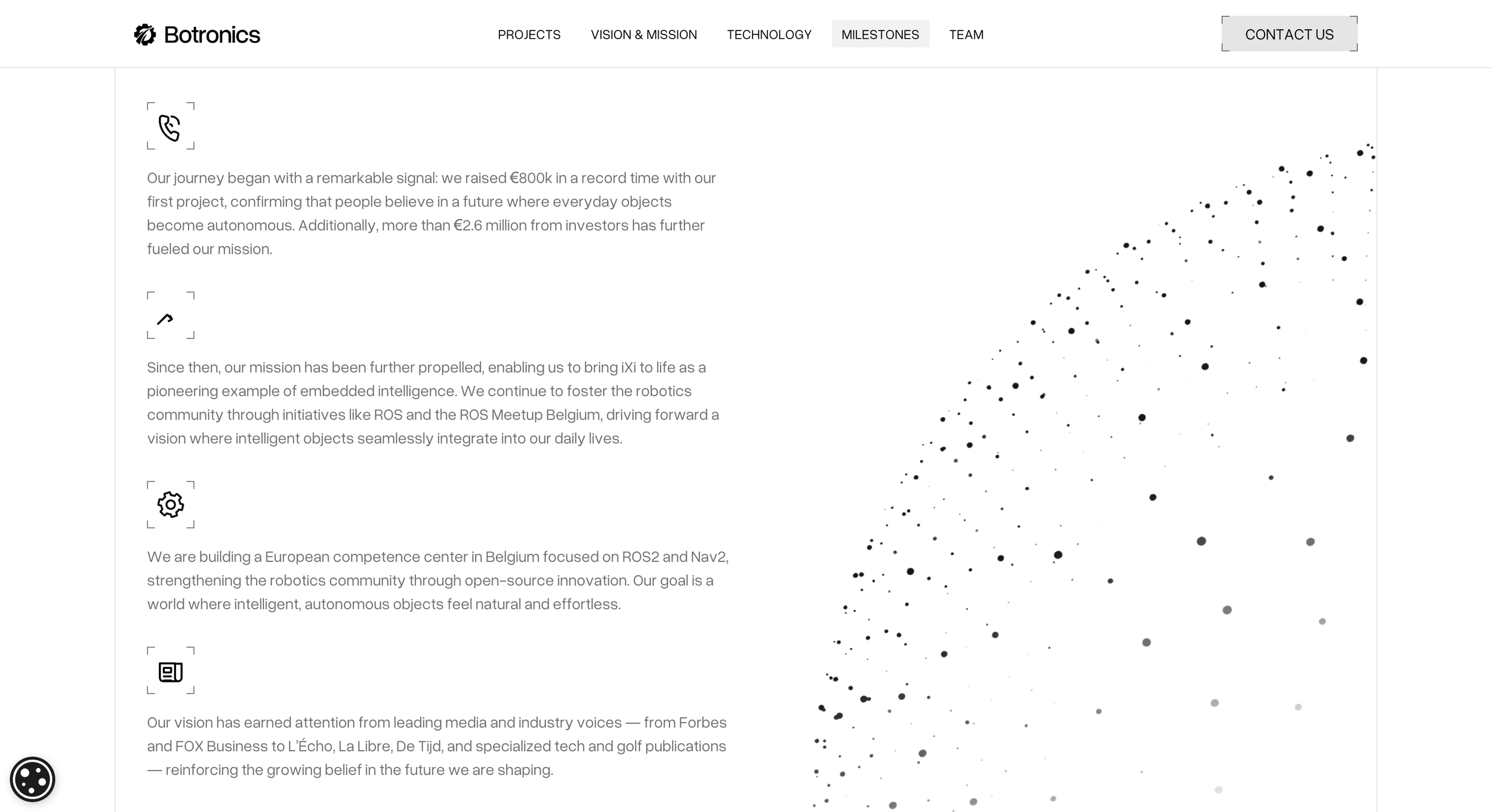
Clear structure reduces cognitive load. Visitors spend less energy navigating and more energy absorbing. This shift alone can dramatically improve engagement without changing a single word of copy.
Structure also creates rhythm. Moments of density are balanced with moments of openness. This contrast keeps the experience dynamic while maintaining calm.
Visual clarity as an engagement multiplier
Visual clarity is one of the most underutilized engagement drivers. Many websites lose attention not because they lack interest, but because they demand too much focus at once.
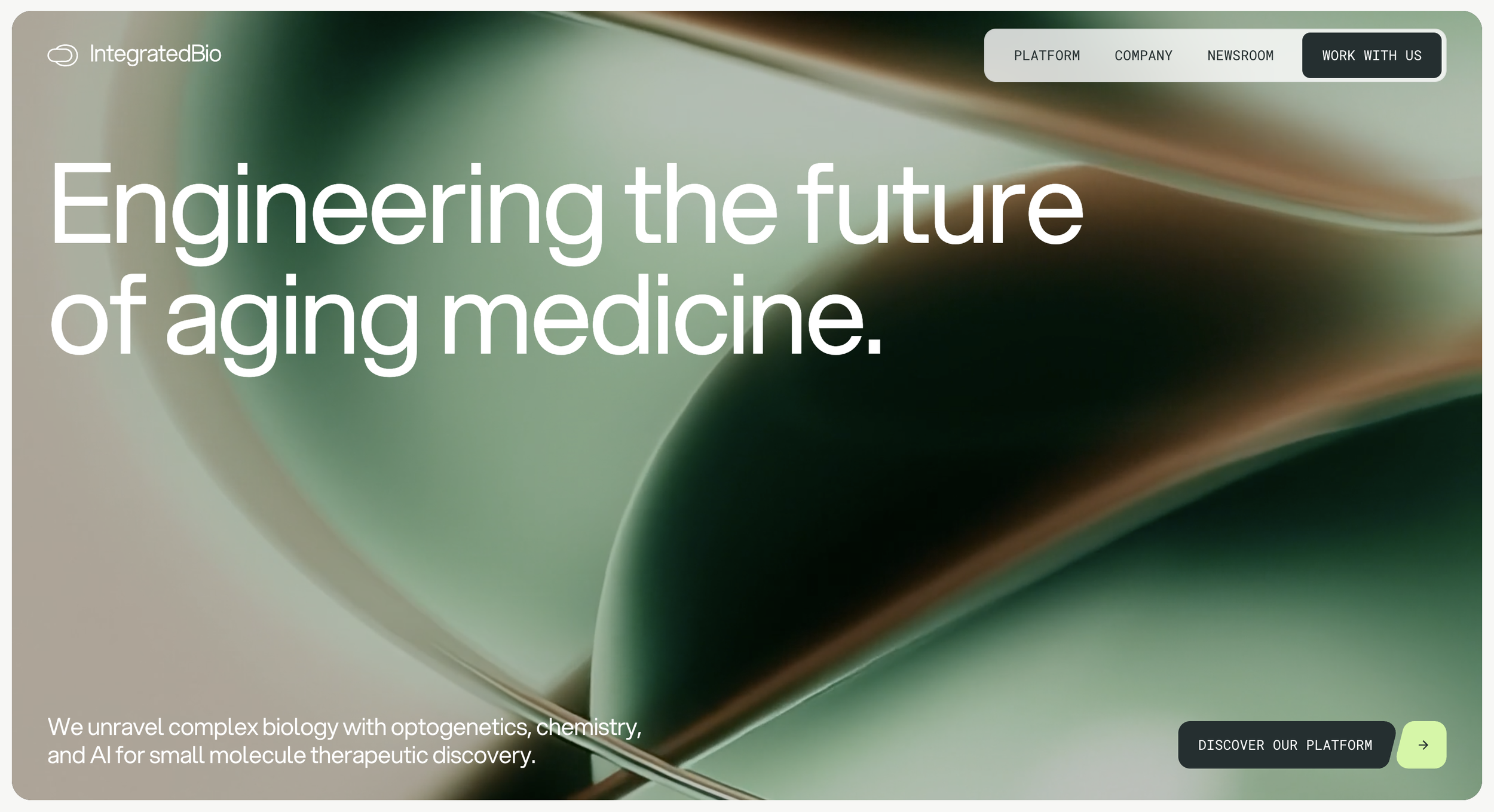
In 2026, engaging websites are visually restrained. They use white space intentionally. They limit competing colors. They allow typography to do its job without interference.
This restraint makes content feel more valuable. When fewer elements compete, each one feels more considered. Users slow down, read more carefully, and engage more deeply.
Visual clarity also builds confidence. A website that feels calm suggests that the business behind it is confident in its message. That confidence encourages visitors to stay rather than skim.
Engagement through narrative rather than interaction
A common mistake is equating engagement with interaction. While interactive elements have value, the most powerful engagement often comes from narrative flow.
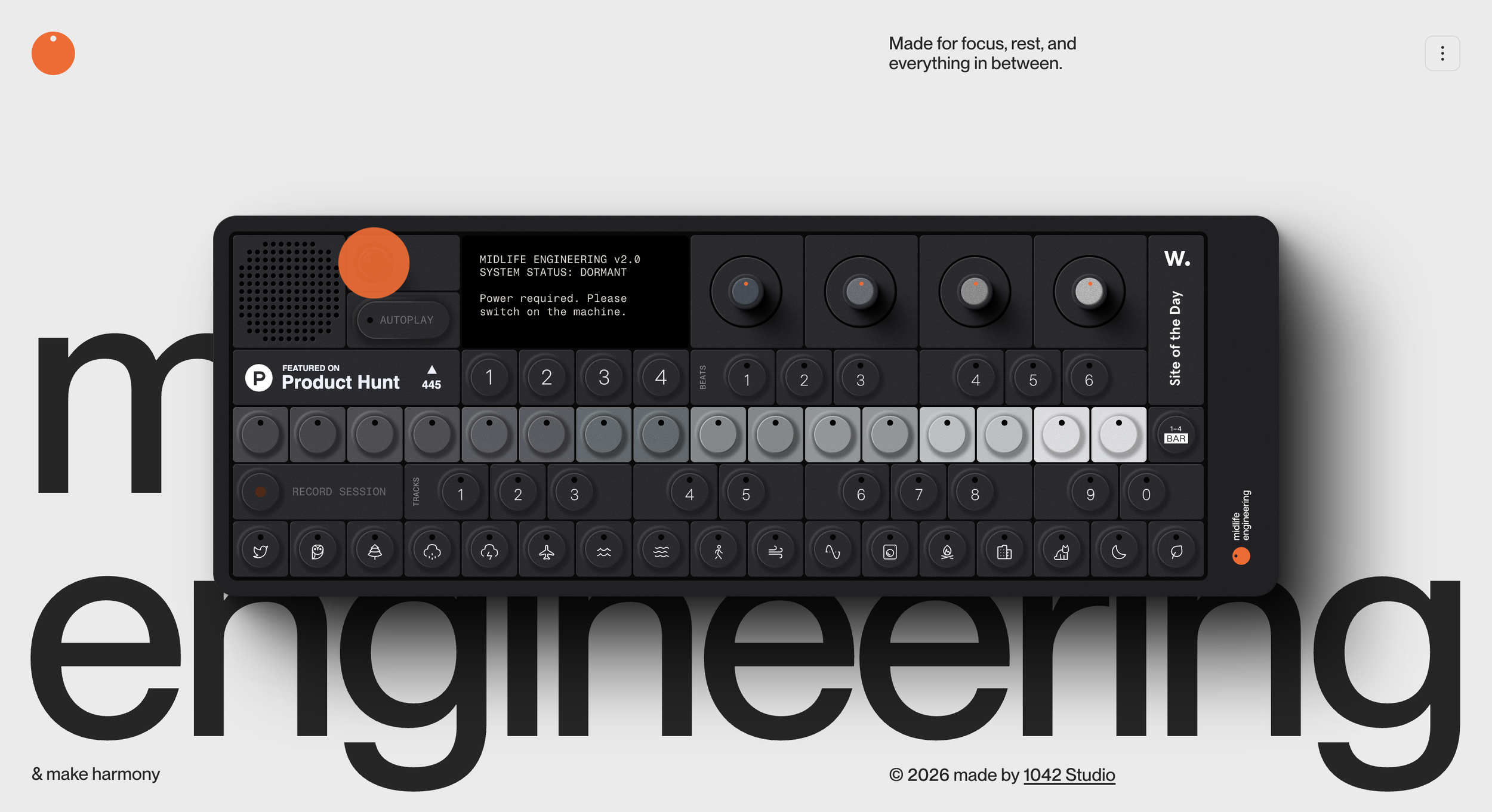
When a website tells a cohesive story, users naturally want to continue. Each section answers a question raised by the previous one. This progression keeps attention without relying on gimmicks.
Narrative engagement is subtle. It does not ask users to click or react constantly. It invites them to understand. This invitation feels respectful rather than demanding.
To improve website engagement 2026, websites must think like editors. What is the opening context. What is the build. What is the resolution. When this arc is present, engagement follows.
How engagement qualifies the right audience
Not all engagement is equal. High bounce rates from the wrong audience can be healthier than high interaction from unqualified visitors.
Websites that are designed with intention naturally attract people who align with their values and expectations. These visitors engage more deeply because the experience feels relevant to them.
Improving engagement in 2026 means accepting that clarity will repel as much as it attracts. This is not a flaw. It is positioning.
A composed website experience filters out casual interest and invites serious consideration. The engagement that remains is more meaningful and more likely to convert into long term relationships.
The future of engagement is restraint
As digital environments become noisier, restraint becomes more powerful. Websites that slow the experience, simplify choices, and prioritize clarity will stand out.
To improve website engagement 2026 is to design with confidence. Confidence to remove unnecessary elements. Confidence to trust structure. Confidence to let the experience speak without constant prompting.
Engagement grows when users feel guided rather than pushed. When they feel understood rather than targeted. When the website feels like a conversation instead of a campaign.
Conclusion
Improving website engagement in 2026 is not about chasing trends or adding layers of interaction. It is about refining fundamentals.
When structure is clear, visuals are restrained, and narrative is intentional, engagement becomes a natural outcome. Visitors stay longer because the experience feels worth their attention.
In a landscape where attention is scarce, the websites that succeed will be those that respect it. By focusing on clarity, confidence, and purpose, engagement shifts from a metric to a reflection of trust.
Start your project
Start your project with a free discovery call and see how we can bring your vision to life.
Don’t miss these