Image placement for websites that shape perception and elevate design quality
Image placement for websites is one of the most overlooked design decisions, yet it has the power to define clarity, emotion, and perceived quality within seconds.
In this article:
Why most websites fail to use images with intention
How image placement for websites controls attention and hierarchy
The relationship between image placement and perceived quality
Modern image placement patterns shaping contemporary websites
How image placement pre qualifies the right audience
Conclusion

Start your project
Start your project with a free discovery call and see how we can bring your vision to life.
Why most websites fail to use images with intention
Many websites use strong imagery yet still feel disjointed, cluttered, or emotionally flat. This disconnect rarely comes from the images themselves. It comes from how those images are placed, sized, and integrated into the layout. Image placement for websites is not a decorative afterthought. It is a structural decision that influences how users read, feel, and move through a page.
When images are placed without intention, they interrupt flow instead of guiding it. They compete with typography instead of supporting it. They feel like fillers rather than narrative elements. This is often why websites with high quality visuals still fail to create impact. The imagery exists, but it does not belong.
Users subconsciously read layout before content. They sense imbalance immediately. If images appear random or overly dominant, trust erodes. If images feel secondary or misaligned, the experience feels unfinished. Effective image placement establishes rhythm and hierarchy. It helps users understand what matters without explanation.
How image placement for websites controls attention and hierarchy
Image placement for websites plays a central role in directing attention. Images naturally draw the eye before text. This means their position determines where the user starts the experience and how they progress through it.
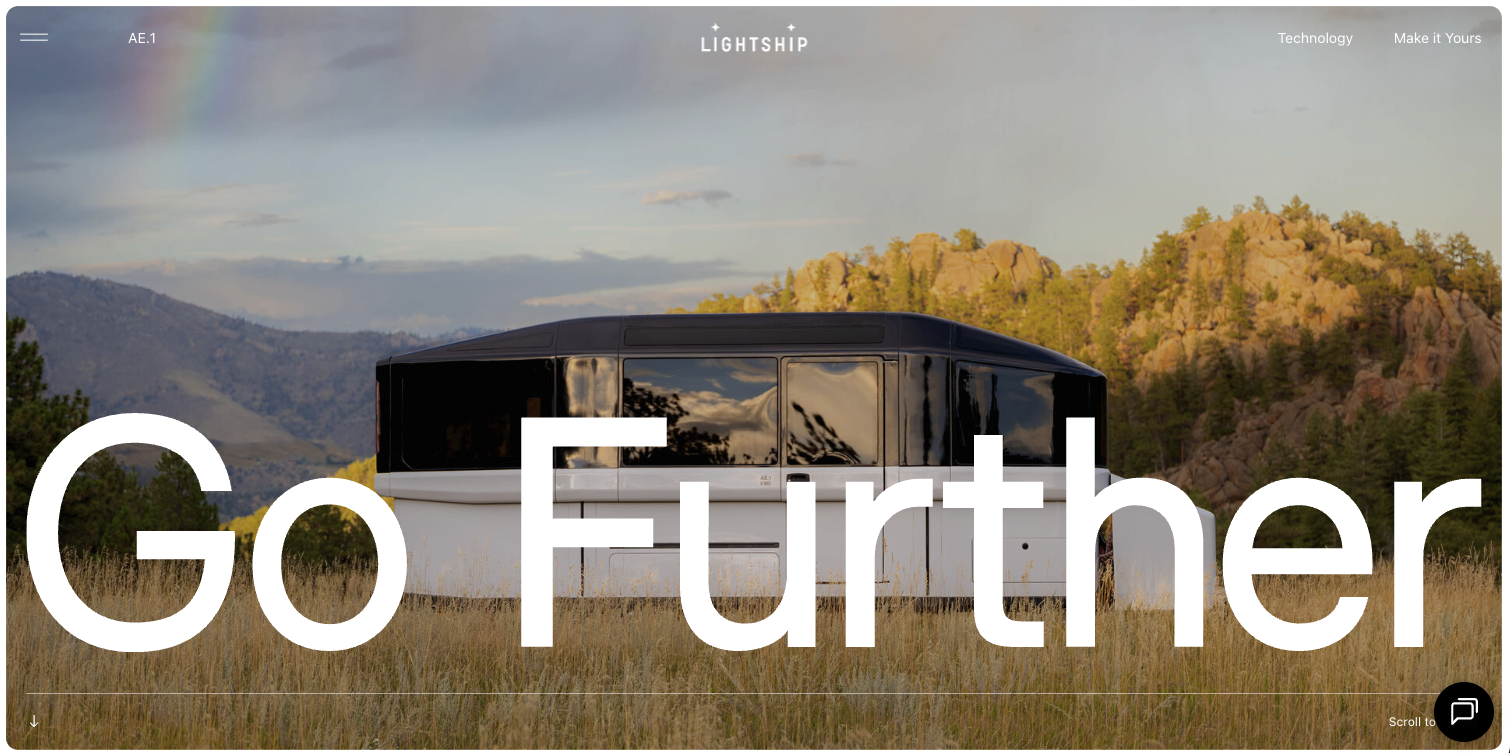
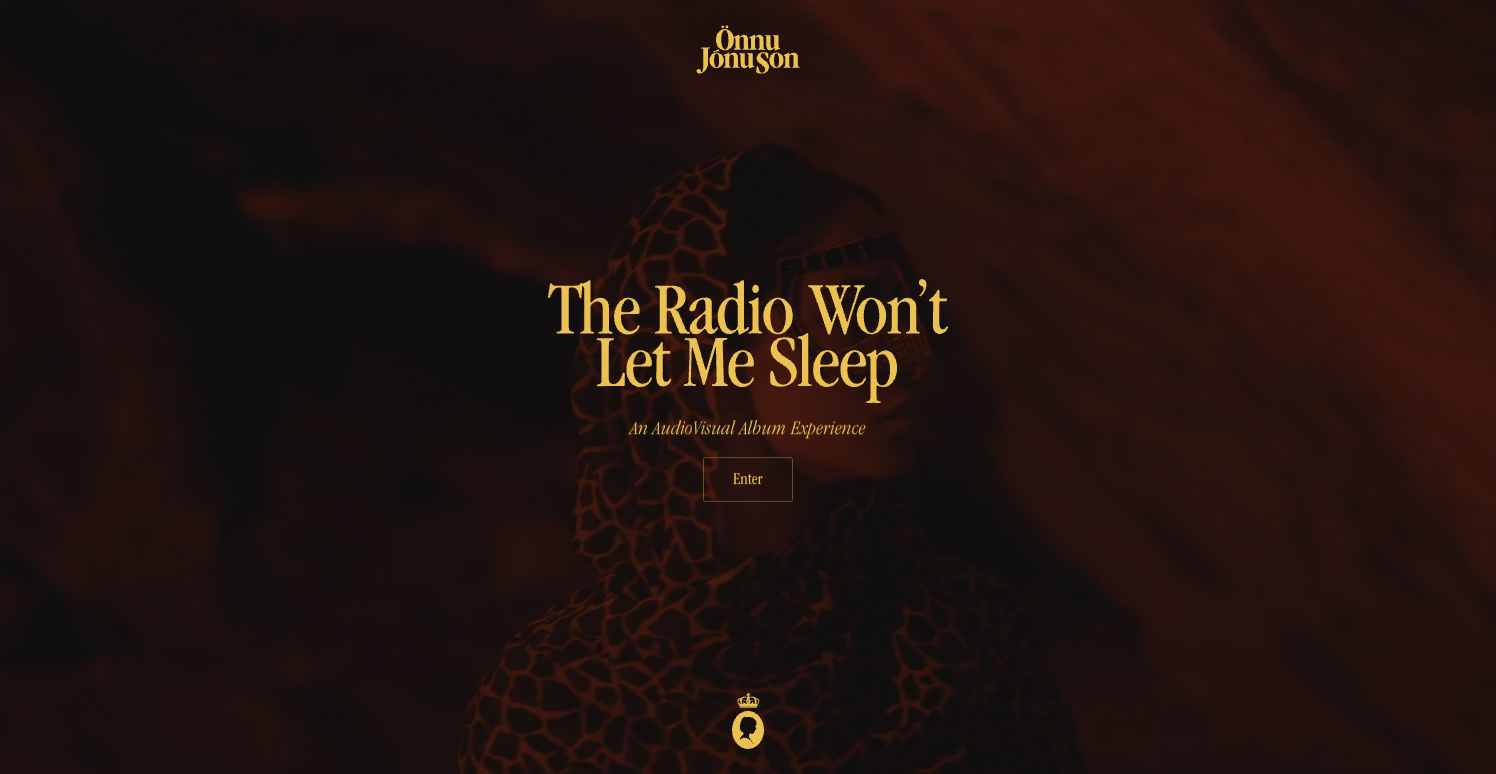
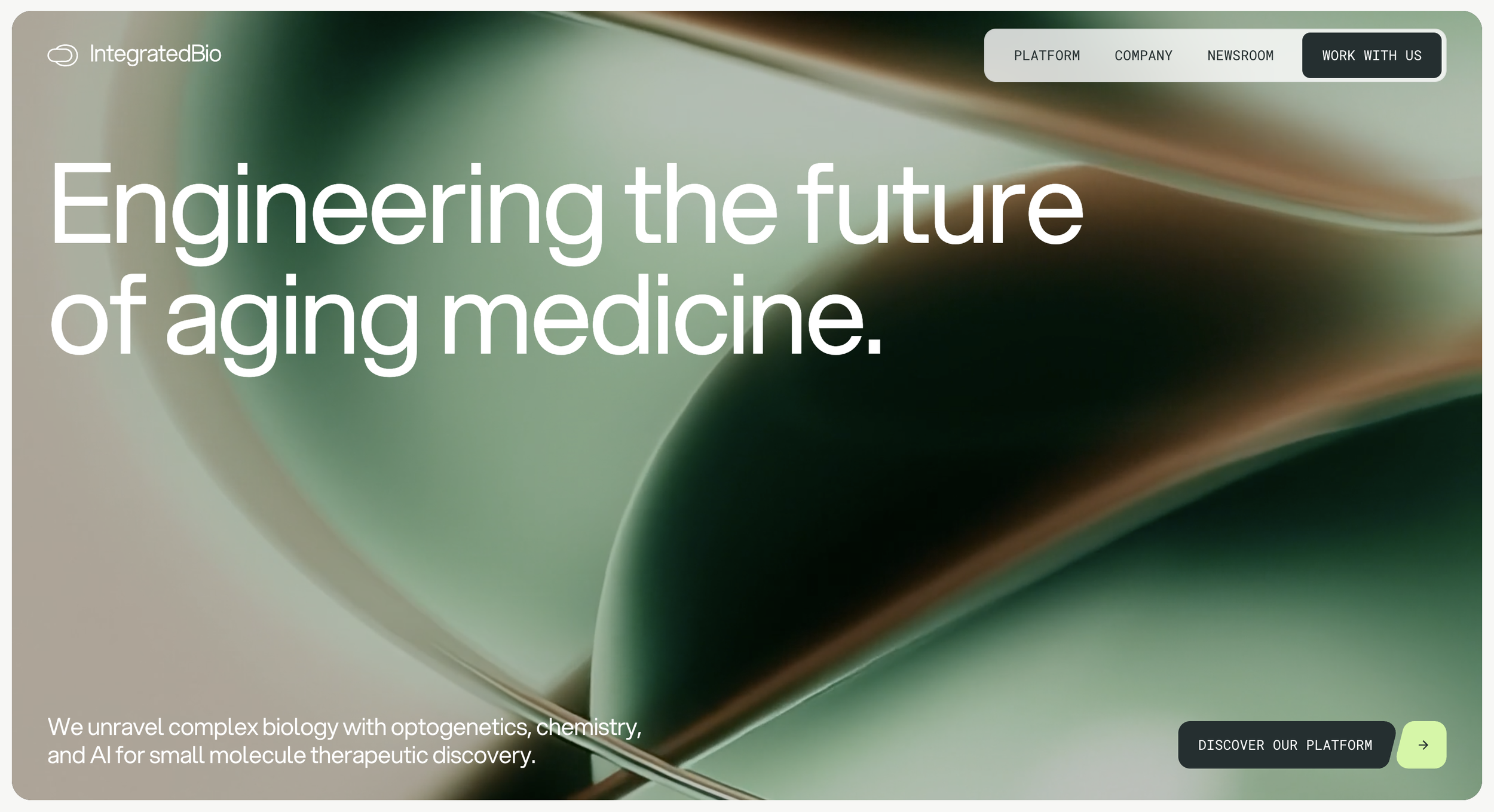
When images are placed at the top of a page, they set tone and expectation. When they appear alongside copy, they provide context. When they follow text, they reinforce meaning. Each placement choice carries a different psychological effect. Designers who understand this use images to lead, not distract.
Hierarchy emerges when image scale and proximity are considered alongside typography. Large images demand focus. Smaller images support. Whitespace around images creates emphasis. Tight spacing creates urgency. These decisions influence pacing and comprehension.
Well placed imagery makes the page feel effortless. The user does not consciously think about what to look at next. The layout does the work for them.
Websites that feel memorable often treat images as narrative tools. Image placement for websites becomes a method of storytelling when visuals are used to introduce, support, or resolve ideas.
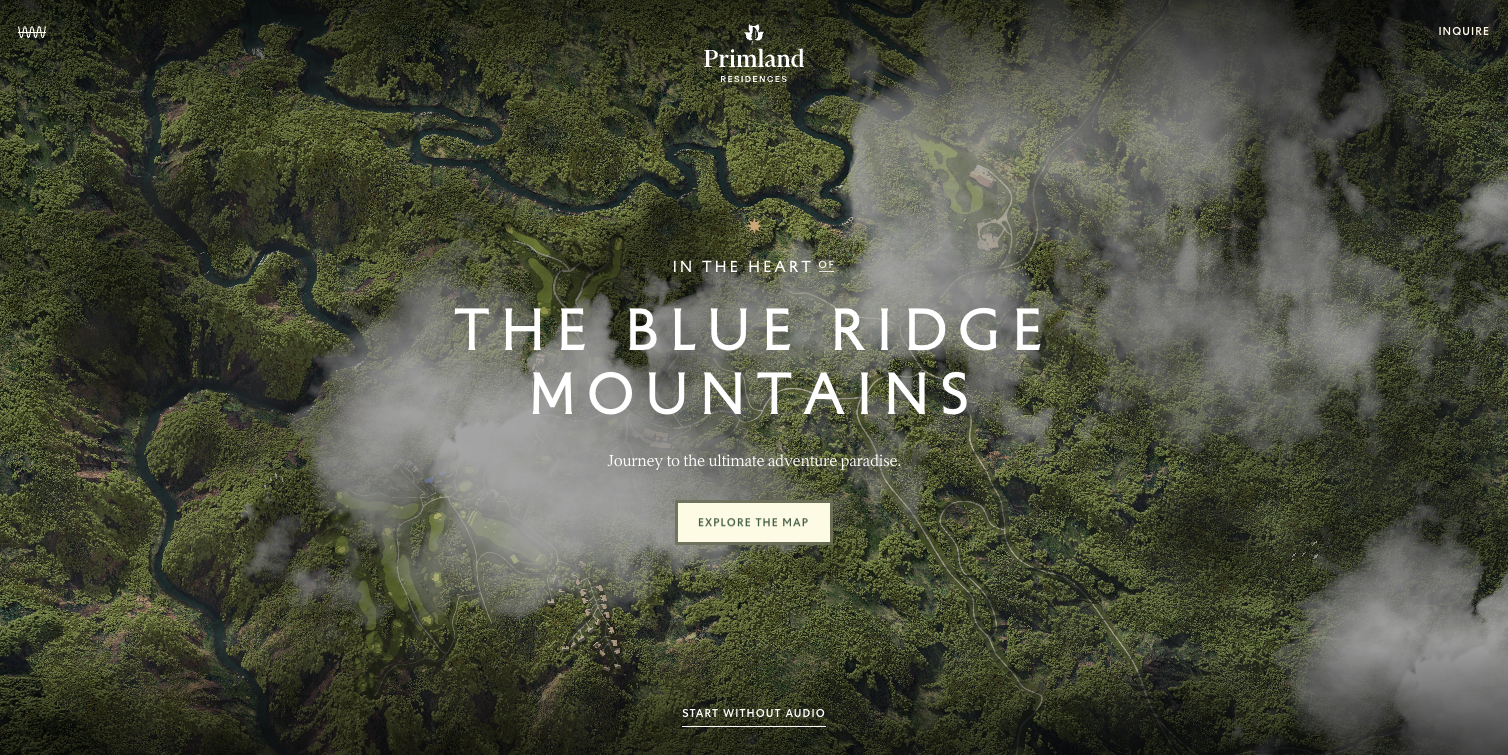
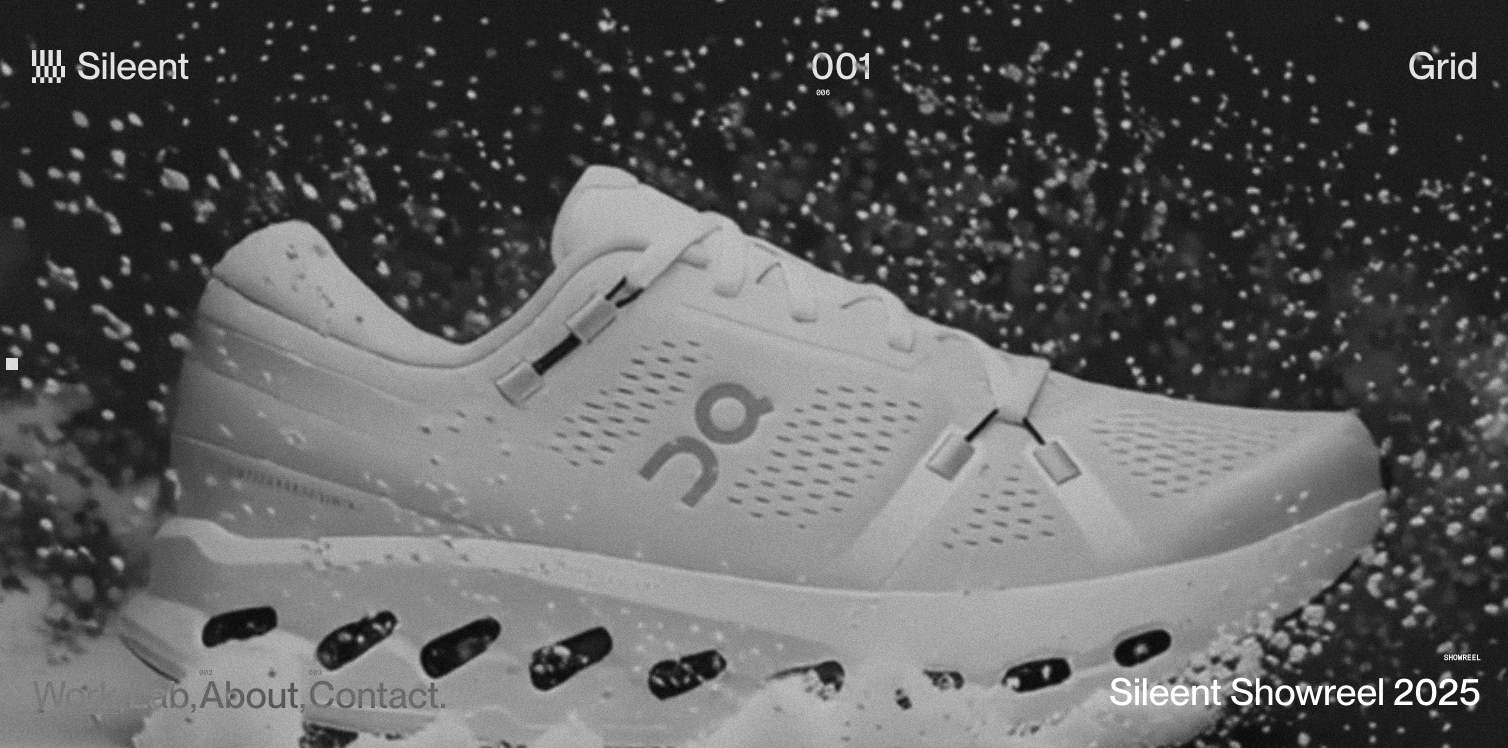
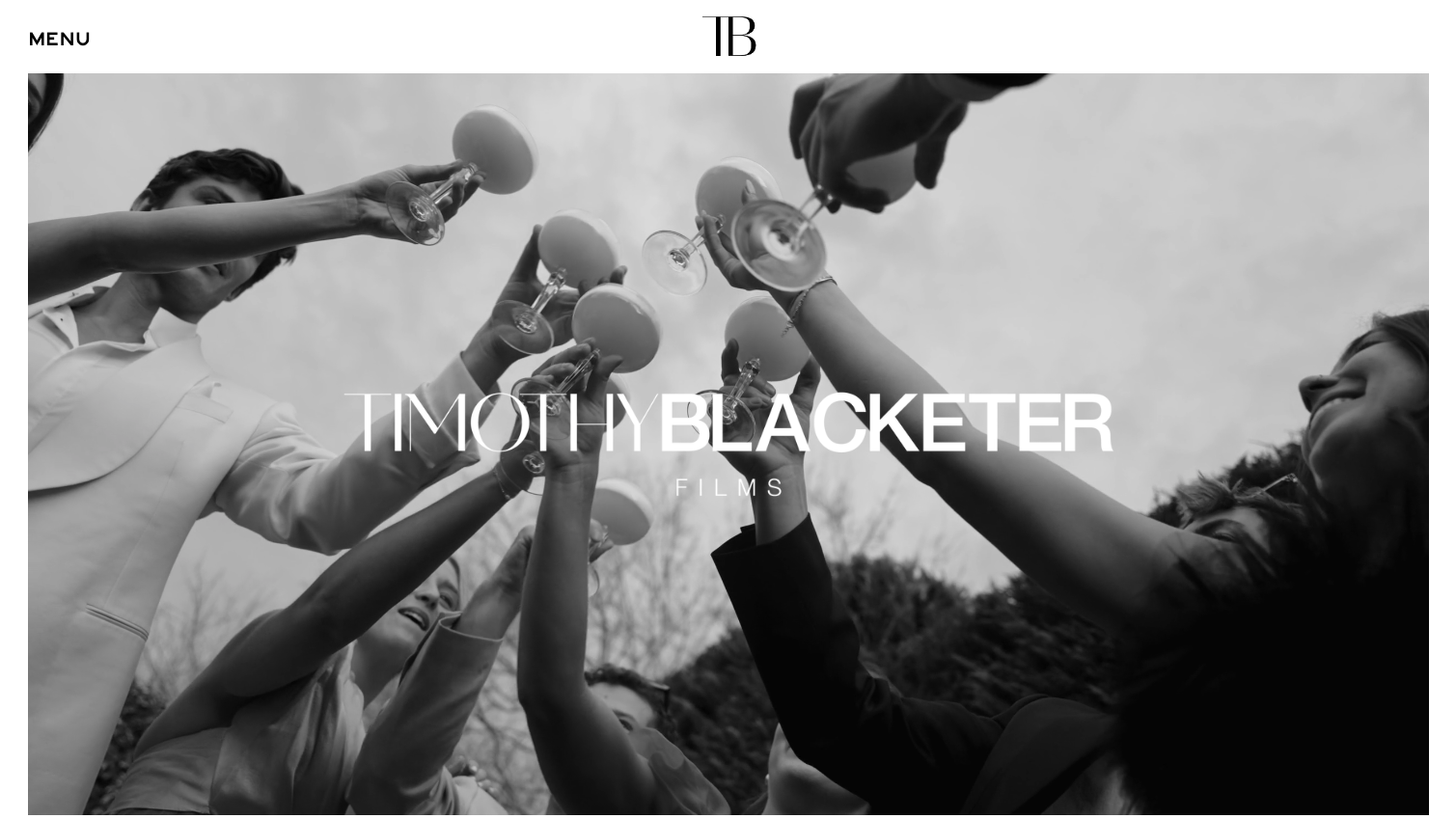
For example, a hero image placed above a headline creates mood before meaning. A contextual image placed after a key statement allows the message to settle visually. A sequence of images placed between sections can create a sense of progression or transformation.
This approach mirrors editorial design. In magazines, images are carefully positioned to control pacing. They are not scattered randomly. The same principle applies digitally. When images are placed with narrative intent, the website feels authored rather than assembled.
Narrative driven image placement also builds emotional continuity. Users feel guided through a story instead of scrolling through disconnected sections.
The relationship between image placement and perceived quality
Perceived quality is shaped by restraint and alignment. Image placement for websites contributes heavily to whether a site feels composed or chaotic.
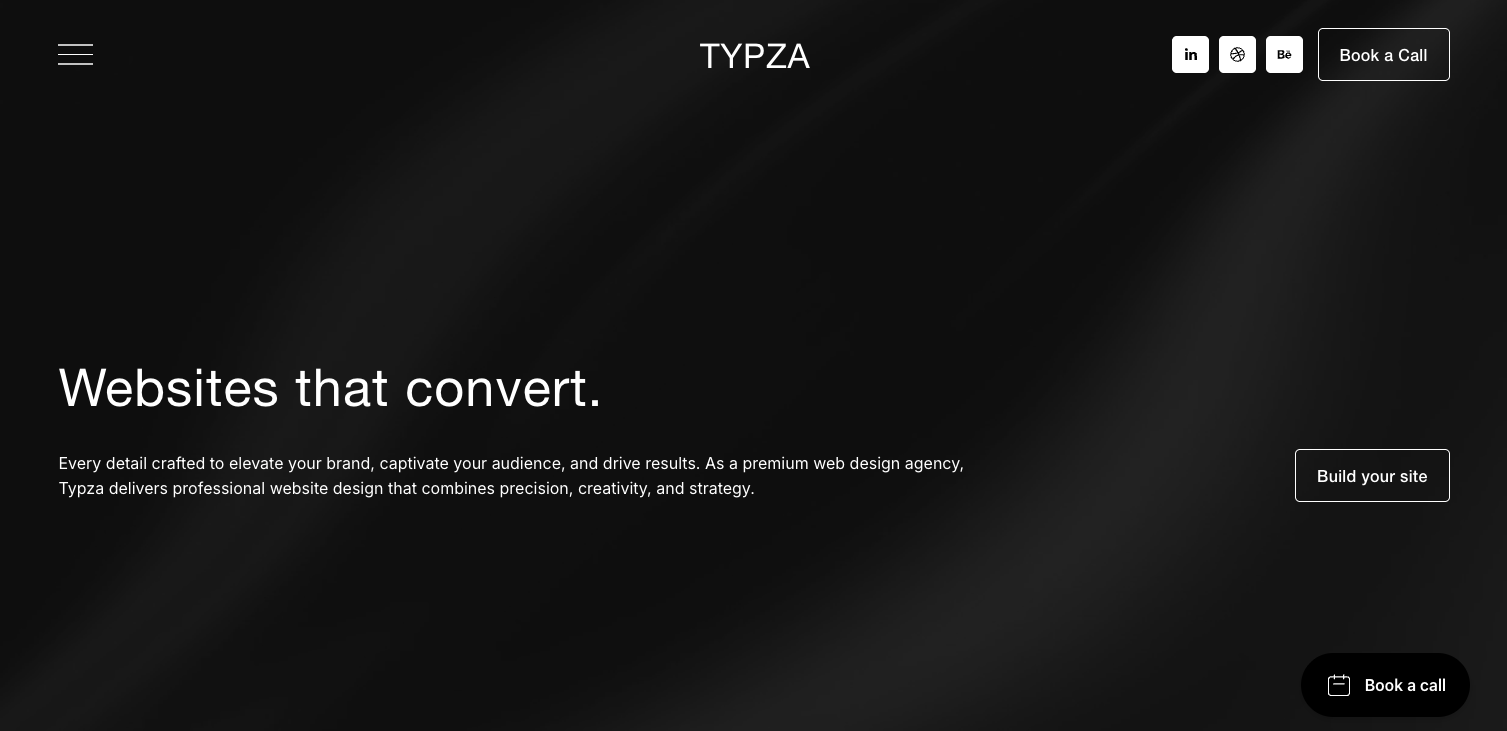
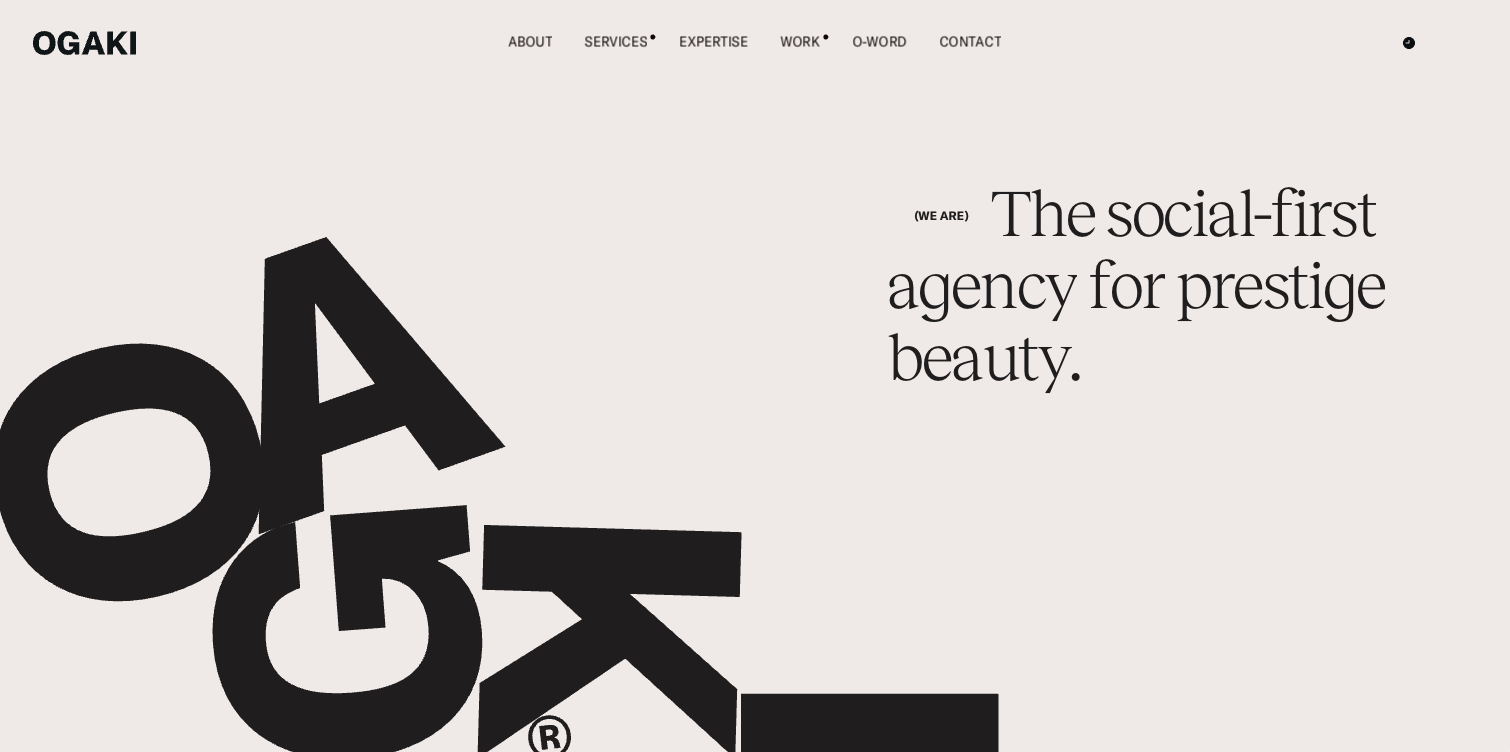
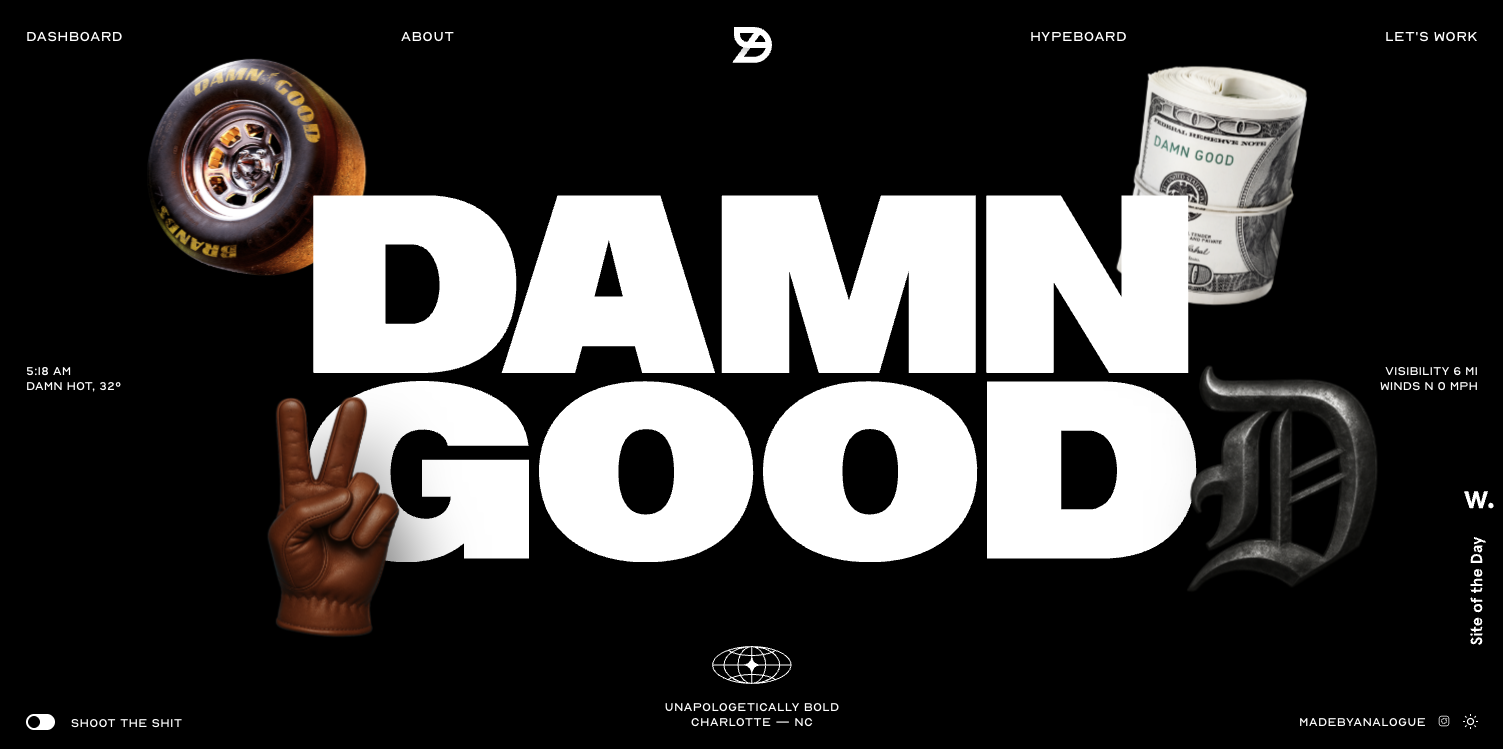
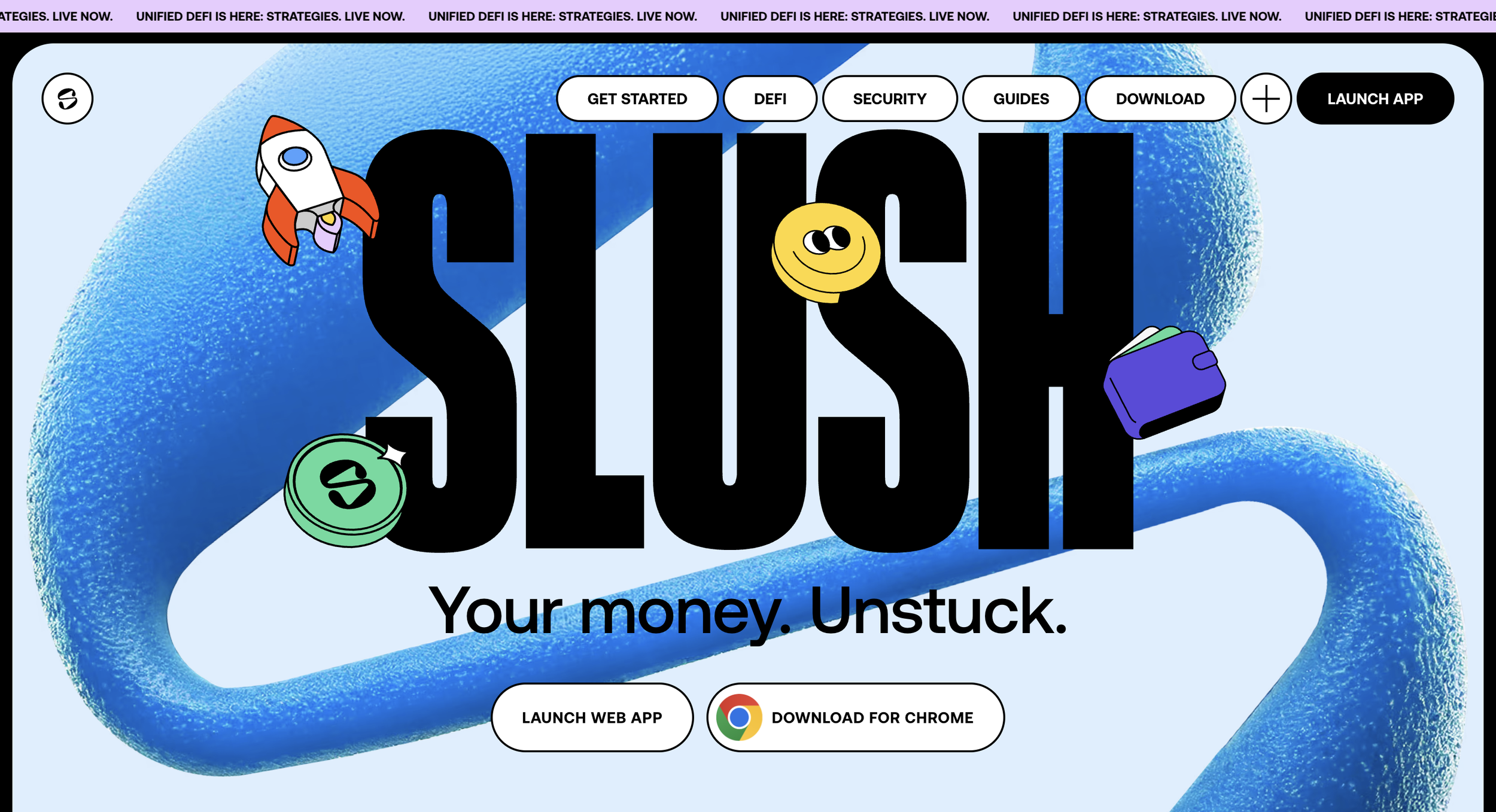
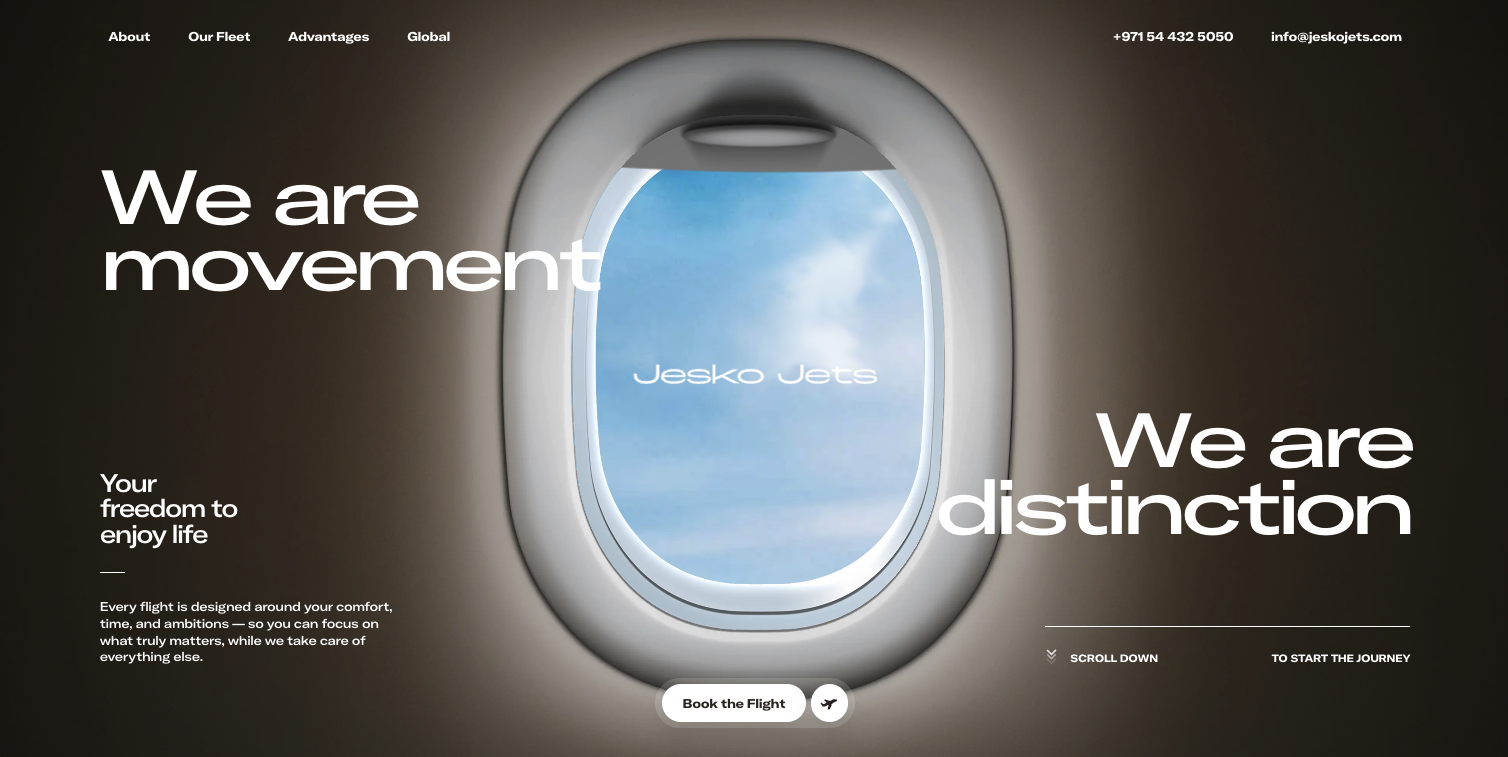
Centered images with generous spacing communicate calm and confidence. Edge aligned images feel modern and intentional. Overlapping images can create depth when used sparingly. Random placements create visual noise.
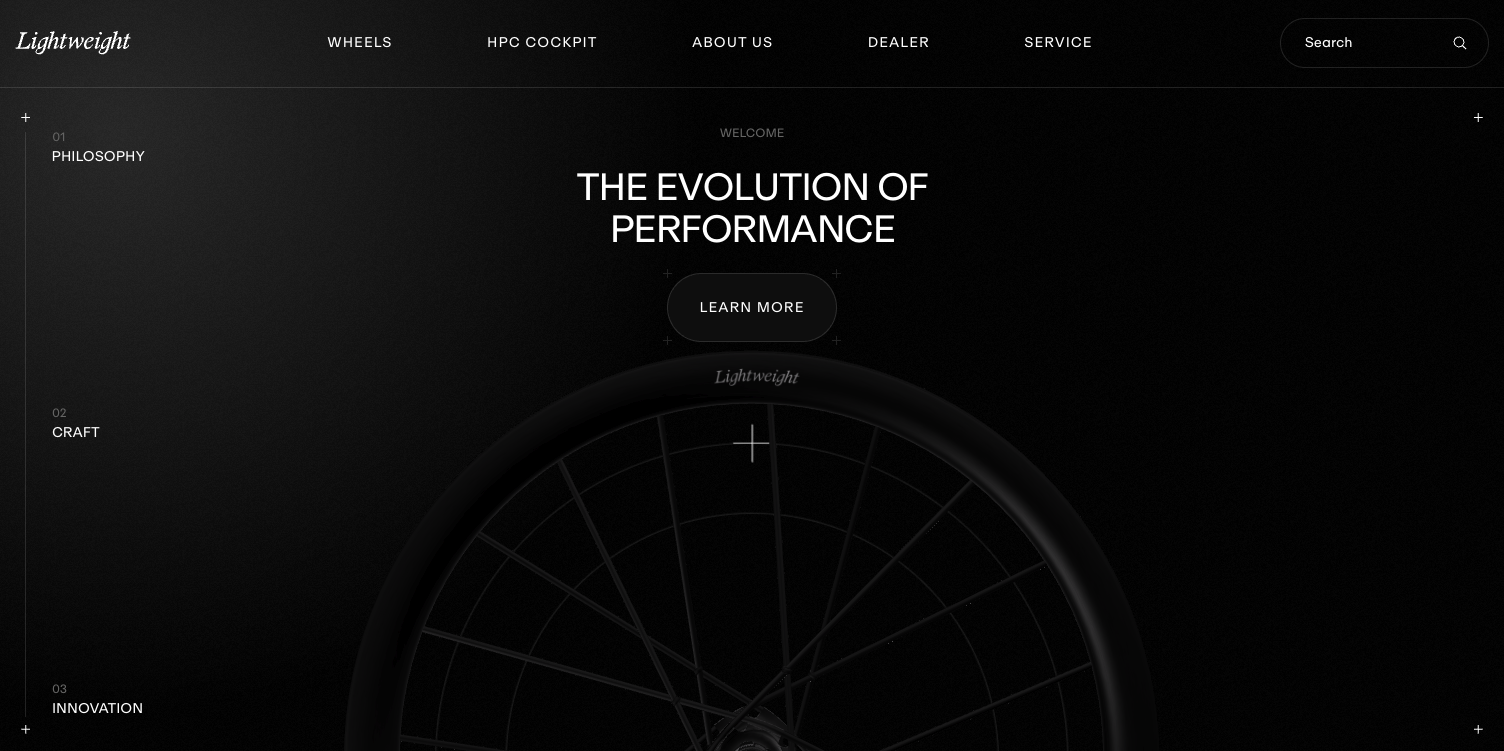
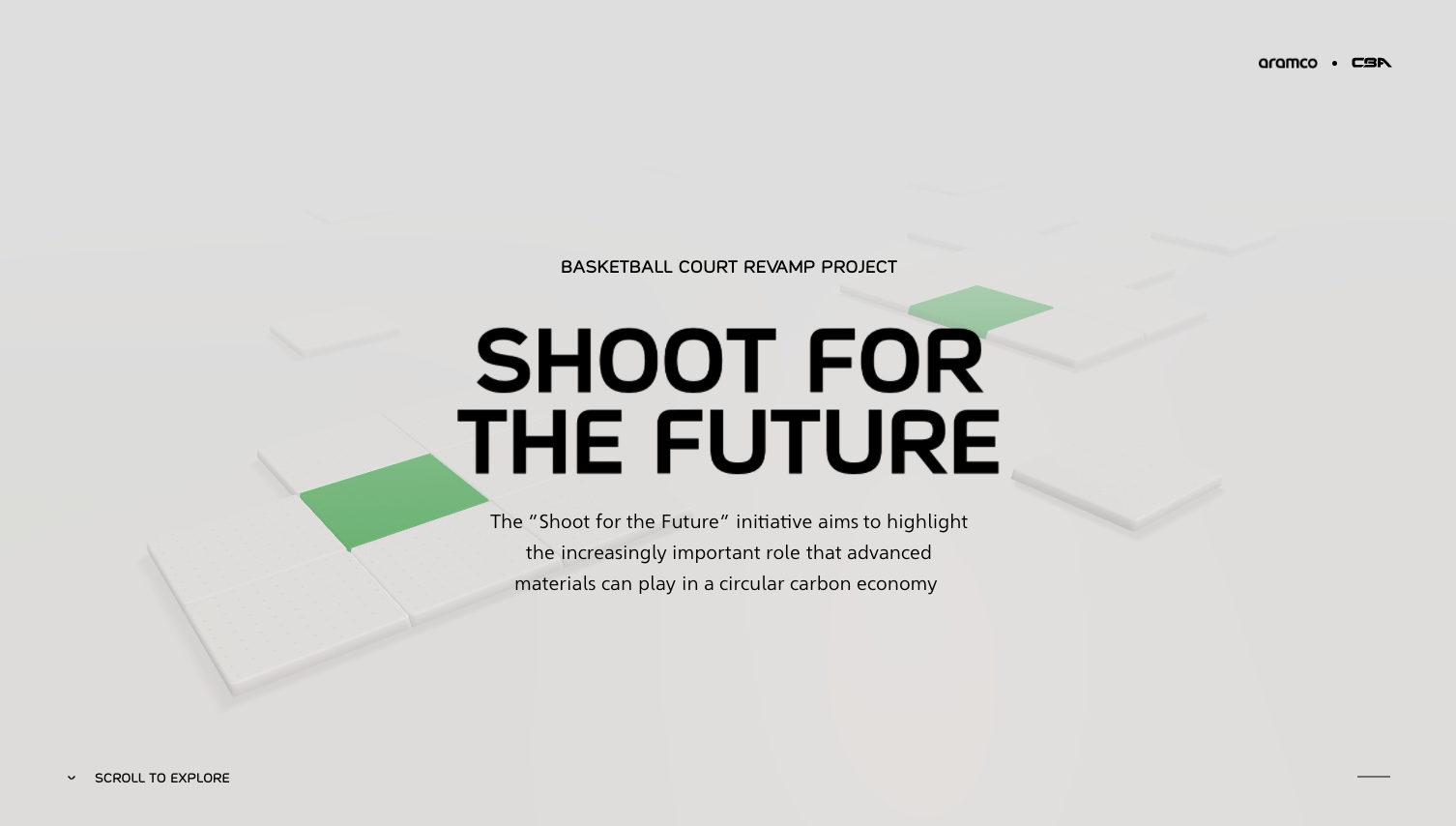
Users often associate spacious layouts with higher quality experiences. This is not about minimalism alone. It is about balance. When images have room to breathe, they feel valuable. When they are compressed, they feel disposable.
Perceived quality also comes from consistency. When image placement follows a clear system across pages, the experience feels reliable. Inconsistency signals lack of direction.
Modern image placement patterns shaping contemporary websites
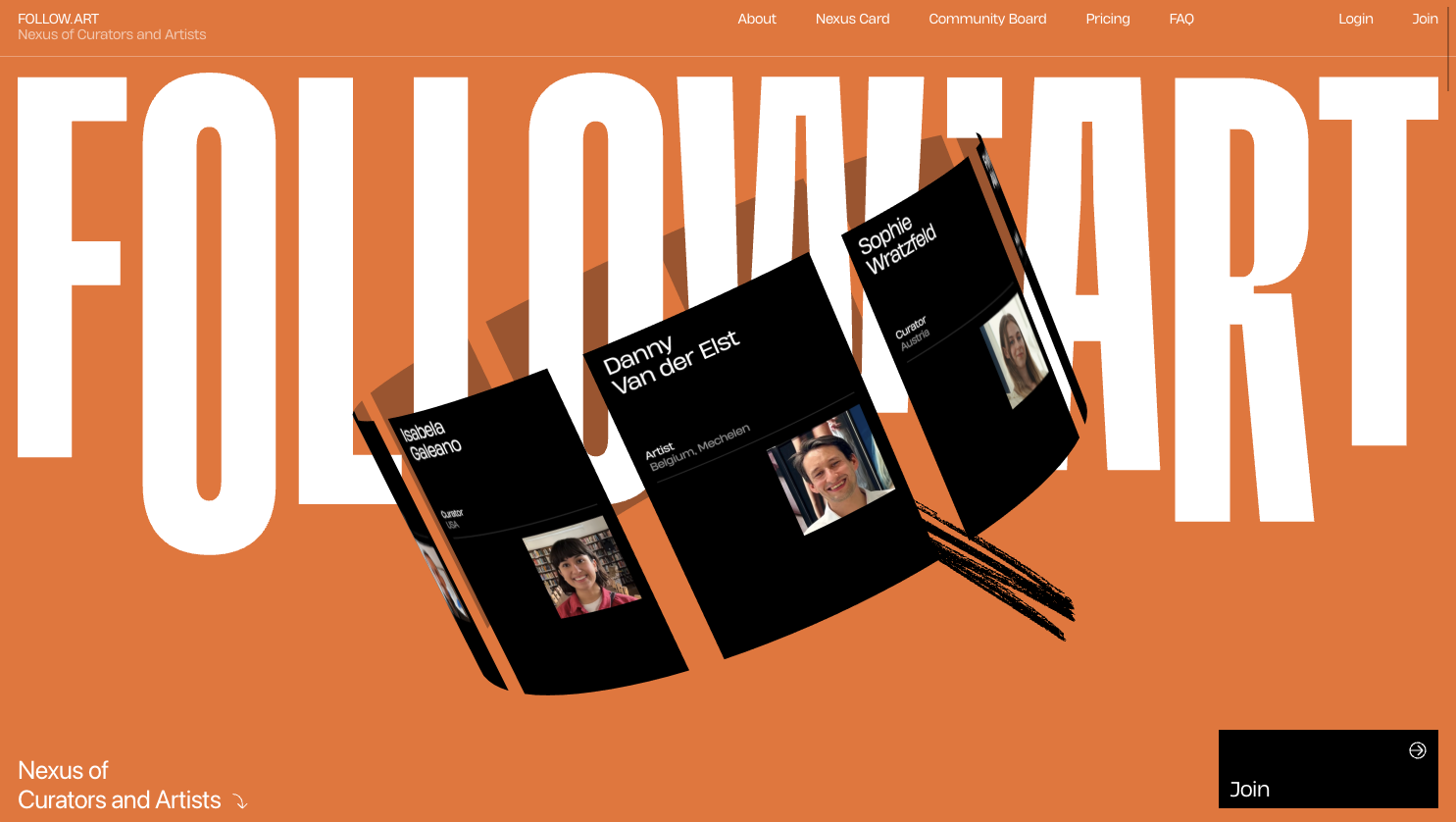
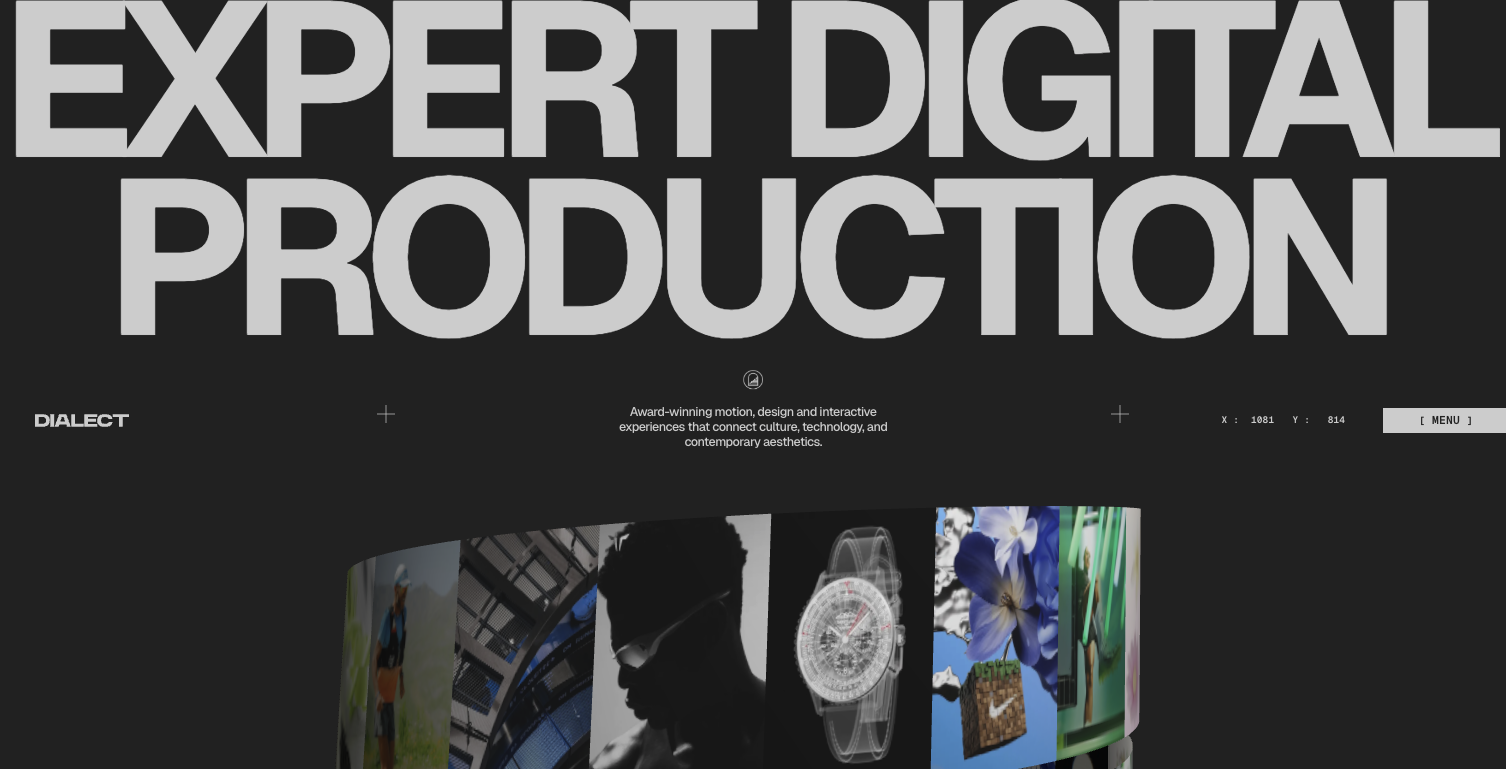
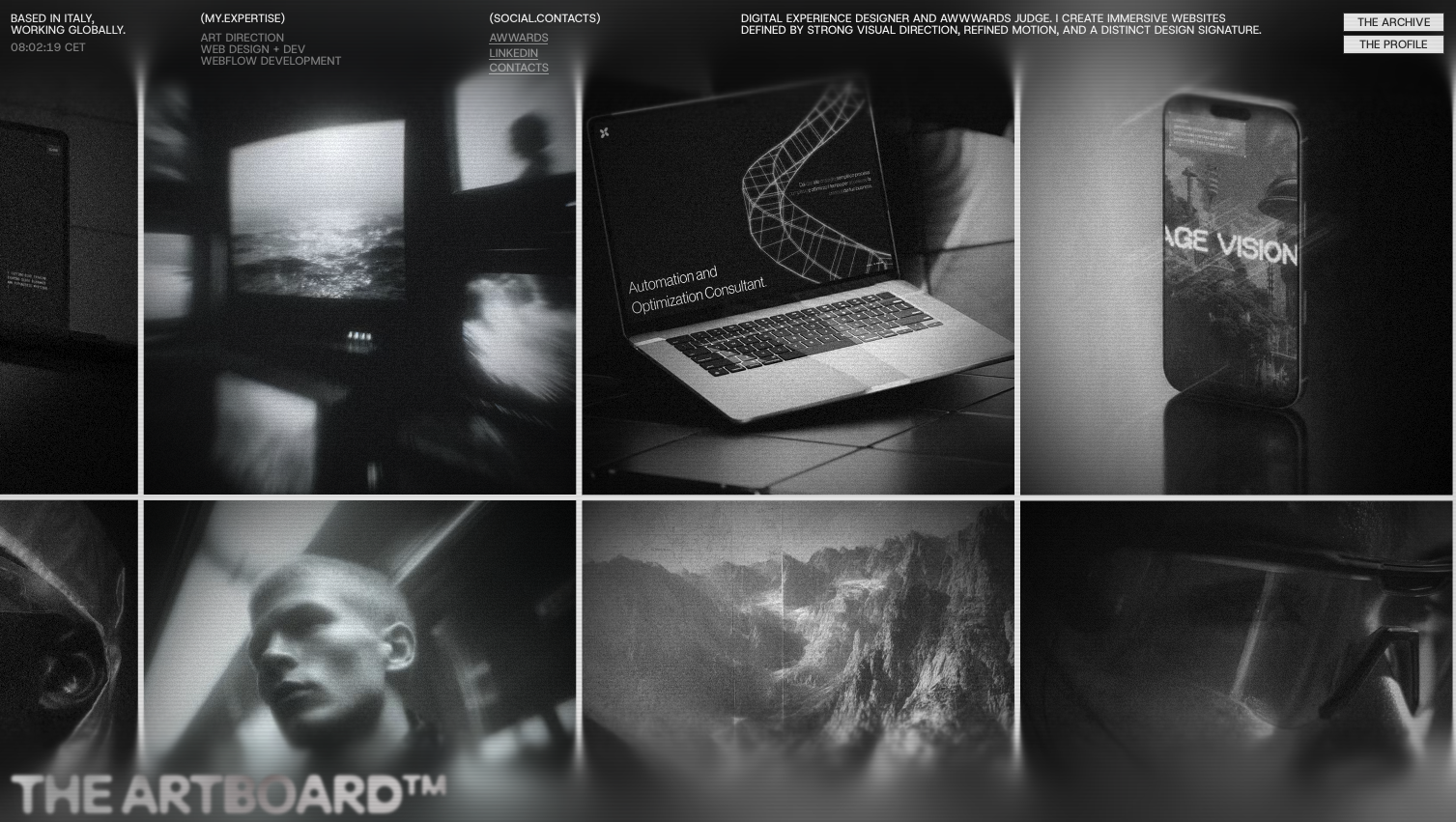
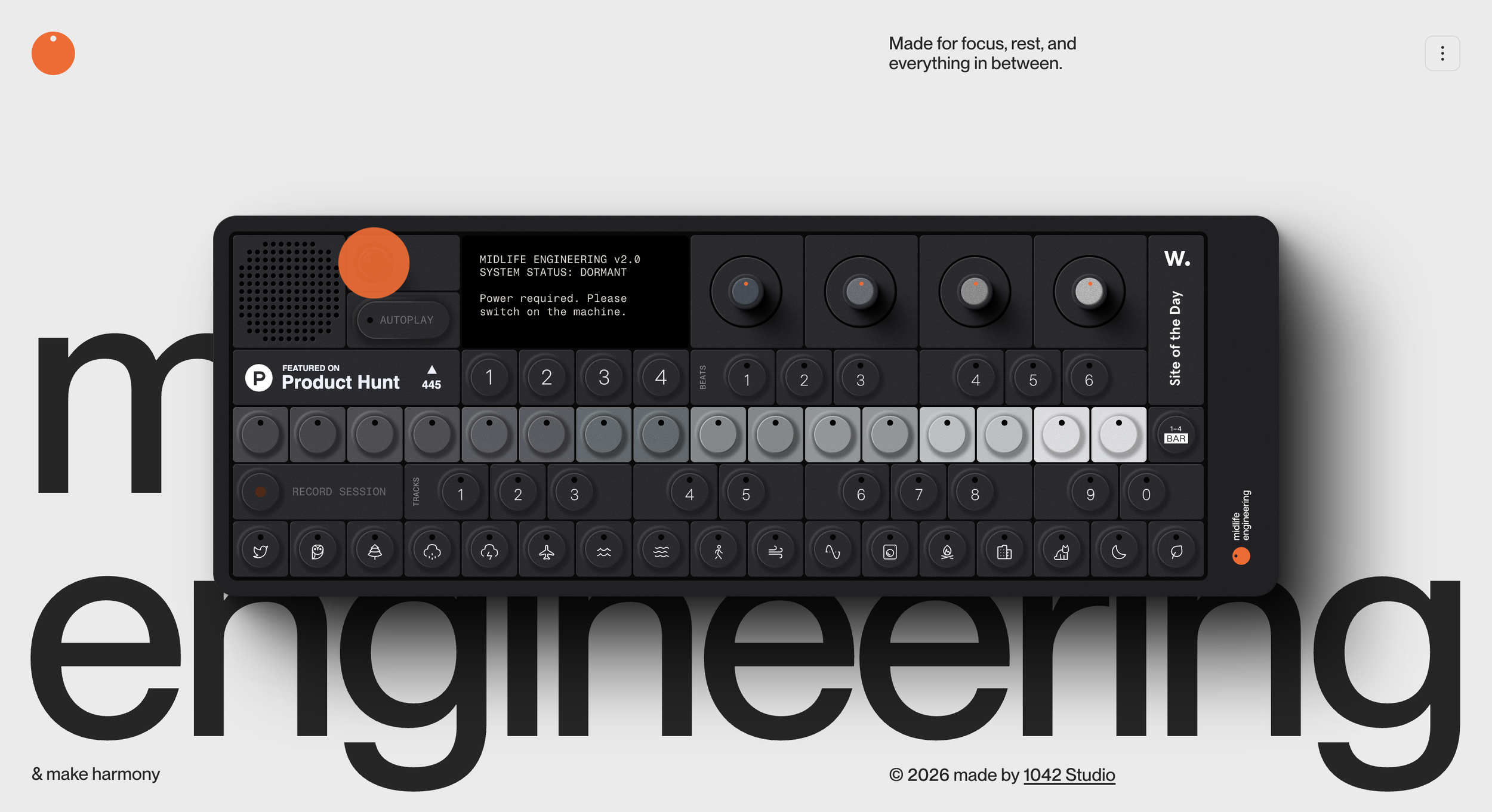
In recent years, image placement for websites has evolved away from rigid grids toward more fluid, editorial inspired layouts. Images are often used asymmetrically, but still within a structured framework. This balance between freedom and control creates visual interest without sacrificing clarity.
Full width images are commonly used to establish mood. Framed images are used to support detailed content. Cropped images create intimacy. Wide images create openness. Each choice affects how the brand is perceived.
What defines modern placement is intention. Images are chosen and positioned based on what the user should feel at that moment in the experience. This is why the same image can feel powerful in one layout and forgettable in another.
How image placement pre qualifies the right audience
Image placement for websites does more than support aesthetics. It signals who the website is for. Thoughtful placement communicates care, patience, and attention to detail. These qualities resonate with users who value considered experiences.
Users who are drawn to this kind of layout tend to spend more time engaging. They scroll more slowly. They read more deeply. They respond positively to subtlety. This creates a natural filtering effect.
Conversely, users looking for speed or volume may disengage early. This is not a failure. It is alignment. The layout has communicated expectations without a single word.
Conclusion
Image placement for websites is one of the most powerful tools in modern web design, yet it is often underestimated. Images shape first impressions, guide attention, and influence emotional response. Their placement determines whether a website feels intentional or accidental.
When images are treated as part of the structure rather than decoration, the entire experience elevates. The layout gains rhythm. The content gains clarity. The brand gains presence.
Thoughtful image placement reflects confidence. It shows that every decision has been made with purpose. In a digital landscape filled with noise, this level of intention is what makes a website feel distinct, composed, and worth remembering.
Start your project
Start your project with a free discovery call and see how we can bring your vision to life.
Don’t miss these