How a private healthcare website should communicate the patient experience that converts
A private healthcare website that communicates the patient experience specifically, in concrete and human detail, is what tips hesitant patients into committing. The visitor weighing whether private hospital treatment is worth the investment is not going to be converted by clinical outcome data alone. They need to picture the consultation, the room, the people, and the recovery before they commit. This article explains how to write and structure that experience into your site.

Why private patient experience communication is the conversion tool that clinical data cannot replace
A private healthcare lead generation website that consistently converts hesitant patients into treatment enquiries understands that the hesitant patient's primary concern is not primarily clinical. They are not on the fence about whether private treatment produces better clinical outcomes than NHS treatment. They are on the fence about whether the total private experience, the personal attention, the physical environment, the consultant access, the administrative ease, and the quality of the human relationships throughout the treatment journey, is worth the significant financial investment relative to the NHS pathway. The clinical quality data that the website provides is the evidence that addresses the rational dimension of this evaluation. The patient experience communication is the evidence that addresses the experiential dimension, and for the truly hesitant patient, the experiential dimension is often the one that tips the decision.
The patient who is considering private hospital treatment for the first time is typically forming their picture of what the private experience will actually be like from whatever general assumptions about private healthcare they have accumulated through personal accounts from friends and family, through media representation, and through the limited direct evidence available on most private hospital websites. Most of this accumulated picture is either accurate but incomplete, not capturing the specific and tangible ways in which the private experience at this particular hospital is superior to both the NHS alternative and the generic private healthcare expectation, or inaccurate, overestimating the luxury dimension of private care while underestimating the clinical quality and the personal consultant relationship that represent the most commercially significant advantages for many patient types. The private healthcare lead generation website that provides specific, genuine, and detailed communication of the actual patient experience at this hospital, in terms that replace the hesitant patient's general assumptions with a specific and accurate picture, is the website that most effectively converts this patient's general interest in private care into the specific enquiry that begins their treatment journey.
A well-designed private healthcare website communicates the patient experience not as a marketing exercise that presents only the most impressive dimensions of the private stay, but as a genuine and specific account of what it is actually like to be a private patient at this hospital, from the first phone call to the discharge conversation. The private room that is genuinely as comfortable and as well-appointed as the photography suggests. The named consultant who is genuinely accessible by phone when the patient has a post-operative concern. The nursing team that genuinely has the capacity and the culture to provide the personal attention that the private care model promises. And the administrative coordination that genuinely makes the logistics of private treatment feel managed and supported rather than complex and effortful. This genuine communication of the actual private experience, rather than an aspirational presentation of what private healthcare should feel like, is the most commercially productive patient experience content available to any private hospital whose private service standards are genuinely consistent with the premium experience they are marketing.
The specific dimensions of private patient experience that most effectively convert hesitant patients
The hesitant patient's decision to commit to private hospital treatment is most effectively converted by the communication of the specific dimensions of the private experience that most directly contrast with the specific frustrations of the NHS pathway they are motivated to escape. For the patient who is most frustrated by the NHS's lack of continuity of care and the experience of seeing a different doctor at each appointment, the named consultant relationship that private treatment provides is the most persuasive experiential advantage. For the patient who is most frustrated by the institutional environment of NHS inpatient care and the absence of privacy, the specific private room that private treatment guarantees is the most persuasive experiential advantage. For the patient who is most frustrated by the administrative complexity and the waiting involved in navigating the NHS pathway, the concierge coordination of private treatment is the most persuasive experiential advantage. The private healthcare lead generation website that identifies which of these specific experiential advantages is most relevant to each specific patient type it is trying to attract, and that communicates that specific advantage most specifically and most compellingly on the page that each patient type is most likely to arrive on, will convert hesitant patients at a higher rate than the website that provides a generic overview of the private patient experience without calibrating its communication to the specific experiential concerns of different patient types.
The named consultant relationship is the experiential advantage that most powerfully converts the NHS patient whose primary frustration is the impersonal and discontinuous nature of NHS specialist care. The communication of this advantage is most commercially effective when it is specific rather than general: not "you will have access to your own consultant throughout your care" but "Mr Harrison will be personally available to you by mobile throughout your post-operative recovery. Most of our patients find it reassuring to be able to speak to the surgeon who performed their procedure when they have concerns during the first weeks at home, rather than speaking to whichever doctor happens to be on call." This specific communication, with the consultant named and the specific nature of the access described in terms that contrast directly with the NHS alternative, creates the specific experiential vision that converts the hesitant patient who is most motivated by continuity and personal access.
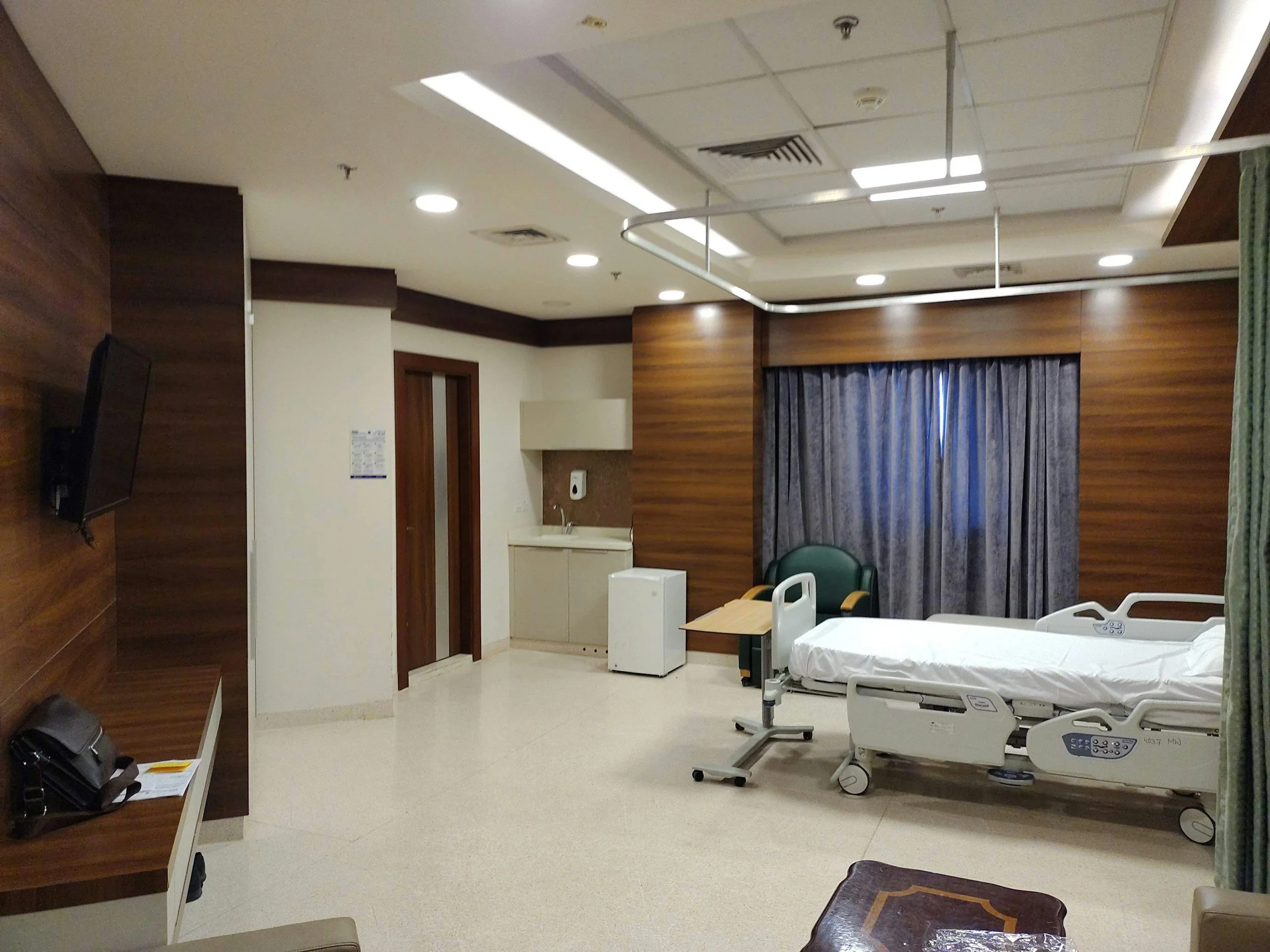
The private room experience is the single most visually communicable advantage of private hospital care, and the private healthcare lead generation website that invests in genuinely high-quality photography of its actual private rooms is providing the specific visual evidence of experiential superiority that converts the patient who is most motivated by the physical environment and privacy of their inpatient stay. The photograph of the actual room, showing the specific furnishings, the natural light from the window, the private bathroom, the television and entertainment system, and the hotel-quality bed linen, is providing a more commercially effective argument for the private option than any copy description of room quality, because it allows the hesitant patient to visualise themselves in the specific environment they will occupy and to assess directly whether the environmental quality justifies the premium cost. The hospital that supplements this visual evidence with a virtual room tour or a patient testimonial that specifically describes the experience of being in this room during their recovery period, is providing the most compelling and the most specifically evidence-based experiential argument for the private option available on any private hospital website.
The administrative coordination that private hospitals provide through their private patient coordinator or concierge services is an experiential advantage that is particularly persuasive for the patient whose primary frustration with the NHS pathway is the administrative complexity and the time and effort required to navigate it. The hospital whose website specifically describes the role of the private patient coordinator, names the individual who manages the coordination for patients in specific specialties, and explains specifically what that coordination includes, from scheduling all appointments and investigations to managing the insurance liaison to handling the discharge planning and post-discharge follow-up, is communicating the specific administrative relief that private care provides in terms that the most administratively burdened prospective patient will find immediately and personally compelling. This specific coordination communication is the patient experience content that most directly converts the patient who has been deterred from pursuing private care not by the cost but by the perceived complexity of navigating a private healthcare pathway without the administrative support of a GP referral system.
Patient journey content that makes the private experience feel concrete and achievable
The private healthcare lead generation website that most effectively converts the hesitant patient into a treatment enquiry is one that makes the private treatment journey feel concrete and achievable rather than abstract and daunting. The hesitant patient who has never been through private hospital treatment before is forming their picture of what the journey will involve from assumptions and generalities rather than from specific knowledge of the process, and these assumptions often overestimate the complexity, the disruption, and the formality of private treatment while underestimating the specific support and ease that a well-organised private hospital provides throughout the patient's journey. The patient journey content that replaces these inaccurate assumptions with a specific and accurate picture of what private treatment at this hospital actually involves is the content that most effectively removes the assumption-based barriers to the hesitant patient's commitment.
A detailed and specific "your private patient journey" section or page, walking the prospective patient through every stage of the private treatment process from the initial enquiry through the first consultation, the investigation and diagnosis phase, the procedure scheduling, the inpatient admission, the surgery or treatment, the post-operative care, and the discharge and follow-up, provides the comprehensive process map that replaces the hesitant patient's uncertain assumptions with a specific and manageable picture of what they are committing to when they make a treatment enquiry. Each stage of this journey description should be as specific and as personally resonant as possible: not "you will be admitted to the hospital on the morning of your procedure" but "your private patient coordinator will call you the day before your procedure to confirm your admission time and to answer any remaining questions. You will be met at reception by a member of the private patient team who will take you directly to your room to get settled before the pre-operative preparations begin."
The testimonials that are most commercially effective for patient journey communication are those that describe the patient's experience of the private treatment journey in specific and chronological terms rather than providing a general positive assessment of the hospital's care quality. A patient testimonial that describes the specific experience of making the first enquiry and receiving a call back within the hour, the first consultation at which the consultant took forty-five minutes to explain the full picture of their condition and their options, the ease of the investigation scheduling, the admission experience, the specific quality of the room and the nursing care, and the follow-up appointment that confirmed their recovery was on track, is providing the most commercially effective peer-level journey communication available because it addresses the specific and sequential concerns of the prospective patient who is trying to decide whether the entire private experience, not merely the clinical outcome, is worth the investment.
The video patient journey content that the most commercially ambitious private healthcare lead generation websites feature is the highest-impact format for patient experience communication, because it allows the prospective patient to hear the account of the private treatment journey in the voice and with the emotional presence of the person who lived it, which creates a quality of experiential conviction that written accounts or photography cannot replicate. A video in which a patient walks through their private treatment journey from the first consultant appointment through their recovery at home, speaking honestly and specifically about each stage of the experience, is providing the most personally persuasive and the most experientially specific argument for the private option that the hospital's communication assets can contain. The hospital that invests in producing this content with genuine patients who are willing and able to share their experience authentically is making the most commercially productive investment available in the full scope of its private patient experience communication.
Patient experience content that is specific and chronological converts the hesitant patient that clinical claims cannot reach.
We build private healthcare lead generation websites that communicate the patient experience in ways that convert.
Communicating dining, amenities, and lifestyle dimensions that justify the premium
The dining and amenity standards of private hospital care are specific and tangible dimensions of the private experience that many private hospital websites communicate inadequately, either by limiting themselves to a brief mention of "restaurant-quality dining" without specific detail, or by relegating the amenity information to a section of the website that is difficult to find and that does not feature prominently in the patient's evaluation journey. For the hesitant patient who is evaluating whether the total private experience justifies its cost, the specific knowledge that the hospital's menu is designed by a named chef, that meal times are flexible to the patient's schedule rather than fixed by hospital administrative convenience, that dietary requirements and personal preferences are accommodated through a daily ordering process rather than a standard menu, and that the dining experience includes a wine list for patients whose recovery permits it, is the specific and tangible evidence of the lifestyle quality of private care that the NHS alternative cannot match and that the premium pricing commands.
The visiting arrangement communication that private hospitals provide for their patients' family members and friends is a specific and commercially significant patient experience advantage for the hesitant patient whose NHS experience or expectations include the restrictive visiting hours and the uncomfortable ward environment that make inpatient stays isolating and stressful for both patients and their families. The private hospital that communicates specifically that family members and close friends are welcome to visit at any time during the patient's waking hours, that there is a comfortable sitting area in each private room where family can join the patient for meals, and that overnight stays for a partner or close family member can be accommodated in certain circumstances, is providing a specific and personally resonant quality of experiential advantage that addresses one of the most commonly expressed concerns about inpatient hospital stays: the isolation of being separated from family support during a period of physical vulnerability and medical uncertainty.
The entertainment and connectivity infrastructure that private hospital rooms provide is a specific and increasingly significant dimension of the patient experience that younger and more digitally connected private patients specifically value and that the hospital that communicates it specifically will find persuasive for this patient demographic. High-speed wifi, smart television, and the ability to maintain professional connectivity and personal communication throughout an inpatient stay, are specific and tangible advantages that most NHS inpatient environments cannot match and that the private patient who is concerned about the disruption that an inpatient stay will cause to their professional and personal life will find meaningfully reassuring. The hospital that communicates these specific connectivity and entertainment provisions on its website, ideally with specific detail about the speeds, the streaming service access, and the device connectivity options available, is providing the specific and practically relevant lifestyle information that converts the concern about disruption into the confident recognition that the private experience has been specifically designed to minimise it.
The post-discharge experience communication that describes the specific support available to private patients after they leave the hospital, including the named consultant's direct availability, the structured follow-up appointment schedule, the physiotherapy or rehabilitation support where relevant, and the private patient coordinator's continued availability for any administrative or logistical concerns, addresses the specific anxiety that many hesitant patients carry about being discharged from private care and losing the personal support network that the inpatient stay provides. The hospital that communicates this post-discharge support specifically and warmly, making it clear that the premium private patient relationship does not end at the point of discharge but continues for as long as clinically and supportively appropriate, is providing the reassurance about continuity of personal support that is a specific and commercially significant patient experience advantage over both the NHS pathway and the less personally managed private hospital alternatives.
The private patient coordinator as the experiential differentiator that the website must feature prominently
The private patient coordinator or patient liaison role is the single most operationally significant differentiator of the private hospital experience from the NHS pathway, and it is the role that is most consistently underrepresented on private hospital websites relative to its commercial significance in the patient's evaluation of the private option. The patient who is considering private hospital treatment for the first time, who is concerned about the administrative complexity of navigating private insurance, scheduling multiple specialist appointments, coordinating investigation and procedure dates, and managing the logistical dimensions of an inpatient stay alongside the pressures of their professional and personal life, is the patient who will find the specific communication of the private patient coordinator role most directly and most personally persuasive as the argument for private care that removes the administrative barrier to commitment.
The most commercially effective communication of the private patient coordinator role on a private healthcare lead generation website names the specific coordinator, includes their photograph and a brief personal introduction, describes the specific scope of their coordination responsibilities from first enquiry to post-discharge follow-up, and provides a direct contact mechanism that allows the prospective patient to initiate contact with the coordinator specifically rather than with the general hospital enquiry system. This specific and personalised communication of the coordinator role transforms the abstract concept of "dedicated patient liaison support" into a specific named individual whose specific role the patient can understand and whose specific availability they can rely upon throughout their treatment journey. The commercial effect of this specific personalisation is a meaningful improvement in the enquiry conversion rate from hesitant patients whose primary barrier to commitment is the perceived complexity of the private treatment journey, because the specific named coordinator removes the complexity barrier by making the management of that journey a clearly defined and personally committed responsibility.
A named coordinator with a clear role converts the hesitant patient who is deterred by administrative complexity.
We build private healthcare lead generation websites that communicate the patient experience in the specific terms that convert.
Building the patient experience page as a standalone conversion asset
The private patient experience page is the most commercially underinvested page on most private hospital websites, and investing in developing it to the standard of a genuine standalone conversion asset produces a disproportionately significant improvement in the enquiry conversion rate from hesitant patients, because it is the page that most directly addresses the specific experiential dimension of the private treatment decision that the clinical and financial pages cannot address. A comprehensive patient experience page that features genuine photography of each dimension of the private experience, specific and chronological patient journey narrative content, named coordinator introductions, dining and amenity information with specific detail, visiting and family support information, and patient testimonials that speak specifically to the experience quality rather than only to the clinical outcome, is providing the most complete and the most personally compelling answer to the hesitant patient's core question: what will it actually be like to be a private patient at this hospital?
The specific architecture of the private patient experience page should reflect the natural sequence of the hesitant patient's experiential concerns, addressing each concern in the order that the patient is most likely to be carrying it at the point of visiting the page. The first concern is typically about the physical environment and the comfort of the inpatient stay, which the room photography and amenity description address. The second is about the personal attention and the consultant relationship, which the coordinator introduction and the named consultant availability description address. The third is about the logistics and the administrative ease, which the patient journey narrative addresses. And the fourth is about the post-discharge experience and the continuity of support, which the follow-up service description addresses. Each section of the page addresses the next experiential concern in this natural sequence, creating a page experience that feels responsive to the patient's actual concerns rather than organised around the hospital's institutional structure or the marketing team's communication priorities.
The patient testimonials that are deployed on the private patient experience page should be specifically selected for their relevance to the experiential concerns the page is addressing rather than for their general positivity about the hospital's care. A testimonial from a patient who describes the specific experience of the first night in their private room, the quality of the food, the ease of contacting their consultant, and the specific kindness of the nursing team, is providing the most commercially relevant peer-level social proof for the patient who is evaluating the page's claims about the quality of the private experience. A general testimonial that praises the hospital's clinical care without specific reference to the experiential dimensions of the inpatient stay is less commercially effective on this specific page, because it does not address the specific concern that the experience page is designed to resolve. The precision of testimonial selection and placement on the private patient experience page is as important as the precision of trust signal placement on the procedure and consultant profile pages, because both are deployments of social proof at the specific point in the patient's evaluation where that proof is most commercially decisive.
The call to action at the end of the private patient experience page should be calibrated to the specific state of the patient who has read the page and has had their experiential concerns substantially addressed: a patient who is close to making the commitment to private treatment and who needs a specific and low-friction next step to convert their developed positive impression into an actual enquiry. "Talk to our private patient team about your treatment options" is more commercially effective than "contact us" because it names the specific person the patient will speak to, the specific subject of the conversation they will have, and implies the personal and accommodating nature of the service they will receive. "Find out whether private treatment is right for your situation" is more commercially effective than "book a consultation" because it frames the first contact as an information-gathering step rather than a commitment, which is the framing that most effectively converts the patient who is at the point of final consideration rather than at the point of definitive decision.
Sustaining the patient experience communication as the private service evolves
The private patient experience communication on a private healthcare lead generation website requires ongoing maintenance as the hospital's private service standards evolve, as new amenities or service dimensions are added, as the private patient coordinator team changes, and as the patient testimonial library grows with new specific accounts of the experience that serve the most commercially valuable patient types. A patient experience page that was accurate and compelling at the time of its initial creation but that has not been updated to reflect changes in the hospital's amenity provision, its private patient team composition, or its patient journey process, is providing prospective patients with information that may be inaccurate and that risks creating the specific trust damage that follows when the actual experience fails to match the expectations created by the website's communication of it.
The most commercially productive maintenance activity for the private patient experience page is the ongoing collection and addition of specific patient testimonials that address the most commercially significant experiential dimensions of the private hospital stay. Each new patient testimonial that speaks specifically to the quality of the private room, the accessibility of the consultant, the ease of the administrative coordination, or the quality of the dining experience, adds a specific piece of peer-level social proof that strengthens the commercial effectiveness of the experience page for the patient type whose specific concern that testimonial addresses. Making the collection of experience-specific testimonials a systematic part of the hospital's post-discharge patient communication, with a specifically designed invitation that encourages patients to describe the specific dimensions of their experience rather than providing a generic positive assessment, is the content maintenance activity with the most direct and most immediately measurable impact on the patient experience page's conversion rate.
The competitive monitoring of the private patient experience communication on competing private hospital websites is the intelligence activity that ensures the subject hospital's experience page remains a genuine commercial differentiator rather than a standard feature that provides no advantage over competing hospitals that have invested in equivalent quality of patient experience communication. A competing hospital that has recently launched a genuinely excellent patient experience video series, or that has added a detailed virtual room tour to its website, or that has significantly improved the specificity and the personal warmth of its private patient coordinator introductions, has raised the standard of patient experience communication in the shared patient market and requires a specific response from the hospital that wants to maintain its own experiential communication advantage in the hesitant patient's evaluation of their private treatment options.
The long-term compounding of the patient experience communication investment reflects the specific commercial characteristic of the hesitant patient acquisition channel: these patients take longer to convert than the motivated self-pay patient who has already decided to proceed with private treatment, but they are larger in number and represent a more durable commercial pipeline because the experiential conviction that converts them to private treatment is likely to make them the most loyal, the most satisfied, and the most actively referring private patients in the hospital's patient population. The patient who was converted to private treatment by a specific and genuine patient experience communication, who arrived at the inpatient stay with accurate expectations of the quality and personal attention they would receive, and who found that the actual experience matched or exceeded those expectations, is the patient whose post-treatment testimonial will be the most specific, the most enthusiastic, and the most commercially valuable for the next generation of hesitant patients who are evaluating whether the private experience is worth the investment.
Patient experience communication maintained and expanded over time converts an increasing proportion of hesitant patients every year.
We build and maintain private healthcare lead generation websites where patient experience communication is the conversion engine.
Building the private patient experience communication that converts hesitant patients consistently
A private healthcare lead generation website that consistently converts hesitant patients into treatment enquiries is one that communicates the private patient experience with the specific detail, the genuine authenticity, and the sequential structure that addresses the specific experiential concerns of the hesitant patient at each stage of their evaluation. The physical environment is communicated through genuine, high-quality photography of the actual rooms and facilities the patient will use. The personal consultant relationship is communicated through named consultant profiles with specific availability information and patient testimonials that speak to the quality of the personal access. The administrative ease is communicated through named coordinator introductions with specific role descriptions that make the coordination service feel concrete and personally committed. The dining and amenity quality is communicated with the specific detail that replaces the generic "restaurant-quality" claim with a picture of the actual daily experience of the private inpatient stay. And the post-discharge continuity is communicated with the specific follow-up schedule and access provision that addresses the concern about being left without support after the initial clinical intervention.
The private hospitals that invest in building their patient experience communication to this specific standard consistently find that the proportion of hesitant first-time private patients who convert to treatment enquiries improves materially, because the specific and genuine experience communication replaces the inaccurate and often underestimated assumptions that most hesitant patients carry about the private experience with an accurate and compelling picture of the specific quality they will actually receive. These patients arrive at the initial consultation specifically expecting the private experience the website has described, which is both a conversion advantage, they have already committed to private treatment on the basis of the experience they have been shown, and a service advantage, their accurate expectations of the private experience make them the patients most likely to have a genuinely satisfying inpatient stay and to become the enthusiastic experiential advocates whose testimonials most effectively convert the next generation of hesitant patients.
For private hospitals whose current websites provide only a generic or minimal communication of the private patient experience, the improvement available from investing in the specific and detailed experience communication described in this article is among the most commercially significant available without changing anything about the private service standards the hospital already delivers. The experience already exists. The rooms are already impressive. The coordinator service is already excellent. The dining is already superior to anything available in an NHS inpatient environment. What is missing is the specific, genuine, and detailed website communication of these existing qualities that converts the hesitant patient from the uncertain assumption that private care might be worth the investment to the specific conviction that this private hospital's experience is exactly what their situation requires.
If you want a private healthcare lead generation website that communicates your private patient experience specifically enough to convert the hesitant patients who are currently evaluating your hospital and choosing a competitor whose website communicates more effectively, we can help. Take a look at our approach to private hospital website design and book a free call to discuss how better patient experience communication could transform your hesitant patient conversion rate.
Written by
Mikkel Calmann
See how we communicate the private patient experience in ways that convert hesitant patients.
See what genuinely compelling private patient experience communication looks like.
More web design insights for private hospitals