Why private hospital website design is not converting high-value patients into enquiries
A site that looks premium is not the same as private hospital website design that consistently converts high-value patients into treatment enquiries. Most hospitals have invested heavily in the first and quietly neglected the second. The result is a polished brand impression, decent traffic, and an enquiry rate that does not justify the marketing spend. This article explains the difference between the two and what to change to close the gap.
What private hospital website design actually needs to achieve
Private hospital website design that converts high-value patients into treatment enquiries is built around a different objective from design that simply communicates institutional quality. Most private hospital websites look credible. They have clean photography of modern facilities, lists of specialties and consultants, and a contact form somewhere on the site. What they rarely achieve is the specific conversion of the high-value patient who has arrived carrying a significant and often anxious decision: whether to commit to private treatment, which hospital to trust with their care, and whether the financial investment is justified by a genuinely superior outcome and experience. These are not simple questions, and the website that answers them specifically and compellingly will consistently generate more treatment enquiries than the website that settles for looking impressive while leaving these questions unanswered.
The patient who arrives on a private hospital website is not equivalent to a standard healthcare consumer making a low-stakes decision. They are typically facing a significant medical situation, a diagnostic finding that requires specialist attention, a deteriorating condition that cannot wait for an NHS pathway, or a quality of life issue that private care can address with a speed and a standard of care that justifies the expense. They are evaluating not merely whether this hospital is competent but whether it is superior, whether the investment is proportionate to the outcome it will produce, and whether they will receive the level of personal attention, clinical expertise, and service quality that private pricing implies. The website that communicates all of these things specifically and convincingly wins the enquiry. The website that provides generic reassurance of clinical excellence loses it to a competitor that communicates with more commercial intelligence.
Good private hospital website design starts from the patient's evaluation criteria rather than the hospital's marketing priorities. It makes the patient's clinical and experiential concerns the organising principle of every page. It provides the specific evidence of clinical quality that a self-paying patient or an insured patient choosing to exercise their right to consultant-led care demands. It communicates the premium patient experience clearly and specifically rather than implying it through photography alone. And it makes the pathway from research to enquiry as frictionless as possible for the high-value patient who has already decided to seek private care and is simply choosing between providers.
Institutional copy that fails to communicate premium value
The most consistent commercial failure of private hospital website copy is the use of language that sounds indistinguishable from an NHS trust website. Phrases like "delivering patient-centred care across a range of specialties" and "our multidisciplinary team is committed to excellence in clinical outcomes" are present on virtually every healthcare website in the country, private and NHS alike, and they communicate nothing specific about the quality, the experience, or the outcome advantage that justifies the significant additional cost of private treatment. When the copy reads identically to the NHS alternative, the prospective private patient has been given no specific commercial reason to choose private, and the conversion rate from visit to enquiry reflects this failure directly.
The copy that converts a high-value patient into a treatment enquiry speaks specifically to the comparative advantage of private care. It names the specific aspects of the private experience that the patient will not receive through an NHS pathway: the guaranteed same-week consultation with the consultant of their choice, the single en-suite room with hotel-level amenities throughout the stay, the direct mobile number for their named consultant, the rapid access to diagnostic imaging without waiting lists, and the post-treatment follow-up that continues until the patient is fully recovered rather than being discharged from the system at a clinically convenient point. Each of these specific differences creates commercial justification for the private decision that generic clinical excellence claims cannot produce.
The consultant profiles on most private hospital websites compound the copy problem by treating individual surgeons and physicians as interchangeable representatives of the institution rather than as the specific, differentiated clinical experts that private patients are actually choosing when they select a hospital. A private patient who is researching a hip replacement is not choosing a hospital first and a surgeon second. They are choosing a surgeon first, and evaluating hospitals on the basis of which one their preferred surgeon operates at. The website that features detailed, specific, and genuinely impressive consultant profiles, with subspecialty experience, published outcomes data, professional recognitions, and a video or written statement from the consultant about their approach to patient care, is the website that captures this decision at the consultant-selection stage rather than at the generic institutional brand stage.
The self-pay and insurance information on most private hospital websites is either absent or buried in a way that creates precisely the financial uncertainty that prevents the cost-conscious self-pay patient from committing to the next step. A patient who has been told they need a hip replacement and who visits three private hospital websites looking for an indication of what the procedure will cost, who finds no pricing information on any of them, will not call all three to ask for quotes. They will either abandon the private route entirely and return to the NHS pathway, or they will contact the one that provided enough financial transparency to make the enquiry feel like a productive use of their time. Financial information on a private hospital website is not a deterrent. It is the specific commercial signal that the hospital is accessible, transparent, and genuinely interested in helping patients understand their options rather than protecting itself from unfavourable price comparisons.
No clear enquiry pathway for the high-value patient who is ready to act
The enquiry mechanism on most private hospital websites is the single element most responsible for the gap between the number of high-value patients who arrive with genuine intent to proceed with private treatment and the number who actually make contact. Requiring a patient to navigate through a generic contact form that offers no indication of what happens next, no indication of the typical response time, and no option to specify the consultant or the procedure they are enquiring about, introduces friction at precisely the moment when the patient's decision has been substantially made and their willingness to act is highest. The patient who has done their research, selected their preferred consultant, and decided that private treatment is the right choice, who then encounters a generic enquiry form with no acknowledgement of who they are or what they need, is a patient who is likely to abandon the process and either contact the hospital by phone during hours they may not have available, or to continue their comparison of competing hospitals whose websites offer a more responsive and more specific enquiry experience.
The enquiry pathway that converts the high-value patient is one that mirrors the premium experience the hospital is selling. A dedicated self-pay enquiry form that collects the patient's procedure interest, their preferred consultant where known, and their preferred timeline, signals that the hospital understands the specific nature of the private patient's decision and has built its patient acquisition process around it. A clear statement of the typical response time, specifically one business day or less for all self-pay and insured patient enquiries, removes the uncertainty about what happens after the form is submitted that causes some motivated patients to abandon the process before it is complete. And a prominent phone number and email address for the private patient team, distinct from the general hospital contact, communicates that private patients receive a specifically dedicated service from the first moment of contact.
The placement of the enquiry pathway throughout the private hospital website, at every point where a patient who has been sufficiently persuaded by the content they are reading is likely to be ready to act, is the structural decision that most directly determines how many of the hospital's motivated website visitors are captured as enquiries. A consultant profile page that has no enquiry mechanism on the page itself, requiring the patient to navigate to a separate contact page before they can make an enquiry about the specific consultant they have been reading about, is losing a meaningful proportion of the patients who arrive on that profile already knowing they want to book with this consultant. The consultant profile that includes a direct "enquire about this consultant" mechanism, collecting the patient's contact details and their specific procedure interest in three or four fields, captures this patient at the specific moment of maximum readiness and maximum commercial value.
High-value patients convert when the website answers their specific questions and makes the next step obvious.
We build private hospital websites designed to turn high-value visitors into treatment enquiries.
Missing evidence of clinical superiority that justifies premium pricing
The private patient who is considering committing thousands of pounds to treatment at a specific hospital is performing a specific evaluation of whether the quality of care they will receive justifies the investment. This evaluation requires specific evidence, not generic assurance. The CQC rating and what it means for the quality and safety of the patient's care. The hospital's clinical outcomes data for the specific procedure the patient is considering. The independent patient satisfaction scores from verified review platforms. The professional accreditations of the specific consultant who will be performing the procedure. And the comparative outcome advantage over the NHS alternative, communicated honestly and specifically for the types of procedure where private treatment genuinely produces better or faster outcomes. Each of these specific evidence types is a commercial asset that most private hospital websites fail to deploy effectively, leaving patients to make their evaluation without the specific evidence they need to feel confident in the premium decision.
The consultant outcomes data is the most commercially powerful clinical quality evidence available on a private hospital website, because it provides the patient who is selecting a surgeon for a specific procedure with the specific and personally relevant evidence that this surgeon achieves results at the standard that their investment warrants. A consultant orthopaedic surgeon whose profile displays their personal implant survival rates, their infection rate, their revision rate, and their patient-reported outcome measures for hip and knee replacements, is providing the specific surgical quality evidence that the patient who is comparing consultants across hospitals will find decisive. The hospital that makes this data available and visible on consultant profiles, with appropriate context and explanation, is the hospital that wins the enquiry from the patient who is specifically evaluating surgeon quality rather than institutional brand.
The mobile experience that private hospital websites provide is frequently inadequate for an audience that includes both older patients researching complex procedures on desktop computers and younger patients comparing multiple providers across their smartphones during commutes and lunch breaks. A private hospital website that has not been optimised for mobile delivery, with treatment information that requires horizontal scrolling on a phone, consultant profiles that are difficult to navigate with a thumb, and enquiry forms that demand excessive text entry on a mobile keyboard, is losing the enquiries of motivated mobile visitors at precisely the moment when their comparison activity is most active. The mobile experience of a private hospital website is not a secondary consideration. It is the primary digital touchpoint for a significant and growing proportion of the high-value patients the hospital wants to convert.
The content strategy for capturing patients at the earliest stage of their private healthcare research journey is the investment with the most durable long-term commercial return for a private hospital website, because it extends the hospital's digital presence beyond the patients who have already decided to seek private care into the substantially larger population of patients who are researching conditions and procedures and who have not yet decided whether to pursue private treatment. A patient who searches "how long is the NHS waiting list for knee replacement" or "private versus NHS knee replacement outcomes" is at an early and commercially significant stage of a decision that the private hospital whose content captures this search can significantly influence. The hospital that provides genuinely useful, honest, and specific content addressing this comparison is building trust and familiarity with the prospective patient at the stage when that trust is most commercially valuable, because the patient who chooses a hospital after months of trusted content engagement is a more committed and more high-converting patient than the one who finds the hospital through a single commercial search at the point of decision.
Poor local and procedure-specific SEO that makes the hospital invisible at the moment of high-intent search
The private hospital whose website does not rank prominently for the specific procedure and condition searches that high-value patients make when they have decided to explore private treatment is invisible at the highest-commercial-value moment of the patient's decision journey. A patient who searches "private shoulder surgery [city]" or "best private cardiac consultant [region]" is a patient who has made the decision to seek private care and is now evaluating which hospital and which consultant to choose. The hospital that appears prominently and credibly for this search is presented with a conversion opportunity that the hospital which is absent from the results will never receive, regardless of the quality of its clinical care or the impressiveness of its facilities. Local and procedure-specific search visibility is not a marketing supplement for a private hospital. It is the commercial infrastructure that determines how many high-value patients have the opportunity to be converted by the website's content and trust signals.
The Google Business Profile management that most private hospitals treat as an administrative task rather than a patient acquisition asset is one of the most directly improvable sources of high-value patient enquiries available without significant additional expenditure. A fully optimised Business Profile with specific specialty categories, a comprehensive and keyword-relevant description of the hospital's private services and consultant expertise, regular posts about specialist services and clinical developments, and a growing library of specific patient experience reviews, produces local pack visibility for the procedure and location searches that represent the highest-value patient acquisition opportunities available through organic search. The private hospital that manages this profile actively and specifically for the private patient audience it is designed to serve will consistently generate more high-value enquiries from local search than the hospital whose Business Profile contains only basic contact information and a generic description of the hospital's services.
Clinical outcome data and local search visibility together capture the high-value patient at every stage of their decision.
We build private hospital websites with the evidence and the visibility that convert premium patients.
Failure to communicate the tangible differences of the private experience
The patient who is evaluating private hospital treatment is making a comparison between two healthcare pathways: the NHS pathway, which is free at the point of use but which involves waiting, limited consultant choice, shared ward environments, and variable service quality; and the private pathway, which involves a significant financial investment but which offers specific and tangible advantages that the NHS pathway cannot provide. The private hospital website that fails to communicate these specific advantages clearly and compellingly is leaving the patient to construct this comparison from their own assumptions, which may underestimate the genuine quality difference or may simply not register the specific dimensions of the private experience that would make the financial investment feel clearly worthwhile.
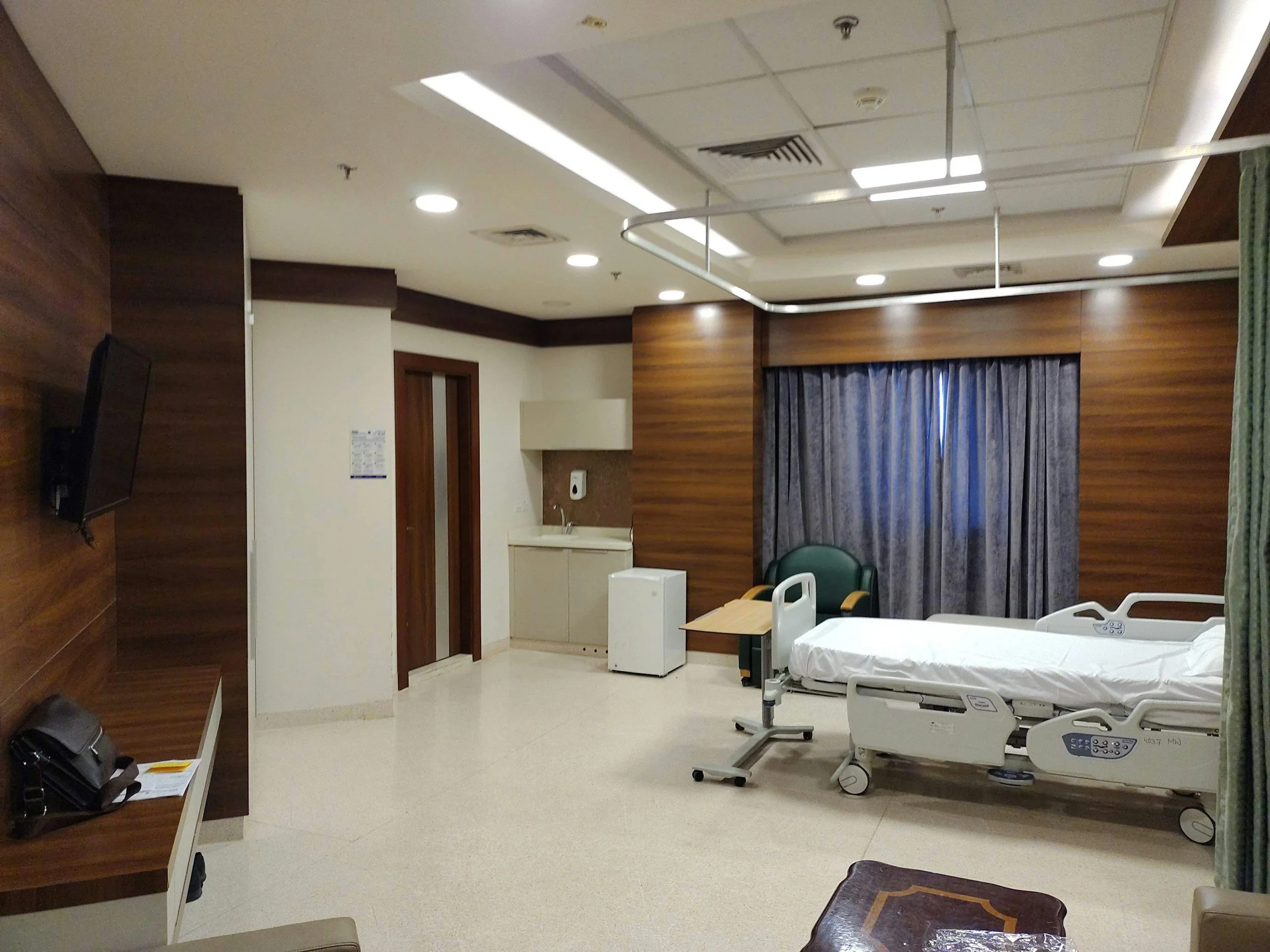
The specific elements of the private hospital experience that most effectively convert the cost-conscious self-pay patient are those that address the specific frustrations and anxieties of the NHS pathway that the patient is motivated to escape. The guaranteed single en-suite room with hotel-quality amenities, communicated with specific photography of the actual rooms the patient will occupy rather than generic hotel-style imagery. The named consultant relationship that provides direct access throughout the treatment journey rather than the rotating registrar model of NHS outpatient care. The diagnostic speed that provides scan results within forty-eight hours rather than the six-to-eight-week waiting period that NHS imaging typically involves. And the post-treatment follow-up schedule that continues for as long as clinically appropriate rather than being determined by NHS capacity. Each of these specific and tangible advantages, communicated clearly and specifically rather than implied through premium visual presentation, creates the commercial justification for the private decision that generic quality claims cannot provide.
The insurance information that most private hospital websites handle poorly is a specific and significant conversion barrier for the substantial proportion of prospective private patients who hold private medical insurance and who are uncertain about whether their specific policy covers treatment at this hospital. A patient who holds an insured policy but who cannot determine from the hospital's website which insurers are accepted, what the process for gaining pre-authorisation is, or whether their specific procedure is covered under a standard policy, will either contact the hospital by phone to ask these questions, often during business hours that are not available to them, or will abandon the hospital for a competitor whose website provides this information clearly and specifically. The private hospital website that provides a clear and specific insurance section, listing the major insurance networks accepted, explaining the pre-authorisation process in patient-facing terms, and offering a direct contact for the hospital's insurance team, removes the specific financial uncertainty that is preventing a meaningful proportion of insured patients from taking the next step of making an enquiry.
The wait time communication that most private hospital websites either omit or communicate only in generic terms is one of the most commercially significant differentiation opportunities available on the website of any hospital that genuinely offers faster access than the NHS alternative. A patient who is facing a twelve-month NHS waiting list for an elective procedure and who visits a private hospital website that communicates specific and honest access times, available to see a consultant within one week and to have the procedure within three weeks of that consultation, is receiving the specific commercial argument for private treatment that is most likely to convert the cost-conscious patient who was genuinely undecided about whether the financial investment was justified. This specific wait time communication, supported by the online booking tool that allows the patient to see available appointment slots immediately and to book directly, is the conversion mechanism that captures the patient who is motivated by access speed above all other dimensions of the private treatment decision.
No nurture content for patients in the long private healthcare research phase
The patient who is at the beginning of their private healthcare research journey, who has received a diagnosis or a referral that may eventually lead to private treatment but who has not yet made the decision to proceed privately, represents the largest and most commercially valuable prospective patient segment that most private hospital websites are failing to serve. This patient is not yet ready to enquire about treatment. They are gathering information, forming impressions of available providers, and making a series of preliminary assessments about whether private treatment is relevant to their situation, affordable within their means, and available in a form that meets their specific clinical and experiential needs. The private hospital website that captures this patient's attention and maintains its presence throughout this research phase with genuinely useful, honest, and condition-specific content will be the hospital that this patient thinks of first when they reach the point of deciding to proceed with private treatment.
Email capture through a condition-specific content offer is the mechanism that most effectively converts the early-stage research visitor into a nurtured warm lead whose eventual treatment enquiry will come directly to this hospital rather than to whatever competitor is most visible at the moment of decision. A downloadable guide to understanding a specific diagnosis and the treatment options available, a self-pay treatment guide that explains the financial pathways for patients without insurance, or a specific comparison of private and NHS treatment timelines for the most common procedures the hospital performs, each provides sufficient value to motivate the early-stage patient to provide their contact details. The relationship built through subsequent genuinely useful email content, maintained over the months that the patient's research phase typically occupies, is the relationship that produces the direct treatment enquiry when the patient is finally ready to act, without requiring any additional marketing effort from the hospital at that specific commercial moment.
Patients in the long research phase who are nurtured well become the most committed treatment enquiries.
We help private hospitals build websites that generate high-value enquiries at every stage of the patient journey.
Building a private hospital website that consistently converts high-value patients
A private hospital website that consistently converts high-value patients into treatment enquiries is the result of deliberate decisions made at every level of the site's design, content, and commercial architecture. The copy communicates specific comparative advantages of private care rather than generic claims of clinical excellence. The consultant profiles provide the specific expertise and outcomes evidence that allows patients to make confident clinician selection decisions. The trust signals are comprehensive, specific, and positioned where they do their most commercially effective work in the patient's evaluation journey. The enquiry pathway mirrors the premium experience the hospital is selling. The financial information removes the uncertainty that prevents motivated patients from taking the next step. The local search presence captures high-value patients at the highest-intent moments of their procedure-specific and condition-specific searches. And the early-stage nurture content builds the relationship with prospective patients before they have made their decision, ensuring that the hospital is the natural choice when that decision is made.
The private hospitals that invest in building their websites to this standard consistently generate a materially higher proportion of their patient enquiries directly through their own digital presence, from patients who arrive having already formed a positive and specific impression of the hospital's clinical quality, consultant expertise, and patient experience. These patients are better prepared for the initial consultation, more committed to proceeding with private treatment, and more likely to become the kind of loyal private patients whose ongoing relationships and referrals represent a significant share of the hospital's long-term revenue.
For hospitals whose current website is generating some traffic but very few direct high-value treatment enquiries, the improvement available from addressing the specific commercial and communication failures described in this article is typically significant and achievable without a complete website rebuild. The consultant profiles, the clinical outcomes data, the insurance information, the self-pay financial transparency, and the enquiry pathway improvements, are each changes that can be made to an existing website structure and that will produce a measurable improvement in the conversion of high-value visitors into treatment enquiries.
If you want a private hospital website that consistently converts high-value patients into treatment enquiries, we can help. Take a look at our approach to private hospital website design and book a free call to discuss what your website could be doing for your patient acquisition pipeline.
Written by
Mikkel Calmann
See what a properly converting private hospital website looks like.
See exactly how we build for high-value patient acquisition.
More web design insights for private hospitals