How a dental anxiety website turns nervous visitors into long-term patients
Between a third and half of adults have some degree of dental anxiety, which makes a thoughtful dental anxiety website one of the highest-leverage things a practice can build. Done properly, it turns one of your largest patient groups from a lost opportunity into a loyal patient base. Done badly, it is a generic paragraph buried two clicks deep. The difference is in language, structure, and what the page asks the visitor to do next. This article explains how to do it well.
Why dental anxiety website design is a patient acquisition strategy, not just compassionate care
Dental anxiety affects between a third and half of the adult population, depending on the measure used and the population studied. That proportion represents an enormous pool of potential patients who are actively avoiding dental care despite knowing they need it, and who are looking, with varying degrees of hope, for a practice that might make the experience manageable. For a dental practice that genuinely handles anxious patients well, the website is the first and often the most important opportunity to reach this group. A dental anxiety website that communicates genuine understanding and practical reassurance will attract anxious patients who would not book elsewhere, and who, once they discover that the practice is as good as the website suggested, become among the most loyal and most referral-active patients the practice will have.
The commercial case for investing specifically in dental anxiety content and design is substantial. Anxious patients who have finally found a practice where they feel safe tend to become long-term patients who attend regularly, accept recommended treatment plans, refer friends and family members who share their anxiety, and leave genuinely moving testimonials that attract more anxious patients. Converting this category of previously dental-avoidant patient is not just good healthcare practice. It is a commercially valuable patient acquisition strategy that most dental practice websites are not executing well.
The gap between a dental website that acknowledges dental anxiety and one that is genuinely designed to address it is significant. Most practice websites include a brief paragraph somewhere on the homepage about the team being "gentle and caring" and perhaps a mention of sedation options on a treatments page. This is the minimum acknowledgement of dental anxiety and it does very little for the patient who is genuinely frightened. A website that is genuinely designed for this patient allocates specific content, specific design attention, and specific trust signals to addressing the anxiety experience directly, and it does so not as an afterthought but as a core element of its patient acquisition strategy.
Understanding what an anxious patient needs from a dental website
An anxious patient who arrives on a dental website is not primarily looking for information about treatments or prices. They are looking for evidence that this practice is different from the dental experiences they have found difficult in the past. They want to feel, before they book, that the people here understand what dental anxiety is actually like, that they will not be rushed or pressured, that they will be in control of the pace of treatment, that the team genuinely cares about the patient's experience rather than just the clinical outcome, and that other anxious patients have come here and been okay. These needs are emotional before they are informational, and a website that addresses them in the right order, emotional validation before clinical information, will convert anxious patients at a higher rate than one that leads with clinical competence.
The specific fears that characterise dental anxiety vary between individuals. Some patients are primarily afraid of pain. Some are afraid of the loss of control that being in a dental chair involves. Some are embarrassed about the state of their teeth after years of avoidance and fear being judged. Some have had a specific negative experience in the past that has created a conditioned fear response. Some experience generalised health anxiety that is triggered by any medical or dental context. A dental anxiety website that acknowledges this variety of experience, rather than addressing anxiety as a single uniform condition, demonstrates the kind of understanding that resonates more specifically with patients whose particular form of anxiety is recognised.
The tone of the website content for anxious patients must be warm, genuine, and free of the clinical detachment that characterises most dental practice websites. A page that opens with "we understand that visiting the dentist can bring up difficult feelings for many people, and we have built our practice around making sure that every patient, no matter how nervous, feels safe and respected throughout their visit" is doing something very different from a page that opens with "our experienced team provides a full range of dental services in a modern, comfortable environment." The first is speaking to the anxious patient's experience. The second is speaking about the practice's capabilities. Only the first is relevant to the anxious patient's immediate concern.
Specific language that names common anxiety experiences, such as the white-coat response, the association between dental sounds and anxiety, the particular challenge of maintaining an open mouth for extended periods, the fear of gagging, or the anticipatory anxiety that begins days before an appointment, demonstrates a depth of understanding that generic reassurance language cannot convey. A patient who reads language that precisely describes their own anxiety experience feels understood in a way that motivates trust. This kind of specific, empathetic language is rarely present on dental websites, which is exactly why it is so powerful when it is.
Creating a dedicated dental anxiety page that patients search for
Many dental patients who are anxious enough to have been avoiding dental care will search specifically for dentists who cater to nervous patients or who offer sedation, using terms such as "dentist for nervous patients [city]," "dental anxiety dentist [neighbourhood]," or "sedation dentist near me." A dental practice that has a dedicated page specifically addressing dental anxiety, rather than a brief paragraph within a general homepage, will appear in these specific searches and will have a page that is directly, specifically relevant to what the searching patient is looking for. That relevance is what produces conversions from this particularly valuable patient group.
The dental anxiety page should be more than a reassurance statement. It should function as a comprehensive resource for the anxious patient who is researching their options. Content that explains what the practice's specific approach to anxious patients involves, what patients can expect at every stage of their visit, what sedation options are available and how each works, how the practice handles patients who need to stop or slow down during treatment, and what the protocol is if a patient becomes too anxious to continue, provides the specific practical information that anxious patients need to assess whether this practice can genuinely accommodate them.
Patient stories from previously anxious patients are the most powerful content element on a dental anxiety page. A patient who describes their anxiety honestly, explains what had previously prevented them from attending, describes their first experience at the practice in specific detail, and reflects on how their relationship with dental care has changed since becoming a patient here, provides evidence that the practice can genuinely help someone in exactly the position of the reader. These stories are more persuasive than any amount of professional copy because they are told from the perspective of a peer rather than from the perspective of the practice trying to attract the patient.
The call to action on the dental anxiety page should be specifically calibrated to the lower threshold of commitment that anxious patients typically need as a first step. Rather than "book an appointment," which implies immediate commitment to a treatment visit, a call to action that offers "book a meet-the-dentist appointment with no treatment involved" or "call us for a confidential conversation about your concerns before booking" provides a lower-stakes entry point that anxious patients find significantly more accessible. This first step, which involves no clinical commitment and allows the patient to experience the practice and its team before agreeing to any treatment, is the specific intervention that converts anxious research visitors into patients who eventually attend for the care they need.
Anxious patients who find the right practice become its most loyal patients
We help dental practices build websites that reach and convert nervous visitors with the specific content and design they need — book a free call.
Sedation dentistry information that helps anxious patients assess their options
For patients with significant dental anxiety, sedation options are often the specific information that enables them to book when they would not otherwise be able to. A patient who knows that conscious sedation is available and who understands what the experience involves, how it differs from general anaesthetic, whether it requires someone to accompany them, and what the additional cost is, can make an informed decision about whether this option would make dental treatment manageable for them. A dental anxiety website that provides this information clearly and accessibly is giving this patient something that most competitor websites are not providing, and that is a significant differentiator for anxious patients who have previously been unable to manage dental care without additional support.
The specific sedation options available should each have a dedicated explanation that covers what the method involves, how it feels, who it is most appropriate for, what the process of having it administered looks like, and any relevant aftercare considerations. Nitrous oxide, oral sedation, and intravenous sedation each have different characteristics, different levels of effect, and different levels of clinical complexity. An anxious patient who is researching sedation options is typically a patient who has already decided they need additional support and is now trying to understand which type of sedation would be appropriate for their level of anxiety and their planned treatment. Clear, specific information about each option is what helps them make that assessment and move toward booking.
Patient stories specifically from patients who have used sedation, and who describe the experience of having treatment under sedation at this practice, provide the specific social proof that sedation-considering patients need before they are willing to book. Understanding from a real patient's account what the sedation experience was like, how they felt during and after treatment, and how it compared to their previous dental experiences without sedation, gives an anxious patient contemplating this option a concrete basis for evaluating whether it might work for them. This kind of specific, experience-based testimony is much more reassuring than a clinical description of the sedation method alone.
The cost and logistics of sedation should be addressed honestly on the sedation information page. Anxious patients researching sedation need to understand the additional cost involved, how it is typically administered, and the practical requirements such as accompanying persons or recovery time. Providing this information clearly and without jargon, while emphasising that the specific details for any individual case will be confirmed during a consultation, gives the patient the practical orientation they need to assess whether sedation is a realistic option for them without creating unrealistic expectations about what the experience will cost or involve.
Design choices that reduce anxiety before a word is read
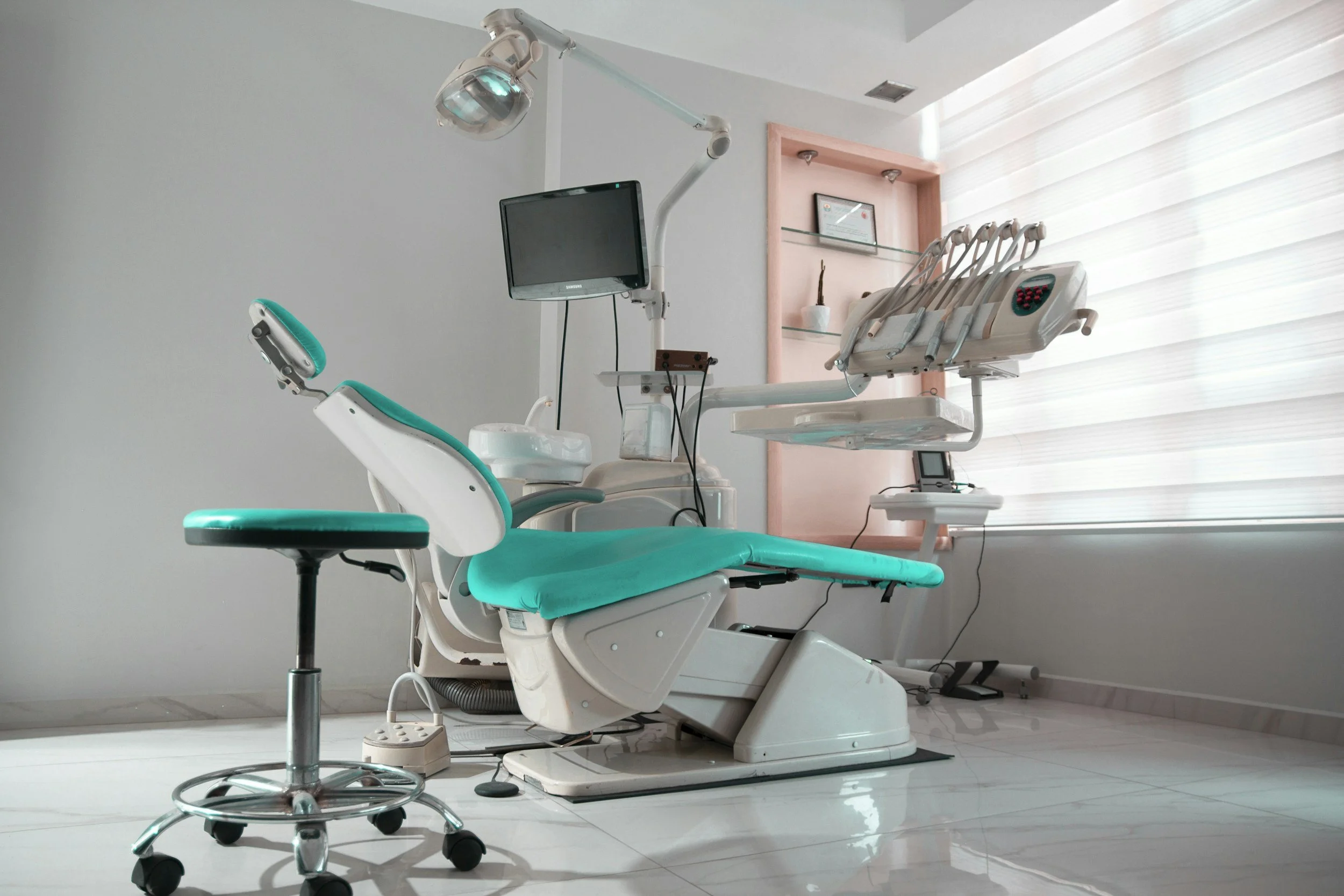
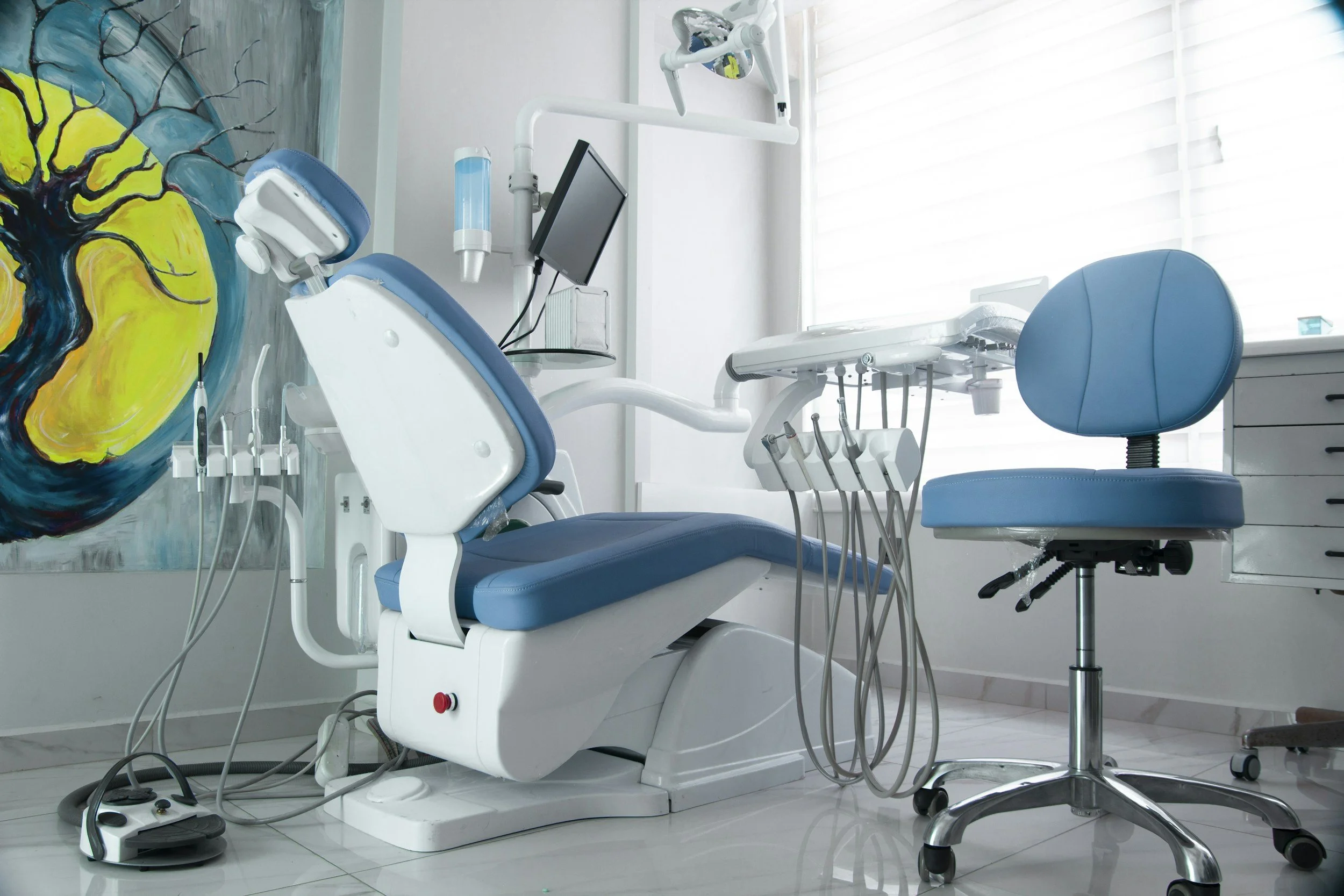
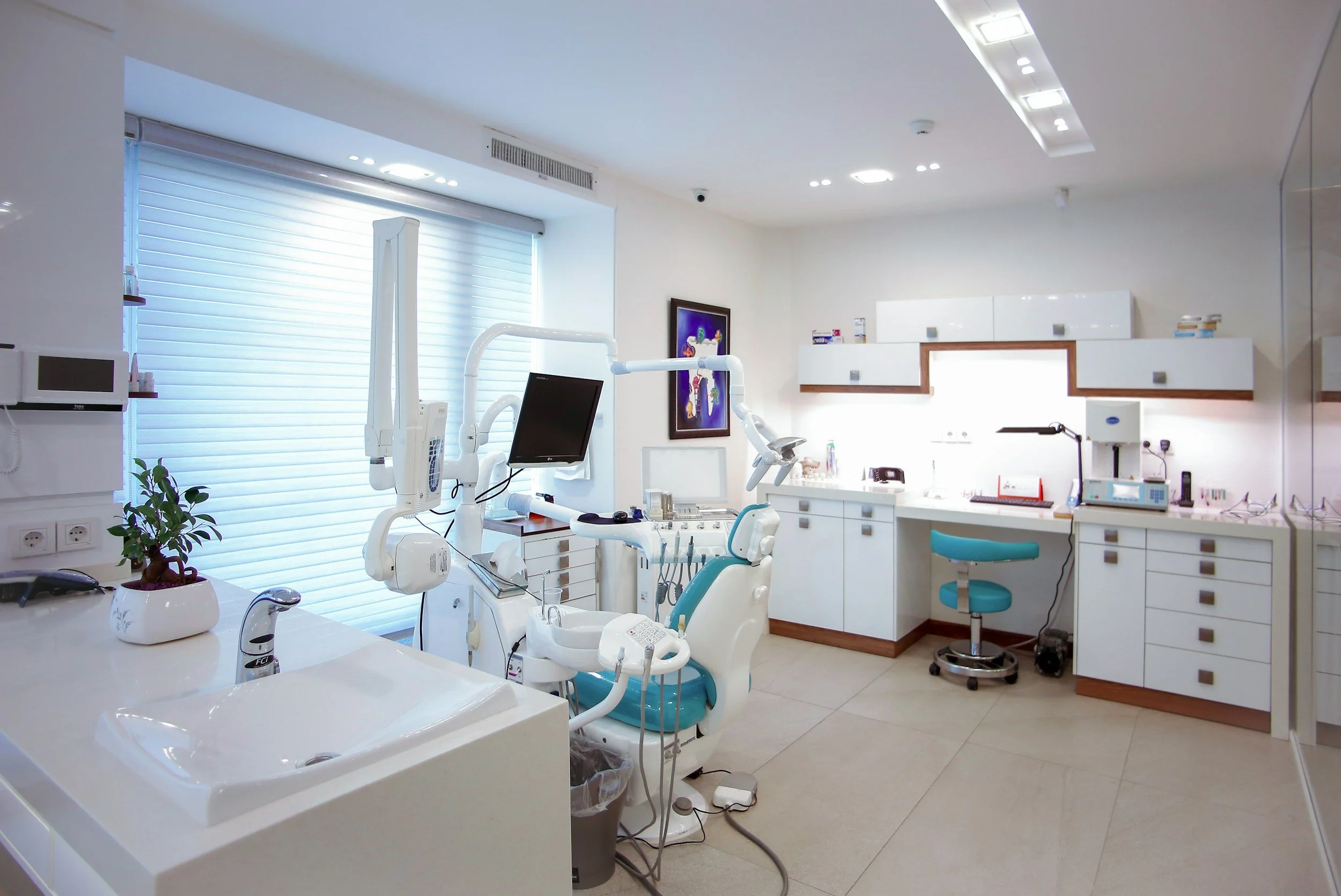
The visual and spatial design of a dental website makes an emotional statement before the visitor has read a single word, and for anxious patients that statement can either reinforce or reduce the anxiety that brought them to the site. A website dominated by clinical imagery, stark white space, and formal typography communicates medical sterility that many anxious patients find associatively triggering rather than reassuring. A website with warm tones, soft photography of human faces rather than clinical procedures, and typography that is friendly without being unprofessional, communicates a different emotional register that reduces rather than reinforces anxiety before the copy has a chance to address it explicitly.
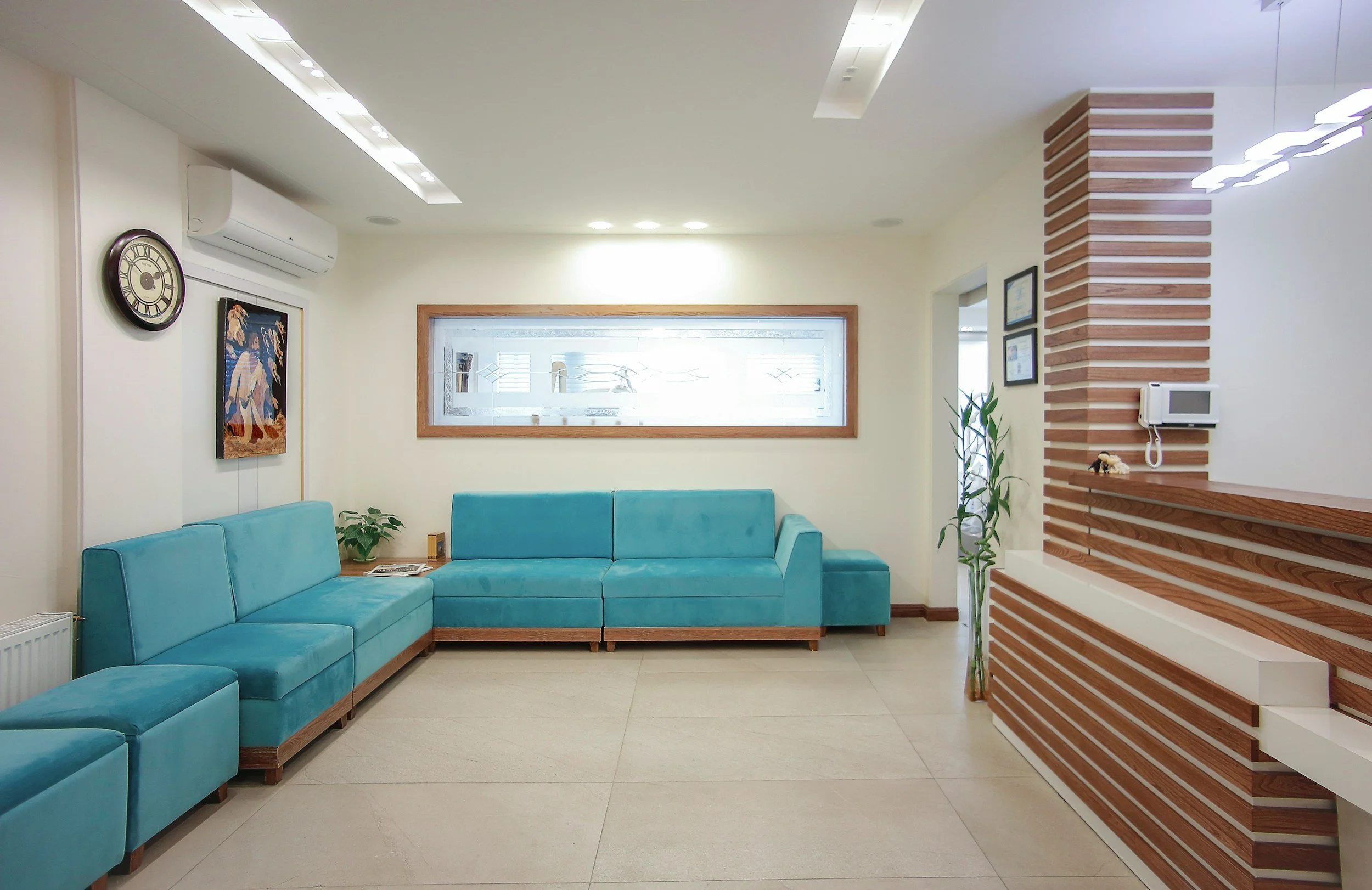
The photography choices on a dental anxiety website deserve specific attention to the emotional register of the images selected. Photographs of dentists and nurses in relaxed, warm interactions with patients, rather than in formal clinical poses, communicate the human quality of the practice's patient relationships. Photographs of the practice environment that emphasise comfort and warmth rather than clinical equipment communicate that the physical experience of visiting will be less threatening than the patient may have imagined. Photographs of staff members smiling and engaging naturally rather than posing formally create a sense of approachability that anxious patients specifically need before they feel comfortable proceeding.
Colour and typography choices for a dental practice website that serves a significant proportion of anxious patients should balance warmth and professionalism in a way that most clinical website palettes do not achieve. The deep blues and clinical whites that dominate most dental websites communicate authority and cleanliness but not warmth or approachability. Adding warmer tones, softer accent colours, and more humanising typography choices creates a visual atmosphere that is still professional but that does not trigger the clinical association that some anxious patients experience as a direct trigger for their anxiety.
The overall pace and density of the website experience also affects anxious visitors in specific ways. A homepage that presents dense information immediately, with multiple competing visual elements, text in multiple columns, and several calls to action all visible simultaneously, can feel overwhelming to a visitor who is already in a heightened state of anxiety. A simpler, more spacious layout that presents information progressively, with clear visual hierarchy that guides the visitor through one element at a time, creates a calmer browsing experience that is specifically better suited to the anxious visitor who needs to process the information at their own pace before feeling ready to take the next step.
Anxious patients who book once stay for a lifetime — the website gets them through the door
We design dental websites with the specific content and structure to reach and convert the anxious patients most practices are losing — book a free call.
Communicating patient control and boundaries throughout the site
The most commonly cited component of dental anxiety is the fear of losing control: being in a vulnerable physical position, unable to speak, while someone performs procedures in your mouth. A dental anxiety website that specifically addresses this fear by communicating clearly that the patient is always in control of the pace and progress of their treatment is addressing the root cause of many patients' anxiety rather than just its surface manifestation. This communication of patient control should not be limited to a single paragraph on the anxiety page. It should be woven throughout the site in the language used to describe every aspect of the patient experience.
Specific language about stop signals, rest breaks, and patient-led pacing communicates the most important aspect of patient control in concrete terms. Telling a prospective anxious patient that they can raise their hand at any time to stop treatment, that the dentist will always explain what they are about to do before proceeding, that appointments can be structured around the patient's comfort level rather than a fixed clinical agenda, and that there is never any pressure to proceed faster than the patient is comfortable with, addresses the control anxiety directly and specifically. These are the specific reassurances that anxious patients most need before they feel able to book, and they are absent from most dental practice website content.
Communicating that the practice takes the time needed with nervous patients, rather than operating on a rigid appointment schedule that leaves no room for slower-paced treatment, is a differentiator that anxious patients specifically value and specifically look for. A practice that acknowledges that appointments for nervous patients may take longer and that this is not a problem is making a commitment that many anxious patients have never encountered from a dental practice before. That commitment, communicated clearly and genuinely on the website, is a significant reason for an anxious patient to choose this practice over a competitor whose website makes no such acknowledgement.
The booking confirmation and pre-appointment communication for anxious patients should continue the control messaging established on the website. A confirmation message that reiterates the practice's approach to nervous patients, confirms that the appointment will be paced according to the patient's comfort, and provides a direct contact number for any questions or concerns in the days before the appointment, maintains the reassurance process through the period between booking and attending. This pre-appointment communication reduces the no-show rate among anxious patients, who are at particular risk of cancelling if their anxiety builds in the days before the appointment without any ongoing reassurance from the practice.
Using testimonials specifically to reach and convert anxious patients
Patient testimonials from previously anxious patients are the most commercially valuable trust signals on a dental anxiety website, because they provide the specific, experience-based evidence that this type of patient needs to overcome their hesitation. Generic positive reviews about professional staff and clean facilities do not specifically address the anxious patient's concerns. Specific testimonials from patients who were genuinely anxious, who describe their anxiety honestly and in terms that other anxious patients will recognise, and who explain specifically how the practice helped them manage it, provide the peer-level reassurance that professional copy cannot replicate.
Collecting testimonials specifically from previously anxious patients requires intentionality in the review acquisition process. After successfully completing treatment with a patient who had expressed anxiety, a personal follow-up from the dentist that specifically acknowledges the courage it took to attend and asks whether the patient would be willing to share their experience for the benefit of other anxious patients who might be looking for a practice like this, tends to produce the most genuine and the most persuasive anxiety-specific testimonials. These testimonials are not just valuable for their conversion impact on the website. They are also a form of recognition for the patient that they managed something they thought they might not be able to, which reinforces the positive experience and deepens the patient-practice relationship.
Video testimonials from previously anxious patients carry the greatest persuasive weight because the viewer can see and hear the genuine emotion of someone who has been through a difficult experience and emerged positively. A two-minute video of a patient who describes their previous avoidance of dental care, their decision to try this practice, their experience of the first appointment, and their current relationship with dental care, is potentially the most converting piece of content on the entire dental anxiety website. The authenticity of the video format, and the specific, emotionally resonant nature of the content, reaches anxious visitors in a way that written testimonials, however well-crafted, cannot fully match.
Placing anxiety-specific testimonials at the points in the website visit where an anxious visitor's hesitation is most likely to be at its highest produces the greatest conversion impact. The moment when the anxious visitor has arrived on the booking page and is about to commit to an appointment is the moment of maximum hesitation and the moment when a testimonial from a previously anxious patient who says they finally made the decision to book and it was the best decision they ever made will do the most work. This placement, combining social proof with the booking action in immediate proximity, is the most effective conversion architecture available for anxious patient acquisition.
Anxious patients who find the right practice become its most loyal patients
We help dental practices build websites that reach and convert nervous visitors with the specific content and design they need — book a free call.
Building a dental anxiety website that changes lives as well as filling appointment books
A dental anxiety website that genuinely serves anxious patients is one that understands the experience of dental anxiety from the inside, that communicates that understanding throughout every element of the site, and that provides the specific practical information, social proof, and lower-stakes entry points that anxious patients need to make the decision to book. This is not a small design adjustment to an existing generic dental website. It is a specific design and content approach that treats the anxious patient population as a primary audience rather than an afterthought, and that builds the entire patient acquisition strategy around serving this audience's specific needs.
The commercial returns of this approach are substantial and compound over time. Anxious patients who have positive first experiences with a practice that genuinely understands their anxiety tend to become regular attenders who accept recommended treatment plans, refer friends and family who share their anxiety, and provide the specific testimonials that attract more anxious patients. The practice that builds a reputation, communicated through its website, for being genuinely exceptional with anxious patients, builds a self-reinforcing competitive advantage that is very difficult for competitors to replicate through generic reassurance language and a paragraph about gentle care.
For practices that already provide excellent care for anxious patients but whose websites do not communicate this effectively, the gap between what the practice actually offers and what the website communicates represents a significant lost commercial opportunity. The patients who would book if the website gave them the right specific reassurance are the patients who are currently finding competitors whose websites, intentionally or not, speak more directly to their specific anxiety concerns. Closing this gap requires nothing more than bringing the website's communication of anxiety care up to the standard of the care itself, which is both the most commercially straightforward and the most genuinely meaningful improvement most anxiety-focused dental practices can make to their digital presence.
If you want a dental website that is specifically designed to reach and convert anxious patients with the content and structure they need, we can help. Take a look at our approach to web design for dental practices and book a free call to talk through how better anxiety-focused design could change the patient acquisition performance of your website.
Written by
Mikkel Calmann
Web design for dental practices
Most dental practice websites were never built to generate leads. We design Squarespace websites that change that. See exactly how we approach it.
More web design insights for dental practices