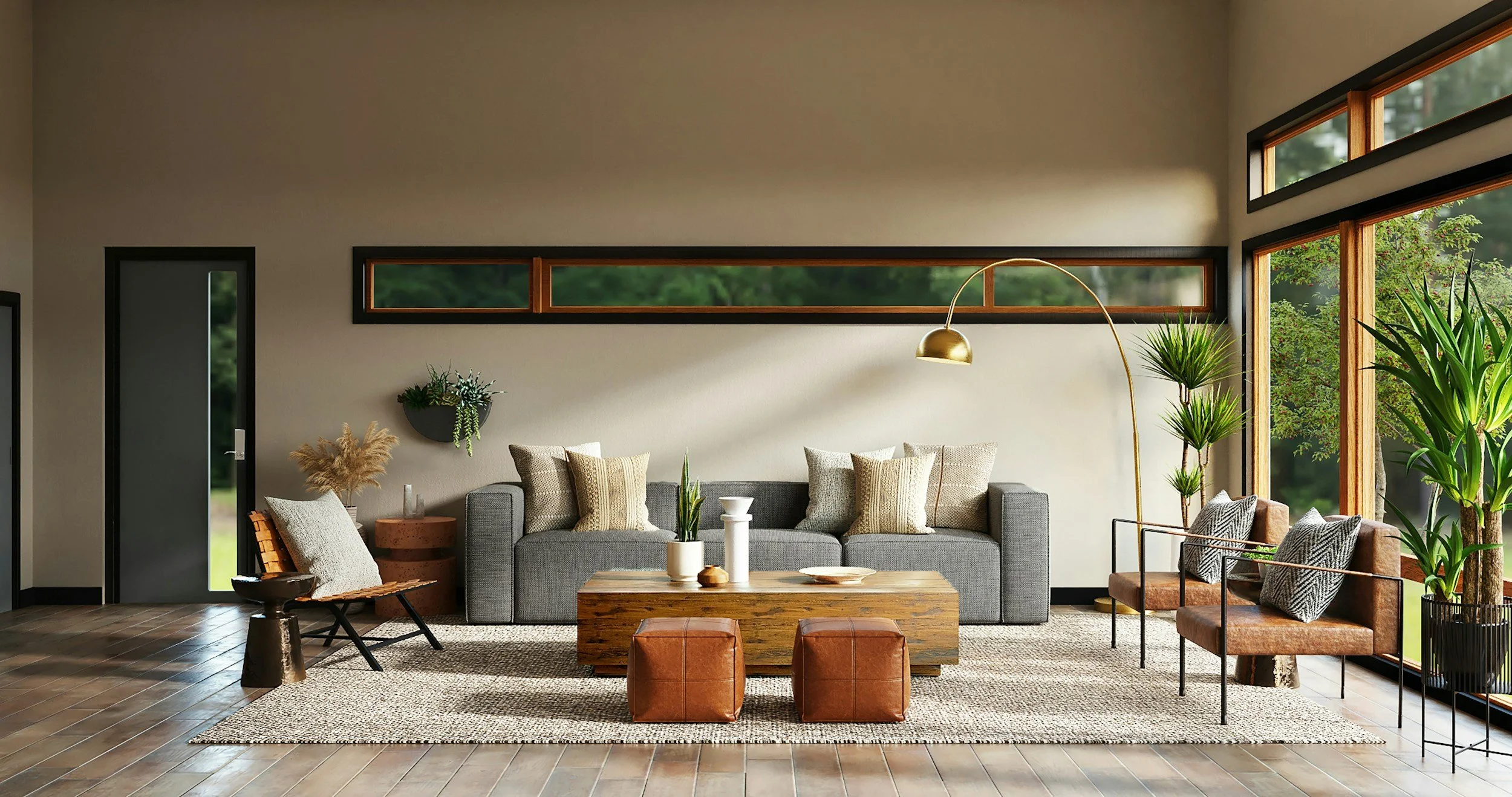
Turn your studio website into an interior designer client acquisition system
Most studio sites sit unused between referrals and Instagram posts. A working interior designer client acquisition system asks the website to do real commercial work between projects. That means generating qualified enquiries while the studio is focused on existing clients. This article explains what changes when the site stops being a brochure and starts being the most reliable salesperson in the studio.

Why interior designer website design must function as a client acquisition system
Interior designer website design that works as a round-the-clock client acquisition system is built on a fundamentally different commercial logic from the portfolio website that most interior designers currently maintain as their primary digital presence. The portfolio website passively showcases the designer's work for the benefit of visitors who have already been directed there by a referral, a social media post, or a press feature, and hopes that a sufficient proportion of those directed visitors will form enough positive aesthetic impression to make the vulnerable and committing act of reaching out. The client acquisition system actively generates motivated prospective client visits from organic search traffic, converts those visits into engaged portfolio evaluations through the quality of the portfolio presentation and the strength of the personal brand, builds the creative trust and the commercial confidence that motivate the enquiry through the specific and strategic deployment of trust signals and process communication, captures the contact details of the visitors who are not yet ready for a direct enquiry through a genuine and valuable email capture mechanism, and converts the most motivated of all these visitor types into the specific and pre-qualified project enquiries that begin the client relationships the studio's revenue and reputation depend on. The difference between these two types of website is the difference between a business card and a sales team that works around the clock at no ongoing cost beyond the initial investment in building and maintaining the system.
The most commercially significant difference between the portfolio website and the client acquisition system is not the visual quality of the portfolio presentation but the commercial architecture that surrounds and supports that presentation: the search visibility that delivers motivated prospective clients to the portfolio; the niche positioning that creates specific recognition in the right client type from the first moment of their visit; the trust signals that convert aesthetic admiration into the commercial confidence to reach out; the enquiry pathway that makes the first step feel safe and specific; and the email capture and nurture infrastructure that converts the visitors who are not yet ready to enquire into a growing base of warm relationships that produce the most well-prepared and the most creatively aligned first consultations the studio's enquiry process can generate. Each of these commercial architecture components is as important to the studio's client acquisition performance as the quality of the portfolio photography they are built around, and the studio that invests in all of them together produces a genuinely different commercial outcome from the studio that invests only in the photography and the visual design of the portfolio presentation.
Building a genuinely effective interior designer website design as a client acquisition system requires treating the website not as a creative showcase that might incidentally generate business, but as the most productive and most cost-efficient business development asset in the studio's commercial toolkit. This reframing is not a compromise of the designer's creative integrity or a subordination of their aesthetic vision to commercial calculation. It is the specific commercial intelligence that makes the designer's genuine creative quality most commercially productive, by ensuring that the most motivated prospective clients can find the portfolio, that the portfolio creates the most specific recognition and the most genuine creative trust, and that the enquiry pathway converts the most aligned visitors into the most well-qualified project conversations that the studio's genuine creative strengths are most specifically positioned to take on.
The search visibility that delivers motivated clients while you focus on project work
The search visibility component of the interior designer client acquisition system is the component that most fundamentally changes the commercial character of the studio's client acquisition activity, because it delivers motivated new prospective clients to the portfolio from organic search without requiring any active business development effort from the designer at the time of delivery. The designer who is deeply focused on the creative demands of an active project is not available to engage in the active social media management, the networking events, and the referral cultivation that most interior design studio business development currently depends on. But the search visibility that has been built into the studio's website through the Google Business Profile management, the location-specific and style-specific content, and the technical performance optimisation described in the earlier articles in this series, continues to deliver motivated new prospective clients to the portfolio at every hour of the day and every day of the week without any active effort from the designer whose attention is fully committed to the design work that generates the portfolio quality that the search visibility delivers clients to.
The organic search traffic that a well-optimised interior designer website receives from the specific local and style-specific searches that the most commercially motivated prospective clients use when they are actively looking for a designer of the studio's specific type and quality, is the most commercially valuable traffic the website can receive because it arrives with the highest degree of self-qualification and the highest level of active purchase motivation of any traffic source available to an interior design studio. The prospective client who found the studio through a search for "luxury interior designer West London" or "contemporary kitchen and living room designer Surrey" has already told Google, and through Google has effectively told the designer, exactly what they are looking for before they have even visited the website. This self-qualification is the commercial quality that makes organic search traffic more efficiently converting than referral traffic or social media traffic, and it is the quality that makes the sustained investment in building and maintaining organic search visibility the highest-return business development investment available to any interior design studio whose portfolio quality and personal brand are strong enough to convert the traffic that good rankings deliver.
The content that builds the interior designer's organic search authority for the specific local and style-specific searches that represent the most commercially significant traffic opportunities is the same content that builds the intellectual and creative authority that converts the search-delivered visitor from a general browser into a specifically aligned prospective client who feels immediately and specifically addressed by the studio's positioning and whose continued engagement with the portfolio and the personal brand progressively deepens the creative resonance and the personal creative trust that motivates the enquiry. Each piece of genuinely expert and specifically niche-relevant content that achieves a search ranking continues to deliver this commercially motivated traffic to the portfolio for months and years after its publication, making the content investment a compounding commercial asset rather than a one-time marketing expense whose commercial return depletes when the campaign ends or the advertising spend is redirected.
The Google Business Profile that is actively managed as a component of the client acquisition system, with a consistent cadence of project image updates, client review acquisition, and profile posts that demonstrate the studio's active current engagement with the specific type of project and the specific aesthetic territory it claims to specialise in, is the search visibility asset that generates the most immediately visible improvement in the studio's local search presence and the most directly measurable improvement in the motivated direct enquiries the studio receives from the prospective clients who find it through the local pack listings that appear at the top of the local search results for the most commercially valuable interior design search terms in the studio's specific geographic market.
The portfolio and trust architecture that converts motivated visitors into enquiries
The portfolio and trust architecture of the client acquisition system is the commercial mechanism that converts the motivated prospective client delivered by the search visibility component from a visitor with genuine interest into a prospective client with sufficient confidence to take the specific and committing step of reaching out. The portfolio that is curated to a clear and compelling aesthetic identity, that is contextualised with the specific project narrative that creates recognition rather than only admiration, and that is sequenced to create the strongest possible first impression of the studio's specific creative identity for the right prospective client type, is doing the most commercially productive portfolio work available to any interior design studio whose photography quality and creative standard are strong enough to convert the recognition the portfolio creates into the motivated act of reaching out to begin a project conversation.
The trust signals that the client acquisition system deploys at the specific points in the prospective client's evaluation journey where specific trust concerns are most likely to be preventing them from taking the next step of making contact, are doing the most commercially productive trust-building work available to any interior design studio whose client testimonials, press credentials, and professional recognitions are specific and verifiable enough to provide the genuine peer-level validation that the most commercially significant prospective clients most specifically require before they will make the emotional and commercial commitment of reaching out to a designer they have not yet met. The testimonial placed immediately before the consultation booking call to action, that specifically describes the quality and the warmth of the initial consultation experience from a past client's perspective, is addressing the specific uncertainty that is most commonly preventing the motivated prospective client who is at the threshold of making contact from taking the final step across it.
Search visibility that delivers motivated clients combined with a portfolio and trust architecture that converts them is the complete client acquisition system.
We build interior designer websites that work as round-the-clock client acquisition systems.
The lead capture infrastructure that converts visitors not yet ready to enquire
The lead capture infrastructure of the client acquisition system is the commercial mechanism that converts the motivated portfolio visitor who is not yet ready to make direct contact into a warm relationship that can be nurtured through the designer's genuinely expert and specifically relevant creative content over the weeks and months that typically separate the initial design curiosity of the most commercially valuable prospective clients from the point at which their project motivation matures to the specific readiness that makes a direct consultation enquiry feel like the obvious and appropriate next step. The interior design studio whose client acquisition system includes a genuinely valuable lead capture mechanism, a guide to creating a specific aesthetic style in a specific type of home, a practical introduction to the interior design process at different budget levels, or a designer's perspective on the specific design questions that the studio's ideal prospective clients most commonly grapple with in the early stages of their design research journey, is capturing commercially significant value from the full range of portfolio visitor types rather than only from the minority who are at the specific level of commercial readiness that the direct enquiry mechanism requires as its minimum level of commitment.
The email newsletter that the interior designer sends monthly to a growing list of subscribers acquired through the lead capture mechanism is the nurture component of the client acquisition system that most productively converts the early-stage interested visitor into the commercially ready direct enquirer over the extended period of the interior design research journey that most high-value prospective clients travel through before they make the specific and committed decision to engage a professional designer for their project. Each newsletter that delivers genuinely useful and specifically relevant design content to the subscriber is a specific commercial touchpoint that maintains the designer's creative presence in the prospective client's professional and domestic awareness, deepening the creative resonance and the personal creative trust that will make the designer the obvious first call when the prospective client's project motivation reaches the point of commercial readiness for a direct consultation enquiry.
The email capture mechanism that most effectively builds the commercially productive subscriber list for an interior design studio's client acquisition system is the mechanism whose lead magnet is genuinely and specifically valuable to the prospective client who is most commercially aligned with the studio's specific project type, budget level, and aesthetic position. The generic guide that appeals to the broadest possible audience of design-interested visitors generates a high-volume but low-quality subscriber list whose conversion rate from subscription to direct enquiry is too low to justify the nurture investment. The specific lead magnet that appeals only to the prospective client who is actively grappling with the specific type of design challenge the studio is most specifically positioned to address generates a lower-volume but substantially higher-quality subscriber list whose conversion rate from subscription to direct enquiry, measured over a twelve-to-twenty-four-month nurture horizon, reflects the specific commercial alignment of the subscribers with the studio's most specific and most commercially productive project type.
The measurement of the lead capture and nurture component of the interior designer client acquisition system requires a more patient and more attribution-thoughtful approach than the measurement of the direct enquiry conversion rate, because the prospective client who subscribed to the newsletter six months ago and who sends a direct enquiry this month has been converted by the cumulative commercial effect of six months of consistent creative presence rather than by any single campaign or any single content piece. The interior designer who asks each new project enquiry client how they first encountered the studio's work will consistently find that a growing proportion of the most commercially aligned and the most specifically motivated enquiries trace their origin to the lead capture mechanism and the email nurture relationship that converted the early-stage interest generated by the initial portfolio visit into the specific commercial readiness that motivated the eventual direct enquiry.
The enquiry pathway that completes the client acquisition journey
The enquiry pathway is the final component of the interior designer client acquisition system and the specific mechanism through which all of the system's previous components — the search visibility, the portfolio, the trust architecture, and the lead capture and nurture infrastructure — are converted into the direct project conversation that represents the system's ultimate commercial purpose. The enquiry pathway that is generic, impersonal, and administratively designed to capture contact details without communicating the designer's specific creative engagement with the prospective client's project situation, is the enquiry pathway that fails to complete the client acquisition journey at its most commercially critical moment, converting the motivated and aligned prospective client who has been specifically and compellingly attracted by every preceding element of the system into the frustrated and uncertain visitor who closes the browser tab before completing the contact form because nothing in the form design communicates that reaching out will result in anything more specific than a generic professional response to a generic professional enquiry.
The warm, specific, and pre-qualifying enquiry pathway that most effectively completes the client acquisition journey for the motivated interior design prospective client is the pathway described in detail in the residential interior designer website article in this series: the warm and personal introductory copy that frames the enquiry as the beginning of a genuine creative conversation, the specific and thoughtfully sequenced pre-qualification questions that gather the commercially essential project information while communicating the designer's genuine interest in the prospective client's creative vision, the automated acknowledgement that reassures the prospective client that their submission has been received and will be personally reviewed, and the specific and warmly engaged personal response that converts the pre-qualified enquiry into the booked initial consultation that is the immediate and tangible commercial output of the entire client acquisition system's operation.
Lead capture, email nurture, and a warm pre-qualifying enquiry pathway together capture commercial value from every stage of the prospective client's journey.
We build interior designer websites where every component of the client acquisition system works together consistently.
Maintaining the client acquisition system as a compounding commercial asset
The interior designer client acquisition system that generates the most consistently productive and the most continuously improving commercial return over time is the system that is maintained and improved as a living commercial asset rather than built once and left to perform at the level of commercial effectiveness it achieved at the point of its initial construction. The search visibility component that was strong at the point of the website's launch will decline relative to the competitive landscape of the studio's specific local and style-specific design market if it is not sustained through the consistent management of the Google Business Profile, the regular acquisition of new client reviews, and the consistent publication of new genuinely expert and specifically niche-relevant content that extends and deepens the website's topical authority for the location-specific and aesthetic-specific searches that represent its most commercially significant organic traffic opportunities.
The portfolio component that was genuinely curated and compellingly presented at the website's launch will progressively diverge from the studio's current creative standard and current ideal project type if it is not updated regularly with the professionally photographed documentation of the studio's most impressive and most recently completed projects. The trust architecture that was comprehensive and specifically deployed at the website's launch will progressively lose its commercial persuasiveness if it is not supplemented with the new client testimonials, the new press features, and the new professional recognitions that the studio's ongoing creative and commercial practice continues to generate with each new project completed and each new client relationship successfully concluded. And the lead capture and nurture infrastructure that was producing a growing email subscriber list at the website's launch will progressively decline in its commercial productivity if the newsletter content is not maintained at the standard of genuine creative expertise and specific niche relevance that motivated the initial subscriptions and that sustains the continued engagement of the subscribers whose eventual direct enquiry represents the most commercially productive conversion available from the entire client acquisition system's operation.
The analytics data that reveals how the client acquisition system is performing across each of its component dimensions is the specific commercial intelligence that enables the ongoing management and improvement of the system to be directed toward the components and the improvements that will produce the greatest additional commercial return from the available management investment. The search ranking positions for the studio's priority local and style-specific search terms, monitored monthly through Google Search Console. The portfolio visitor engagement metrics, specifically the time on page and the scroll depth on the most commercially important portfolio pages, that reveal whether the portfolio presentation quality is holding the motivated visitor's attention long enough to create the specific recognition and the personal creative trust that motivates the enquiry. The email list growth rate and the email open and click rate that reveal whether the lead capture mechanism and the newsletter content are performing at the commercial quality standard that the system requires of them. And the direct enquiry volume and quality, measured as the proportion of enquiries that represent the type, the scale, and the budget of project that the studio's specific practice parameters define as the most commercially and creatively valuable available in its market.
The competitive monitoring that the most commercially serious interior design studios build into their regular client acquisition system management involves periodic assessment of the digital presence of the studios they most directly compete with for the most commercially valuable project commissions in their specific geographic and aesthetic market, to identify any specific improvements in their search visibility, their portfolio curation quality, their trust signal comprehensiveness, or their enquiry pathway design that require a specific response from the subject studio to maintain its own competitive position in the client acquisition journeys of the prospective clients who are evaluating both studios simultaneously. This competitive monitoring is not mimicry. It is the commercial intelligence activity that ensures the subject studio's client acquisition system remains genuinely more effective at attracting and converting the most specifically aligned and most commercially valuable prospective clients available in its market than the competing systems that are each attempting to do the same.
The compounding commercial return that makes the system worth building
The interior designer client acquisition system that has been built to the standard described across this series of articles and that has been maintained and improved consistently over three years of sustained commercial investment, is a substantially more productive and more commercially valuable business development asset than the equivalent investment in any form of direct business development activity over the same period. The organic search rankings that were established in year one have been strengthened and extended by the content published in years two and three, generating a growing stream of commercially motivated prospective client visits from an expanding range of location-specific and style-specific search terms that the studio's growing content authority makes it competitively positioned to rank for. The email subscriber list that was being built through the lead capture mechanism from the website's launch has grown to the point where the monthly newsletter's direct conversion of subscribers to initial consultations represents a meaningful and growing component of the studio's total new project enquiry volume. The portfolio and trust architecture that were established at the website's launch have been progressively strengthened by the addition of new client testimonials from the studio's most recently completed and most specifically impressive projects, new press features from the publications whose recognition the studio's growing reputation has attracted, and new professional recognitions from the awards programmes and the industry bodies whose assessment of the studio's creative and commercial excellence the studio's consistent portfolio quality has earned.
The transition from a studio whose new project business depends entirely on the active maintenance of a referral network and the continuous effort of social media management and outbound business development activity, to a studio whose client acquisition system generates a growing and increasingly dominant proportion of its new project business from the compounding returns of organic search visibility, lead capture and email nurture, and direct enquiry conversion through the well-maintained and progressively improving portfolio and trust architecture of a specifically commercial interior designer website, is the specific commercial transformation that the investment in building and maintaining the client acquisition system to the standard described across this series of articles is designed to produce. This transformation takes time, because building genuine organic search authority and genuine creative authority in a specific niche requires the sustained investment of real time and real creative energy over the period required for the compounding to reach the level where its commercial returns become commercially decisive. But the commercial destination it leads to is qualitatively different from the referral and social media dependent practice model that most interior design studios currently operate, and the compounding nature of the client acquisition system's commercial returns makes the investment in building it to the required standard the most commercially rational business development investment available to any interior design studio that is committed to building its commercial and creative practice over the long term.
The interior designer client acquisition system that compounds over three years generates more commercial return than any equivalent investment in direct business development activity.
We build and help maintain interior designer websites that compound in commercial effectiveness and client acquisition productivity every year.
Building the interior designer website that generates clients while you sleep
Interior designer website design that works as a round-the-clock client acquisition system is built on the specific and deliberate combination of search visibility, portfolio and trust architecture, lead capture and nurture infrastructure, and enquiry pathway design that together create a continuously active and continuously productive business development system whose commercial returns compound over time and whose contribution to the studio's total new project enquiry volume grows with each month of consistent content and maintenance investment. This is not a website that was built once to a high standard and that generates its commercial returns passively forever after. It is a business development system that requires a modest but consistent ongoing investment of professional attention to maintain its content currency, its conversion effectiveness, and its organic search competitive position in the evolving landscape of the interior designer's specific market. But the commercial returns on this ongoing investment compound in value over time in a way that makes the total commercial return over a three-to-five-year horizon substantially greater than the equivalent total investment in any direct business development activity whose returns are linear, non-compounding, and entirely dependent on the continuous application of the designer's direct professional effort.
The interior designers who have built their websites to this client acquisition system standard describe the same commercial shift in the character of their practice's new business activity: a progressive and compounding increase in the proportion of new client relationships that begin with the prospective client's self-directed engagement with the studio's portfolio and personal brand through organic search, that deepens through the portfolio and trust architecture into genuine creative resonance and personal creative trust, and that converts into the direct project enquiry that begins the design relationship at the moment when the prospective client's project motivation has reached the specific level of commercial readiness that the client acquisition system's lead capture and nurture infrastructure has been patiently supporting through the weeks or months of the prospective client's interior design research journey. These project relationships are the most commercially valuable and the most creatively satisfying available to the interior design studio, because the prospective clients who generate them through the client acquisition system arrive at the first consultation in the state of specific creative alignment and commercial readiness that makes every minute of the designer's time invested in that consultation commercially productive and creatively worthwhile.
For interior design studios whose current websites are generating occasional enquiries but not the consistent flow of high-value, specifically aligned project opportunities that the quality of the studio's creative work and the strength of its aesthetic identity genuinely deserve, the improvement available from investing in building the client acquisition system described across this series of articles is both commercially significant and achievable within a realistic timeframe. The website improvement is the first and the most immediately commercially productive step, because it changes what the existing traffic from referrals and social media is converting into before requiring any additional investment in traffic generation. The search visibility and content programme is the second step, because it begins to extend the studio's client acquisition reach beyond the existing network and following into the broader population of motivated prospective clients who are searching for a designer of the studio's specific type and quality but who have not yet encountered the studio through referral or social media. And the lead capture and nurture infrastructure is the third step, because it begins to capture commercial value from the full range of commercially motivated portfolio visitor types rather than only from the minority who are at the specific level of commercial readiness that the direct enquiry mechanism requires as its minimum level of commitment.
If you want to turn your interior designer website into a round-the-clock client acquisition system that generates motivated project enquiries consistently and compounds in commercial effectiveness over time, we can help. Take a look at our approach to website design for interior designers and book a free call to discuss how a properly built client acquisition system could transform your studio's commercial trajectory and its creative ambition.
Written by
Mikkel Calmann
See how we build interior designer websites that work as round-the-clock client acquisition systems.
Our approach shows what a properly commercial, properly converting interior designer website looks like in practice.
More web design insights for interior designers