How to build an interior design portfolio website that actually converts
Most interior design portfolio websites are beautiful to look at and commercially useless. An interior design portfolio website that converts inspired visitors into paying clients is built on a different logic entirely. The images matter, but so does the order they appear in, the words around them, and the path the page invites the reader to take next. This article explains what that logic is and how to apply it to your own portfolio.
Why interior design portfolio website design must do more than look beautiful
Interior design portfolio website design that converts inspired visitors into paying clients is built on a commercial logic that most portfolio websites entirely lack. Most interior design portfolios are constructed on a single implicit assumption: that the quality of the work speaks for itself and that a sufficiently impressed visitor will make contact. This assumption fails commercially for a simple reason. A visitor who is impressed by the work has formed an aesthetic response but has not yet formed the specific commercial confidence that motivates the vulnerable and committing act of reaching out to begin a conversation about their own project. The gap between aesthetic admiration and commercial action is where most interior design website visitors disappear, and closing this gap requires specific and deliberate portfolio presentation decisions that go beyond the selection and the display of beautiful project photography.
The specific commercial decisions that close the gap between admiration and enquiry in interior design portfolio website design are decisions about curation, context, sequence, and invitation. Curation: which projects to feature and which to leave out, based not on which projects are most personally significant to the designer but on which projects most powerfully create the specific sense of aesthetic resonance and commercial relevance in the studio's ideal prospective client. Context: how each project is described and framed to give the prospective client the specific information they need to assess whether the work is genuinely comparable to their own situation. Sequence: in what order the projects are presented to create the strongest possible first impression and to guide the visitor through a curated experience of the studio's creative identity. And invitation: how and where within the portfolio experience the prospective client is invited to take the next step, so that the invitation arrives at the moment of maximum inspiration rather than after the visitor has been given every reason to engage and then left to find the contact page independently.
Building a genuinely converting interior design portfolio website requires treating the portfolio as a sales tool that happens to be beautiful rather than a beautiful object that might incidentally generate sales. Every decision about the portfolio's content, its presentation, its sequence, and its commercial mechanics should be evaluated against the question of whether it makes the right prospective client more or less likely to take the next step of reaching out after experiencing it. The portfolio that consistently passes this test is the portfolio that generates project enquiries at a rate proportionate to the quality of the studio's work. The portfolio that fails it generates admiration at that rate but enquiries at a fraction of it.
Curation over comprehensiveness in portfolio selection
The most common portfolio construction mistake made by interior designers is presenting too many projects rather than too few. The instinct to showcase the breadth of the studio's experience and capability is understandable but commercially counterproductive, because the portfolio that tries to demonstrate everything the designer has done or can do will inevitably include work that dilutes the specific aesthetic identity that attracts the most commercially aligned prospective clients. The interior design client who finds a portfolio with twenty projects spanning contemporary minimalism, traditional country house interiors, and hospitality fit-outs in three different aesthetic registers, will have a less clear sense of who this designer is and what they specifically stand for than the client who finds a portfolio of eight projects that share a clear and distinctive aesthetic identity and that together communicate a specific and compelling creative point of view. Fewer but more consistently excellent and aesthetically coherent projects communicate more authority and more specific creative identity than a comprehensive retrospective of everything the designer has produced.
The curation principle that produces the most commercially effective interior design portfolio is the principle of selecting the projects that most powerfully embody the designer's specific aesthetic position and most specifically attract the type of client the designer most wants to work with, rather than the projects that represent the broadest range of the designer's technical capability or the most impressive absolute investment levels. The designer who has a clear position in high-end residential work should curate their portfolio entirely from residential projects that embody that position most clearly, even if they have done excellent commercial work that would demonstrate broader capability. The commercial work dilutes the residential identity and confuses the prospective residential client about whether this designer is genuinely specialist in their type of project. The designer who presents only their most genuinely residential and most genuinely aesthetic work will attract better-fit residential enquiries and can discuss their commercial experience separately for the clients for whom it is relevant.
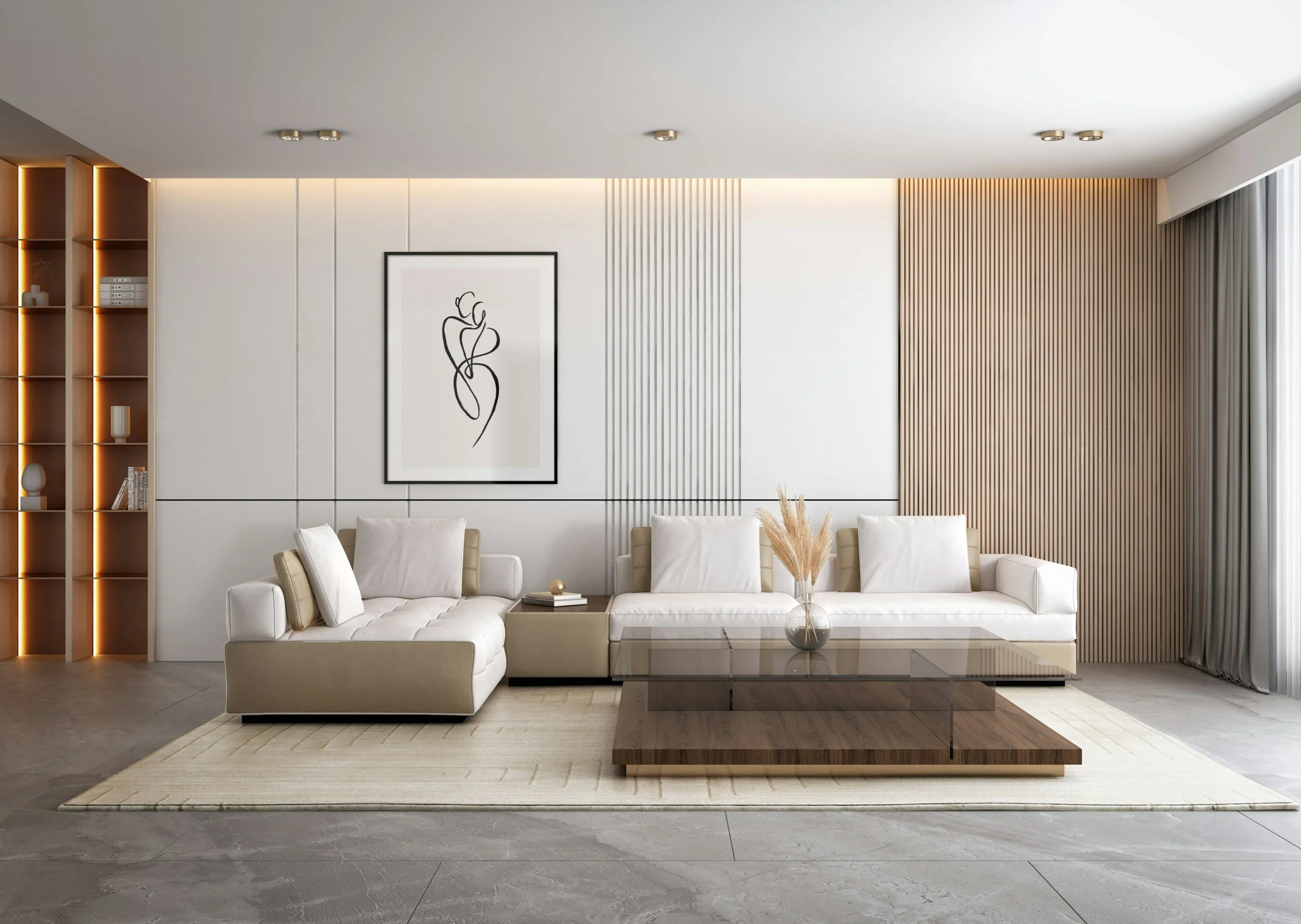
The photography quality within the curated portfolio is a trust and authority signal as much as an aesthetic one. Interior design photographs taken by a professional architectural and interior photographer, with professional lighting that makes the spaces look their absolute best and professional editing that reflects the genuine quality of the materials and the finishes without misrepresenting them, communicate a level of professional seriousness and aesthetic investment that smartphone photography or basic DSLR work cannot match. The designer who invests in professional photography for every project they feature in their portfolio is communicating the same level of care and quality investment in the presentation of their work as they claim to bring to the spaces themselves, and this consistency of standard across the design work and its documentation is itself a form of trust signal that the discerning prospective client will register even if they cannot consciously articulate it.
The video content that the most effective interior design portfolio websites integrate alongside still photography is the portfolio medium that most powerfully communicates the three-dimensional quality of the designed spaces, the specific materials and finishes in their physical reality, and the lived atmosphere of the completed environment in a way that even the most expertly composed and professionally lit still photography cannot capture. A short, beautifully shot walk-through of a completed project, that moves through the space in a sequence that reveals its planning and proportions as a genuine three-dimensional design experience rather than a series of flat elevations, is the portfolio content that most effectively converts the visitor who is imagining their own space into the prospective client who can genuinely begin to picture what their equivalent space might feel and look like after a comparable design intervention.
Context and storytelling that creates recognition rather than admiration
The portfolio project that creates genuine commercial recognition in the right prospective client is the project that is presented with enough context for the client to see themselves in the story of the commission. A project described only through its visual result creates admiration. A project described through the story of its commission, the specific brief the designer received, the specific challenges of the space or the client's lifestyle that the design had to address, the specific creative decisions and the reasoning behind them, and the specific outcome in terms of how the completed space has changed the experience of the people who use it, creates the specific recognition that makes the prospective client think "this is almost exactly the situation I am in, and this designer understood it and resolved it beautifully." This recognition-based motivation to enquire is the most powerful available conversion mechanism in an interior design portfolio, and it is the mechanism that curated but de-contextualised image galleries consistently fail to activate.
The project story format that most effectively creates this recognition in the right prospective client follows a specific narrative structure. The brief: what the client came to the designer with, in the specific terms that the prospective client can recognise as comparable to their own situation. The challenge: what was specifically difficult or complex about the space, the brief, or the client's lifestyle that the design had to address. The approach: what specific creative decisions the designer made and why they were the right responses to the specific challenges of this project. The detail: the specific materials, finishes, furniture, and craft elements that give the space its particular quality. And the outcome: how the completed space now serves the people who use it differently and better than it did before the intervention. This narrative structure is both more commercially effective than a captioned image gallery and more personally satisfying for the designer to produce, because it gives the designer the opportunity to describe and be credited for the genuine creative intelligence that their portfolio images only implicitly suggest.
A portfolio that tells the story of each project creates recognition rather than admiration and converts at a fundamentally different rate.
We build interior design portfolio websites that turn inspiration into enquiry.
Sequencing the portfolio for maximum first impression and progressive engagement
The sequence in which portfolio projects are presented is a commercial decision that most interior designers have never made explicitly but that has a significant and measurable effect on the conversion rate of the portfolio's visitors into enquiries. The project that appears first, before any scrolling or navigation is required, is the project that most powerfully shapes the visitor's initial impression of the designer's aesthetic identity and creative position, and if that project does not immediately resonate with the aesthetic the visitor is drawn to, a significant proportion of visitors will not scroll further. The first project should therefore be the most visually striking example of the designer's most commercially valuable aesthetic position, not the most recent project or the most personally significant one to the designer, unless those criteria happen to produce the same choice.
The progressive sequencing of the portfolio after the first project should tell a coherent visual and tonal story about the designer's creative identity, moving from the strongest initial impression through a range of projects that demonstrate creative versatility within a consistent aesthetic position. A portfolio that moves from a dramatic hero project through a series of complementary projects that each demonstrate a different facet of the same creative sensibility, creates a cumulative portrait of the designer's aesthetic that is more commercially powerful than a portfolio that jumps between radically different project types, because the coherent aesthetic portrait allows the prospective client to form a specific and confident sense of what the designer stands for and whether that position is the right creative fit for their own project aspirations.
The portfolio navigation that allows the visitor to filter projects by type, by room, by aesthetic, or by project scale, is a user experience feature that is commercially significant because it allows the prospective client whose interest is specifically focused on a particular type of space or a particular aesthetic to find the most relevant examples of the designer's work without having to scroll through the entire portfolio to locate them. The prospective client who is interested specifically in kitchen design, who can navigate directly to the designer's kitchen projects and see the full range of kitchen work the studio has produced, is a prospective client who has been given the most specific and the most relevant possible first impression of the designer's expertise in the area that matters most to them at this specific moment. This relevance-accelerating navigation is a commercial feature as much as a usability one, and the portfolio architecture that includes it will consistently produce higher engagement rates and higher enquiry conversion rates from the motivated prospective clients who arrive with specific project interests.
The placement of enquiry calls to action within the portfolio experience, rather than only at the end of a complete portfolio review, is the portfolio mechanics detail that most directly converts the inspired visitor at the moment of peak inspiration rather than after the inspiration has been diluted by the administrative effort of navigating to a contact page. The visitor who is looking at a project that has created genuine visual resonance and genuine recognition of their own situation should find a specific and warm invitation to discuss their project immediately within that experience, not a generic navigation link to a contact page that they may or may not have the motivation to follow after the specific inspiration of the project they are viewing has begun to fade in the process of navigating away from it. A subtle but specifically worded call to action within each project entry, inviting the visitor whose interest has been specifically engaged by this project to start a conversation about their own space, captures the enquiry at the moment of maximum commercial readiness rather than requiring the visitor to maintain that readiness through the friction of additional navigation.
Technical portfolio performance that preserves the visual experience on every device
The technical performance of an interior design portfolio website is the foundation on which the entire commercial effectiveness of the portfolio's content depends, because the most curated, most contextualised, and most beautifully photographed portfolio generates no commercial return if the visitor who arrives to experience it leaves before the images have finished loading. Interior design portfolio websites are inherently at risk of poor technical performance because high-resolution photography is essential to the portfolio's visual quality and is also the primary cause of slow page load times when it is delivered without proper optimisation. The designer who invests in genuinely excellent portfolio photography and then delivers it through an unoptimised website on basic shared hosting is simultaneously investing in the most commercially important element of the portfolio and undermining its commercial delivery through the technical inadequacy of the platform that serves it.
The mobile portfolio experience is the most commercially critical technical performance dimension for an interior design website, because a significant and growing proportion of prospective client discovery journeys begin on a mobile device during the moments of inspiration, evening browsing, and daydream research that precede the more formal desktop evaluation that typically happens closer to the point of actually reaching out. A visitor who discovers an interior designer's portfolio through a social media link while browsing on their phone in the evening, who arrives on a portfolio that loads slowly, displays images that are compressed into unrecognisable blocks during the loading process, or that requires horizontal scrolling to see images that have not been properly formatted for the mobile viewport, is a visitor who will likely abandon the portfolio before forming any positive impression of the designer's work. The most beautifully curated and contextualised portfolio in the design market generates no commercial return from this visitor because the technical delivery has prevented the content from being experienced.
Sequencing for first impression and fast mobile delivery are the portfolio mechanics that protect the return on every design investment.
We build interior design portfolio websites that perform beautifully on every device and at every connection speed.
SEO within the portfolio that makes the work findable by the right clients
The interior design portfolio that is beautifully curated and compellingly presented will generate commercial returns only from the visitors who find it. The portfolio SEO that makes the work findable by the specific prospective clients who are most likely to resonate with it and most likely to enquire about a project, is the specific investment that extends the portfolio's commercial reach beyond the visitors who have already been directed to it by social media, referrals, or press coverage, into the organically motivated search audience of prospective clients who are actively looking for a designer of this aesthetic type in this geographic area.
The specific SEO techniques that make interior design portfolio content findable by the right prospective clients include the use of descriptive and keyword-relevant image alt text that describes the specific project type, the aesthetic style, and the location context of each portfolio image in terms that match the search queries of the most commercially motivated prospective clients. A portfolio image described in its alt text as "contemporary open-plan kitchen and living room interior design in a Victorian townhouse, West London" is providing Google with the specific contextual information needed to serve that image and the surrounding content in response to searches for contemporary interior designers in West London, Victorian property specialists, and open-plan kitchen design in a way that a generic or absent alt text description cannot. This SEO technique is modest in the time it requires to implement and significant in the search visibility it provides for the specific and commercially valuable niche searches that motivated prospective clients make when they have a specific project type, aesthetic interest, and location in mind.
The portfolio project URLs and page titles are the most direct on-page SEO elements for interior design portfolio content, and they are the elements that most interior designer websites handle least effectively. A project page with the URL "typza.com/portfolio/project-14" and the page title "Project 14 | Studio Name" is providing Google with almost no useful information about the specific content of the project page. The same project page with the URL "typza.com/portfolio/contemporary-family-home-west-london" and the page title "Contemporary Family Home Interior Design, West London | Studio Name" is providing Google with the specific location, aesthetic, and project type information that allows the page to rank competitively for the specific combination of location and aesthetic searches that represent the most commercially valuable organic traffic opportunities for the studio. This simple and technically straightforward improvement to URL and page title structure is one of the highest-return technical SEO changes available to most interior design portfolio websites because it is so consistently underdone and because the commercial value of the specific searches it enables the portfolio to rank for is so disproportionately high relative to the effort required to implement it.
The written project descriptions that accompany portfolio photography are not only the storytelling and context-building content described earlier in this article. They are also the most substantive piece of SEO content on each project page, providing Google with the specific and keyword-relevant text that allows the page to be understood and served in response to a wide range of the location-specific, aesthetic-specific, and project-type-specific searches that prospective clients make when they are actively looking for an interior designer. A project description that naturally and conversationally incorporates references to the project's location, the aesthetic style pursued, the type of property involved, and the specific design challenges addressed, is providing Google with a rich and specific body of contextual information that allows the project page to rank for a range of commercially valuable long-tail searches without any of the forced keyword insertion that makes artificially SEO-optimised copy feel stilted and inauthentic to the human reader who encounters it.
Maintaining the portfolio as a living commercial asset over time
The interior design portfolio website is not a permanent record of completed work that is built once and left unchanged as the studio continues to grow. It is a living commercial asset whose effectiveness as a lead generation tool depends on its currency, its coherence with the studio's current creative position, and its accuracy as a representation of the calibre and the type of projects the studio is currently equipped and most motivated to take on. A portfolio that was built three years ago and that has not been updated since the studio's aesthetic has evolved and its calibre has risen, is a portfolio that is attracting prospective clients who are aligned with the studio's previous creative position and calibre rather than its current one, and that is failing to communicate the studio's most impressive recent work to the prospective clients who are evaluating it today.
The portfolio update discipline that produces the most commercially effective portfolio over time is the discipline of adding new projects on a regular cadence, of removing or deprioritising older projects that no longer represent the studio's current creative position or its most commercially valuable aesthetic identity, and of periodically reviewing the overall portfolio sequence and curation to ensure that the first impression it creates for a new visitor remains the most powerful and the most specifically relevant possible for the studio's current ideal prospective client. The studio that treats this portfolio maintenance as a regular and deliberate commercial activity, rather than as an occasional task that gets done when a significant new project is completed and photographed, will find that its portfolio remains consistently effective as a commercial tool throughout the studio's growth and evolution rather than gradually diverging from the studio's current reality as the work featured on it ages.
The photographer relationship that the most commercially serious interior design studios maintain as a standing professional partnership rather than a project-by-project commission, is the infrastructure investment that makes consistent portfolio maintenance practically achievable rather than commercially aspirational. A studio that has an established working relationship with a professional interior photographer whose style and approach is compatible with the studio's aesthetic, whose pricing and process the studio understands, and whose availability can be secured at the point of project completion without the delays and the administrative effort of finding and briefing a new photographer for each project, is a studio that can document each new project professionally as a matter of course rather than letting new work go undocumented because the process of commissioning photography for it feels too complex or too expensive to initiate for each individual project. This documented project archive is the raw material from which the portfolio is curated, and the studio that maintains it consistently will always have the creative resources needed to keep the commercial portfolio current, compelling, and accurately representative of the studio's best and most recent work.
The analytics data that reveals how prospective clients are engaging with the interior design portfolio, which projects are generating the most time-on-page engagement, which portfolio entry points are producing the most onward navigation to the enquiry pathway, and which project types and aesthetic categories are generating the highest proportion of motivated prospective client enquiries, is the specific commercial intelligence that guides the ongoing portfolio curation and sequencing decisions. The studio that monitors this data and uses it to inform its portfolio management will consistently make better curation and sequencing decisions than the studio that manages its portfolio on aesthetic intuition alone, because the data reveals the specific commercial preferences and the specific conversion pathways of the real prospective clients who are encountering the portfolio, rather than the assumed preferences of the idealised prospective client that aesthetic intuition tends to optimise for.
A living portfolio kept current and specifically sequenced compounds in commercial effectiveness every month.
We help interior designers build and maintain portfolio websites that consistently generate project enquiries.
Building the portfolio website that consistently converts inspired visitors into paying clients
Interior design portfolio website design that consistently converts inspired visitors into paying clients is built on the specific and deliberate combination of curation, context, sequence, technical performance, and commercial mechanics that transforms a beautiful image gallery into a genuinely effective sales tool. The portfolio is curated to the projects that most powerfully embody the studio's specific aesthetic identity and most specifically attract the ideal prospective client. Each project is contextualised with enough story and specific detail to create recognition rather than only admiration. The sequence creates the strongest possible first impression and guides the visitor through a coherent experience of the studio's creative identity. The technical performance delivers the visual content at the quality and the speed that every device and every connection speed requires. And the commercial mechanics, the in-portfolio calls to action, the SEO that makes the work findable, and the enquiry pathway that makes reaching out feel specific and easy, convert the inspiration the portfolio creates into the project conversations that the studio's revenue depends on.
The interior design studios that build their portfolio websites to this standard consistently generate a higher proportion of motivated project enquiries from their total portfolio visitor traffic, from prospective clients who have been specifically attracted by the aesthetic identity the portfolio communicates and who arrive at the first consultation already feeling a genuine creative alignment with the studio's design sensibility. These clients are better fits for the studio's most valued projects, more motivated to proceed, and more likely to become the enthusiastically satisfied clients whose referrals, testimonials, and social sharing sustain and grow the studio's reputation over time. The commercial return on building the portfolio website to this standard is not only in the direct enquiries it generates but in the quality of the projects and the client relationships that those enquiries lead to.
For interior design studios whose current portfolio websites are visually impressive but commercially underperforming, the improvement available from implementing the specific portfolio presentation principles described in this article is typically significant and achievable progressively rather than requiring a complete website rebuild. The curation review that removes the work that dilutes the aesthetic identity. The project descriptions that add the specific context and storytelling that creates recognition. The sequence review that places the most commercially powerful work first. The technical audit that identifies and addresses the most significant performance issues. And the commercial mechanics that place specific and warm enquiry invitations within the portfolio experience rather than only on the contact page. Each of these specific improvements produces a measurable change in the portfolio's conversion rate, and the cumulative effect of implementing all of them systematically is a portfolio website that generates project enquiries consistently and at a rate that reflects the genuine quality of the studio's creative work.
If you want an interior design portfolio website that consistently converts inspired visitors into paying clients, we can help. Take a look at our approach to website design for interior designers and book a free call to discuss how better portfolio presentation could transform your studio's enquiry conversion rate.
Written by
Mikkel Calmann
See how we build interior design portfolio websites that convert inspiration into project enquiries.
Our approach shows what a properly converting interior design portfolio website looks like.
More web design insights for interior designers