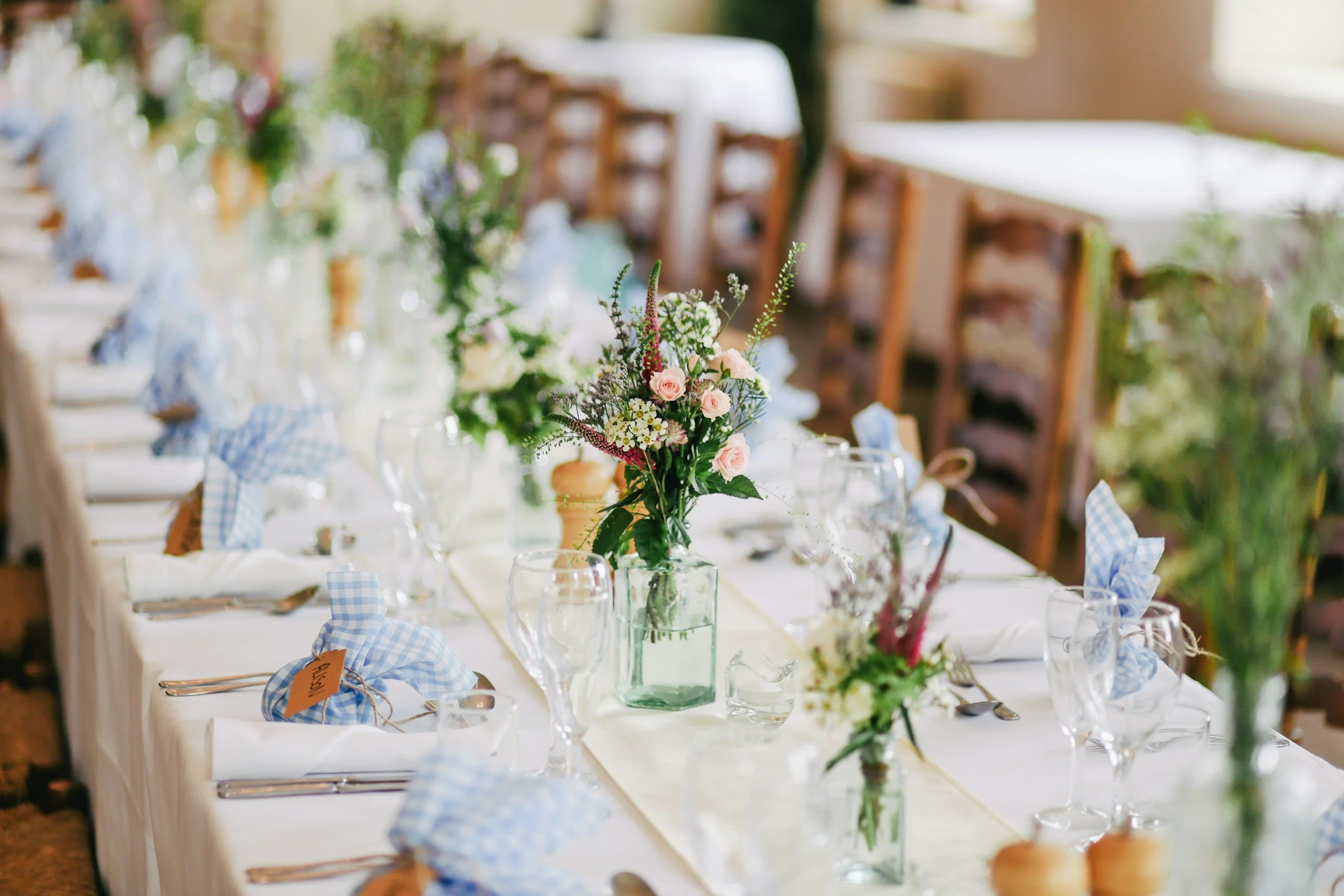
Designing an event planner portfolio website that does the visual heavy lifting
An event planner portfolio website is doing the heaviest lifting on your entire site. A discerning client will scroll your past events for ten minutes before they ever read a word of body copy, and what they decide in those ten minutes determines whether they enquire. The difference between a portfolio that converts and one that simply looks nice is not photography quality. It is structure, sequencing, and the specific captioning that lets a client see themselves in the work.
Why the event planner portfolio website carries more weight than any other page
An event planner portfolio website is doing the heaviest lifting on your entire site. A discerning client will scroll your past events for ten minutes before they ever read a word of body copy, and what they decide in those ten minutes determines whether they enquire. The difference between a portfolio that converts and one that simply looks nice is not photography quality. It is structure, sequencing, and the specific captioning that lets a client see themselves in the work.
Most event planner portfolios are organised as a flat grid of images, sorted loosely by date or event type, with minimal context around any individual entry. This format looks clean and professional, but it asks the prospective client to do all the interpretive work themselves. They have to infer event scale from the photography, guess the type of client commissioning the work, and imagine themselves in a scenario that has not been described to them. The planners whose portfolios consistently produce enquiries are the ones who have done that interpretive work on the client's behalf, by structuring each portfolio entry as a short professional record rather than as a photograph set.
The event planner portfolio website that converts is one where the prospective client can land on a specific event feature and immediately understand the event type, the approximate scale, the creative brief in broad terms, and the specific challenge that made this event worth featuring. That context does not require long descriptions. A headline naming the event type and the venue, a guest count, two sentences describing the brief and the primary creative or logistical consideration, and a well-sequenced set of images is sufficient. What it does require is the deliberate decision to treat each portfolio entry as evidence rather than as visual content.
How to structure portfolio entries so they build rather than just display
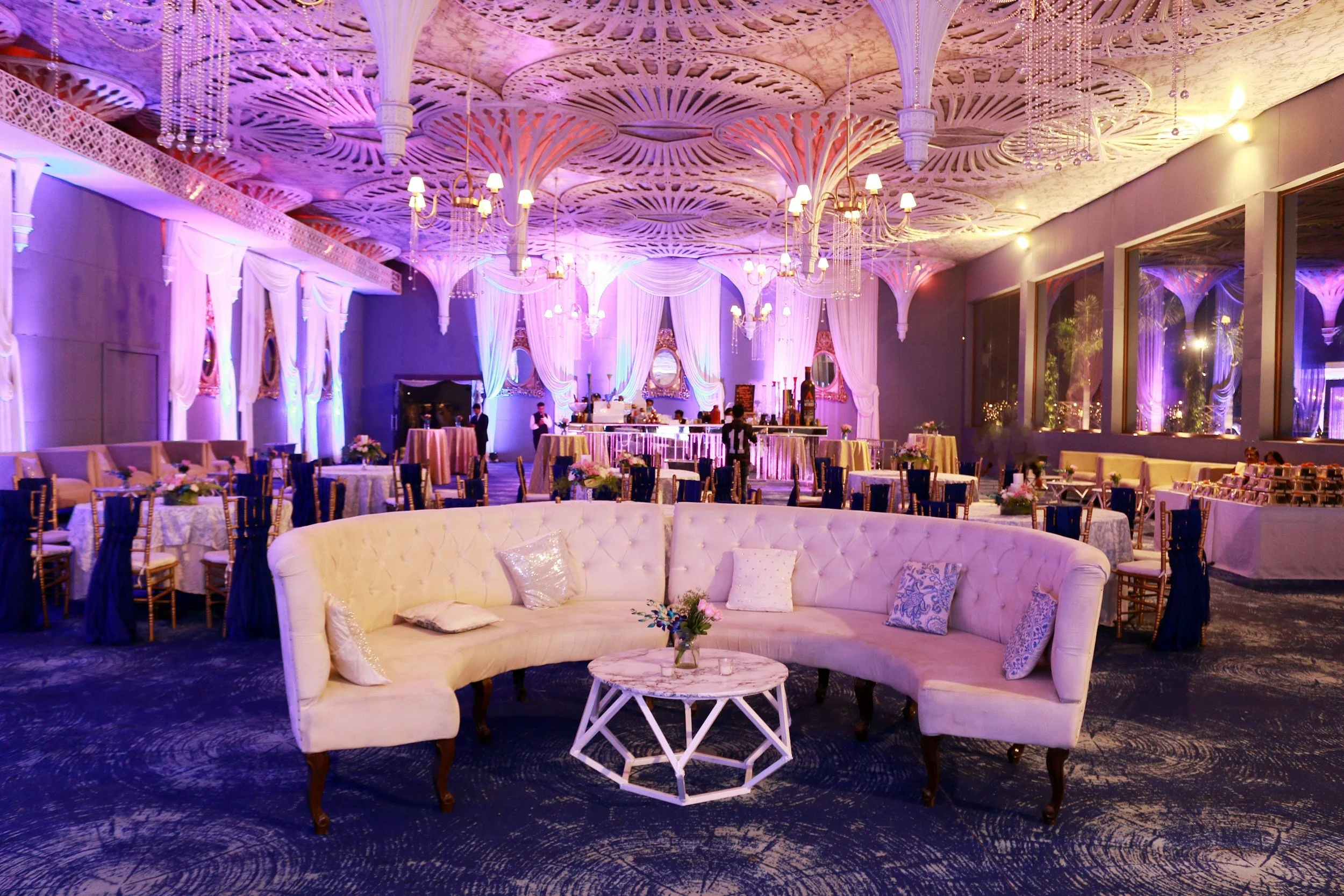
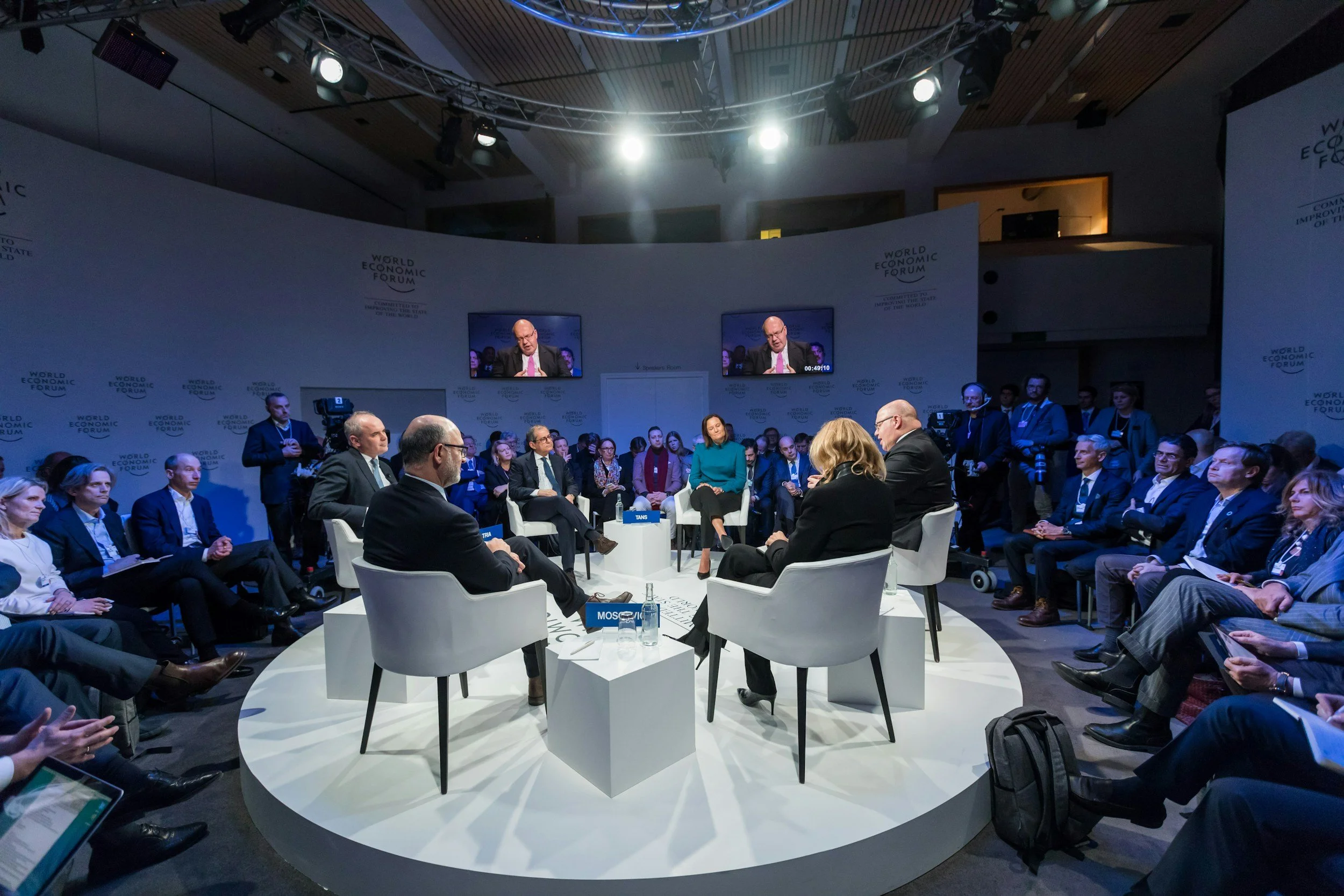
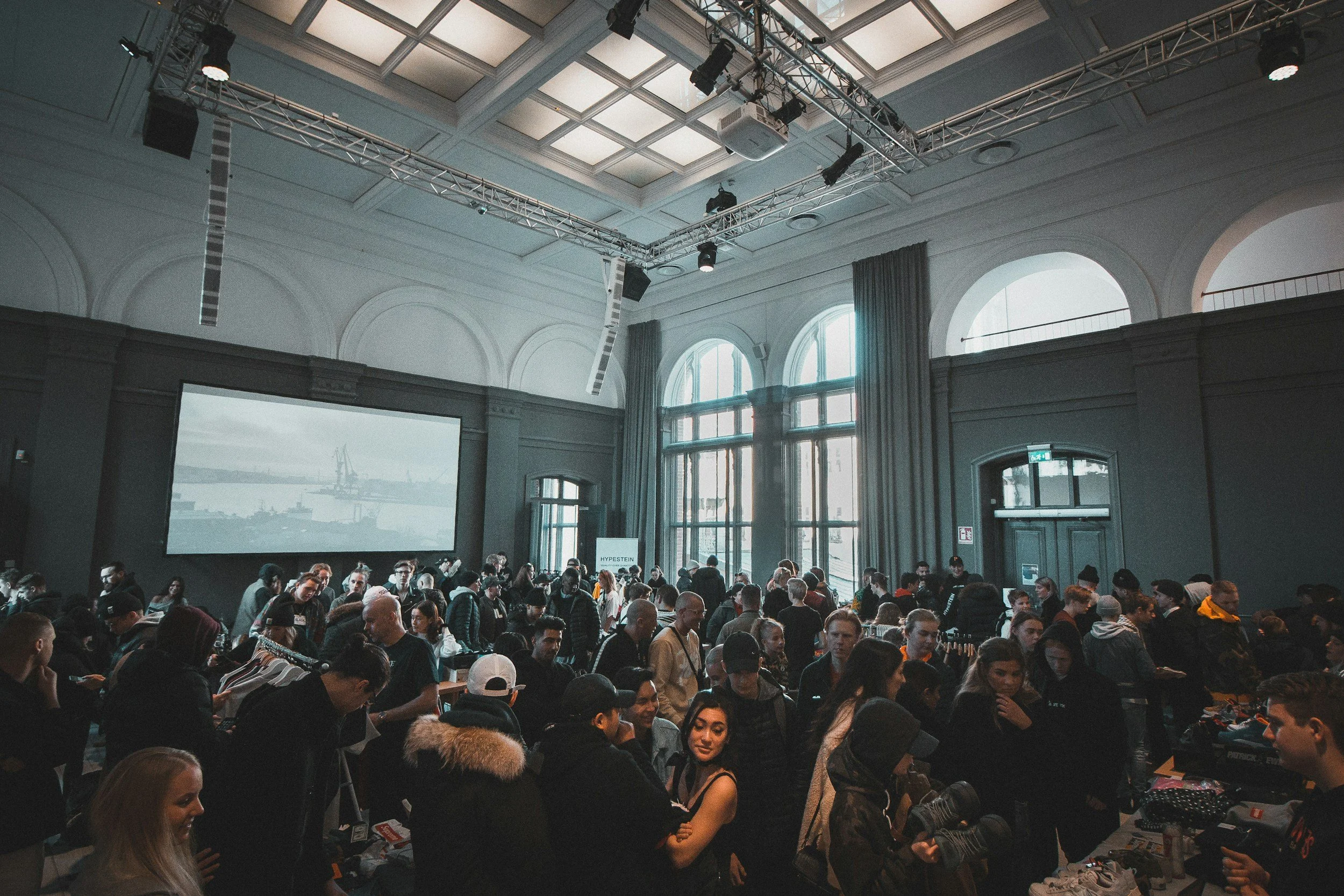
A portfolio entry that builds commercial confidence has a clear anatomy. It opens with the event type and the occasion: a three-day residential corporate conference at a Scottish estate, a 400-guest outdoor wedding in a private walled garden, a product launch dinner for a luxury fashion brand. This opening immediately tells the prospective client whether the planner has experience with their type of event and at their approximate scale, which is the first question they are trying to answer.
The brief description that follows does not need to describe the entire planning process. It should highlight one or two specific details that communicate creative or operational capability: the challenge of installing a temporary structure for outdoor dining in a site with no existing infrastructure, the coordination of thirty-five international suppliers for a destination wedding, the management of a guest list that included several high-profile individuals with specific security and privacy requirements. These details signal competence in ways that beautiful images alone cannot, because they describe a kind of professional problem-solving that the prospective client who has managed their own events knows is genuinely difficult.
The image sequencing within a portfolio entry matters more than most planners recognise. The first image should be the one that makes the strongest atmospheric impression, drawing the viewer into the experience of the event. Middle images should show detail and scale, confirming the quality of execution and the range of elements managed. The final image should leave the viewer with a sense of the event as a complete, coherent experience rather than a collection of well-photographed moments. This sequencing does not require more images. It requires selecting and ordering the images already in the photographer's delivery with this specific emotional and evidential arc in mind.
The captioning approach that makes portfolio photography commercially useful
Captions on a portfolio website are the most underused commercial tool available to event planners. Most portfolio images are either uncaptioned or carry a basic description of what the image shows: "floral centrepiece detail" or "ceremony under the oak canopy." These captions add no commercial value. They confirm what the viewer can already see rather than adding context that changes how they interpret the image.
A caption that does commercial work describes what the image represents at a professional level. "Hand-foraged British seasonal flowers arranged by our resident floral studio for a 280-guest summer celebration in Oxfordshire" tells the prospective client something they did not already know: the scale of the event, the geographic context, the season, and the relationship with a floral studio that suggests a network of specialist suppliers rather than a single generalist planner. That kind of caption turns a photograph into evidence. It is the difference between a portfolio that impresses and a portfolio that convinces.
The same principle applies to video content, which is increasingly present on event planner websites and which carries unique persuasive potential because it communicates atmosphere and scale in ways that still photography cannot. A well-edited highlight film that opens with the empty venue before transformation and ends with the space at full capacity, showing the progression from installation to live event, communicates operational competence in a way that is almost impossible to fake. It tells the prospective client that this planner has done this scale of work, managed this complexity, and produced this result, in a format that is both emotionally compelling and professionally credible.
Portfolio structure converts where photography alone cannot.
We build event planner portfolio websites where each entry is evidence, not just imagery.
Organising the portfolio to serve the ideal client rather than the full archive
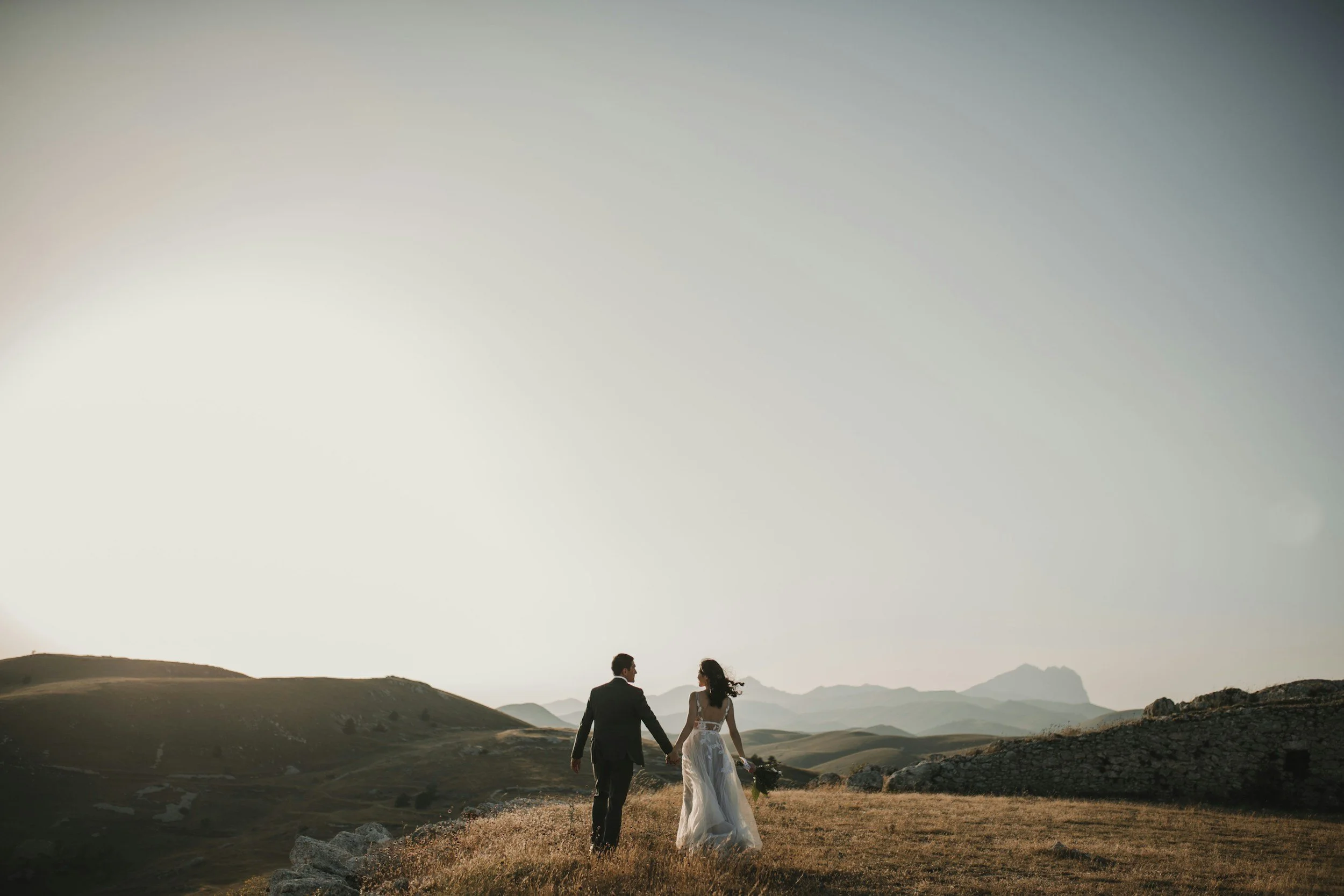
The temptation when building an event planner portfolio website is to include everything. Every event delivered, every type of commission, every scale of production. This instinct is understandable, but it typically produces a portfolio that is too broad to communicate clear expertise in any specific area. A prospective client looking for a luxury wedding planner who encounters a portfolio spanning corporate conferences, children's parties, product launches, and intimate dinners alongside a handful of high-end weddings does not come away with a strong impression of wedding expertise. They come away with a general sense of capability that does not differentiate the planner from the dozen other generalists they have visited on this research session.
The most commercially effective portfolios are those that are curated around the planner's primary commission target. If the business is built for luxury weddings, the portfolio should be weighted toward luxury weddings, with corporate work either absent or presented in a separate section that does not dilute the primary positioning. If the business specialises in large-scale corporate events, the portfolio should lead with that work and make it impossible for a prospective corporate client to mistake the planner for a primarily social events company.
This curation requires accepting that some work will not appear on the site, even if it was executed to a high standard. The omission is not a statement about the quality of the omitted work. It is a deliberate positioning decision that strengthens the overall signal the portfolio sends to the clients the planner most wants to attract. The planner who is comfortable making this decision, and who updates the portfolio curation annually as the business evolves, is the planner whose website remains a consistently strong commercial asset rather than a growing archive that progressively dilutes the brand it was built to communicate.
Photography and production standards for a portfolio that earns clicks
The photography quality on an event planner portfolio website is not negotiable at the premium level of the market. A prospective client considering a five-figure commission who encounters portfolio images that are poorly lit, inconsistently edited, or evidently taken on a phone camera rather than by a professional photographer, will draw a specific conclusion about the planner's standards and their professional environment before they have read a word of copy. The visual quality of the portfolio is the most direct signal the prospective client receives about the quality of the events the planner delivers.
Working with professional event photographers at each significant commission is the baseline requirement for building a portfolio that performs commercially. Beyond this baseline, the planner who develops an ongoing relationship with one or two photographers whose editing style is consistent and distinctive builds a portfolio with a recognisable visual identity, which reinforces the personal brand the website is trying to communicate. A portfolio where every image looks like it was shot by a different photographer with a different aesthetic conveys a lack of coherence that subtly undermines the creative authority the planner is trying to establish.
The practical question of how to build a portfolio when the business is early-stage or transitioning toward a more premium market is worth addressing directly. Planners who do not yet have the portfolio they want can approach it in two ways. They can invest in styled shoot photography that demonstrates the kind of work they aspire to deliver, clearly labelled as styled content rather than live event photography. Or they can identify the two or three live events from their existing portfolio that most closely represent their target market and invest in having those events properly photographed retrospectively if high-quality imagery does not already exist. Either approach is preferable to building a lead generation strategy around a portfolio that does not yet represent the commissions the planner is trying to attract.
A curated portfolio signals expertise an archive cannot.
We help event planners decide what to show, how to show it, and what to leave out.
Load speed and technical performance in portfolio presentation
An event planner portfolio website handles more large image files than almost any other type of professional service website, which makes technical performance a more pressing concern here than for most other industries. An unoptimised portfolio with fifty full-resolution images and two embedded video files can produce load times of eight to twelve seconds on a standard mobile connection. At that load speed, the majority of prospective clients on mobile have already left before a single image has fully rendered. The commercial cost of this technical failure is invisible to the planner because they never see the visitors who bounce before engaging, but it is real and it is cumulative.
Modern image formats reduce file sizes substantially without visible quality loss. Converting portfolio images from JPEG to WebP or AVIF typically reduces file size by forty to sixty per cent. Implementing lazy loading, where images only load as they enter the viewport rather than all loading simultaneously, removes the initial page load penalty that large portfolios create. These are not complex technical changes. They are standard optimisations available in any contemporary web publishing platform and straightforward for a developer to implement in a custom build.
Video content requires particular care. An autoplay background video in a homepage hero section can add several megabytes to the initial page load, which is the worst possible place to introduce significant load time. If video is used in the homepage hero, it should be compressed aggressively, preloaded with a static image that displays while the video loads, and absent on mobile entirely where the performance cost is highest. Video content embedded from a streaming platform like Vimeo or YouTube loads on demand rather than as part of the initial page, which avoids the performance penalty entirely while still delivering the full quality of the content. If you want help building an event planner portfolio website that is as technically clean as it is visually compelling, we are ready to talk.
Keeping the portfolio current and commercially relevant over time
An event planner portfolio website that is not regularly updated gradually loses its commercial effectiveness in two ways. The first is visual: portfolio images from three or four years ago may reflect a creative style that has since evolved, a quality level below the current standard, or an event scale that no longer represents the commissions the planner is seeking. A prospective client who sees only older work will calibrate their expectations to that older work, which can lead to misaligned enquiries or, worse, a situation where the planner's current capability significantly exceeds what the website communicates.
The second is SEO. Search engines reward content that is regularly updated and refreshed. An event planner who adds a new portfolio feature every six to eight weeks, with properly captioned images and a brief description that naturally includes relevant location and event type terms, is building a slow but compounding search visibility advantage over planners whose portfolios have not been updated in years. The cumulative effect of consistent portfolio updates across twelve to twenty-four months is a meaningfully stronger search presence for the specific event type and location terms the planner most wants to rank for.
The discipline of treating portfolio maintenance as a regular business task rather than an occasional project is what separates planners whose websites remain commercially effective over the medium term from those who find themselves investing in a full rebuild every few years because the site has drifted so far from the current business that it is no longer doing useful commercial work. A quarterly portfolio review, adding new entries from the most recent commissions and archiving or removing entries that no longer represent the current positioning, keeps the site current with minimal sustained effort and ensures the portfolio continues to earn the enquiries it was built to generate.
Slow portfolios lose clients before any image loads.
We build event planner portfolio websites that load fast and display beautifully on every device.
A portfolio that earns the commission every time a qualified client visits
The event planner portfolio website that consistently earns commissions is not simply a collection of excellent photography. It is a professionally structured record of past work, curated to communicate specific expertise to the specific type of client the planner most wants to attract, contextualised to allow self-qualification at every level of the research process, and maintained consistently enough to remain a current and accurate representation of the business as it exists today rather than as it existed when the site was last rebuilt.
The investment required to transform an existing portfolio into this kind of commercial asset is almost always smaller than planners expect. The photography may already exist. The testimonials may only need to be solicited more specifically. The context, the guest counts, the venue names, the brief descriptions, can often be added to existing entries in a focused afternoon. What the transformation requires most is the commercial intention to treat each portfolio entry as a piece of professional evidence rather than as a visual display, and the discipline to maintain that standard with every new entry added going forward.
If you want help building an event planner portfolio website that earns enquiries every time the right client visits, we are ready to help you structure it correctly.
Written by
Mikkel Calmann
See websites built without the common mistakes.
Our event planner websites are designed around commercial outcomes, not visual impressions.
More web design insights for event planners