10 Minimalist luxury websites that redefine modern elegance.
Explore 10 minimalist luxury websites that set the standard for modern elegance, refined visuals, and premium brand presence. Inspiration for brands seeking elevated, high-end web design.
Written by Mikkel Calmann
Dec 15, 2025

Why minimalist luxury websites matters right now
In the world of high-end digital branding, where refinement is currency and attention is a luxury, 10 minimalist luxury websites stand out as benchmarks for modern elegance. These aren’t simply clean layouts—they are disciplined compositions, intentional breathing room, and visual restraint executed with taste and authority.
Luxury buyers are fatigued by noise, clutter, and over-explained storytelling. They want clarity. They want atmosphere. They want a website that telegraphs confidence before a single line of copy is read.
Minimalism—when elevated to its luxury expression—is not about simplicity. It’s about precision.
It’s about editorial quietness that lets the brand’s essence speak.
For premium founders, boutique labels, and high-ticket service brands, the problem is clear: most websites are visually loud and strategically insecure. They try too hard to impress and end up diluting their perceived value.
The following curated selection showcases 10 minimalist luxury websites that master visual restraint and brand-led sophistication, giving prospective clients the instant “I want that” moment—before they ever scroll.
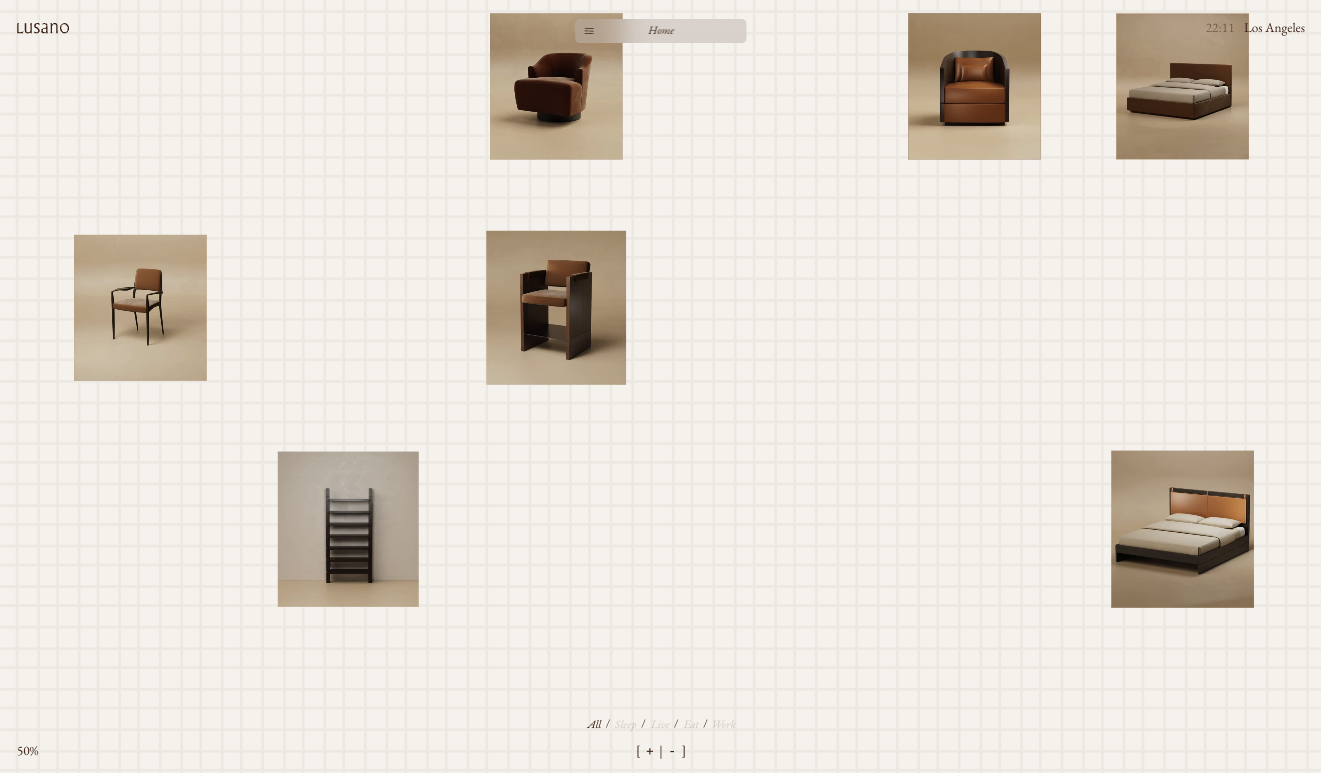
10 Minimalist luxury websites that nail the art of editorial elegance
Each site below demonstrates a unique interplay of white space, typography, art direction, and refined movement. These examples are not templates to copy—they are case studies in how luxury brands command presence without excess.
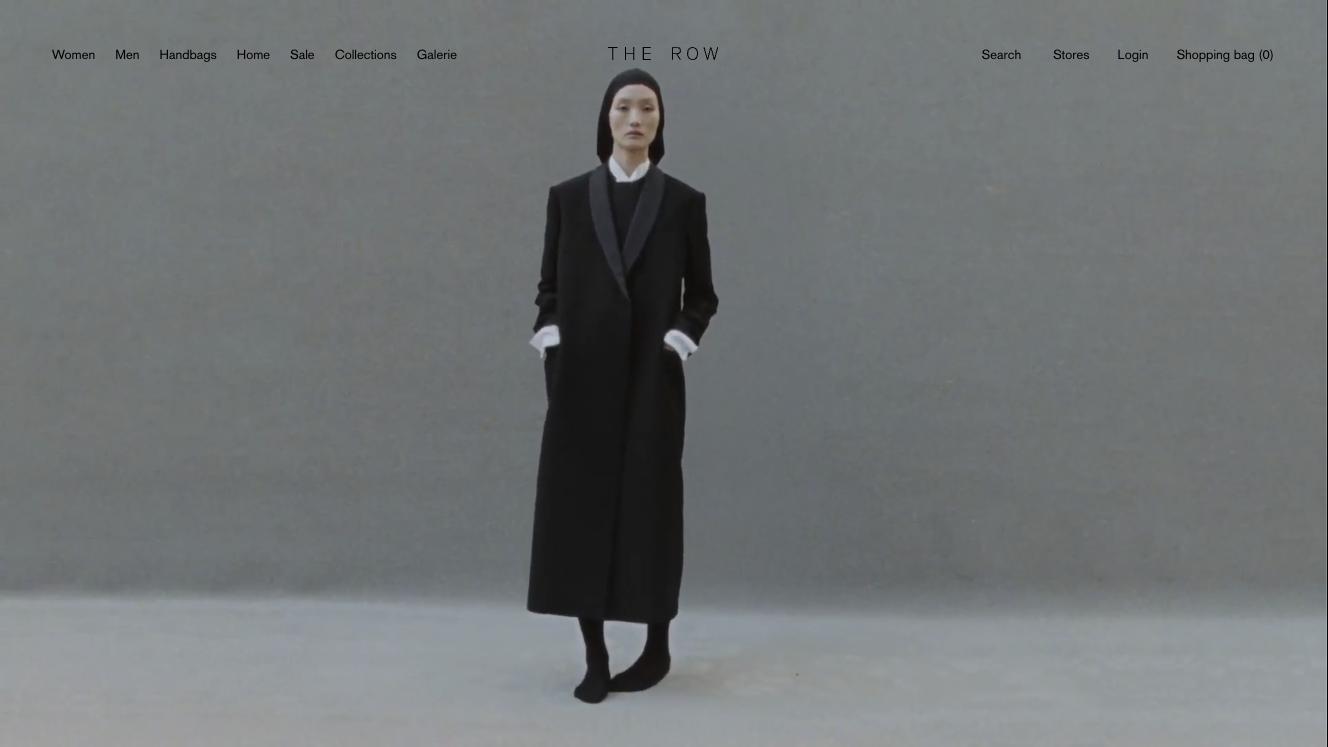
1. The Row — The blueprint of understated authority
The Row’s website is a masterclass in silent confidence.
No loud banners. No promotional noise.
Just editorial spaciousness, restrained color, and art-house photography.
Why it works:
Content breathes. Nothing competes for attention.
Typography is not decorative; it’s architectural.
The site feels like a gallery—not a store—instantly elevating product value.
Takeaway for premium brands:
Minimalism becomes luxury when every pixel is intentional.
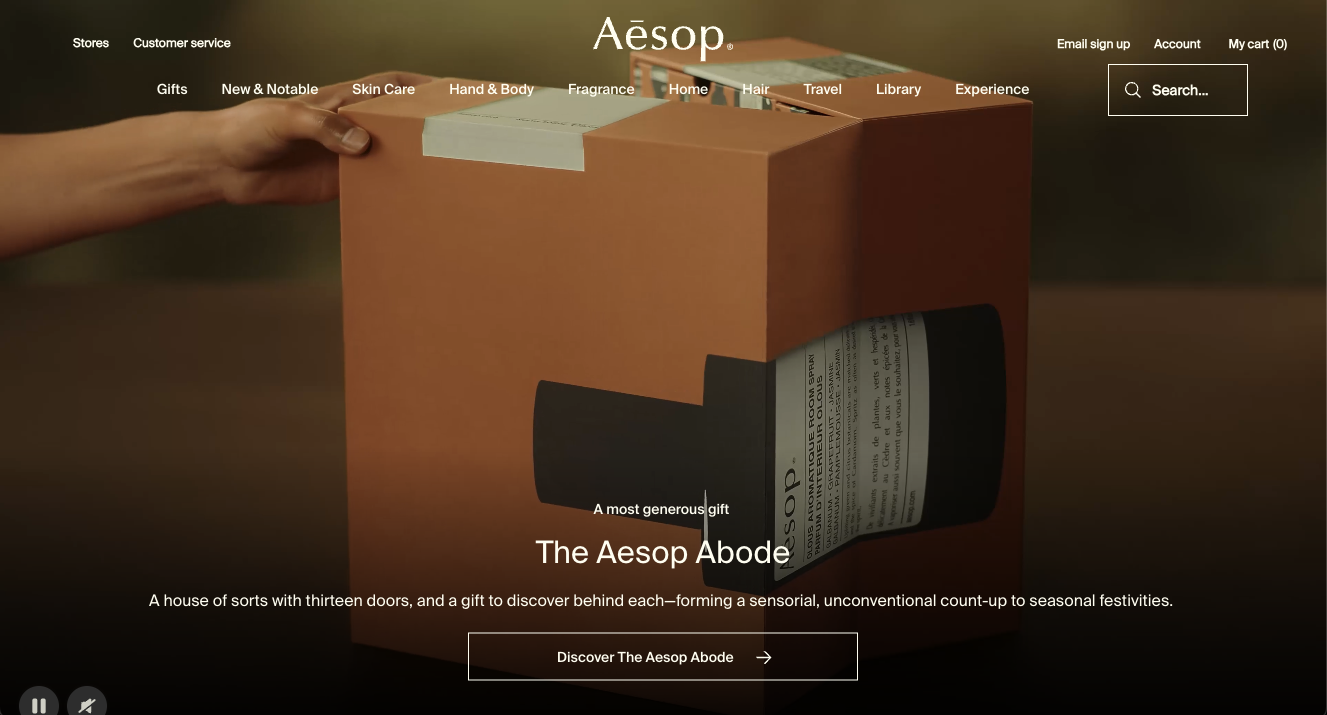
2. Aesop — Ritualized minimalism in digital gorm
Aesop’s digital universe is the perfect balance of quiet minimalism and cultural storytelling. Their layouts shift gently, giving every product space to feel iconic.
Why it works:
Neutral, earthy palette mirrors the brand’s sensorial identity.
Product photography is displayed like sculpture.
Copy is poetic but simple—never shouting.
High-ticket insight:
When visual minimalism meets narrative richness, premium resonance happens.
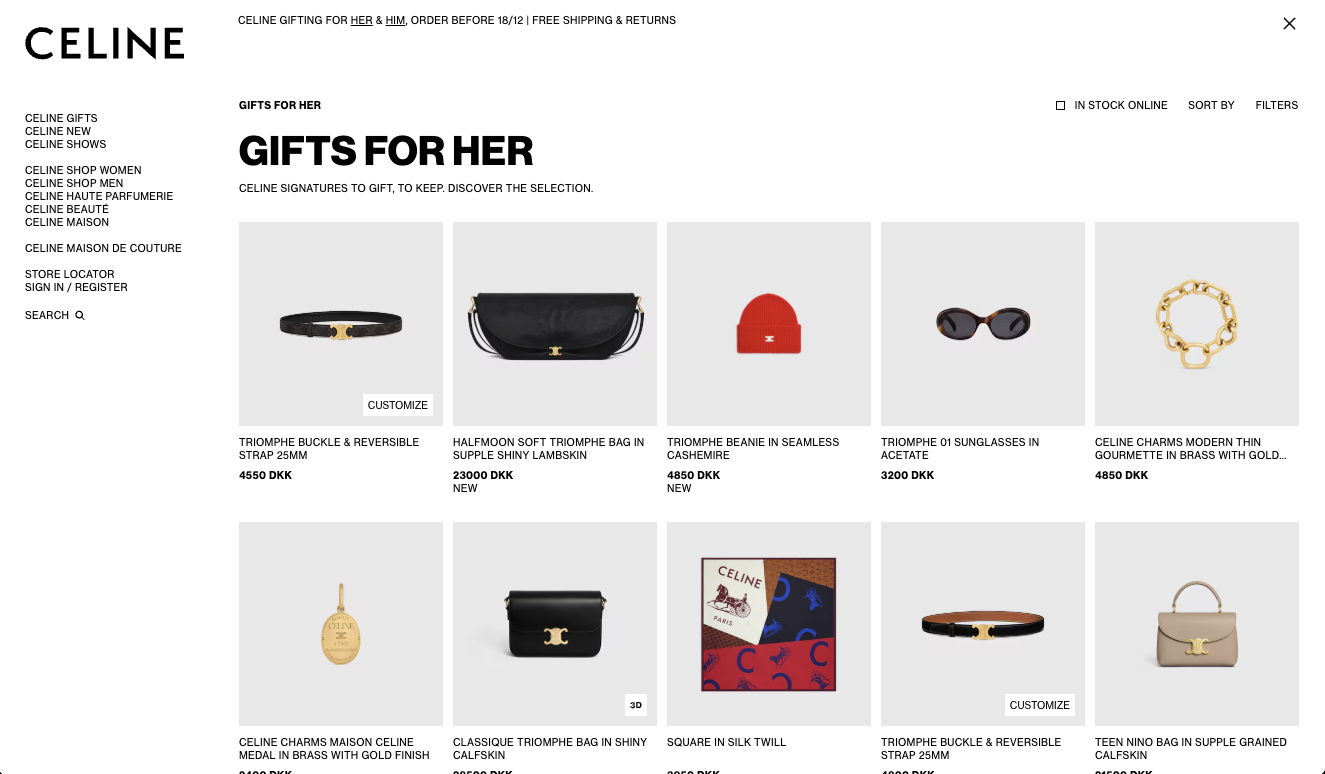
3. Céline (Old Hedi Slimane Era) — Purity and precision
The Céline site under Phoebe Philo’s era (still referenced globally) became the holy grail of minimalist web design.
Why it works:
Ultra-thin sans-serif typography made luxury feel almost medicinal.
Large-scale images dominated the layout, crafting a magazine-like aesthetic.
Zero friction. Zero clutter. Total focus.
Creative Director note:
Minimalism becomes a brand language—not a style—when it influences how products, photography, and content coexist.
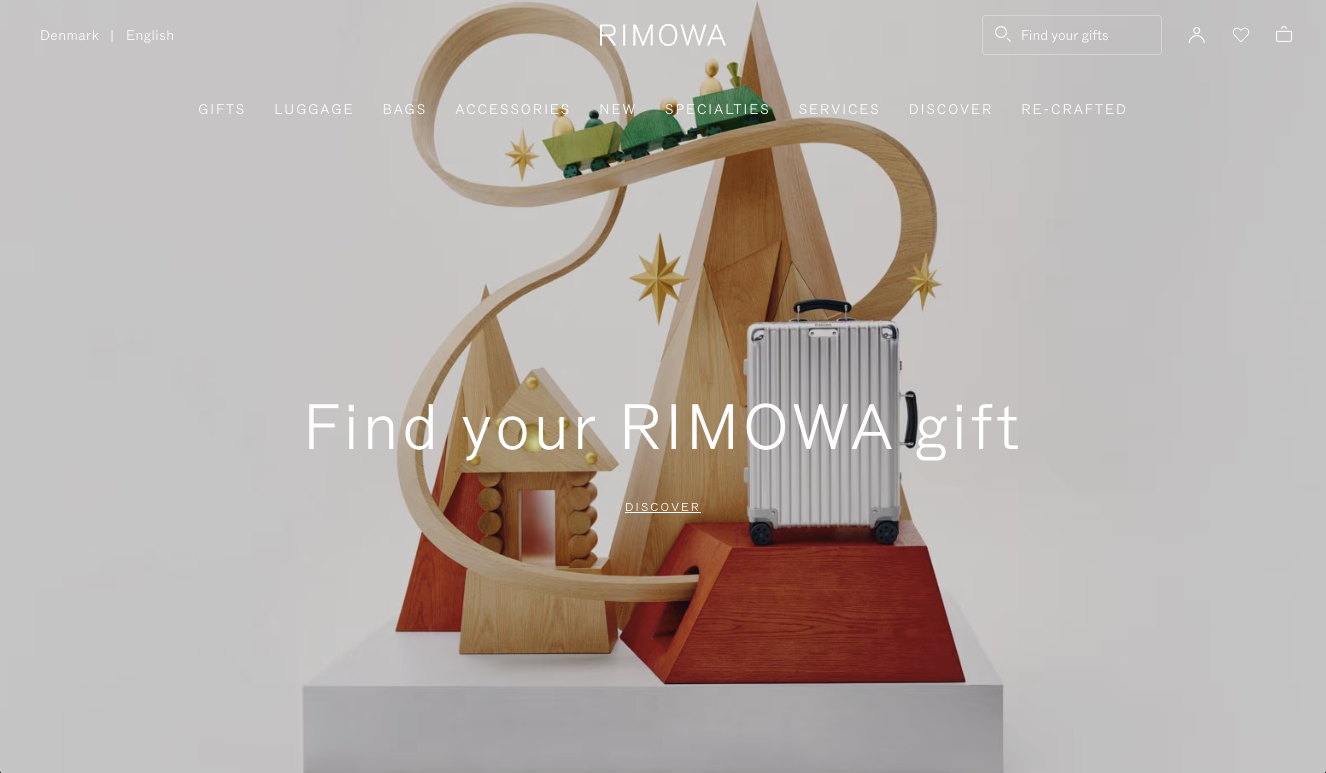
4. Rimowa — Industrial minimalism meets german precision
Rimowa’s website feels engineered. Everything is crisp, modular, and modern.
Why it works:
Precise grid alignment creates visual trust.
Chrome-inspired color palette reflects the product.
Cinematic videos highlight motion, not noise.
For premium clients:
This is minimalism with structure. Minimalism with posture.
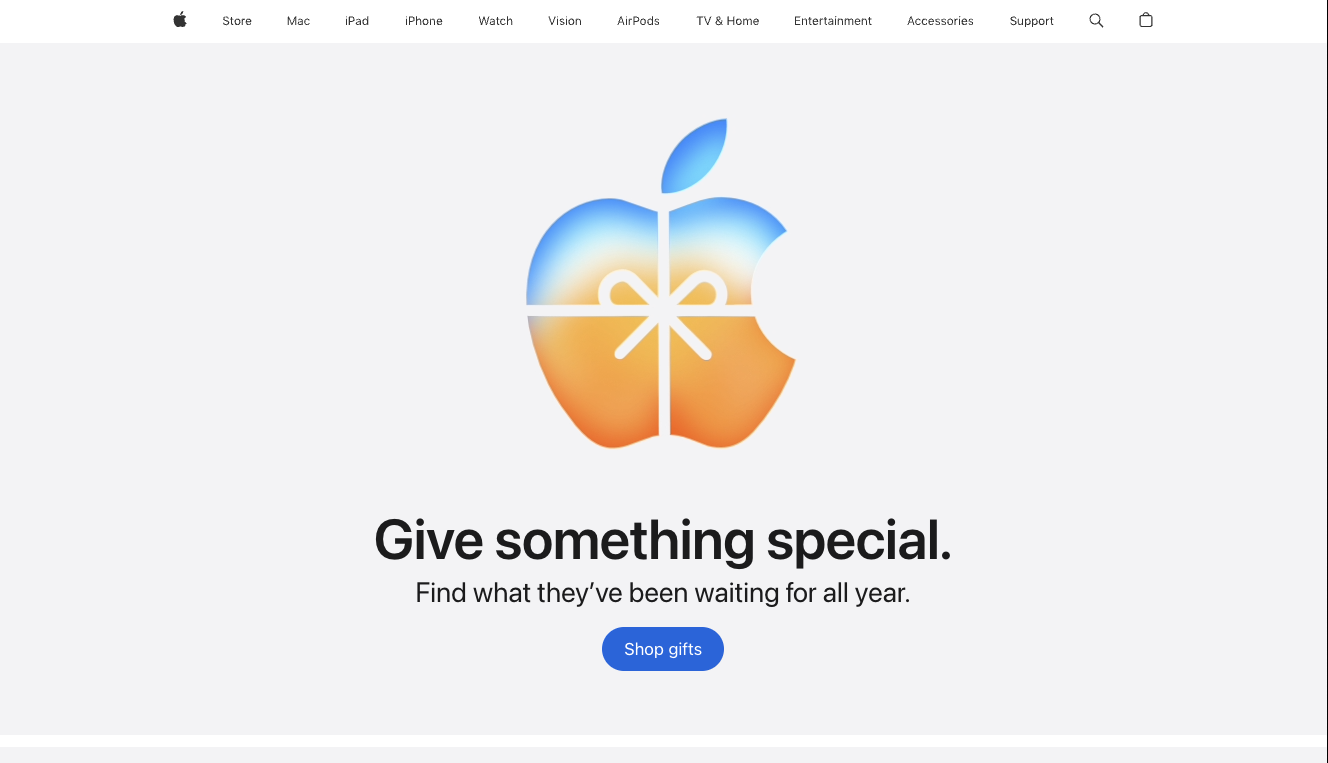
5. Apple — The archetype of luxury minimalism
Apple’s design philosophy has become the blueprint for digital minimalism: clarity, geometry, and disciplined restraint.
Why it works:
Hyper-clean product shots against vast white space.
Typography with just enough weight to convey confidence.
Slow, elegant micro-interactions feel expensive.
Strategic takeaway:
Luxury is not about adding—it’s about removing until only excellence remains.
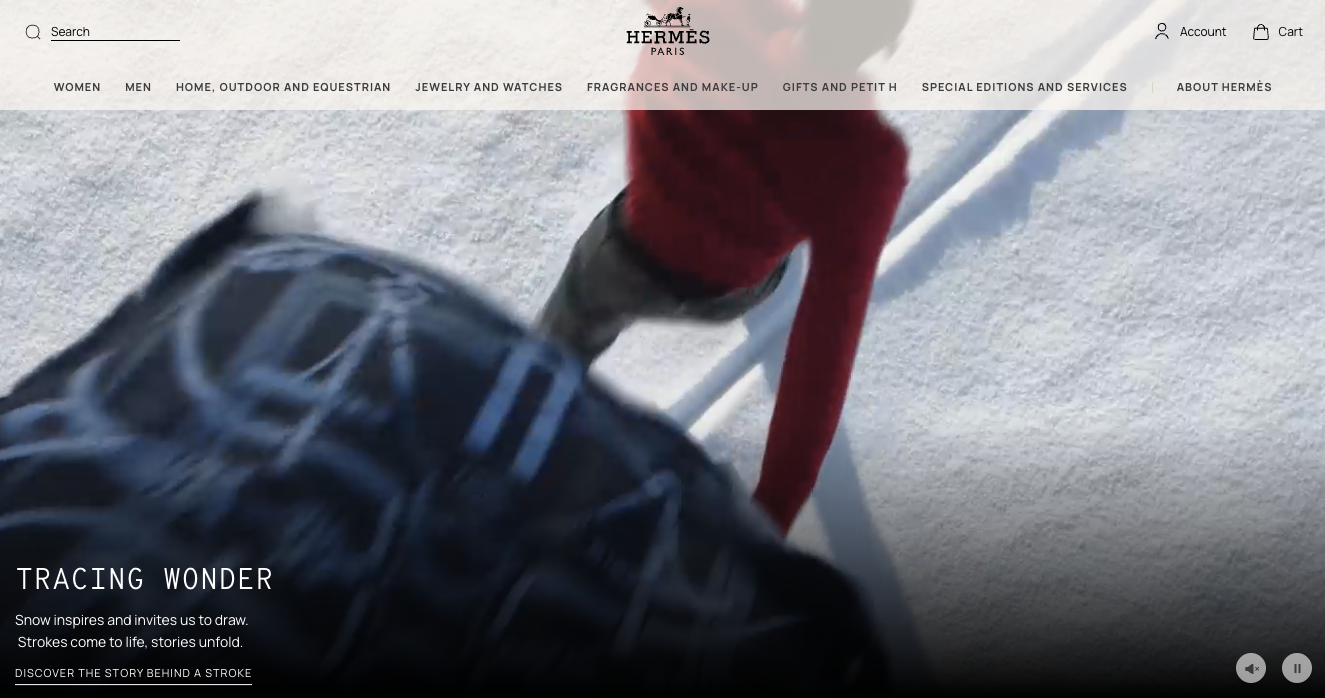
6. Hermes — Art-forward minimalism
While not strictly minimalist in all areas, Hermes’ digital editorial pages remain deeply influential for luxury-brand web design.
Why it works:
Whitespace paired with bold, unexpected color blocks.
Photography that feels editorial, not e-commerce.
Clean layouts that guide the eye with graceful rhythm.
Design insight:
Luxury minimalism can include color when the palette is curated with sophistication.
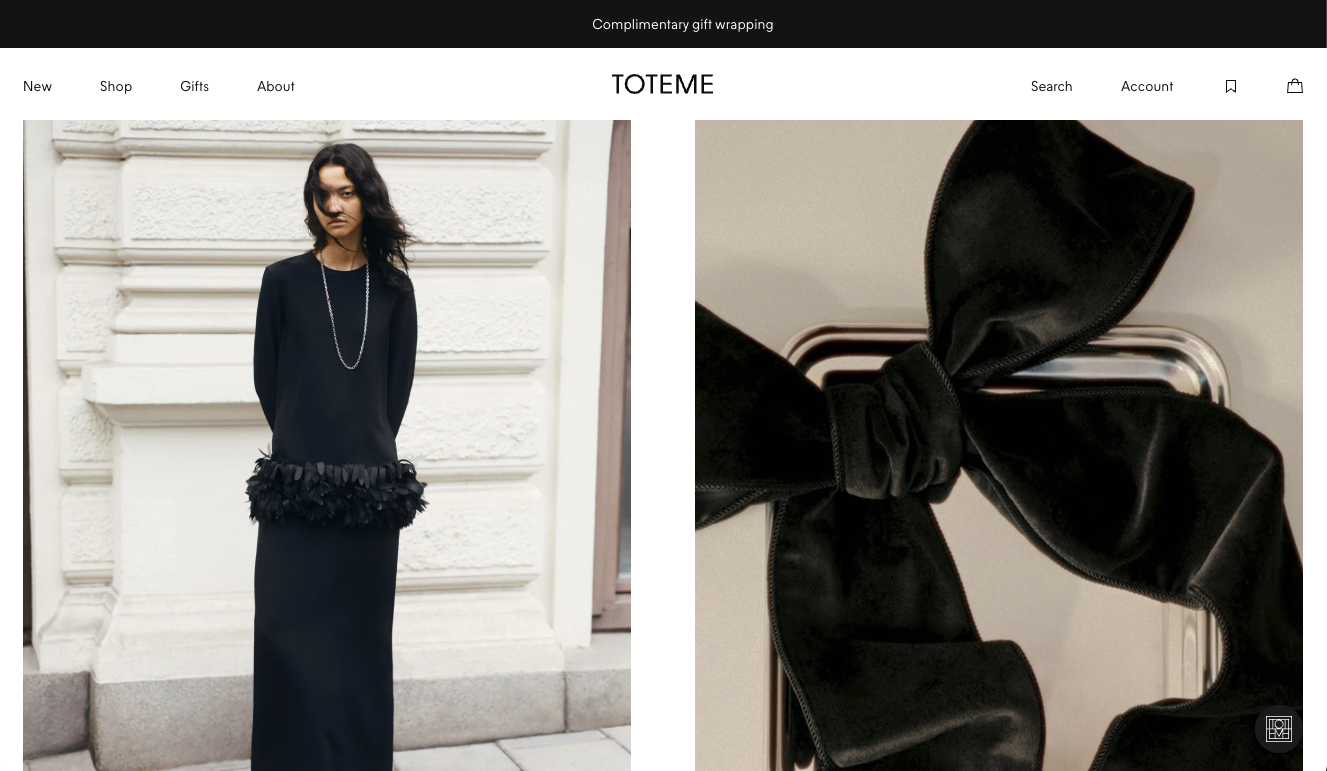
7. Toteme — Scandinavian editorial minimalism
Toteme’s website nails the intersection of fashion minimalism and architectural editorial design.
Why it works:
Harmonious grids reminiscent of print magazines.
Soft monochromatic palette that feels tactile.
Slow, confident scroll pace—no rush, just presence.
For high-ticket founders:
Minimalist luxury thrives when design mimics a physical experience.
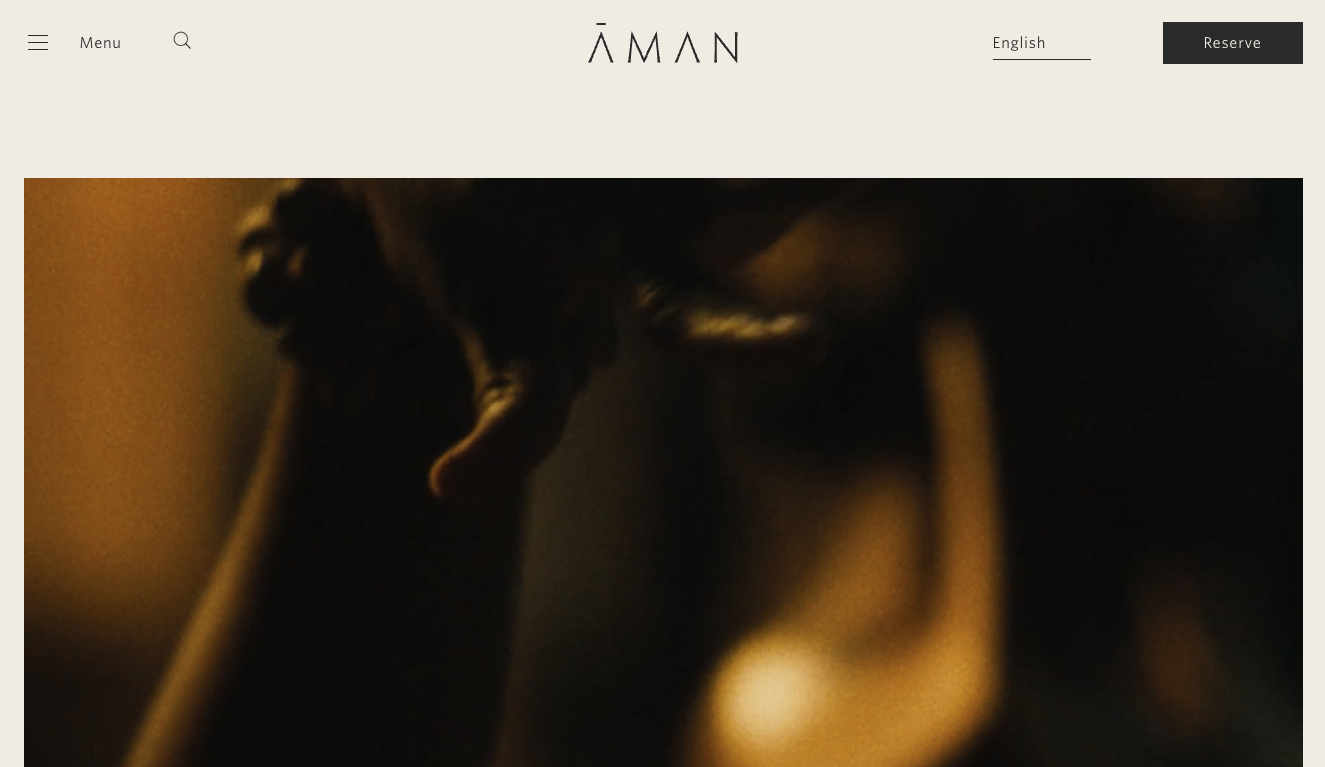
8. Aman Resorts — Minimalism as serenity
Aman has built an empire on the art of silence—its website captures that philosophy perfectly.
Why it works:
Immersive, full-bleed photography with no cluttered overlays.
Reduced typography that whispers sophistication.
Every interaction feels slow and intentional—like the resort experience itself.
Premium appeal:
When a website feels calm, the brand feels priceless.
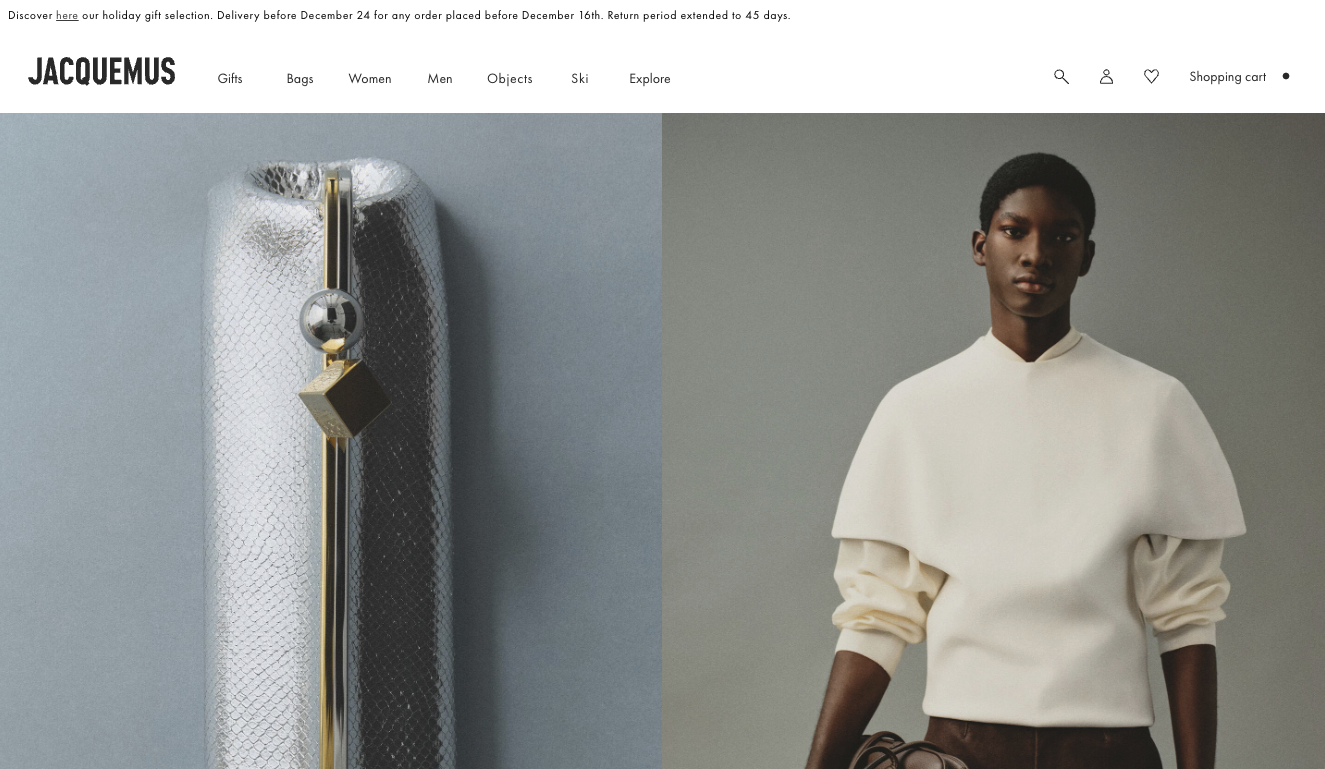
9. Jacquemus — Playful minimalist luxury
Jacquemus offers minimalist design with a youthful, sun-soaked twist.
Why it works:
Unexpected compositions that still feel clean.
Bold, editorial photography against minimal layouts.
Confident use of whitespace that elevates the quirky brand voice.
Creative Director insight:
Minimalism doesn’t equal seriousness; it can feel warm, modern, and human while staying premium.
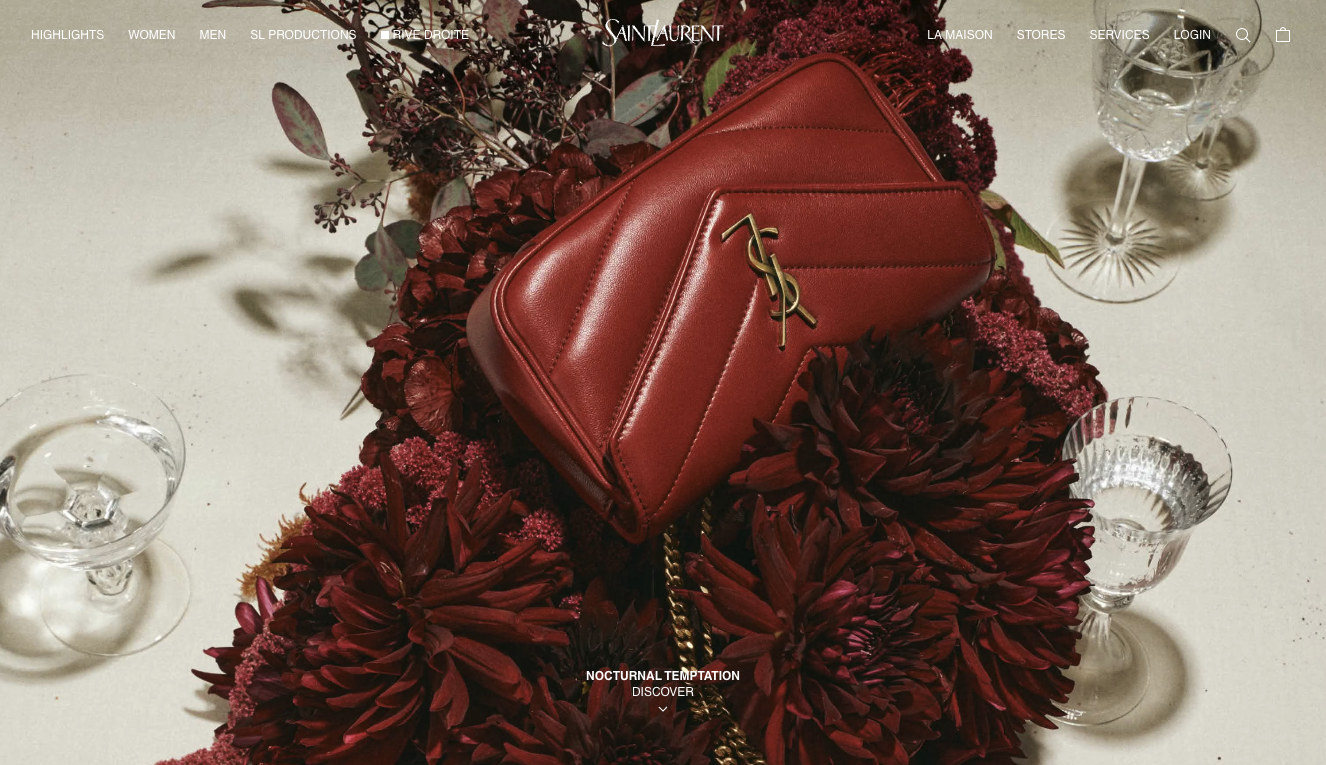
10. Saint Laurent — Dark minimalism with edge
Saint Laurent’s digital aesthetic uses negative space and bold typography to command presence.
Why it works:
High-contrast black-and-white palette.
Dramatic editorial photography taking center stage.
Minimal design with maximum attitude.
Luxury perspective:
Minimalism can be sensual, cinematic, and powerful—when executed with confidence.
Why minimalist luxury web design works for high-end brands
Minimalist luxury web design is not a trend—it’s a strategic posture.
It signals:
1. Confidence
Brands that don’t over-explain feel more expensive.
2. Editorial taste
Luxury audiences trust brands that visually curate their world.
3. Focus
Whitespace lets core messages breathe, creating emotional clarity.
4. Immersion
Minimalism transforms websites from transactional spaces into premium experiences.
5. Brand elevation
When visuals are refined, everything—products, services, pricing—feels elevated.
Visual storytelling: The DNA behind every luxury minimalist website
Minimalist luxury websites succeed because they operate like modern editorials:
A. Photographic hierarchy
Images are treated like artwork—large, emotional, intentional.
B. Typography as design
Type is not decoration; it’s architecture.
C. Whitespace as luxury
Only brands with confidence allow this much space.
D. Visual rhythm
Every scroll feels choreographed.
E. Micro-interactions
The smallest movements feel curated, not gimmicky.
F. Palette precision
A color scheme with two or three tones feels expensive.
Minimalism is not emptiness. It’s controlled expression.
How minimalism elevates perceived value
Below is a hypothetical but realistic transformation showcasing what minimalism can achieve for a premium client.
Before
A high-ticket interior design firm had:
Overloaded homepage
Busy color palette
Mixed fonts
20+ competing images
Services buried beneath visuals
After (Minimalist luxury redesign)
Editorial photography paired with clean grids
One serif + one sans-serif for elevated typography
Soft monochromatic palette inspired by their interiors
Whitespace doubling visual clarity
A hero section with a single line:
“Spaces designed for quiet confidence.”
Result
Session duration +48%
Lead quality significantly higher
Fewer unqualified inquiries
Client pricing increase justified through elevated perception
Minimalism didn’t just improve aesthetics—it transformed the brand’s perceived authority.
What these websites tell us
Brands investing in minimalist luxury design understand one thing clearly:
Luxury is a feeling, not a feature set.
The founder who wants this aesthetic is signaling that they value:
Creative excellence
Editorial direction
Intentional storytelling
Brand elevation, not budget solutions
This is the client who invests, respects the process, and wants a long-term digital asset—not a cheap website.
If a client says, “I want my website to look like this,” you already know they’re design mature.
Conclusion: Minimalist luxury is the future of high-end digital presence
These 10 minimalist luxury websites highlighted here represent more than inspiration—they are signals of where premium digital branding is going.
Refinement is replacing noise.
Editorial presence is replacing clutter.
Confidence is replacing complexity.
Luxury clients don’t want more.
They want meaningful less.
And the brands that embrace this aesthetic rise above the market—not by shouting, but by shaping silence into something unforgettable.
Flexible custom packages.
Three tiers scoped for where you are and where you're going. Not sure which fits? Book a call — we'll go over your project together and make sure you land on the right one.
Launch build
Look credible, fast.
$2,500starting from
A focused, conversion-aware website that gives you confidence sharing your link anywhere.
- Up to 4 structured pages
- 1 focused revision round
- Fully mobile-optimised
- SEO foundations included
- Launch-ready in 3 weeks
- 30 days email support
Best for businesses launching or replacing an outdated site.
Start your projectAuthority build — Most popular
Elevate your brand.
$4,000starting from
A refined, strategically designed website that positions your business as established and credible.
- Everything in Launch, plus:
- Up to 7 pages
- Custom styling & layouts
- 2 revision rounds
- Blog integration
- 5-week build timeline
- Training walkthrough
Best for growing businesses that want their site to reflect their expertise.
Start your projectScale build
No limits. Full depth.
$8,000starting from
A fully bespoke build with advanced functionality, custom code, and no artificial constraints.
- Everything in Authority, plus:
- Unlimited pages
- Unlimited custom code
- Unlimited revisions
- Plugin costs covered
- Priority support
- Complete SEO setup included
Best for established businesses investing in a long-term digital foundation.
Start your project
Mikkel Calmann
I’m Mikkel Calmann, a certified Squarespace designer and Circle Member. We’ve worked with businesses of all sizes, crafting strategic websites that look great and perform even better. If you’d like to discuss a project, feel free to email us at mikkel@typza.com or reach out to us here. You can also book a free 15-minute consultation here.