
How premium brands use white space to convert.
A creative director’s breakdown of why restraint, clarity, and intentional space are some of the most powerful conversion tools in high-end web design.
Written by Mikkel Calmann
Dec 15, 2025

Why white space web design separates premium brands from everyone else
White space web design is one of the most misunderstood tools in digital branding. For premium brands, it’s not an absence of content — it’s a signal of confidence. While many websites try to prove value by filling every inch of the screen, high-end brands do the opposite. They create space, slow the experience, and let meaning land.
If your website feels busy, dense, or overly explanatory, it may be unintentionally communicating scarcity rather than authority. Premium clients don’t need to be convinced. They need to feel aligned. White space is what allows that alignment to happen.
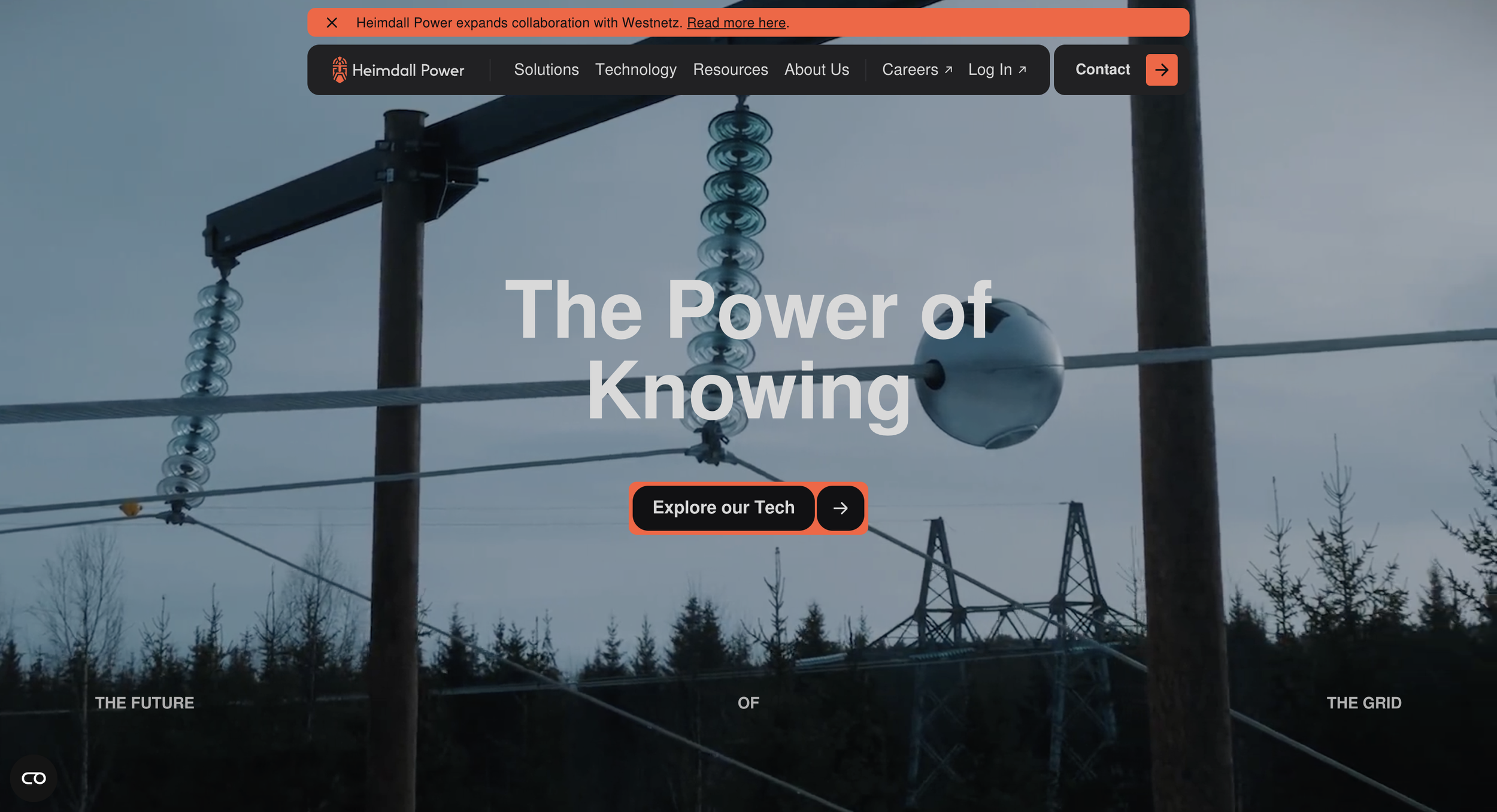
White space is a psychological signal of value
Luxury has always been associated with space. High-end retail environments, galleries, hotels, and architecture all rely on restraint. The same psychology applies online.
White space web design communicates:
Confidence in the offer
Control over the narrative
Editorial sophistication
Trust in the audience’s intelligence
When a brand gives content room to breathe, it signals that nothing is being rushed or forced. This creates calm, which is essential for high-ticket decision-making.
Why crowded websites undermine premium positioning
Many brands believe that more information leads to more conversions. In reality, excess content often creates friction.
Crowded layouts typically result in:
Decision fatigue
Visual noise that hides what matters
Reduced emotional engagement
A sense of desperation or over-selling
High-end brands understand that clarity converts better than volume. White space web design ensures that every element on the page earns its place.
White space as a tool for visual hierarchy
Premium websites don’t rely on loud colors or oversized elements to guide attention. They rely on spacing.
Intentional white space:
Directs the eye naturally
Establishes rhythm and flow
Highlights what matters without shouting
Creates a sense of editorial pacing
A headline surrounded by space feels more important. An image with breathing room feels more intentional. A call to action placed within calm space feels considered rather than urgent.
How white space shapes brand storytelling
Storytelling isn’t just about words. It’s about timing, pauses, and emphasis. White space creates those pauses.
In premium brand storytelling:
Space allows ideas to land emotionally
Sections feel like chapters, not bullet points
Scrolling becomes a guided experience
The narrative feels curated rather than dumped
This is why high-end websites often feel slower — not in performance, but in intention. They allow the visitor to absorb rather than skim.
White space and high-ticket conversion behavior
High-ticket clients behave differently online. They are not hunting for bargains or speed-reading features. They are assessing alignment.
White space web design supports this by:
Reducing cognitive load
Creating trust through calmness
Encouraging deeper engagement
Making premium pricing feel justified
When a site feels composed and restrained, it subconsciously reassures the visitor that the brand is in control — and therefore safe to invest in.
How premium brands use white space on homepages
The homepage is where white space does the heaviest lifting.
Premium homepages often feature:
Large margins around hero statements
Minimal copy paired with strong typography
Full-width imagery with space above and below
Fewer sections, but more intentional ones
Rather than overwhelming visitors with everything at once, high-end brands curate the entry point. White space sets the tone before a single word is read.
White space in service pages and offer positioning
Service pages are where many brands break their premium positioning. They over-explain, over-list, and over-justify.
Premium service pages use white space to:
Frame services as experiences, not transactions
Separate outcomes from process
Allow pricing signals to feel confident rather than defensive
Make the offer feel bespoke
Space between sections creates perceived value. It implies depth without needing to explain every detail.
Case example: Elevating a consulting brand
A boutique consulting firm came with a website that was informative but overwhelming. The redesign focused heavily on white space web design:
Reducing section density by nearly half
Increasing margins and line spacing
Removing unnecessary micro-content
Allowing headlines and key statements to stand alone
The result was immediate. The site felt calmer, more confident, and more premium. Inquiry quality increased, and prospects arrived with clearer expectations and higher budgets.
White space in portfolio and case study pages
High-end portfolios rely on restraint more than volume.
Premium brands:
Show fewer projects, more intentionally
Use full-width imagery with generous spacing
Allow visuals to dominate without competing text
Separate narrative sections clearly
White space ensures that work feels curated, not accumulated. It tells the viewer that the brand chooses quality over quantity — a key signal for premium positioning.
Typography and white space as a pairing
White space only works when paired with strong typography. Premium brands invest heavily in how text sits within space.
Key characteristics include:
Comfortable line lengths
Generous line height
Clear hierarchy without excessive variation
Headings that feel editorial, not promotional
Typography surrounded by space feels thoughtful and deliberate, reinforcing trust and authority.
White space and perceived ease
Premium brands rarely feel complicated. Even when their services are complex, the experience feels effortless.
White space contributes to this by:
Making navigation intuitive
Reducing visual stress
Creating a sense of flow
Helping users understand where to focus next
Ease is a luxury. Websites that feel easy to read, scroll, and understand are perceived as higher value.
Why white space filters the right clients
One of the most overlooked benefits of white space web design is client filtering.
Minimal, spacious sites tend to:
Attract clients who value quality over speed
Repel price-shoppers looking for density and deals
Signal that the brand is selective
Encourage thoughtful inquiries
This is not accidental. Premium brands use white space as a positioning tool, not just a design choice.
White space is not emptiness
A common misconception is that white space is wasted space. In premium design, it’s the opposite.
White space is:
Strategic silence
Visual confidence
Editorial pacing
A reflection of brand maturity
Every moment of space is doing work — guiding attention, reinforcing hierarchy, and shaping perception.
Conclusion
White space web design is one of the most powerful conversion tools premium brands use, not because it adds more, but because it removes what doesn’t belong. It creates clarity, confidence, and calm — the exact conditions high-ticket clients need to make decisions.
For brands aiming to elevate perception, attract aligned clients, and position themselves at the top of their market, white space is not optional. It is foundational.
When space is used intentionally, the website stops trying to convince and starts quietly communicating value. And that is where true premium conversion happens.
Flexible custom packages.
Three tiers scoped for where you are and where you're going. Not sure which fits? Book a call — we'll go over your project together and make sure you land on the right one.
Launch build
Look credible, fast.
$2,500starting from
A focused, conversion-aware website that gives you confidence sharing your link anywhere.
- Up to 4 structured pages
- 1 focused revision round
- Fully mobile-optimised
- SEO foundations included
- Launch-ready in 3 weeks
- 30 days email support
Best for businesses launching or replacing an outdated site.
Start your projectAuthority build — Most popular
Elevate your brand.
$4,000starting from
A refined, strategically designed website that positions your business as established and credible.
- Everything in Launch, plus:
- Up to 7 pages
- Custom styling & layouts
- 2 revision rounds
- Blog integration
- 5-week build timeline
- Training walkthrough
Best for growing businesses that want their site to reflect their expertise.
Start your projectScale build
No limits. Full depth.
$8,000starting from
A fully bespoke build with advanced functionality, custom code, and no artificial constraints.
- Everything in Authority, plus:
- Unlimited pages
- Unlimited custom code
- Unlimited revisions
- Plugin costs covered
- Priority support
- Complete SEO setup included
Best for established businesses investing in a long-term digital foundation.
Start your project
Mikkel Calmann
I’m Mikkel Calmann, a certified Squarespace designer and Circle Member. We’ve worked with businesses of all sizes, crafting strategic websites that look great and perform even better. If you’d like to discuss a project, feel free to email us at mikkel@typza.com or reach out to us here. You can also book a free 15-minute consultation here.