
How to know if your website undervalues your offer
A creative director’s guide to identifying when your website is signaling the wrong message, costing high-ticket conversions, and what premium brands do differently.
Written by Mikkel Calmann
Dec 14, 2025

Signs your website may undervalue your offer
For premium brands, the website is the first and most influential point of contact. Yet, many high-value businesses inadvertently undervalue their own offerings through their digital presence. The problem is not always in pricing—it’s in perception. If your site feels generic, cluttered, or inconsistent, it can signal a lack of authority and reduce client trust, regardless of your actual value.
Understanding whether your website undervalues your offer requires a critical look at structure, messaging, and visual hierarchy. High-ticket clients are unconsciously filtering for sophistication, clarity, and narrative alignment. When your website fails to communicate these elements, you’re not just missing conversions—you’re missing the right conversions.
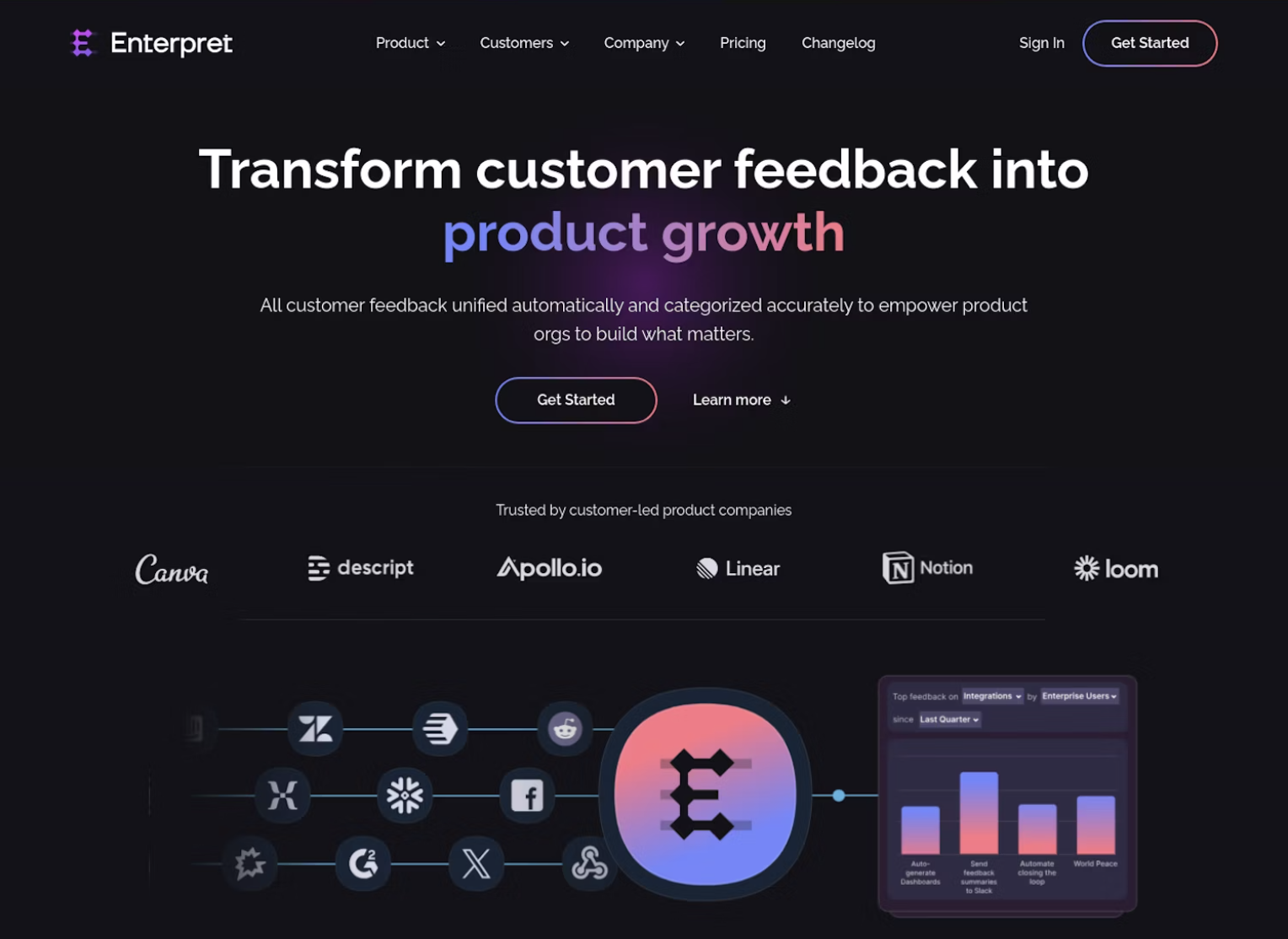
Inconsistent visual identity undermines perception
A website that undervalues its offer often lacks cohesion in visual identity. Inconsistent colors, typography, and imagery can communicate indecision or inexperience.
Premium clients notice subtle inconsistencies:
Mismatched typography that feels amateur
Variable spacing and alignment that disrupts rhythm
Stock imagery that doesn’t reflect brand philosophy
Colors that don’t align with your brand’s emotional tone
For example, a boutique coaching brand we worked with initially used generic stock photography and multiple font families across pages. The result: high-ticket clients didn’t feel aligned and inquiries were mostly low-value leads. After redesigning with consistent, editorial layouts, curated imagery, and refined typography, the site began attracting the right clients almost immediately.
Weak narrative flow confuses visitors
High-value offers require context. When your website undervalues your offer, it often lacks a clear narrative flow, leaving potential clients unsure of your process, value, or results.
Key indicators of weak narrative include:
Service pages that list offerings without explaining impact
Homepages that don’t guide the visitor through a logical journey
Testimonials and social proof placed randomly rather than curated strategically
Process sections that feel transactional rather than transformational
Premium websites use editorial storytelling to show the journey, not just the deliverables. Visitors move from curiosity to alignment naturally, which pre-qualifies them as high-ticket clients.
Cluttered layouts diminish perceived value
Even visually attractive websites can undervalue an offer if layouts are cluttered or overwhelming. Premium clients are attracted to clarity and elegance, not busy designs.
Common mistakes include:
Overloaded homepages with competing calls-to-action
Dense text blocks without breathing space
Randomly sized imagery and inconsistent grids
Overuse of banners, pop-ups, or animations that distract from the core offer
High-end brands use modular grids, negative space, and visual hierarchy to allow content to breathe and communicate authority. Every element on the page should have a purpose, guiding the visitor’s attention toward understanding the offer’s value.
Messaging that doesn’t match offer level
A website that undervalues your offer often has copy that undersells your expertise. Even subtle language choices can signal lower value.
Red flags include:
Casual, generic language rather than precise, authoritative messaging
Overuse of “affordable” or “easy” instead of emphasizing transformation or impact
Lack of differentiation from competitors
No clear articulation of benefits or client outcomes
Premium websites communicate value with intentional copy that reflects the price point and audience expectations. Messaging aligns with aesthetics, design, and narrative flow to reinforce perception of quality.
Lack of strategic social proof
High-ticket clients rely heavily on trust signals. A website undervaluing its offer often underutilizes social proof, or presents it in a way that feels disconnected.
Signs of weak social proof include:
Testimonials scattered without hierarchy or context
Client logos displayed randomly rather than curated
Case studies missing narrative, process, or outcome focus
Metrics or achievements that are vague or unsubstantiated
Premium sites integrate social proof as part of the narrative journey, using curated examples to reinforce authority and build trust without overwhelming the design.
Missing clear pathways to conversion
Even if a visitor appreciates the design and messaging, a website undervaluing its offer can fail to guide them toward action.
Indicators include:
Calls-to-action that are inconsistent or pushy
Overly complex forms or unclear next steps
Lack of contextual cues guiding visitors toward high-value inquiries
Navigation that doesn’t prioritize the journey of a high-ticket client
High-end brands structure landing pages, service pages, and homepages with intentional pathways that feel natural and premium, inviting the right clients to engage
How premium brands audit their own sites
High-value brands periodically assess whether their website undervalues their offer by evaluating:
Visual consistency and design cohesion
Narrative clarity and logical flow
Strategic presentation of social proof and portfolio
Alignment of messaging with target client expectations
Ease of navigation and conversion pathways
If gaps are identified in any of these areas, it’s a signal that the website may be holding back the brand’s perceived value and conversion potential.
Conclusion
Knowing whether your website undervalues your offer is essential for premium brands preparing to attract high-ticket clients. A website that lacks visual cohesion, narrative flow, editorial layouts, strategic social proof, or messaging alignment will unconsciously filter out the right clients.
For business leaders preparing for consultations or considering a digital transformation, investing in a premium redesign ensures that the website reflects the true value of the offering. Every visual choice, narrative element, and interaction should reinforce authority, clarity, and sophistication, turning casual visitors into aligned, high-ticket clients.
A website is more than a digital presence—it is a perception engine. When structured intentionally, it communicates value, pre-qualifies clients, and elevates the brand to its true premium potential.
Flexible custom packages.
Three tiers scoped for where you are and where you're going. Not sure which fits? Book a call — we'll go over your project together and make sure you land on the right one.
Launch build
Look credible, fast.
$2,500starting from
A focused, conversion-aware website that gives you confidence sharing your link anywhere.
- Up to 4 structured pages
- 1 focused revision round
- Fully mobile-optimised
- SEO foundations included
- Launch-ready in 3 weeks
- 30 days email support
Best for businesses launching or replacing an outdated site.
Start your projectAuthority build — Most popular
Elevate your brand.
$4,000starting from
A refined, strategically designed website that positions your business as established and credible.
- Everything in Launch, plus:
- Up to 7 pages
- Custom styling & layouts
- 2 revision rounds
- Blog integration
- 5-week build timeline
- Training walkthrough
Best for growing businesses that want their site to reflect their expertise.
Start your projectScale build
No limits. Full depth.
$8,000starting from
A fully bespoke build with advanced functionality, custom code, and no artificial constraints.
- Everything in Authority, plus:
- Unlimited pages
- Unlimited custom code
- Unlimited revisions
- Plugin costs covered
- Priority support
- Complete SEO setup included
Best for established businesses investing in a long-term digital foundation.
Start your project
Mikkel Calmann
I’m Mikkel Calmann, a certified Squarespace designer and Circle Member. We’ve worked with businesses of all sizes, crafting strategic websites that look great and perform even better. If you’d like to discuss a project, feel free to email us at mikkel@typza.com or reach out to us here. You can also book a free 15-minute consultation here.