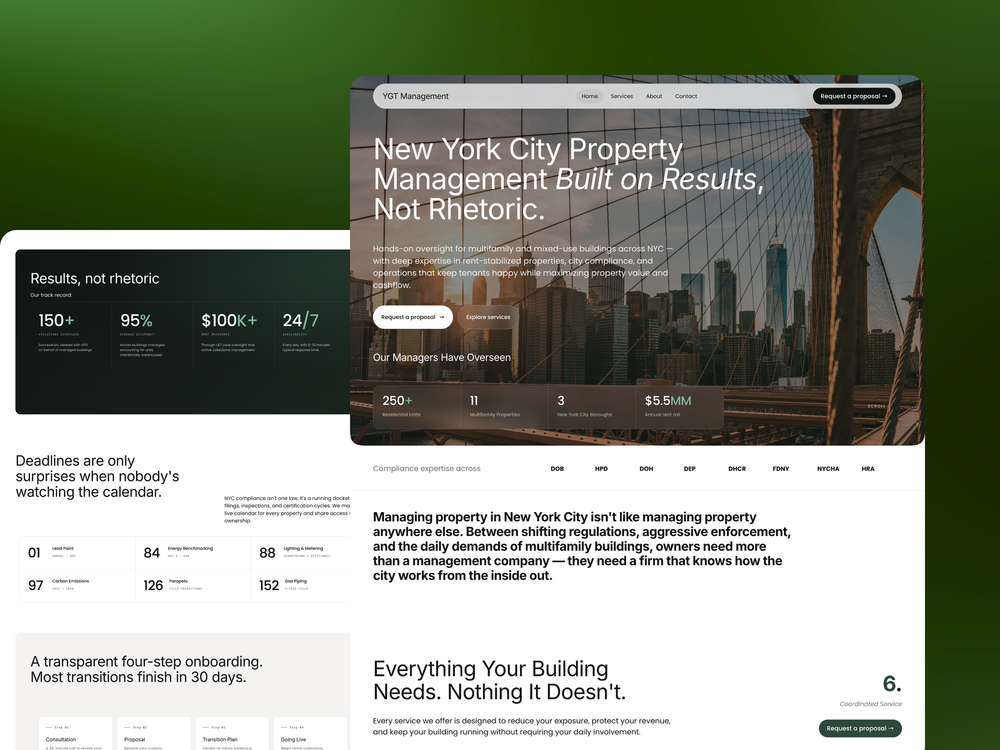
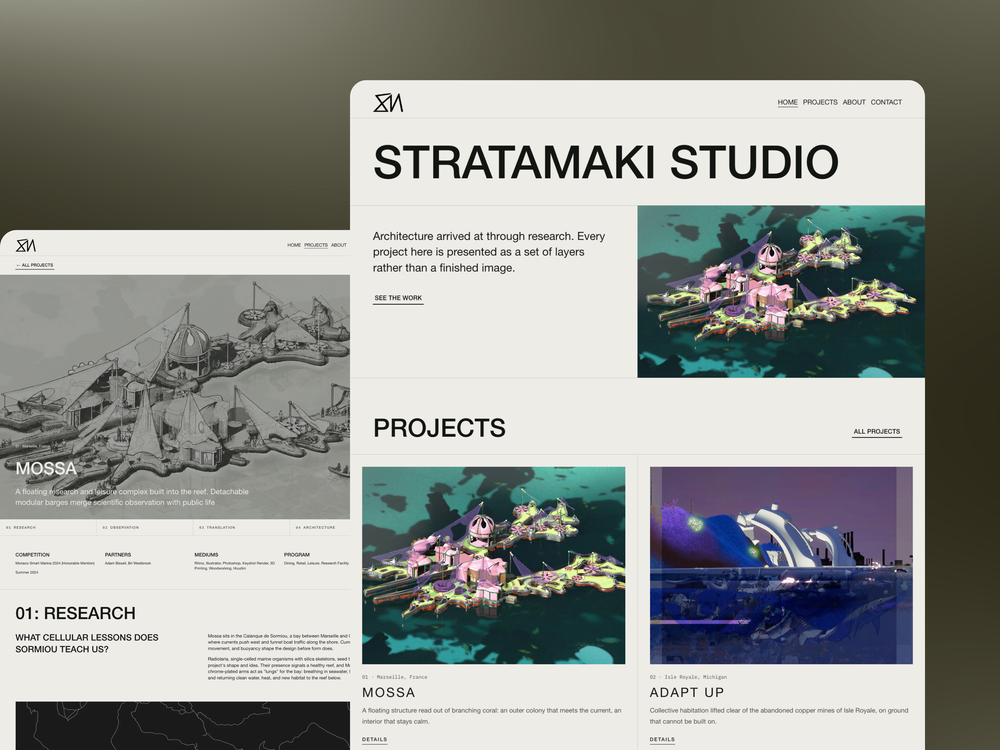
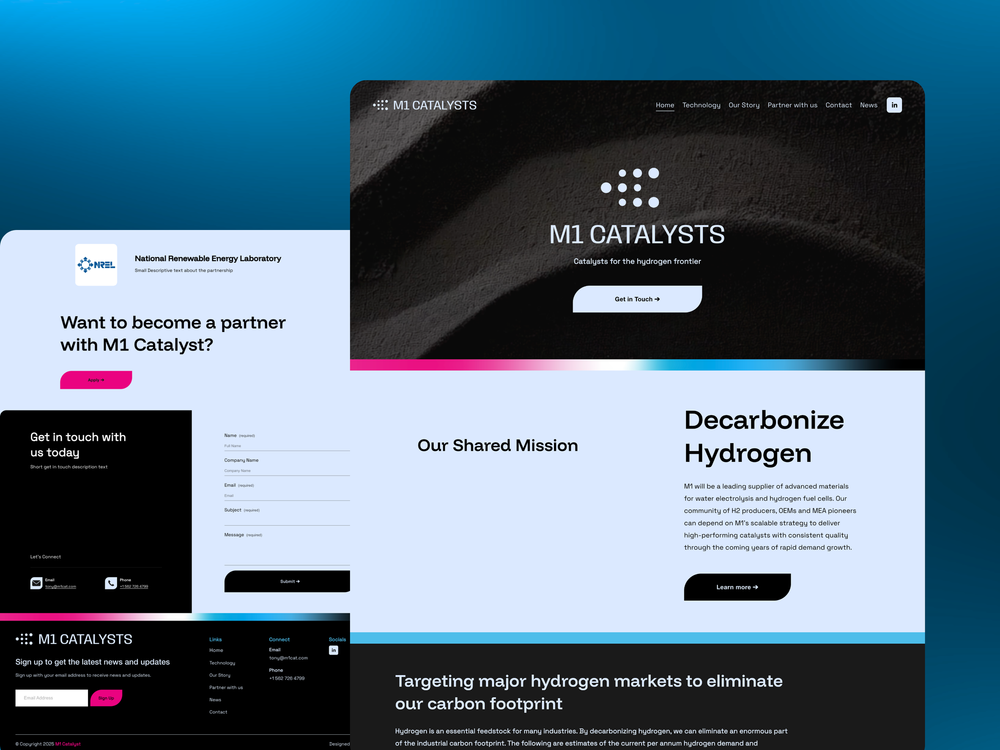
Why your architecture practice website needs to be designed with the same rigour and intention as the buildings you create
SEO for architects can bring the right clients to your portfolio. But if the website itself is not designed with the same rigour and intention as the buildings you create, the clients who arrive will not stay long enough to become enquiries. This article explains why the two investments are inseparable.
Why SEO for architects and website design quality are inseparable investments
SEO for architects is the investment that brings motivated prospective clients to the portfolio. The architecture practice website is the investment that either retains those prospective clients long enough to create the specific professional recognition and the intellectual trust that motivates an enquiry, or loses them within seconds to the combination of slow load times, generic visual design, and unconvincing practice positioning that most architecture practice websites continue to present despite the significant investment most practices are making in professional photography, competition entry, and press coverage to build their professional reputation through other channels. These two investments, the search visibility that delivers motivated clients and the website quality that converts them, are not separate commercial questions with separate commercial answers. They are the two inseparable halves of the same commission acquisition challenge, and the architecture practice that invests in one without the other is making the same commercial error in both directions: investing in search visibility that delivers motivated clients to a website too poorly designed to convert them, or investing in a website too impressive to be found by the motivated clients that effective SEO would deliver to it.
The connection between effective SEO for architects and genuine architecture practice website design quality is not primarily a technical one, although the technical SEO dimensions of website design quality, the page load speed, the mobile experience, the schema markup, and the URL and page title architecture that allows the website's content to be understood and appropriately ranked by Google's algorithm, are real and important. It is fundamentally a professional credibility connection: the quality, the specificity, and the intellectual rigour of the website's design are the factors that most directly determine whether the motivated prospective client who arrives through a good organic search ranking stays long enough and engages deeply enough to form the specific professional trust and the intellectual confidence that motivates the commission enquiry. A practice that has invested in exceptional portfolio photography and compelling project narratives, delivered through a website whose visual design is generic, whose typographic system is templated, and whose overall design quality contradicts the standard of the architectural work it is presenting, has simultaneously communicated the highest quality of its built work and the lowest quality of its design judgement by the specific inconsistency between the two standards.
Building an effective combination of SEO for architects and genuinely excellent practice website design requires treating both investments as parts of a single professional question: how do we ensure that the right prospective clients find this practice's work, and how do we ensure that the practice's work is presented in a digital environment that is designed with the same rigour, the same attention to proportion and detail, and the same commitment to creating an excellent experience for the person who encounters it, that the practice claims to bring to the buildings it designs for its clients?
The design quality that sends or contradicts a professional credibility signal
The quality of an architecture practice website's design is a professional credibility signal that operates before any portfolio image has been seen, before any project description has been read, and before any planning success evidence or RIBA accreditation has been registered. The first impression of the website as a visual and experiential whole, the quality of its typographic system, the precision of its spacing and proportion, the coherence of its visual palette, the responsiveness of its layout to the device it is being viewed on, the speed with which its content appears, and the editorial intelligence visible in the relationships between text and image, creates an immediate and largely unconscious quality assessment in the prospective client's mind that colours every subsequent experience of the portfolio's content. The architecture practice website that creates a positive first impression of these qualities communicates, before a single portfolio image has been evaluated, that the practice who created it has the same eye for quality, the same attention to proportion and detail, and the same commitment to creating an excellent experience for the person who encounters their work, in the digital medium as they claim to bring to the physical buildings they design for their clients.
The specific positioning contradiction that most architecture practice websites create is the contradiction between the creative and professional standard of the architectural work they are presenting and the generic quality of the digital environment in which that work is being presented. The architecture practice that can clearly articulate, in its project descriptions and its practice voice, why every design decision in a building matters, why the proportion of the window opening affects the quality of the light in the space, why the choice of the threshold detail affects the quality of the transition between inside and outside, and why the specification of the handrail affects the quality of the experience of using the stair, is a practice that has demonstrated through its portfolio that design decisions at every scale are consequential. The same practice that has allowed its website to be built on a generic template without applying the same quality of design intelligence to the digital experience of its portfolio, has created a specific and commercially damaging inconsistency between the standard of architectural thinking it claims to bring to every detail of a building and the standard of design thinking it has applied to its own most publicly visible creative output.
The typographic system of an architecture practice website is the design element whose quality is most immediately and most sensitively registered by the visually educated prospective client who is evaluating the practice's design credentials, because typography is the design discipline whose standards of quality are most specifically visible to the trained design eye and most specifically invisible to the generic professional presentation that most template-based websites provide. The practice whose website uses a typographic system that has been specifically chosen and specifically calibrated for the visual and intellectual register of its particular architectural position, rather than the default typeface combination that the template platform applies to every website built on it regardless of the specific creative context, is communicating through that specific typographic intelligence the same quality of considered design decision-making that it claims to apply to every material and spatial choice in the buildings it designs for its clients.
The pace and the rhythm of the user experience on an architecture practice website is a specific design quality dimension that most practices overlook because it is determined by interaction design decisions rather than visual design decisions, and interaction design is typically the responsibility of the web developer rather than the visual designer or the architect. The website that loads slowly feels cheap. The website that transitions between pages abruptly feels crude. The website that presents its portfolio images at the wrong scale for the visitor's device feels careless. The architecture practice whose website provides a genuinely considered and genuinely excellent digital experience for the person who encounters it, where every scroll and every navigation action reveals a new dimension of the practice's portfolio and its thinking in a way that is pleasurable and architecturally intelligent in its own right, communicates the same quality of considered spatial and experiential design that the practice claims to bring to the buildings it creates.
Technical design quality that serves both the visitor and the search algorithm
The technical dimensions of architecture practice website design quality that most directly affect both the prospective client's experience and the search algorithm's assessment of the website's ranking worthiness, are the same technical dimensions that most architecture practice websites consistently underinvest in because they are invisible to the practice team who assess the website from their own high-specification devices and fast broadband connections. Page load speed is the most commercially significant of these technical dimensions, because it is the factor that most directly determines whether the motivated prospective client who arrives through a search ranking stays long enough to form any impression of the portfolio at all. An architecture practice website that takes more than three seconds to begin displaying content on a mobile device will lose a significant proportion of the visitors who arrive at it before any of the portfolio's creative quality has had an opportunity to register, and it will be penalised in its organic search rankings by Google's Core Web Vitals performance assessment regardless of the quality of the content it is trying to rank for.
The image optimisation that serves both the portfolio visitor's experience and the SEO for architects requirement for good technical performance is the most practically challenging technical investment for an architecture practice website to make consistently, because the practice's most commercially valuable creative asset, its portfolio photography, is also the most technically demanding content category to deliver at high visual quality and high performance simultaneously. The modern web image format, the delivery infrastructure of a content delivery network, and the lazy loading implementation that defers the loading of images below the visible viewport until the visitor scrolls to them, are the three technical interventions that together produce the greatest improvement in portfolio load speed without any visible reduction in the quality of the portfolio photography that the practice's professional credibility depends on. The architecture practice that makes these three technical investments is simultaneously improving the experience of every portfolio visitor, improving its Core Web Vitals performance score, and maintaining the visual quality of its portfolio presentation at the standard that the architectural profession's design expectations demand.
Schema markup for architecture practice websites provides Google with structured information about the practice's professional status, its services, its location, its specialist areas, and its portfolio content that enables richer and more informative search result displays for local and building-type-specific architectural searches. LocalBusiness schema with specific architectural practice information, combined with the appropriate professional service markup that identifies the practice's RIBA membership, its ARB registration, and its specialist accreditations, allows Google to understand the specific professional context of the practice's work and to display its content more prominently and more credibly for the specific architectural searches that represent the most commercially valuable organic traffic opportunities available to the practice. The investment in schema implementation is modest in time and significant in the search visibility enhancement it produces for the specific professional searches that the practice's most motivated prospective clients are making.
Website rigour converts what SEO delivers.
We build architect websites that perform for both the prospective client and the search algorithm.
How website design quality directly supports SEO performance
The connection between the creative design quality of an architecture practice website and its SEO performance is more direct than most practices recognise, because the user engagement signals that Google's algorithm uses as ranking quality indicators are generated directly by the quality of the visitor's experience within the website. The time a visitor spends engaging with the portfolio before navigating away, the number of portfolio pages they visit in a single session, the proportion of visitors who proceed from the portfolio to the process page or the enquiry pathway, and the proportion who return to the website for a second or third visit after their initial discovery, are each engagement signals that tell Google something specific about the quality of the website's content and the quality of the experience it provides to the visitors it attracts. The portfolio website that creates a genuinely engaging experience, that retains the visitor's attention for longer and motivates them to explore more project pages and return more frequently, is generating stronger engagement quality signals that contribute positively to its organic search rankings. The portfolio that loads slowly, looks generic, and fails to hold the visitor's professional interest is generating weaker engagement signals that contribute negatively to the SEO for architects performance that the practice needs to consistently attract the most motivated prospective clients from organic search.
The specific portfolio page architecture that most effectively generates both the visitor engagement signals that support SEO performance and the professional engagement that builds the intellectual trust that converts the portfolio visitor into a commission enquiry, is the architecture that takes the visitor on a coherent and progressively deepening journey through the practice's design thinking and its professional capability rather than presenting all content at the same level of editorial intensity simultaneously. The homepage that makes an immediately specific and compelling professional impression with the most powerful portfolio and practice identity content, followed by the project-type pages that allow the visitor to navigate to the most specifically relevant examples of the practice's work in the building type they are considering, followed by the individual project pages that provide the depth of context, narrative, and process documentation that converts professional interest into genuine intellectual trust, and followed by the enquiry pathway that converts that intellectual trust into the direct commission conversation, is the page architecture that generates the deepest visitor engagement, the most pages per session, and the most frequent return visits of any architecture website architecture available to a practice with genuinely excellent built work and genuinely expert architectural thinking.
The written content within the portfolio that directly contributes to the SEO for architects performance of the individual project pages is the project narrative copy that describes the brief, the planning context, the design decisions, and the specific materials and structural choices that characterise each project in terms that are both genuinely engaging for the human visitor and specifically keyword-relevant for the particular location, building type, and planning context searches that the most commercially motivated prospective clients are making when they are actively looking for a practice whose specific expertise matches their own commission situation. This written content is the SEO asset that most architecture practice portfolio websites entirely lack, because most portfolio pages contain only the minimum of text needed to identify the project by location and type rather than the substantive and specifically expert narrative that allows the project page to rank for the full range of location-specific, building-type-specific, and planning-context-specific searches that the project's specific context makes it genuinely relevant for.
The internal linking architecture that connects the portfolio's individual project pages to the relevant location pages, building-type pages, and service pages within the website is the SEO structure that allows the portfolio's content to contribute to the overall topical authority of the website for the specific architectural territories it covers, rather than existing as a collection of isolated pages whose individual SEO authority does not benefit the broader website's ranking performance for the location-specific and building-type-specific searches that represent the most commercially significant organic traffic opportunities. The project page for a contemporary residential extension in a specific conservation area that links to the conservation area architecture service page, to the location page for that geographic area, and to the listed buildings project-type page that showcases all of the practice's most relevant conservation area work, is creating the internal linking infrastructure that distributes the SEO authority of the well-photographed and well-described project page across the full range of commercially valuable conservation area architecture searches that the project's specific context qualifies it to support.
The mobile experience that serves both the search algorithm and the late-night researcher
The mobile portfolio experience of an architecture practice website is the most commercially critical dimension of the website's technical design quality, for the dual and directly connected reasons that the majority of new architecture practice discovery journeys begin on a mobile device and that Google's mobile-first indexing algorithm uses the mobile version of the website as the primary basis for its assessment of the website's SEO ranking quality. The architecture practice whose portfolio website delivers an excellent experience on desktop but a poor experience on mobile is failing the majority of the new prospective client discovery moments that represent its most significant organic commission acquisition opportunities, and it is generating worse SEO for architects performance from its organic content investment than the practice whose portfolio website delivers equally excellent experiences across all devices and all connection speeds, because the algorithm's mobile-first assessment penalises the desktop-optimised website's search rankings for every search term that represents a commercially significant ranking opportunity in the practice's local and building-type-specific architectural market.
The specific category of prospective architecture client whose discovery journey is most definitively mobile is also among the most commercially valuable: the prospective client who is in the extended pre-commission research phase, who is browsing architecture practice portfolios during the quiet hours of the evening when the domestic context of their project, the house they want to extend, the listed building they want to restore, or the rural site they want to build on, is most present in their thinking and most motivating for their architectural aspirations. This client is making discovery decisions about architecture practices from a mobile device in a personally engaged and creatively motivated state that makes the quality of the first impression more visceral and more personally resonant than the same impression formed during a formal desktop research session. The practice website that serves this client with an immediately beautiful, immediately responsive, and immediately intellectually engaging mobile portfolio experience is the practice website that captures the professional interest and the personal creative trust that the late-evening mobile researcher is most receptive to forming.
Great SEO and a rigorous website compound together.
We build architect websites designed for both the prospective client's experience and Google's requirements.
Maintaining website design quality as a continuous professional investment
The website design quality that generates the most consistently effective SEO for architects performance over time is not the design quality that was achieved at the point of the website's initial build and that has been maintained unchanged through the years of the practice's subsequent development. It is the design quality that improves continuously as new commissions are added at increasing calibre, as the portfolio photography is updated to reflect the improving standard of the practice's project documentation, as the project narrative copy deepens and becomes more specifically expert as the practice's building type authority develops, and as the technical performance of the website is updated to meet the evolving standards that Google's algorithm and the prospective client's device expectations increasingly demand. The portfolio website that has been consistently improved over three years of sustained creative and professional development is a substantially more effective SEO and commission acquisition asset than the website that was built to a high standard three years ago and that has not been significantly updated since, because the cumulative improvements to its content depth, its technical performance, and its creative positioning clarity compound in commercial effectiveness in the same way that any well-managed and consistently improved professional asset compounds in professional value over time.
The photography update cadence that most effectively sustains the portfolio website's SEO and professional credibility performance is the cadence that adds new professionally photographed projects to the portfolio at each significant project completion, rather than allowing a backlog of completed but undocumented projects to accumulate while the live portfolio becomes progressively less representative of the practice's current standard and current building type expertise. Each new project professionally photographed and added to the website with a specifically written and keyword-relevant project narrative is simultaneously a new professional credential for the portfolio's human visitors, a new content asset for the website's search authority in the building type and location categories that the project represents, and a new external engagement opportunity for the architectural press and the professional community whose coverage and sharing of the new project images contributes the external authority signals that support the SEO for architects performance of the portfolio website's most commercially important pages.
The specific SEO techniques that make architecture portfolio content findable by the right prospective commission clients include the use of descriptive and keyword-relevant image alt text that describes the specific project type, the building typology, the planning context, and the location of each portfolio image in terms that match the search queries of the most commercially motivated prospective clients. A portfolio image described in its alt text as "contemporary extension to a Victorian terraced house in a conservation area, Islington, London, with bifold glazing and exposed structural steel" is providing Google with the specific contextual information needed to serve that image and the surrounding content in response to searches for conservation area architects in Islington, Victorian house extension specialists in North London, and contemporary extension architects with listed building and conservation area experience. This SEO technique is modest in the time it requires to implement across an existing portfolio and significant in the search visibility it provides for the specific and commercially valuable specialist searches that motivated prospective clients make when they have a specific project type, planning context, and location in mind.
The analytics data that reveals how prospective commission clients are engaging with the architecture portfolio, which project pages are generating the most time-on-page engagement, which portfolio entry points are producing the most onward navigation to the process page or the enquiry pathway, and which building types and planning contexts are generating the highest proportion of motivated prospective commission enquiries, is the specific commercial intelligence that guides the ongoing portfolio curation, sequencing, and content development decisions. The practice that monitors this data and uses it to inform its portfolio and SEO management will consistently make better curation and content development decisions than the practice that manages its website on aesthetic intuition alone, because the data reveals the specific professional preferences and the specific conversion pathways of the real prospective commission clients who are encountering the portfolio in an active research context, rather than the assumed preferences of the idealised prospective client that aesthetic intuition tends to optimise for.
Bringing website design quality and SEO together as a unified professional strategy
The architecture practice that treats portfolio website design quality and SEO for architects as a unified professional strategy rather than as two separate technical and marketing investments will consistently generate better commercial outcomes from both investments than the practice that manages them separately, because the unified approach ensures that every design decision serves both the human visitor's professional engagement and the algorithm's quality signals simultaneously, rather than making aesthetic decisions for the visitor at the expense of the technical performance the algorithm requires or making technical optimisations for the algorithm at the expense of the creative quality the visitor needs to experience. This unified approach is most achievable when the web designer responsible for the portfolio website's design has a genuine understanding of both the aesthetic and intellectual standards that architecture portfolio presentation demands and the technical performance standards that effective SEO for architects requires, and when the content strategy that produces the portfolio's written content is developed with an equal understanding of what makes project narrative copy genuinely engaging for the human visitor and specifically keyword-relevant for the search algorithm's ranking assessment.
For architecture practices whose current portfolio websites are achieving some search visibility but converting a small proportion of the motivated visitors they attract, the most commercially productive improvement available is the portfolio website design quality improvement that transforms the website from a technically adequate container for portfolio photography into a specifically designed and specifically intelligent creative platform that reflects the same standard of design rigour, the same quality of compositional and typographic decision-making, and the same commitment to creating an excellent experience for the person who encounters it, that the practice's architectural work demonstrates in the physical buildings it creates for the clients who invest in its professional expertise. This improvement is not a cosmetic redesign. It is the specific investment in the quality and the specificity of the creative platform through which the practice's built work is presented to the world, an investment that is as important to the practice's commercial development as any investment in the quality of the built work itself.
Website rigour reflects the rigour of your architecture.
We build architect websites designed with the same care and intention as the buildings you create.
Building the architecture website that is as carefully designed as your buildings
SEO for architects delivers the most commercially motivated prospective clients from the most specific and most commercially significant searches in the practice's local and building-type-specific market. The architecture practice website that those prospective clients arrive at is the creative and professional medium through which all of the SEO investment's potential commercial return is either realised or lost in the first few seconds of the visitor's engagement with the website's visual quality, its professional clarity, its building type positioning, and the specific quality of the portfolio presentation that either creates the immediate professional recognition and the intellectual trust that motivates a commission enquiry, or creates the generic professional impression that motivates only a brief visit before the back button is pressed. The portfolio website that is designed with the same rigour, the same intelligence, and the same commitment to design quality at every scale that the practice claims to bring to its buildings, is the portfolio website that consistently realises the commercial return that the SEO investment is designed to deliver.
The architecture practices that invest in building both the SEO performance and the portfolio website design quality that this article describes, as parts of the same unified professional strategy rather than as separate technical and aesthetic projects, consistently find that the commercial outcome of the combined investment is substantially greater than the sum of its parts. The SEO investment that delivers motivated prospective clients to a generic and unconvincing portfolio generates commission enquiries at a fraction of its potential. The excellent portfolio website that cannot be found by the motivated prospective clients who would most specifically benefit from its creative and professional qualities generates commission enquiries at a fraction of its potential. The combination of strong SEO performance and genuine portfolio website design quality generates commission enquiries at the full potential of both investments simultaneously, because the motivated prospective client who arrives through a strong search ranking at a portfolio website that immediately demonstrates the same quality of architectural intelligence and the same specificity of building type positioning that the specialist search term that brought them there suggested, is a prospective client at the exact intersection of maximum search motivation and maximum professional alignment.
For architecture practices whose current portfolio websites are achieving some search visibility but converting a small proportion of the motivated visitors they attract, the most commercially productive improvement available is the portfolio website design quality improvement that makes the digital presentation of the practice's built work as rigorously and as specifically excellent as the built work itself. This is the improvement that honours the consistency of professional standard that the most discerning prospective architecture clients are specifically evaluating for when they encounter a practice's digital presence as the first evidence of the standard of judgement and the quality of attention to detail that the practice claims to bring to every dimension of every commission it undertakes.
If you want an architecture practice website that is designed with the same rigour and intention as the buildings you create, and that performs as effectively for your search visibility as it does for your prospective commission client's professional engagement, we can help. Take a look at our approach to website design for architects and book a free call to discuss how a portfolio website built to the right standard could transform both your organic search visibility and your commission enquiry conversion rate.
Written by
Mikkel Calmann
See architect websites where design and SEO align.
Our approach shows what a rigorously designed, search-performing architect website looks like.