How SEO for accounting firms is won or lost on service page quality
Service pages are the commercial engine of SEO for accounting firms, which is why their quality determines almost everything that follows. Most are too thin to rank and too generic to convert the visitors they do attract. A properly built accounting service page reads as if it were written for one specific client, their question, their stage, their objection. It answers, reassures, and points clearly to the next step. That is what produces a fundamentally different commercial result.
Why service pages are the commercial engine of SEO for accounting firms
SEO for accounting firms is often discussed as if it were primarily a technical discipline, a matter of page speed and structured data and meta tag optimisation. These technical factors matter, and they will be addressed in this article. But the most commercially significant SEO work for any accounting firm is the work done on service pages, because service pages are where the most motivated prospective clients land, where the most commercially valuable searches are satisfied or not satisfied, and where the conversion from website visitor to client enquiry either happens or does not. A technically excellent website with thin, generic service pages will consistently underperform a technically adequate website with substantive, client-oriented service pages in every commercial metric that accounting firms actually care about.
The searches that produce the most commercially valuable accounting firm website traffic are specific and service-oriented. Business owners do not search for "accounting firm [city]" when they have a specific and urgent need. They search for "R&D tax credit accountant [city]," "contractor IR35 advice [region]," "CIS compliance help for construction businesses," and hundreds of other specific combinations of service type and geographic modifier. The firms that appear for these specific searches have dedicated, substantive pages that Google has assessed as genuinely useful and specifically relevant to those queries. The firms that do not appear have either no dedicated page for that service or a page that is too thin and too generic to compete for the specific search in question.
Building service pages that both rank and convert requires a discipline that most accounting firm website projects have never applied: the discipline of writing each service page specifically for the prospective client who would be searching for that service, rather than for the partners who want to ensure that all the firm's services are accurately represented. These two audiences have very different needs from a service page. The partner wants accuracy and comprehensiveness. The prospective client wants recognition of their specific situation, evidence that the firm has handled it before and handled it well, and a clear path to getting in touch. A well-built accounting firm website treats each service page as a standalone client acquisition asset rather than a section of a comprehensive services brochure.
The content depth that ranking and conversion both require
The content depth required for an accounting firm service page to rank competitively for a high-intent local search is substantially greater than most accounting firms apply when building their service pages. A page of two hundred words that describes a service briefly and invites the reader to call for more information is not a service page in the SEO sense. It is a placeholder that will rank for nothing significant and will convert even the few visitors it does attract at a very low rate, because it provides no specific evidence of the firm's capability or experience with this service and no specific information about the service itself that would motivate a business owner who has a genuine need to take the next step of making contact.
The content that makes a service page rank for specific accounting searches and convert the visitors it attracts covers the full range of informational needs that a business owner who is searching for that service is likely to have. What is the service and what specific business problems does it solve? Who specifically needs it and how do they typically discover they need it? What does the firm's approach to this service involve and how does it differ from a more generic approach? What outcomes has the firm achieved for clients who needed this service? What does the process of engaging the firm for this service look like? What does it typically cost? Where is the firm located and which specific geographic areas does it serve? A service page that addresses all of these questions specifically and accessibly will rank for a wide range of related searches and will convert a much higher proportion of the visitors it attracts than a page that addresses only the first of them.
The specific length at which accounting firm service pages perform best in both search and conversion is typically between eight hundred and fifteen hundred words, though this varies with the complexity of the service and the competitiveness of the target search landscape. Pages shorter than eight hundred words rarely provide enough content to rank for competitive searches or to build sufficient confidence in a cautious prospective client. Pages longer than fifteen hundred words can hold a motivated reader's attention if the content is genuinely useful throughout, but they risk losing the reader before they reach the call to action if any section feels like padding rather than specifically relevant information. The test is not word count but whether every paragraph is earning its place by providing specific, useful, client-relevant information that a reader who genuinely needs this service would want to know.
The opening of each service page sets the commercial tone for the entire page. An opening that leads with the service name and a definition of what it is, in the manner of a textbook entry or a professional reference document, is writing for a reader who already knows they need the service and just wants to confirm the firm offers it. This reader is a small minority of the page's visitors. The majority are business owners who have a specific concern, who are not sure whether it is the kind of concern that this service addresses, and who need the opening of the page to create the recognition that makes them want to keep reading. An opening that starts from the concern rather than the service, that says "if you are a construction business that uses subcontractors and you are not entirely confident your CIS compliance is correct, you are not alone, and the consequences of getting it wrong are significant" creates that recognition where a service definition cannot.
Local SEO integration that makes service pages visible in specific local searches
The local SEO integration of accounting firm service pages is the element that most directly determines whether those pages are visible to the prospective clients who are searching within the firm's geographic market. SEO for accounting firms that generates local clients requires geographic specificity in the service page content, not as a mechanical insertion of location keywords but as a genuine reflection of the firm's local relevance and understanding of the local business environment. A service page that never mentions the city the firm is in, or that mentions it only in passing in the footer address, will not rank for the location-specific searches that produce the most commercially valuable prospective clients.
Geographic keyword integration on service pages should feel natural within the content. Naming the city in the context of describing the firm's location and the clients it serves in the local area, referencing specific local industries or business environments that are relevant to the service being described, and acknowledging the specific local regulatory or economic context within which the service is most commonly needed, all create genuine geographic relevance signals that help the page rank for location-specific searches. These references should read as genuinely local information that a business owner in the area would find specifically useful, not as keywords inserted to satisfy a search engine requirement.
The title tag and meta description of each service page are the first elements a prospective client sees in the search results, and they need to earn the click by communicating both the service relevance and the geographic relevance that the prospective client's search query reflects. "R&D tax credit accountants in [city] for technology businesses" combines the service keyword, the geographic modifier, and the niche context that is most relevant to the highest-value searchers for this service. The meta description should expand on this with a specific reference to the firm's experience with this service in this geographic and niche context, and with a compelling reason to click through rather than choosing a competing result on the same page.
Schema markup on service pages provides Google with structured information about the specific accounting service in a machine-readable format that supports richer search result displays and strengthens the relevance signals that support ranking for specific service searches. AccountingService schema, or the more specific professional service schema types that are appropriate for specific accounting services, allows Google to display more specific and more authoritative information about the firm's specific services in search results, which improves the click-through rate and signals to Google that the website is a well-maintained, professionally managed resource that takes its presentation in search results seriously. This is a technical implementation task, but it is straightforward for a competent web developer and produces measurable improvements in search result presentation for firms in competitive accounting markets.
Service pages built properly are where SEO becomes client enquiries.
We build accounting firm service pages designed to rank and convert simultaneously.
Trust signals on service pages that convert hesitant visitors
The trust signals on accounting firm service pages do their most commercially productive work when they are placed in the specific positions where a prospective client's hesitation is most likely to prevent them from taking the next step. A prospective client who has read through a service page and understood what the service involves, who has been persuaded that the firm has specific relevant expertise, but who is hesitant about making contact without more concrete evidence that the firm has handled situations like theirs before, needs a trust signal at exactly this point in the page. Placing a specific, relevant client testimonial immediately after the service description and before the call to action creates the sequence of persuasion followed by social proof followed by invitation that converts at the highest rate of any arrangement of these elements on a service page.
The specific testimonials that are most effective on service pages are those that describe a client situation that the prospective reader will recognise as similar to their own, that name the specific service or outcome involved, and that describe the specific difference the firm's involvement made to the client's situation. A testimonial from a technology startup describing how the firm identified an R&D claim they did not know they were entitled to and managed the entire claim process without requiring significant time from the founders, is speaking to the specific concerns and time pressures of another technology startup founder who is reading the page because they are wondering whether they have a claim they have not yet made. This recognition effect is the trust mechanism that converts hesitation into enquiry.
Professional accreditations and specialist certifications that are directly relevant to the specific service being described on the page should be displayed on that page, not only on a general credentials page that most visitors will never navigate to. An R&D tax credit service page that displays a relevant specialist association membership or certification near the top of the page is providing immediate credibility context that makes everything else on the page more persuasive. The prospective client who sees that the firm holds a relevant specialist credential before they have read a word of the service description is processing the service description through a lens of pre-established credibility that a page without prominent credentials cannot create.
Outcome evidence on service pages, specific examples of what the firm has achieved for clients who needed this service, is the trust signal that carries the most commercial weight for the high-value services where a prospective client is evaluating the expected return from engaging the firm. An R&D tax credit page that states that the firm has secured over fifteen million pounds in claims for technology businesses over the past five years is providing a specific, verifiable claim of track record that no generic statement of expertise can match. The prospective client who reads this claim and believes it, which they will if it is stated with appropriate specificity and supported by the other trust signals on the page, arrives at the call to action with a fundamentally higher level of confidence than the client who has read only a description of the service without any outcome evidence.
Calls to action that capture motivation at the right moment
The calls to action on accounting firm service pages are most commercially effective when they are placed at the specific points in the page where the reader's motivation is highest, rather than only at the bottom of the page after the full service description has been read. For most accounting service pages, there are three moments of peak motivation: after the opening section that creates recognition of the client's situation, after the section that explains the firm's approach and demonstrates specific expertise, and at the end of the page after the trust signals and outcome evidence have built the confidence required to act. A call to action at each of these moments captures the motivation of visitors who are ready to act at different points in their engagement with the page.
The language of service page calls to action should be specific to the service rather than generic. "Book a free call to discuss your R&D tax credit eligibility" is more compelling than "contact us" for a reader who has just spent several minutes reading about R&D tax credits, because it names the specific next step, connects it to the service they have been reading about, and frames it as an informational conversation rather than a sales process. This specificity reduces the perceived risk of taking the next step and creates a clear mental image of what the first contact will involve, which addresses one of the specific anxieties that prevents motivated readers from acting on service pages that have otherwise done their persuasive work effectively.
The free consultation offer is the most effective framing for the first contact call to action on most accounting firm service pages, because it converts the act of enquiring from a sales transaction into an informational conversation in the mind of the hesitant prospective client. A business owner who is not sure whether they have an R&D claim to make, or who is not confident about their CIS compliance status, is not yet ready to commit to engaging an accountant. They are ready to have a conversation with an expert who can help them understand their situation. "Book a free thirty-minute call to find out whether your R&D activities qualify and what a claim might look like for your business" meets this prospective client exactly where they are and invites them to take a step that feels like information gathering rather than commitment.
Testing different calls to action on high-traffic service pages against the baseline conversion rate is the most commercially efficient approach to improving the enquiry rate from existing traffic. Changing the call to action label from "contact us" to "book a free call," or adding a specific consultation offer to a page that previously had only a general contact invitation, are changes that can produce measurable improvements in conversion rate within weeks of being implemented. The accounting firm that systematically tests and improves the calls to action on its highest-traffic service pages, informed by the conversion data that reveals which pages are attracting traffic without converting it, will produce a progressively improving enquiry rate from the same traffic volume that was previously converting at a lower rate.
Data-driven service page improvement compounds month by month into a stronger enquiry pipeline.
We design accounting firm service pages that rank, convert, and improve over time.
Content strategy that builds service page authority over time
The search authority of accounting firm service pages builds over time through the accumulation of the signals that Google uses to assess relevance and quality: the volume and quality of the content, the internal linking from related content that reinforces the topical authority of the page, the external links from other credible sources that cite or reference the page's content, and the engagement signals from visitors who spend time on the page and who click through to the firm's contact mechanism after reading it. A service page that is published once and never updated will gradually lose its search position as competitors publish better content and as Google's assessment of the page's relevance evolves. A service page that is actively maintained, regularly updated with new client outcomes and testimonials, and supported by a growing library of related content, will strengthen its search position over time.
Supporting blog content that addresses specific questions related to each major service is the most effective way to build the topical authority that strengthens service page search positions. An article about the most common mistakes construction businesses make in their CIS compliance, published on the firm's blog and linked to the CIS compliance service page, provides Google with additional evidence of the firm's specific expertise in construction accounting and creates an additional entry point for prospective clients who are searching specifically for information about CIS compliance mistakes. This supporting content does not replace the service page. It extends the reach of the service page into the wider range of specific searches that prospective clients in the niche make at different stages of their engagement with the accounting question the service addresses.
The review and update cycle for accounting firm service pages should be tied to significant changes in the regulatory or commercial environment that affects the service in question. A service page about contractor accounting that was written before significant IR35 reform changes may be materially inaccurate about the compliance obligations of the contractors it is addressing. A service page about R&D tax credits that was written before recent changes to the R&D credit scheme may describe a claiming process that has since changed significantly. These pages need to be reviewed and updated when the underlying regulatory or commercial landscape changes, not on a calendar-based schedule, because their commercial value depends on their accuracy and their accuracy is the first thing that a sophisticated prospective client who knows the area well will assess when they arrive on the page.
The internal linking strategy that connects service pages to each other and to supporting content is the architectural element that most effectively builds the topical authority that search engines use to assess the depth of a website's expertise in a specific subject area. An accounting firm website in which the R&D tax credit page links to supporting articles about qualifying activities, calculation methods, and claim documentation, and in which those articles link back to the R&D tax credit service page and to each other, is demonstrating through its linking architecture the same depth of engagement with the subject that the content of the pages demonstrates through its substance. This architectural demonstration of depth is what differentiates a genuinely authoritative accounting service website from one that has good individual pages without the connecting architecture that makes the website as a whole more than the sum of its parts.
Measuring service page performance and improving it systematically
The commercial performance of accounting firm service pages is measurable with the tools that are freely available to any firm that has set up Google Search Console and Google Analytics correctly, and measuring it systematically is the discipline that allows the most commercially productive improvements to be identified and prioritised. Google Search Console reveals which search queries are directing traffic to each service page, what position the page is achieving for each query, and what the click-through rate is from the search results page to the service page. This data reveals not only how the page is currently performing but where the most commercially productive improvement opportunities lie: the queries for which the page is ranking in positions four through ten, where a modest improvement in ranking would produce a significant improvement in click volume, and the queries for which the click-through rate is low, suggesting that the title tag and meta description are not compelling enough to earn the click even when the ranking position is adequate.
Google Analytics reveals the behaviour of the visitors who do arrive on each service page: how long they spend on the page, what proportion navigate to other pages on the site, what proportion initiate the contact or booking process, and what proportion leave without taking any engagement action. A service page that attracts significant traffic but has a very high exit rate and a very low contact initiation rate has a conversion problem that is distinct from any search ranking problem it may also have. The content is attracting visitors who have a relevant interest in the service, but something about the page is failing to persuade them to take the next step of making contact. Identifying what that something is, through a combination of content review and user behaviour analysis, is the specific diagnostic work that produces the improvements with the greatest commercial impact.
Competitive analysis of the service pages that are outranking the firm's pages for priority searches is a specific and productive form of service page improvement research. Understanding what the competing pages are doing that the firm's pages are not, whether in terms of content depth, content structure, trust signal prominence, local keyword integration, or technical quality, provides the specific improvement brief that the firm needs to close the gap between its current ranking position and the position it needs to achieve to capture the commercially valuable traffic that its priority searches represent. This competitive analysis should inform the improvement priorities for each service page based on what would actually change its search position rather than on general best practice principles that may or may not be relevant to the specific competitive situation the page faces.
The improvement cycle for accounting firm service pages should be continuous and data-driven rather than periodic and opinion-based. The firm that reviews its service page performance data monthly, identifies the specific pages where the gap between traffic potential and actual traffic or between traffic and conversion is greatest, and makes targeted improvements to address the specific failures identified, will progressively improve the commercial performance of its service page library in ways that compound over time. The firm that redesigns its service pages every few years based on visual preferences and general professional standards, without the specific data that reveals what the pages are actually failing to do, will repeatedly produce more attractive versions of underperforming pages without understanding why the underperformance persists.
Service pages built properly are where SEO becomes client enquiries.
We build accounting firm service pages designed to rank and convert simultaneously.
Building a service page strategy that makes SEO for accounting firms commercially productive
SEO for accounting firms that produces consistent, commercially valuable client enquiries is built on service pages that do both of the jobs that most service pages fail to do simultaneously: ranking for the specific searches that motivated prospective clients make, and converting the visitors who arrive into enquiries at a rate that reflects the quality of the content and the quality of the firm's genuine capability. The investment required to build service pages that achieve both of these objectives is greater than most accounting firm website projects have historically allocated to individual service pages, but it is an investment that produces compounding commercial returns that justify it many times over in the form of client relationships generated.
The accounting firms that have made this investment in service page quality consistently describe the same commercial result: a transition from a website that is visited but rarely enquired from, to a website that generates a steady and growing flow of qualified new client enquiries from prospective clients who have self-selected by finding the firm through a specific search that reflects a genuine accounting need, reading a service page that addressed their specific concern with enough depth and specificity to build confidence in the firm's capability, and taking the step of making contact because the page made it easy and the evidence made it compelling. This transition is the commercial case for investing in service page quality as a priority rather than as an afterthought.
The ongoing maintenance of service page quality, through regular review and update of the content to reflect regulatory changes and new client outcomes, through systematic review of the search performance data to identify improvement opportunities, and through the consistent publication of supporting content that builds the topical authority that strengthens each service page's search position, is the discipline that sustains the commercial return on the initial service page investment over time. The accounting firm that treats its service pages as dynamic commercial assets rather than static brochure pages will build a progressively stronger SEO position within its market and a progressively stronger enquiry rate from the traffic that position generates.
If you want accounting firm service pages that rank for the searches your best prospective clients are making and that convert those clients at the rate the quality of your service deserves, we can help. Take a look at our approach to accounting firm website design and book a free call to discuss what properly built service pages could do for your firm's client acquisition.
Written by
Mikkel Calmann
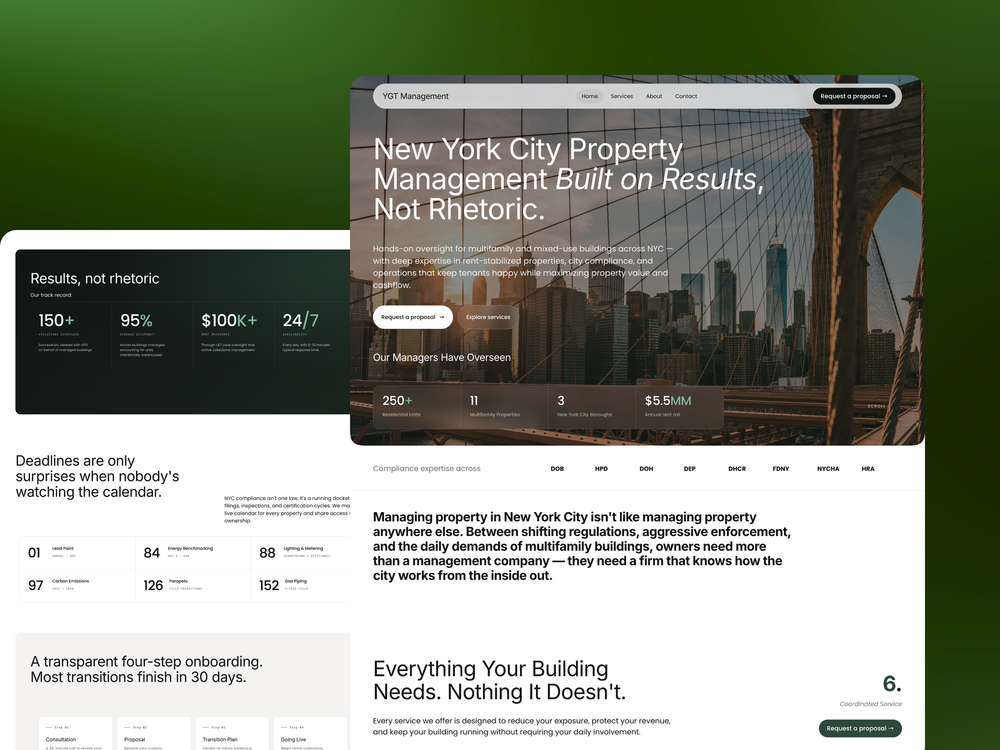
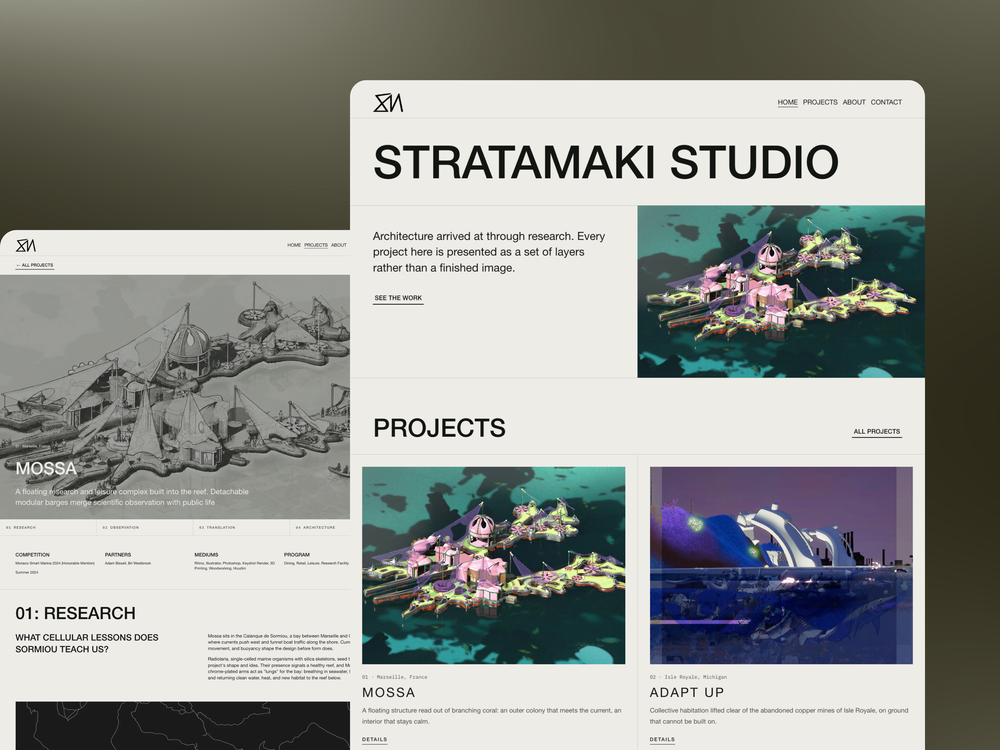
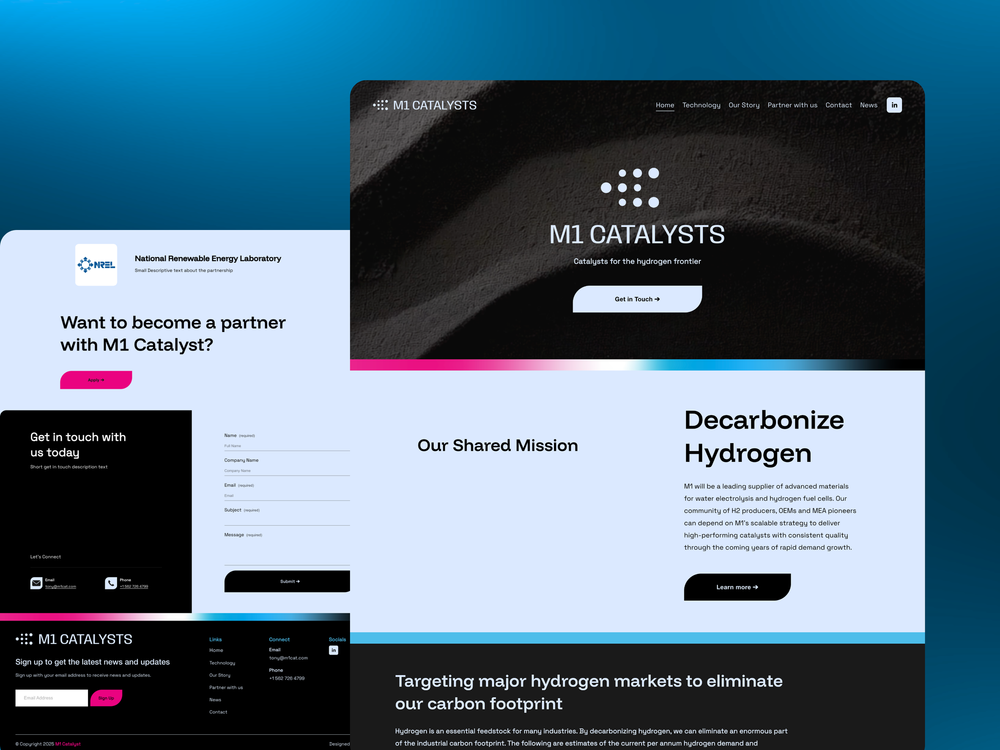
See how we build accounting firm service pages that rank and convert.
See exactly what properly built service pages look like in practice.