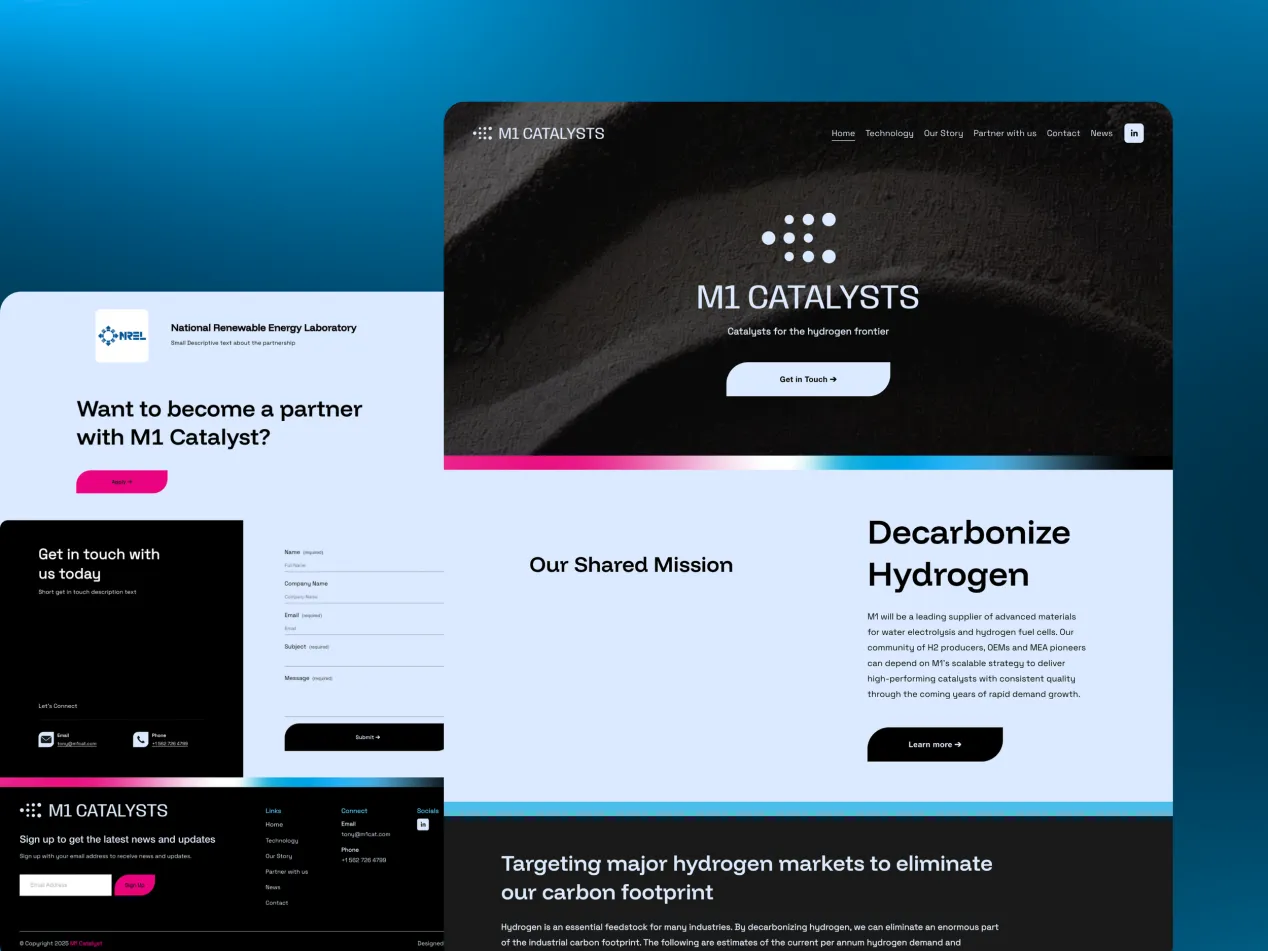




A niche website makes it clear why you're right for a particular kind of client, so the right prospect sees themselves straight away. You can still take on other work. Only your marketing has to narrow. You need your website to lead with your strongest specialisation, even while you keep serving everyone else.
1. Work out which niche your website should lead with
Look at your existing client base first. If you've helped fifteen construction companies manage CIS compliance, you already have the experience, outcomes, and testimonials to position credibly as a construction accounting specialist, no guesswork required.
If nothing dominates clearly, pick the niche you'd most like to grow in rather than the one you happen to serve most today. Your website is a business development tool; it should reflect where you want to go, not just where you've been.
The strongest niches combine three things: a real population of prospective clients, a specific set of accounting needs that sets them apart from the general small business market, and a willingness to pay for specialist expertise rather than generic compliance work. Technology businesses, construction, medical and dental practices, creative agencies, and contractors all tend to fit.
2. Build your homepage around it, not your full service list
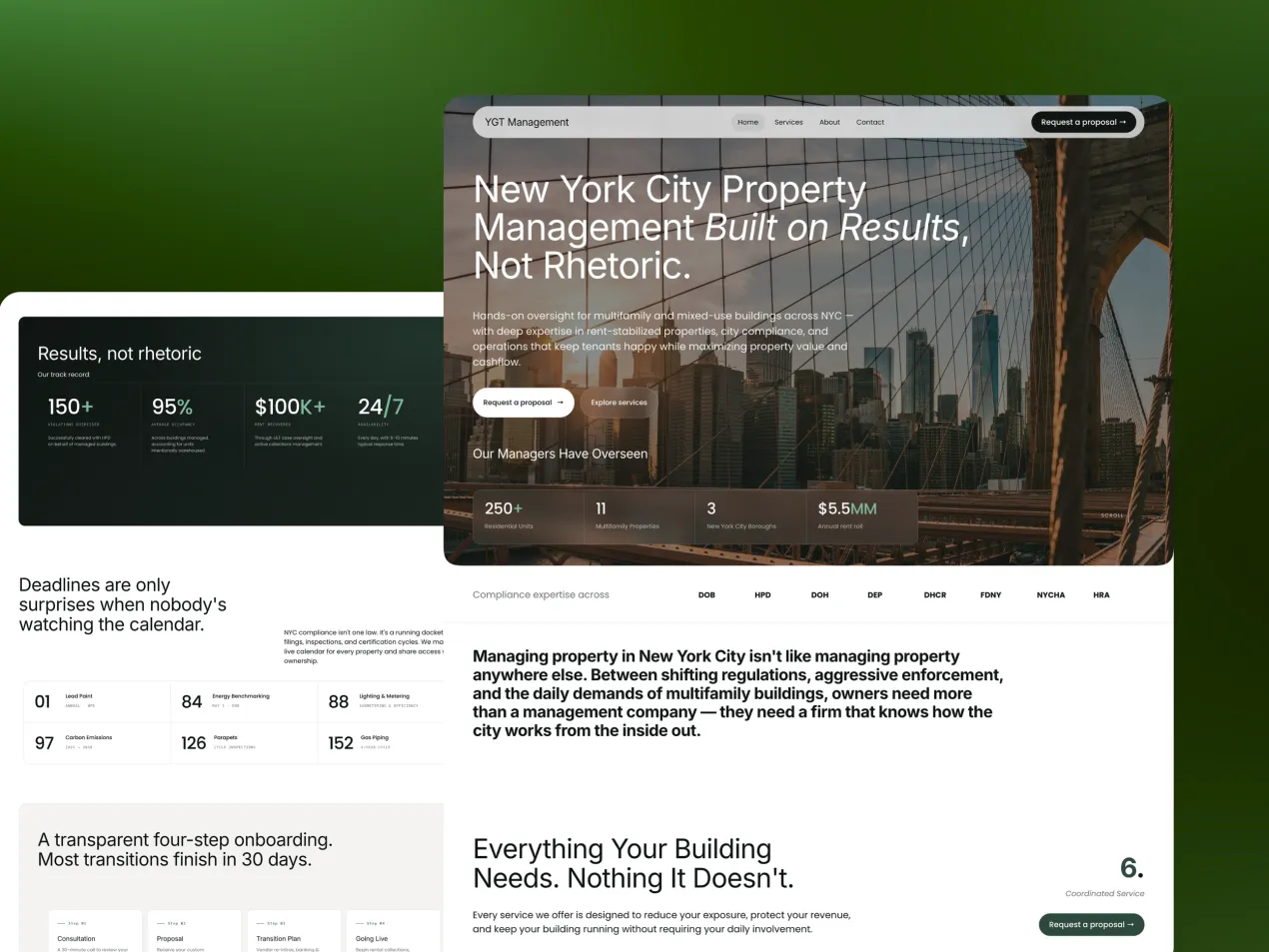
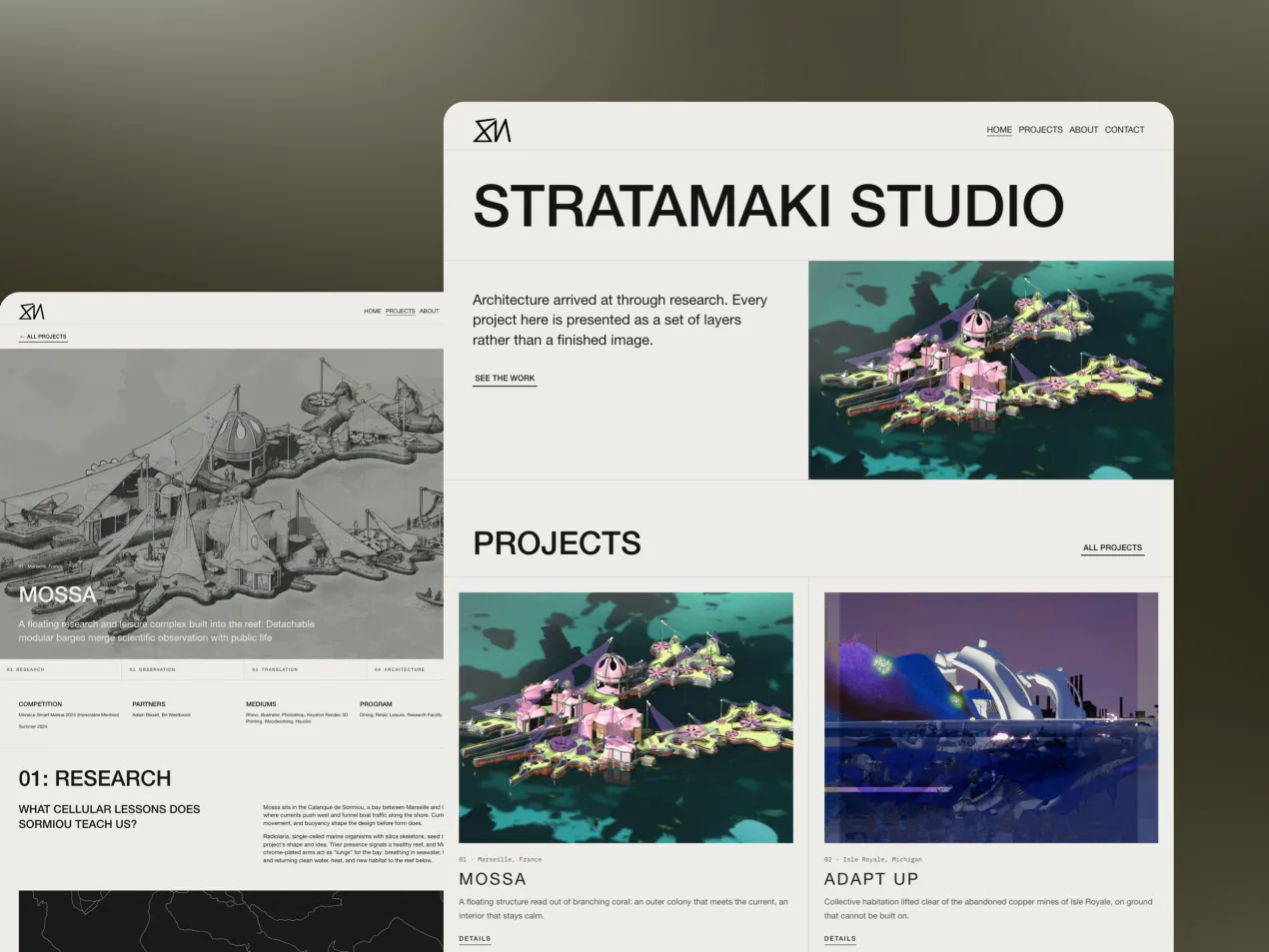
Your headline should speak to that specific client type. Your opening copy should acknowledge the pressures they specifically face. Your featured testimonials and case studies should come from clients in or near the niche. Photography and design choices should reflect their world, not a generic office stock photo.
The fear that this narrows your appeal is usually overstated. You'll still get enquiries from outside the niche, since plenty of visitors respond more to good copy and trust signals than to industry match. Your service pages further down the site can stay broader. The homepage's job is to make the strongest possible first impression on the clients you most want.
3. Write niche-specific service pages
A generic R&D tax credits page serves no one particularly well. One written specifically for software businesses, covering what development activities actually qualify and what documentation you'll need, is both more useful and far more likely to rank for the exact searches your ideal client makes.
Industry-specific compliance content works especially well here. A dedicated CIS compliance page for construction clients addresses a concern almost every construction business owner carries, and that specificity is what makes someone motivated enough to reach out.
4. Collect testimonials and case studies from within the niche
A testimonial from a construction client describing how you caught a CIS issue before it became a problem speaks directly to every other construction owner reading it. That's a stronger conversion tool than a bigger, more impressive result from an unrelated industry, because the recognition is immediate.
Ask specifically, and at the right moment. A request that says you're building a library of construction client stories to help other construction owners find the right accountant will get you a more specific, more useful answer than a generic review ask. And place these testimonials directly on the relevant service page, not just on a general reviews page, so they do their work at the exact moment someone's deciding.
5. Build content that establishes niche authority over time
Write to the specific questions your niche client actually searches. A contractor accounting site should cover IR35, limited company versus umbrella structures, and legitimate expenses, because those are the real questions contractors type into Google.
This content does double duty. It builds search visibility in your niche, and it builds the kind of reputation within that professional community that generates referrals a generalist firm never sees. Track which pieces actually bring in enquiries, not just traffic, so you know where to keep investing.
6. Keep the positioning consistent as you grow
If you land several clients outside your niche and update the site to reflect that broader mix, you risk losing more in diluted niche relevance than you gain from the new category. Niche positioning builds slowly and erodes fast.
If you genuinely grow into more than one niche, build separate sections for each rather than blending them into one generalist message. And keep the positioning consistent everywhere a prospect might find you first, LinkedIn, your Google Business Profile, directory listings, not just the website.
7. Common mistakes to avoid
Don't hedge the homepage with generalist language "just in case." Don't collect testimonials without asking specifically for the niche angle, generic praise doesn't do the recognition work you need. And don't let a few clients outside the niche talk you into softening the positioning that's working.
Knowing your niche is the easy part
Most firm owners already know which client type they serve best. Actually rewriting the homepage, building out niche service pages, and collecting the right testimonials, on top of everything else running the practice involves, is where it stalls.
Conclusion
You may get less traffic overall, but more of it should come from people you're suited to help. Look at your client list and find the group you serve best and most profitably. Rewrite your homepage headline for them, and add one testimonial from that group.
FAQ
Will niching down my website lose me clients outside that industry?
You may lose some, though you can still serve clients who come through referrals. You'll still get enquiries from outside the niche too, since many visitors respond to good copy and trust signals. The clients you gain in your niche should be a better match, so track both before you decide it's working.
What if I don't have a dominant client type yet?
Choose the niche you most want to grow into, and start building content and testimonials there on purpose, even if it's not your biggest group today. Your accounting firm website is a business development tool. It should reflect where you want to go, not just where you've been.
How specific should the niche be?
Specific enough that a prospective client immediately recognises their situation. "Technology businesses" is a starting point, and "SaaS startups pre-Series A" is often stronger. The best niches have a real pool of prospects, accounting needs that set them apart, and a willingness to pay for specialist expertise.
Can I have more than one niche on the same website?
Yes, but give each niche its own section, with its own service pages and testimonials, instead of blending them into one generic message. Keep the positioning consistent everywhere a prospect might find you first. That includes LinkedIn, your Google Business Profile and directory listings, not just the website.
How long before niche positioning starts producing better enquiries?
Homepage and copy changes can affect conversion within weeks. Building the content and testimonials that support search visibility in the niche usually takes a few months of steady work. Track which pieces bring in enquiries, not just traffic. Niche positioning builds slowly and erodes fast, so don't soften it too early.