The best website design for attorneys that stops your firm looking like every competitor
Open ten law firm websites in your city and they will look and sound nearly indistinguishable from one another. The best website design for attorneys creates genuine differentiation, not just visual variety, but a clear and defensible reason for the right client to choose your firm over every alternative. The differentiation is rarely about claiming to be the best. It is about being unmistakably specific in a category that has trained itself to sound generic. This article explains how to build that specificity into the site.

Why the best website design for attorneys starts with differentiation, not aesthetics
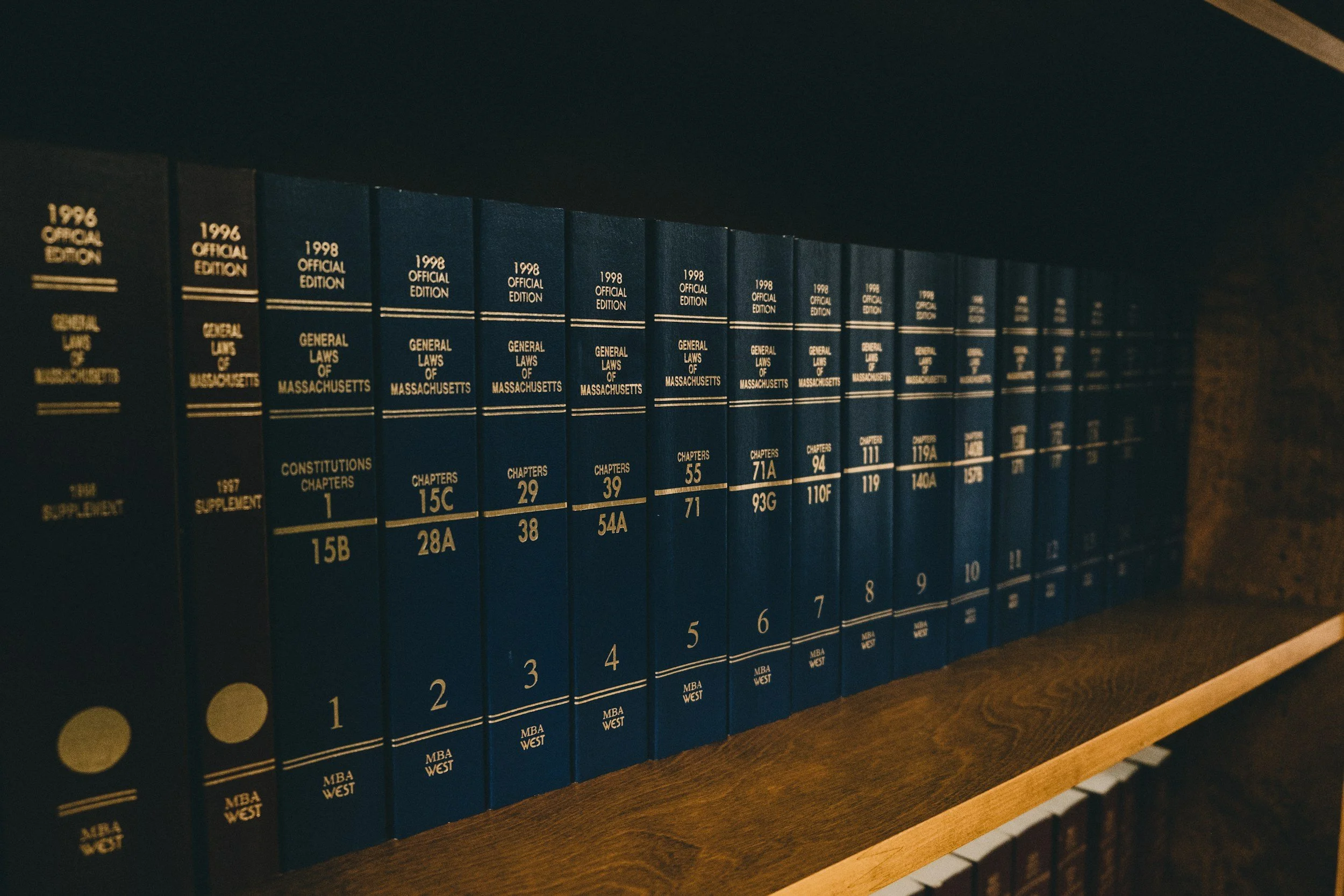
The best website design for attorneys is not primarily a matter of visual quality. Open ten law firm websites in any city and you will find that most of them are professionally designed, visually competent, and structurally similar. Dark blue or deep grey colour palettes, photographs of serious-looking professionals in modern offices, headlines about dedication and results, lists of practice areas, and contact information in the footer. The visual execution varies in quality, but the overall impression is one of remarkable homogeneity. Choosing between these firms on the basis of their websites is difficult precisely because the websites themselves provide almost no basis for differentiation.
The sameness of law firm websites is not accidental. It reflects the professional culture of the legal industry, in which appearing reliable, serious, and establishment-aligned is considered more important than appearing distinctive or interesting. These are not unreasonable values for a professional context where trust and credibility are genuinely the most important purchasing criteria. But they are values that, applied uniformly across an entire market, produce a situation in which every firm looks equally trustworthy and equally undifferentiated, which means the client's choice between firms is made on the basis of factors that the website is not helping to influence.
Genuine differentiation in law firm website design is not about being unusual or unconventional for its own sake. It is about making a clear and specific case for why this firm is the right choice for a particular type of client in a particular type of situation. The firms whose websites create this kind of differentiation do not look radically different from their competitors in terms of visual presentation. What is different is the specificity of their messaging, the depth of their practice area content, the quality and positioning of their trust signals, and the clarity with which their site communicates who they are most built to serve. These differences are commercial ones that happen to be expressed through the website, and they are what constitute the best website design for attorneys in any competitive local market.
Why generic positioning produces generic results
The most significant source of law firm website homogeneity is generic positioning. When every firm in a market describes itself as offering "experienced legal representation across a broad range of practice areas," no firm has given any prospective client a reason to choose it over any other. The prospect who is evaluating five firms whose homepages make essentially identical claims will make their choice on the basis of which firm appears first in the search results, which has the most reviews, or which happens to have a familiar name. The website, which should be the firm's most powerful differentiation tool, has made no contribution to the decision.
The firms that stand out in competitive legal markets have typically made a deliberate positioning decision, not necessarily to serve only one type of client or handle only one type of matter, but to communicate with particular clarity and specificity about who they serve most effectively and what makes their approach distinctive. A family law firm that leads with its commitment to non-adversarial resolution and its track record of reaching agreement without contested hearings is making a claim that most family law firms are not making, and it is a claim that resonates strongly with the prospective client who wants to minimise conflict and cost. A business law firm that positions itself as the firm for growing SMEs navigating their first significant commercial challenge is speaking directly to a specific, commercially valuable audience that most general commercial practices address only generically.
The fear that specific positioning will limit the range of clients a firm attracts is a common reason firms default to generic positioning. In practice, specific positioning typically improves both the volume and the quality of enquiries, because the visitors who arrive on the site already feel that the firm understands their specific situation, which increases the proportion who reach out and the proportion who convert to instructions after the initial consultation. The volume of poorly matched enquiries reduces, which frees up time spent on consultations that were never going to convert, and the volume of well-matched enquiries increases, which improves the overall commercial efficiency of the firm's business development activity.
Identifying the positioning that will most effectively differentiate a firm requires honesty about where the firm is genuinely strongest, what types of clients it serves most effectively, and what aspects of its approach or experience genuinely distinguish it from comparable firms in the market. This is a strategic exercise that precedes the website design brief, and it is the most important work that goes into building a website that creates genuine differentiation rather than a visually improved version of a generic positioning that was never working in the first place.
Visual design that expresses distinctiveness rather than just professionalism
The best website design for attorneys achieves visual differentiation within the constraints of professional credibility. This is a narrower design brief than most industries face, but it is not an impossible one. The firms that achieve genuine visual distinctiveness do so not through radical departures from the conventions of professional legal presentation but through the quality and consistency of their specific design choices: typography that is more carefully considered than the standard, photography that is more authentic and more specific to the firm's actual people and environment, colour use that is distinctive within the general professional palette, and visual hierarchy that is more carefully calibrated to guide the visitor's eye toward the most commercially important content.
Attorney photography is one of the highest-impact design elements for achieving visual differentiation on a law firm website. Generic stock photographs of anonymous-looking professionals in generic office settings are a visual signal of a firm that has not invested in presenting its actual people. Original photography of the firm's actual attorneys, in their actual environment, communicates authenticity and confidence that stock photography cannot produce. The visual difference between a site built on generic stock imagery and one built on high-quality original photography of real people is immediately legible to any visitor, and it creates a significantly stronger impression of the firm's quality and genuine professional identity.
Typography and colour choices that are consistent and distinctive within professional conventions create a visual identity that makes the firm's website immediately recognisable across repeated visits and that distinguishes it from competitors who are using the same default fonts and similar colour palettes. This visual consistency also signals the kind of attention to detail and commitment to quality that legal clients value and that generic template-based websites do not convey. The design investment required to achieve genuine typographic and colour distinctiveness is not large relative to its impact on the overall impression of the site's quality.
The layout and information architecture of a law firm website contribute to its visual distinctiveness in ways that are not always immediately obvious but that cumulatively produce a sense of a site that was designed specifically for this firm rather than built from a generic template. The use of white space, the proportion of the layout devoted to content versus navigation, the way images and text are combined on practice area pages, the visual treatment of testimonials and trust signals, all of these choices accumulate into an overall visual character that can be distinctive within professional norms if they are made deliberately and consistently rather than defaulted to from a template.

Standing out is a strategic decision, not just a design one
We help law firms build websites that communicate genuine differentiation through both design and content — book a free call to talk through yours.
Copy that creates distinction where most law firm copy creates sameness
The copy on most law firm websites is the single greatest source of the sameness that makes law firms interchangeable online. The same phrases appear on firm after firm in every city: "dedicated to achieving the best results for our clients," "experienced solicitors you can trust," "fighting for your rights," "committed to excellence." These phrases are not wrong in themselves. They simply fail to say anything specific about any particular firm, which means they fail to give any prospective client a reason to prefer one firm over another. The best website design for attorneys includes copy that is specific, honest, and genuinely reflective of what makes the firm different from the alternatives.
Differentiation through copy does not require fabricating a unique selling proposition that does not exist. It requires finding and communicating the genuine differences that already exist but that the firm has never previously translated into specific public messaging. The firm that has a particular concentration of experience in a specific industry, the attorney who approaches their practice area with a specific philosophy that clients consistently describe as distinctive, the firm that handles a specific sub-category of its main practice area with unusual depth, all of these are real differentiators that are present in most firms but that are never communicated because the default instinct is to describe the service generically rather than the specific value specifically.
The homepage headline is where differentiation through copy has the most immediate impact. A headline that makes a specific claim about who the firm serves and what it delivers for them will distinguish the site from competitors whose headlines make generic claims about commitment and experience. A headline that positions the firm as the choice for a specific type of client in a specific type of situation, stated plainly and specifically, will resonate with the visitors who match that description in a way that no amount of visual design can replicate. It creates the specific recognition that motivates a prospective client to stay on the site and ultimately to reach out.
The attorney bio pages are the copy elements with the most potential for genuine personal differentiation, and they are the pages most commonly written in a generic professional biography format that is interchangeable between any attorney at any firm. An attorney who describes in their profile why they chose to practise in a particular area of law, what they find most rewarding about the work, how they approach their relationship with clients, and what they believe good legal representation actually involves, creates a personal distinctiveness that a list of qualifications and bar admissions cannot produce. This personal differentiation is particularly powerful in practice areas where the client-attorney relationship is close and personal, such as family law, personal injury, and employment law, because the prospective client is evaluating not just the firm's competence but the specific person they are about to trust with something important.
Using specific evidence to back every claim
Generic claims in law firm websites are not just ineffective at differentiation. They are actively harmful to credibility because they have been used so often across the industry that they have become signals of an absence of genuine evidence rather than evidence of quality. When a prospective client reads that a firm is "committed to achieving the best results," they do not believe the claim more strongly for being stated. They become marginally more sceptical about what specific evidence supports it. The best website design for attorneys replaces generic claims with specific evidence that allows the prospective client to assess the claim for themselves.
Specific evidence in a law firm context takes several forms, each with its own contribution to differentiation and credibility. Testimonials that describe specific situations and specific outcomes are evidence that the firm has handled matters like the visitor's and done so successfully. Outcomes evidence, within the limits of professional conduct rules, is evidence that the firm's approach produces results rather than merely claiming to. Attorney profiles that describe specific types of cases handled and specific professional accomplishments in specific practice areas are evidence of relevant expertise rather than generalised competence. Third-party ratings and rankings from recognised bodies are evidence of peer-assessed quality that no self-promotional claim can replicate.
The volume of specific evidence matters as well as its quality. A firm that presents one testimonial, one award logo, and one vague outcomes statement has done less differentiation work than one that presents a page of specific, attributed, recent testimonials, multiple relevant accreditations prominently displayed, and a substantive outcomes section that describes the firm's track record in each practice area. The accumulation of specific evidence creates a cumulative impression of a firm that has genuinely earned its claims, which is a very different experience from reading a list of generic assertions that could apply to any competitor.
Keeping the evidence current is as important as having it. A testimonial from six years ago says something about what the firm was like then, but a testimonial from last month says something about what the firm is like now. A Chambers ranking from two editions ago is historical recognition; a current ranking is present evidence of quality. The best law firm websites treat evidence maintenance as an ongoing commercial activity rather than a one-time website build exercise, because the currency of the evidence directly affects how credible it is to the prospective client who is evaluating it today.
Differentiation that is consistent across every page is differentiation that wins clients
We build law firm websites where every page reinforces a clear, specific position that distinguishes your firm from every competitor — book a free call to talk through yours.
How niche content creates differentiation that competitors struggle to match
Publishing genuinely useful, specific content on the legal topics most relevant to the firm's target clients is one of the most sustainable differentiation strategies available through a law firm website. A firm that maintains a library of well-written, current, specific content on the issues facing its target client types is creating a form of public expertise demonstration that is visible to prospective clients, referral sources, and professional peers, and that is very difficult for competitors who have not made the same content investment to match quickly.
The differentiation value of content is particularly strong when it addresses the specific concerns of a well-defined client audience with genuine depth and accessibility. A law firm that publishes a series of articles specifically addressing the legal challenges facing technology startups, written clearly enough for a non-lawyer founder to understand and specific enough to demonstrate genuine knowledge of the start-up legal landscape, is making a stronger differentiation claim to technology company founders than any homepage positioning statement could produce. The content is the evidence of the positioning, not just the assertion of it.
Content differentiation compounds over time as the library grows and the search authority it builds increases. A firm that has published fifty genuinely useful articles on legal topics relevant to its target clients has a public evidence base of expertise that a firm with five articles cannot match, regardless of the quality of those five articles. The size of the library signals the depth of the commitment to public expertise sharing, which itself is a differentiator in a market where most firms publish very little. This accumulated evidence is also practically impossible for a competitor to displace quickly, because the domain authority and search rankings associated with a mature content library take time to build and cannot be shortcut through a burst of publication activity.
The best website design for attorneys integrates content strategy with design in a way that makes the content as accessible and as impactful as possible for the visitors who find it. A blog section that is visually prominent, easy to navigate by practice area or client type, and that presents the most relevant and most recent content clearly and attractively will generate more engagement and more consultation requests from content-driven visitors than one that is technically present but visually marginalised on the site. Making the content investment pay its full commercial return requires designing the site around the content as a primary commercial asset, not as an optional addition to a brochure architecture that treats the blog as a separate, secondary section.
Making differentiation consistent across every page and every channel
Differentiation that exists only on the homepage or only in the firm's positioning statement is not genuine differentiation. It is a marketing claim that is not sustained by the experience of navigating the rest of the site. The best website design for attorneys ensures that the differentiation is expressed consistently across every page of the site, so that a prospective client who arrives on a practice area page, an attorney profile, or a blog article rather than the homepage encounters the same specific, evidence-backed positioning that distinguishes the firm from its competitors wherever they enter the site.
Consistency across the firm's online presence beyond the website reinforces the differentiation work done on the site itself. A LinkedIn profile that reflects the same positioning, a Google Business Profile description that uses the same specific language, a directory listing that highlights the same distinctive experience and approach, all contribute to a coherent online identity that is more distinctive than any one channel alone. The prospective client who encounters the firm across multiple channels before making contact arrives with a clearer and more specific understanding of what the firm stands for and why it is the right choice for their situation.
Internal consistency across the pages and sections of the website is as important as consistency across channels. A homepage that positions the firm as specialists in representing individual employees in employment disputes, followed by practice area pages that describe the employment law service in generic terms that could apply to any firm handling any type of employment matter, creates a disconnect that undermines the positioning established on the homepage. The specificity and the evidence that support the differentiation claim need to be present and reinforced on every page that a prospective client is likely to visit, not concentrated in one place and absent from the rest.
Reviewing the entire website periodically through the lens of differentiation, asking at each page whether the content and design of this page are reinforcing or undermining the distinctive positioning the firm has established, is the discipline that maintains consistency over time. As the firm evolves, as new attorneys join, as practice areas develop, and as the website is updated with new content, the differentiation positioning needs to be actively maintained rather than assumed to persist. The firms that do this consistently find that their websites become progressively more distinctive over time as the evidence and the positioning accumulate, rather than gradually reverting to the generic standard as updates are made without regard for the overall differentiation strategy.
Standing out is a strategic decision, not just a design one
We help law firms build websites that communicate genuine differentiation through both design and content — book a free call to talk through yours.
Building a website that gives the right client a clear reason to choose you
The best website design for attorneys is ultimately the design that most clearly and most consistently gives the right prospective client a specific reason to choose that firm over every alternative. This is not achieved through visual innovation or technical sophistication, though both can contribute to the overall quality of the impression the site creates. It is achieved through the strategic and communicative decisions that most law firm website briefs do not prioritise: the positioning clarity, the specific evidence, the empathetic and accessible copy, the thoughtful placement of trust signals, and the sustained content investment that builds the kind of public expertise profile that competitors cannot quickly replicate.
The firms that make these decisions and sustain them consistently over time find that their online presence becomes a genuine competitive advantage in their market. They attract better-qualified enquiries from prospective clients who have already been persuaded by the website's evidence and positioning before they make contact. They convert a higher proportion of those enquiries into instructions because the prospective client arrives already aligned with the firm's approach and already confident in its relevant expertise. And they build a compounding authority in their market that makes their website progressively harder to displace from the top of local search results and from the top of the list of firms that their referral sources recommend.
Achieving this position requires an honest assessment of where the current website is failing to differentiate, followed by a clear decision about what the firm's genuine distinctive positioning is and how it should be expressed. This assessment and this decision are the strategic foundations on which everything else is built. The design, the copy, the content, the trust signal placement, all follow from getting these foundations right. Without them, even the best visual execution will produce a website that looks better than the current one but that is no more distinctive from its competitors in the ways that actually influence a prospective client's decision to choose one firm over another.
If you want a law firm website that creates genuine differentiation and gives the right clients a clear reason to choose your firm, we can help. Take a look at our approach to web design for law firms and book a free call to discuss what genuine online differentiation could do for your firm's client acquisition.
Written by
Mikkel Calmann
Web design for law firms
Most law firm websites were never built to generate leads. We design Squarespace websites that change that. See exactly how we approach it.
More web design insights for law firms