
Principles behind high converting web design
High converting web design is more than functional layouts and calls-to-action. It is a deliberate orchestration of brand narrative, visual authority, and user experience that positions your business as premium and inspires trust with high-value clients.
Written by Mikkel Calmann
Dec 28, 2025

Why understanding high converting web design matters
In a saturated digital marketplace, websites are more than informational tools. They are immersive brand experiences that define perception, establish credibility, and drive high-value engagement. A website that converts effectively balances aesthetic authority, strategic narrative, and functional clarity.
For premium brands, the stakes are even higher. High converting web design is not about pushing traffic through generic funnels. It is about creating an environment where potential clients immediately understand the value, expertise, and positioning of the brand. Misaligned design choices, visual clutter, or unclear messaging can diminish trust and reduce engagement, even for brands with strong reputations offline.
Every element of the design communicates intent, taste, and authority. When executed properly, high converting web design transforms curiosity into confidence and casual visitors into high-ticket clients.
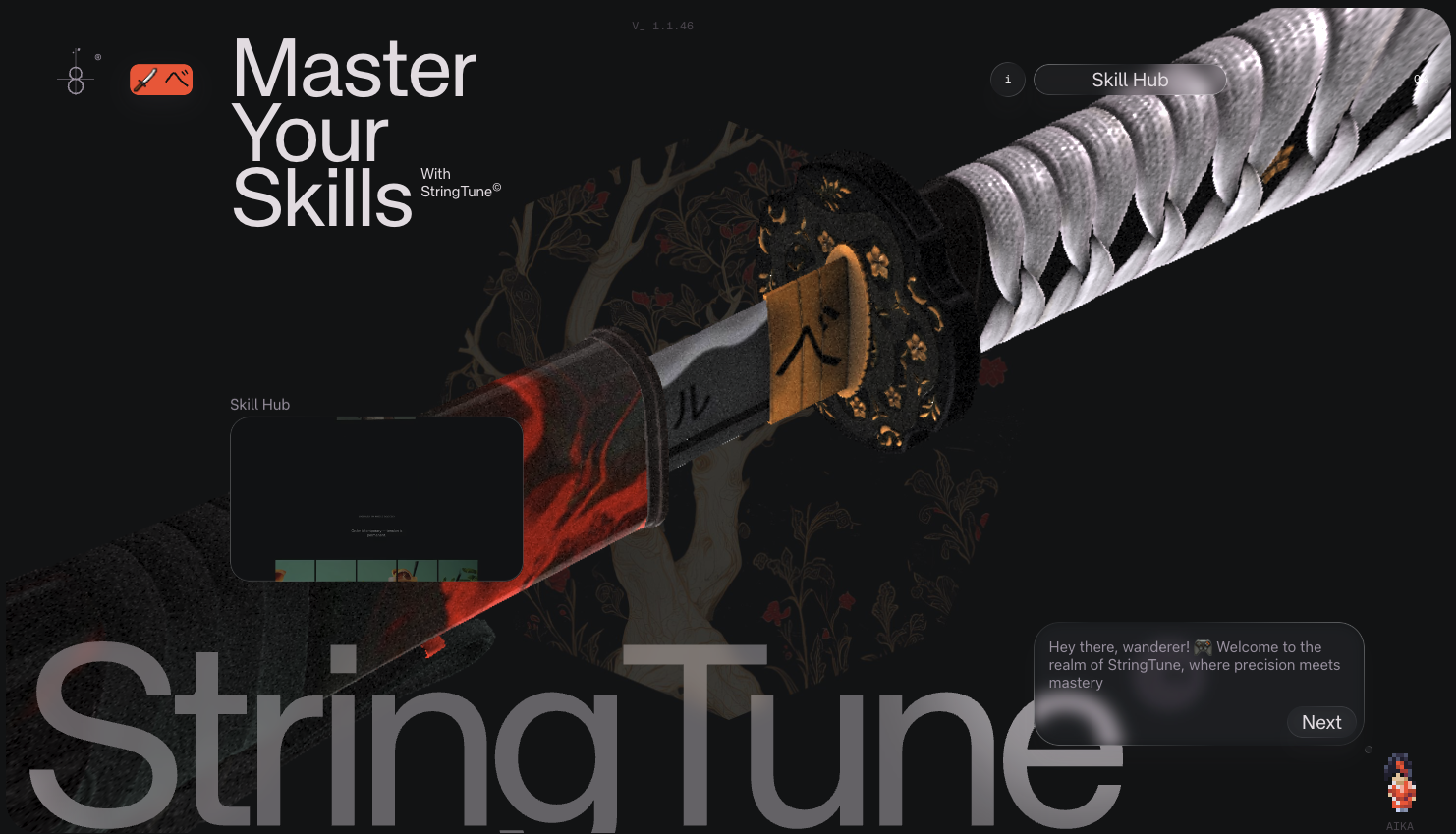
The role of brand storytelling in high converting web design
One of the defining principles behind high converting web design is narrative clarity. Every website tells a story, whether intentionally or by default. Premium brands leverage design to craft narratives that communicate value and authority subtly.
A high converting homepage should immediately convey the brand’s essence through strategic use of visuals, typography, and spatial hierarchy. Visitors should intuitively understand what the brand represents, who it serves, and why it matters. Storytelling is embedded not only in copy but in every interaction, from the hero image to the footer. Each section should guide the visitor further into the journey, reinforcing credibility and enticing engagement.
Consider how leading luxury brands present themselves online. Minimalistic layouts, intentional whitespace, and curated imagery create a sense of exclusivity and refinement. Every scroll feels purposeful, revealing brand values and service offerings without overwhelming the visitor. The result is a narrative-driven digital experience that builds trust organically while driving conversions.
Visual hierarchy and cognitive flow
High converting web design relies on visual hierarchy to manage attention and guide action. Visitors process visual information quickly, and their perception of value is shaped in moments. Strategic use of size, color, contrast, and placement ensures that the most critical elements capture focus first.
For example, a hero section featuring a concise value proposition draws immediate attention. Subsequent sections are sequenced logically, using contrast and spacing to prioritize content and highlight key messages. This approach ensures that the visitor’s cognitive journey aligns with the desired conversion path, reducing friction and enhancing trust.
Whitespace is particularly effective in premium design. It signals refinement, elevates focus, and prevents cognitive overload. High-ticket clients respond positively to layouts that feel curated and intentional, reinforcing the perception of authority and expertise.
Trust signals and social proof
High converting web design incorporates trust signals seamlessly into the experience. These include client testimonials, case studies, portfolio highlights, awards, and media mentions. Strategic placement and visual integration of these elements reinforce credibility without appearing transactional or sales-driven.
Luxury brands often use subtle trust cues, such as minimal badges, understated client logos, or elegant quote overlays. This approach ensures the focus remains on the narrative and aesthetics while providing reassurance that the brand delivers value and expertise.
Consider the difference between a website with scattered testimonials and one where trust elements are carefully curated into the visual hierarchy. The latter conveys authority and earns engagement more effectively, as visitors perceive professionalism and reliability without overt persuasion.
Conversion-oriented layouts without compromise
High converting web design balances conversion optimization with premium aesthetics. Every button, form, and call-to-action is placed strategically, but not at the expense of visual cohesion. The objective is to guide action without sacrificing brand integrity.
Leading brands achieve this by integrating calls-to-action within the storytelling. A hero section may include a single, elegant prompt to schedule a consultation, while mid-page interactions naturally invite deeper engagement. Subtle motion or hover effects can reinforce interactivity, creating a tactile sense of engagement without appearing aggressive or pushy.
The flow is critical. High-ticket clients need to feel in control, with information presented sequentially, logically, and elegantly. High converting web design prioritizes intuitive navigation, clear pathways, and visual cues that encourage exploration and eventual action.
Case study: Boutique consultancy website
A boutique strategy consultancy approached a web design agency to increase high-value inquiries. The previous site was cluttered, visually inconsistent, and failed to communicate expertise.
The redesign applied principles of high converting web design. The homepage featured a concise hero statement, followed by portfolio highlights and testimonial sections. Strategic use of whitespace and typography created hierarchy and focus, while trust signals were integrated subtly throughout. Interactive elements guided users through the content naturally.
The outcome was transformative. The site achieved a measurable increase in qualified leads, higher engagement metrics, and an elevated perception of authority. Visitors immediately understood the consultancy’s value and felt confident in initiating contact. This example underscores how thoughtful design can simultaneously enhance perception and drive conversion.
Micro-interactions and feedback loops
High converting web design leverages micro-interactions to reinforce engagement and provide feedback to users. These include subtle hover effects, animated transitions, and responsive visual cues that indicate interactivity.
In premium design, micro-interactions are never decorative alone. They serve the dual purpose of delighting the visitor and confirming their actions. For instance, a button might subtly shift or a portfolio image might expand on hover, providing reassurance and reinforcing trust in the brand’s attention to detail. These moments of interaction enhance engagement, making the digital experience feel curated and intentional.
Mobile-first considerations
High-ticket clients increasingly engage on mobile devices. High converting web design accounts for this by prioritizing performance, clarity, and flow across all screen sizes. Mobile layouts should maintain hierarchy, preserve narrative sequencing, and ensure that trust signals and calls-to-action remain visible and effective.
Luxury brands often approach mobile design with restraint, emphasizing clarity and visual coherence. This ensures that even on small screens, the brand communicates authority, guides attention, and maintains engagement. Every interaction is intentional, and visitors can navigate seamlessly, building confidence in the brand regardless of device.
Conclusion
High converting web design is the result of strategic orchestration of narrative, visual hierarchy, trust signals, and intuitive interaction. It is not merely about aesthetics or functional layouts; it is about crafting experiences that build authority, inspire confidence, and attract high-ticket clients.
Premium brands leverage these principles to ensure that every scroll, click, and hover conveys intentionality and expertise. Storytelling is embedded in every visual and textual element, micro-interactions reinforce engagement, and conversion pathways are seamlessly integrated without compromising elegance.
Understanding the principles behind high converting web design allows brands to position themselves as leaders in their space. For high-value clients, these websites are more than informational resources, they are immersive experiences that communicate trust, sophistication, and credibility at every touchpoint. When executed thoughtfully, high converting web design becomes a strategic asset that elevates brand perception and drives meaningful engagement.
Flexible custom packages.
Three tiers scoped for where you are and where you're going. Not sure which fits? Book a call — we'll go over your project together and make sure you land on the right one.
Launch build
Look credible, fast.
$2,500starting from
A focused, conversion-aware website that gives you confidence sharing your link anywhere.
- Up to 4 structured pages
- 1 focused revision round
- Fully mobile-optimised
- SEO foundations included
- Launch-ready in 3 weeks
- 30 days email support
Best for businesses launching or replacing an outdated site.
Start your projectAuthority build — Most popular
Elevate your brand.
$4,000starting from
A refined, strategically designed website that positions your business as established and credible.
- Everything in Launch, plus:
- Up to 7 pages
- Custom styling & layouts
- 2 revision rounds
- Blog integration
- 5-week build timeline
- Training walkthrough
Best for growing businesses that want their site to reflect their expertise.
Start your projectScale build
No limits. Full depth.
$8,000starting from
A fully bespoke build with advanced functionality, custom code, and no artificial constraints.
- Everything in Authority, plus:
- Unlimited pages
- Unlimited custom code
- Unlimited revisions
- Plugin costs covered
- Priority support
- Complete SEO setup included
Best for established businesses investing in a long-term digital foundation.
Start your project
Mikkel Calmann
I’m Mikkel Calmann, a certified Squarespace designer and Circle Member. We’ve worked with businesses of all sizes, crafting strategic websites that look great and perform even better. If you’d like to discuss a project, feel free to email us at mikkel@typza.com or reach out to us here. You can also book a free 15-minute consultation here.