Why online booking is the most important upgrade in private GP website design
Most private GP practices still require patients to call during office hours, and most patients will not. Modern private GP website design treats online booking as the single most commercially significant upgrade available to a clinic site, not a convenience feature. Every hour without it is an hour where motivated patients reach a dead end and quietly choose someone else. This article explains exactly why and how to implement it without disrupting reception workflow.

Why private GP website design without online booking loses patients every hour
Private GP website design that requires patients to call during office hours to book an appointment is actively losing a significant and entirely invisible proportion of the motivated prospective patients who visit the site every day. The invisibility of this loss is the reason most practices do not treat it with the urgency it deserves. There is no failed booking notification. There is no record of the patient who arrived at eleven at night, found the practice's service page for the specific health concern they had been worrying about, felt reassured enough to want to book, and then discovered that the only path forward was a phone call that could not be made until Monday morning. By Monday, the anxiety that motivated that visit has typically either subsided or been redirected to a competing practice that was accessible at the moment when the motivation was alive.
The proportion of healthcare website visitors who are researching and making booking decisions outside of typical office hours is substantially larger than most practice managers realise. Patients search for healthcare options in the evenings, on weekends, and during the working day in brief windows between their own professional commitments when making a phone call to a medical practice is either inconvenient or professionally awkward. Each of these moments is a commercially significant window of patient motivation that online booking captures and that phone-only booking loses. The practice that cannot account for the appointments it is not getting from these windows has no way to assess the commercial cost of not having online booking in place, but the cost is real and it accumulates continuously.
A well-designed private GP website treats online booking not as a convenience feature added to an existing patient acquisition system, but as the central conversion mechanism around which every other element of the site is structured. The content exists to bring motivated patients to the point of being ready to book. The trust signals exist to provide the reassurance that allows anxious patients to commit to booking. And the booking mechanism exists to capture that commitment at the moment it is live, without friction, without waiting, and without requiring the patient to navigate away from the site, find a phone number, and make a call during hours that may not be compatible with their life. This is private GP website design that understands the commercial value of the patient's motivation and is specifically built to capture it.
The specific patient behaviours that make online booking a commercial imperative
The patient psychology that makes online booking so commercially significant for a private GP practice is not simply a preference for digital convenience. It is a specific combination of health anxiety, time pressure, and social discomfort around telephone booking that the majority of prospective private patients experience to some degree. The patient who is dealing with a health concern they are uncertain about is often simultaneously uncertain about whether they are overreacting by seeking professional attention. Calling a medical practice to describe a concern they are not sure warrants professional attention requires them to articulate that concern to a receptionist before they have had the opportunity to assess it against the clinical information on the website, which creates a specific social barrier that a meaningful proportion of motivated patients choose not to cross. Online booking removes this barrier entirely: the patient books the appointment without having to justify or explain their concern before the consultation takes place.
The time pressure that characterises the lives of many private patients, particularly the self-employed professionals, company executives, and working parents who represent the most commercially significant patient demographic for most private GP practices, creates a specific mismatch between the patient's availability for making phone calls and the practice's reception hours. A practice that is open from nine to five on weekdays is asking its patients to call during the hours when those patients are most likely to be in meetings, on client calls, or managing professional commitments that make a personal phone call to a medical practice both practically inconvenient and professionally awkward. Online booking removes this mismatch entirely: the patient books at whatever time is available and convenient for them, without any dependence on the practice's reception hours.
The booking abandonment rate that phone-only practices experience but cannot measure is one of the most commercially significant invisible costs in private healthcare patient acquisition. A patient who visits a private GP website, reads the service content for their specific health concern, and finds the practice credible and accessible, has completed the most commercially difficult part of the patient acquisition journey. The only remaining step is the mechanical one of confirming the appointment. Requiring this patient to call the practice rather than click a booking button introduces a friction point at this final stage of the conversion journey that causes a measurable proportion of motivated patients to abandon the booking before completing it. Some will call later and successfully book. Many will not call at all, because the moment of highest motivation has passed and the urgency that would have motivated the call has dissipated in the hours or days between the website visit and a convenient opportunity to telephone.
The comparison with online booking options offered by competing practices is a specific and commercially significant competitive factor in the private GP market. A patient who is evaluating two or three private GP practices and who finds that one offers immediate online booking while the others require a phone call, will typically choose the practice with online booking, holding all other factors equal, because the ease and immediacy of the booking process is itself a signal of the accessibility and modernity of the practice's overall approach to patient care. This competitive dynamic reinforces the commercial case for online booking by demonstrating that its absence is not merely a missed convenience but an active competitive disadvantage in a market where patients have choices and where the ease of access to care is a genuine factor in their assessment of which practice to choose.
What a properly implemented online booking system looks like
The online booking systems that produce the highest conversion rates from private GP website visitors to confirmed appointments share several specific characteristics that distinguish them from the basic booking widgets that most practices implement as a minimum compliance with the expectation of online booking. The most commercially effective booking systems are embedded directly within the service pages of the website rather than accessed through a separate booking page that the patient must navigate to, so that the patient who has just read about the specific service relevant to their concern can initiate the booking from that page without any additional navigation steps. Every additional navigation step between the moment of maximum motivation and the completed booking represents a proportion of patients who begin the process and do not complete it.
Real-time availability is the specific booking system feature that most directly addresses the patient's urgency and eliminates the uncertainty that delays booking. A system that shows the patient the actual available appointment slots for each practitioner and each appointment type, updated in real time, allows the patient to select an appointment that fits their schedule and to confirm it immediately, with an automated confirmation that the slot is reserved and that the appointment is confirmed. This immediate confirmation is commercially significant because it closes the booking before the patient has had the opportunity to reconsider or to find a competing practice that also offers online booking. The patient who has confirmed an appointment with a real-time booking system is a patient who is fully committed to the consultation at the moment of highest motivation, which is the optimal conversion outcome for any private GP website.
The appointment type differentiation that the best private GP online booking systems provide is a specific quality that reduces the friction of the new patient booking decision by making it immediately clear which appointment type is most relevant to the patient's specific concern. A booking system that distinguishes between new patient consultations, follow-up appointments, specific condition consultations, and other appointment types, allows the patient to select the most appropriate appointment without needing to speak with a receptionist to determine which type of appointment they need. This clarity is particularly important for new patients who are unfamiliar with private GP practice and who may not know whether their concern warrants a standard new patient consultation or something more specific. The booking system that provides this clarity through its appointment type structure is doing the patient communication work that would otherwise require a telephone call.

Online booking captures patient motivation at its peak, phone booking loses it overnight.
We build private GP websites with booking systems that convert motivated visitors into confirmed appointments.
Integrating online booking with the patient journey throughout the site
The placement of the booking mechanism throughout the private GP website, rather than only on a dedicated booking page, is the structural decision that most directly determines how many of the motivated visitors who arrive through organic search will take the step of initiating a booking. A patient who has arrived through a condition-specific search, who has found the relevant service page genuinely helpful and reassuring, and who finds a clear "book an appointment" button immediately below the content that addressed their concern, is being invited to act at the specific moment when their motivation is at its highest point. The same patient who has to navigate to a separate booking page from this position is being asked to make an additional decision that a proportion will not make, because the navigation requirement creates a moment of hesitation that allows doubt or distraction to intervene between the motivation to book and the completed booking.
The pre-consultation questionnaire that is collected as part of the online booking process is a specific feature that makes the booking mechanism more commercially productive for both the patient and the practice. A brief questionnaire that asks the patient to describe their main concern, to indicate whether they have any relevant medical history the practitioner should be aware of, and to note any specific questions they want to ensure are addressed during the consultation, allows the practitioner to arrive at the appointment prepared for the specific situation rather than spending the first portion of the consultation on the background-gathering that the questionnaire has already completed. This preparation quality improves the efficiency and the clinical quality of the appointment from the patient's first experience of the practice, which is a commercially significant factor in the patient's decision to return for subsequent care and to recommend the practice to others in their network.
The post-booking communication sequence that follows a confirmed online appointment is an opportunity that most private GP practices waste by providing only a generic automated confirmation. The patient who has just taken the step of booking their first private GP consultation is still forming their impression of the practice, and the quality and warmth of the post-booking communication is a direct continuation of the patient experience that the website began. A warm, specific confirmation that acknowledges the patient's concern, confirms the details of their appointment, provides clear guidance on what to bring and how to find the practice, and communicates what they can expect during and after the consultation, maintains the positive impression that the website created and reduces the anxiety about the forthcoming appointment that some patients experience in the period between booking and arrival. This continuation of the patient experience through the post-booking communication is one of the most commercially significant patient relationship investments available to a private GP practice, and it costs almost nothing beyond the thoughtfulness required to design it well.
The reminder communication that is sent to the patient in the days before their appointment is a specific patient relationship and practice management investment that the best online booking systems facilitate automatically. A personalised appointment reminder sent twenty-four to forty-eight hours before the scheduled appointment, confirming the appointment details and providing clear instructions for arrival, reduces the no-show rate that affects most private GP practices and that represents a specific and measurable commercial cost in unutilised appointment capacity. For a private GP practice whose appointment capacity is a genuinely constrained resource, the reduction in no-show rate that automated appointment reminder communication produces is a direct commercial improvement in the efficiency with which the practice's clinical capacity is translated into patient contact and revenue.
The mobile booking experience and why it determines most booking outcomes
The majority of private healthcare searches now happen on mobile devices, and the quality of the mobile booking experience is consequently the quality that determines most booking outcomes for most private GP practices. A patient who searches for a private GP on their phone, navigates to the practice's website, finds the service content relevant to their concern, and decides to book, is completing the entire patient acquisition journey on a small touchscreen with a mobile data connection. The booking experience that this patient encounters needs to be as well-designed for the mobile context as the rest of the website, because the mobile booking experience is the final stage of the conversion journey and the point at which all the preceding investment in website content, trust signals, and local search visibility is either converted into a confirmed appointment or lost to booking friction.
The specific mobile booking experience failures that most commonly cost private GP practices confirmed appointments are forms that require significant text entry on a mobile keyboard, multi-page booking flows that require the patient to navigate several screens before the appointment is confirmed, booking interfaces that load slowly on mobile data connections, and confirmation mechanisms that require the patient to verify their email address before the appointment is committed, adding an additional step that some patients in a moment of urgency will not complete. Each of these failures represents a proportion of motivated patients who begin the booking process on their phone and who do not complete it, because the friction of the mobile booking experience exceeds the motivation that the website content has generated. Eliminating these friction points through deliberate mobile-first booking design is one of the highest-return investments available in private GP website design.
The mobile booking experience is where most appointments are won or lost.
We design private GP websites with mobile booking flows that feel effortless on any device.
Measuring the commercial impact of online booking on patient acquisition
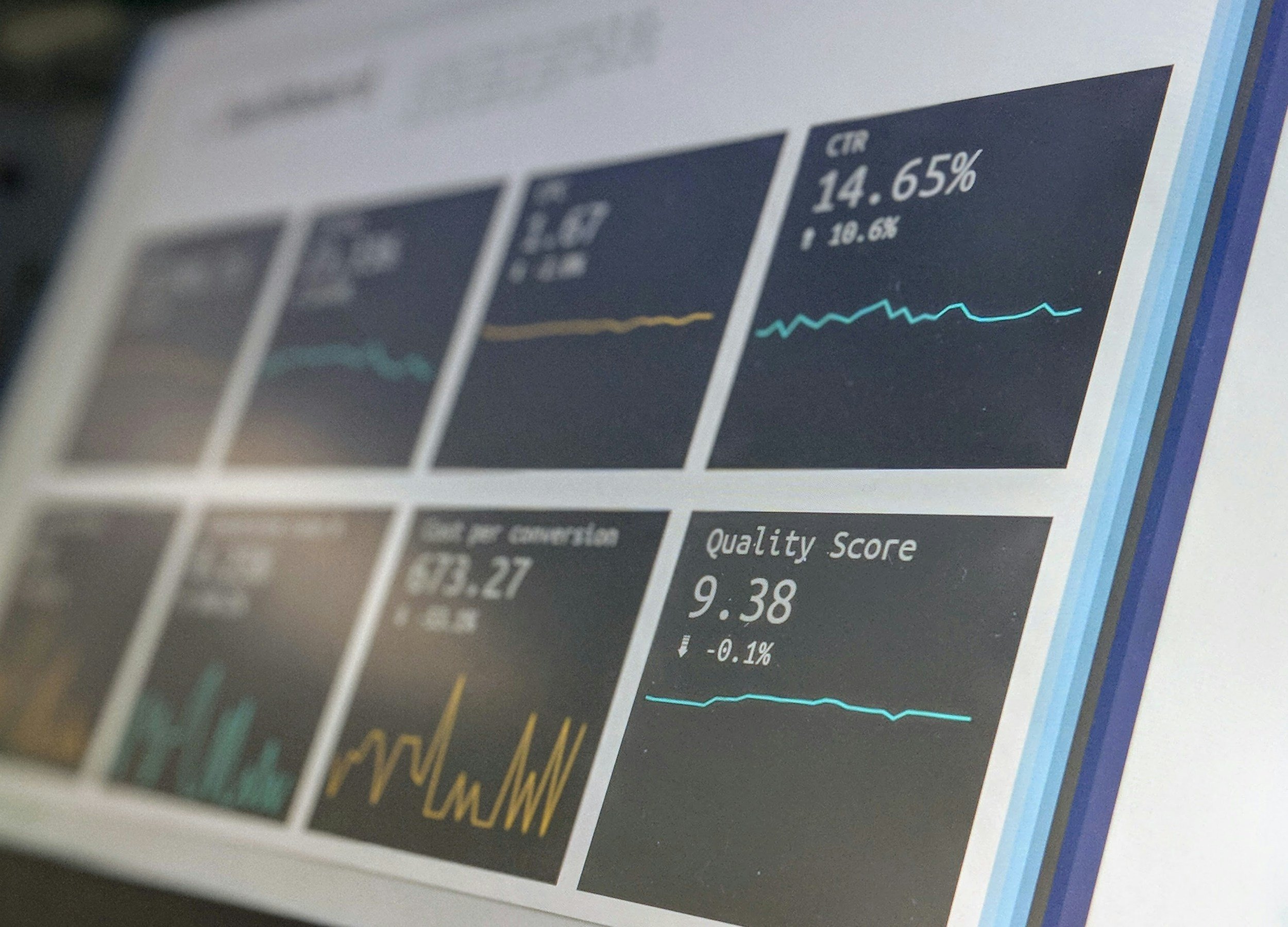
The commercial impact of online booking on private GP patient acquisition is most accurately measured through the specific comparison of appointment booking rates before and after its implementation, supported by the analytics data that reveals where in the patient journey bookings are being initiated and completed. Practices that move from phone-only booking to online booking typically observe a significant increase in new patient appointment volume in the weeks following the change, reflecting the accumulated demand from patients who were visiting the website and were ready to book but who were deterred by the requirement to call. This demand accumulation is a commercially significant indicator of the scale of the opportunity that phone-only booking was leaving uncaptured.
The specific metrics that reveal the commercial performance of the online booking system are the booking initiation rate from service page visits, the booking completion rate from initiations, and the no-show rate for appointments booked through the online system compared to appointments booked by phone. The booking initiation rate reveals how many of the motivated patients who visit service pages go on to begin the booking process. The completion rate reveals how many of those who begin the process complete it to a confirmed appointment, which is the most direct measure of the booking system's friction level. And the no-show rate provides the operational quality signal that indicates whether the post-booking communication, including appointment reminders, is adequately maintaining patient engagement between the booking and the appointment itself.
The competitive positioning that online booking creates for a private GP practice is a commercial advantage that compounds over time as the expectation of online booking becomes more widespread among the patient population that private practices serve. A practice that implemented online booking two years ago has had two years to refine the booking flow, to build the review library that reflects the improved patient experience the better booking process produces, and to benefit from the consistently higher booking conversion rate that the frictionless booking mechanism delivers from a growing volume of organic search traffic. The practice that implements online booking today begins building this same compound advantage from a later starting point. The practice that does not implement online booking at all will find the competitive disadvantage relative to online-booking practices growing with each passing month as patient expectations continue to shift toward digital self-service across all professional services, including healthcare.
The capacity planning implications of online booking are a specific operational benefit that most practices discover only after implementation. A booking system that provides real-time visibility of appointment availability and booking patterns allows the practice manager to identify underutilised appointment capacity, to adjust the mix of appointment types available for online booking in response to patient demand patterns, and to plan practitioner schedules around the actual distribution of patient needs that the booking data reveals. This data-driven capacity management is more commercially efficient than the intuition-based scheduling that phone-only booking systems support, and it allows the practice to maximise the clinical capacity that is the most constrained commercial resource in any private GP practice.
Building online booking into new and redesigned private GP websites
The integration of online booking into a new or redesigned private GP website is most commercially effective when it is treated as a core design requirement rather than a feature added after the main website design has been completed. A website designed from the outset around the booking mechanism, with every content and trust signal element positioned to support and lead toward the booking action, will produce a fundamentally more effective patient acquisition tool than a website designed primarily as a clinical information resource with a booking widget added to the side. The difference is not merely aesthetic. It is structural: the patient-acquisition-first design positions every element of the site in service of the moment when the patient is ready to book, while the information-first design positions every element in service of the moment when the patient is informed enough to appreciate the practice's clinical capabilities.
The booking system selection for a private GP website should be made on the basis of the specific commercial requirements of the practice's patient acquisition strategy rather than on the basis of cost alone. A booking system that offers real-time availability, appointment type differentiation, automated reminders, pre-consultation questionnaire collection, and seamless mobile experience will cost more than a basic booking widget, but the additional patient appointments it generates through higher booking conversion rates and lower no-show rates will typically justify the additional cost within a short timeframe. The practice that selects its booking system on the basis of the commercial return it will produce from improved patient acquisition, rather than on the basis of the minimum cost of providing an online booking option, will make a materially more commercially productive investment in this critical component of its patient acquisition infrastructure.
The testing and optimisation of the online booking flow after implementation is the ongoing commercial improvement activity that ensures the booking system continues to perform at the highest available conversion rate as the practice's patient population and appointment type mix evolves. Small changes to the booking flow, such as the order in which appointment types are presented, the wording of the appointment type descriptions, the number of fields in the pre-consultation questionnaire, and the timing and content of the post-booking confirmation, can each produce measurable changes in the booking completion rate that compound in commercial value over the volume of bookings the practice receives. The practice that treats the booking flow as an evolving commercial asset that is measured and improved over time will consistently generate more confirmed appointments from the same volume of motivated website visitors than the practice that implements online booking and then leaves the booking flow unchanged.
The integration of the online booking system with the practice's clinical management system is the technical foundation that makes the booking data commercially useful beyond its immediate function of confirming appointments. A booking system that automatically creates patient records in the practice's clinical management system, that flags new patient bookings for clinical preparation, and that generates the post-appointment follow-up communications that sustain the patient relationship between consultations, creates a patient relationship management infrastructure that supports the conversion of new patient bookings into long-term patient relationships rather than isolated consultations. This infrastructure is the specific commercial investment that distinguishes the private GP practice that grows its patient base over time from the one that acquires new patients but fails to retain them at the rate that would sustain the practice's growth trajectory.
Online booking built into the design from the start converts at a fundamentally different rate.
We integrate online booking into private GP website design as a core conversion mechanism.
Online booking as the commercial foundation of private GP patient acquisition
Online booking is the single most commercially significant upgrade available to any private GP website design because it directly addresses the most common cause of motivated patient loss: the friction gap between the patient's readiness to book and the practice's accessibility at the moment that readiness exists. Every other investment in private GP website design, the quality of the clinical content, the warmth of the copy, the specificity of the trust signals, the comprehensiveness of the local search optimisation, produces its commercial return through the same final mechanism: the patient who has been attracted, informed, and reassured must then be able to book, and the ease or difficulty of that booking step determines what proportion of the practice's content investment is converted into confirmed appointments rather than lost at the final stage of the patient acquisition journey.
The practice that implements online booking as a genuine first-class component of its patient acquisition system, rather than as a minimum-compliance feature added to satisfy a general expectation, will generate materially more new patient appointments from the same organic search traffic and the same quality of website content. This improvement is not marginal. The difference in appointment conversion rate between a practice with a well-designed online booking flow and one that requires patients to call during office hours is typically substantial, and the cumulative commercial value of this conversion improvement compounds with every new patient the improved system acquires and retains over the lifetime of the patient relationship.
For private GP practices that have either no online booking or a poorly implemented booking system that is generating a lower conversion rate than the quality of the website content and trust signals should be producing, the improvement available from investing in a properly designed online booking experience is typically one of the highest-return improvements available across the full scope of the practice's patient acquisition infrastructure. The content exists. The traffic exists. The trust exists. Online booking is the mechanism that converts all three into the confirmed appointments that represent the practice's commercial output.
If you want a private GP website design that captures every patient who is ready to book, at any hour, on any device, without friction, we can help. Take a look at our approach to healthcare practice website design and book a free call to discuss how properly integrated online booking could transform your practice's appointment volume.
Written by
Mikkel Calmann
See how we integrate online booking into private GP websites that convert.
See what a properly built private GP booking experience looks like.
More web design insights for healthcare practices