


Film marketing at studio scale means trailers in cinemas and posters on buses. For an independent filmmaker, it means something different: building an audience one person at a time, often starting long before the film is finished. The filmmakers who do this well treat every stage, from crowdfunding to festivals to release, as a chance to gather people who care about the work.
Here are nine strategies for independent filmmakers, roughly in the order we would tackle them. They apply to a single film and to your career as a whole, because the audience you build for one project carries over to the next. We design and run websites for filmmakers, videographers and creators, so where we mention how we do something, those are our own terms.
Why the right approach matters for an independent filmmaker
Distributors, festivals, funders and commissioners all ask the same question in different ways: who will watch this? A filmmaker who can point to an engaged audience, press coverage and a professional presence online is easier to say yes to. The work still has to be good, but marketing makes sure the right people see it.
Build a home for the film
1. A website for the film and for you
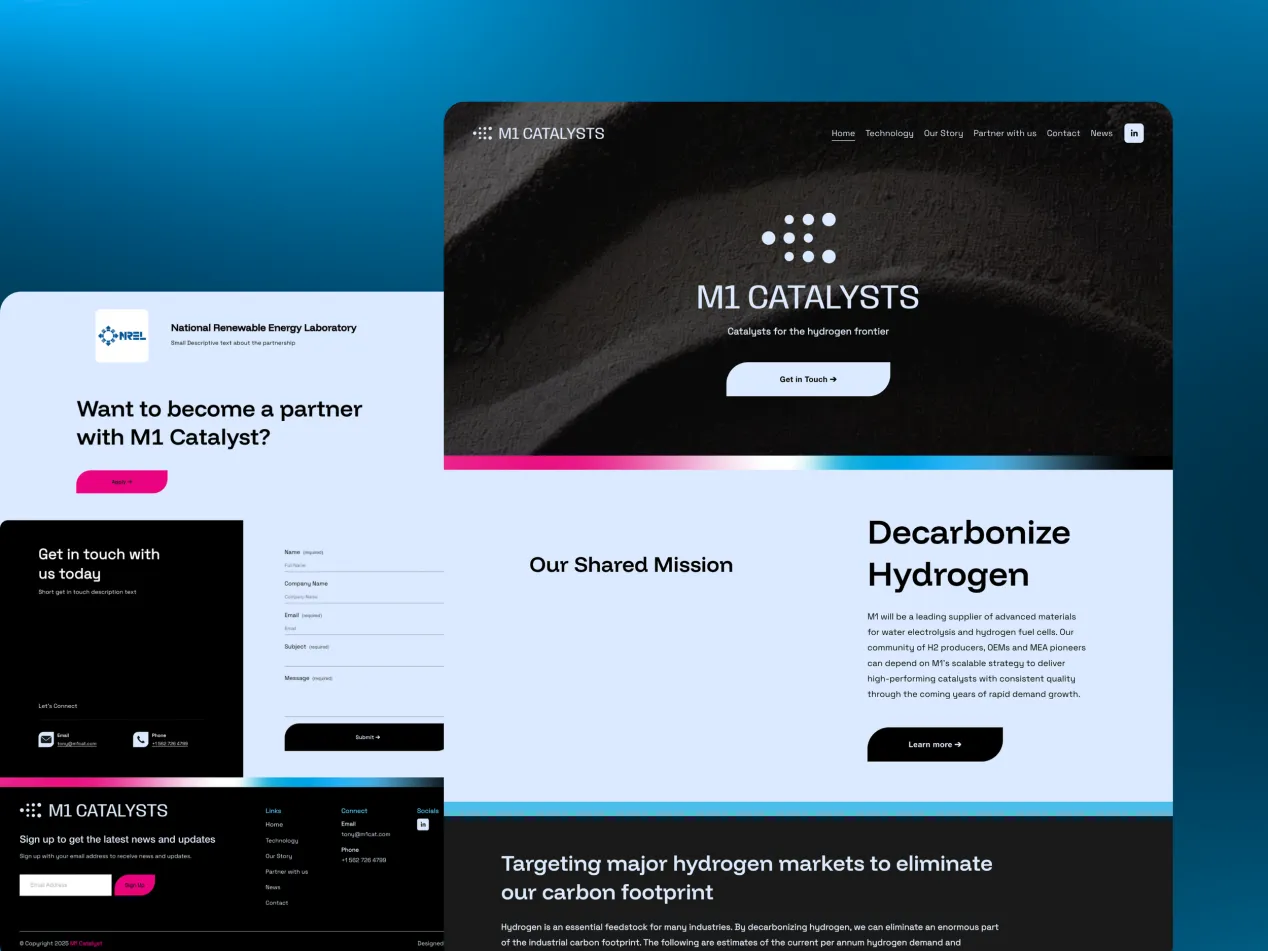
A film needs a page of its own with the trailer, synopsis, cast and crew, stills, festival laurels, screening dates and where to watch. You also need a site for yourself as a filmmaker, with your reel, past work and contact details. Social media profiles come and go; a website is the one place you control.
Do this: make sure searching the film's title and your name both lead to pages you own.
2. A press kit that saves people time
Festival programmers, journalists and distributors need the same materials: a logline, a short and long synopsis, director's statement, cast and crew bios, high-resolution stills, poster and trailer links. Put them on one page with downloads.
Do this: build an online press kit before your first festival submission.
3. Trailers and clips Google can find
Video can appear in Google's main results, Video mode and Discover. Google's video SEO best practices say the video should be embedded on a watch page that is indexed, with a valid thumbnail, and recommend providing metadata through structured data, video sitemaps or Open Graph.
Do this: give your trailer its own page on your site with a written description, not just an embed on the homepage.
Build an audience before release
4. An email list from day one
Start collecting emails as soon as the project is announced: during crowdfunding, on set, at screenings. Share updates, behind-the-scenes stories and first access to screenings. When the film is released, these are the people who watch first and tell others.
Do this: add an email sign-up to the film's page with a specific reason to join, such as early screening news.
5. Behind-the-scenes content
Audiences love seeing how films are made. Short clips, photos and stories from pre-production, the shoot and the edit build interest and give people a reason to follow the project.
Do this: assign one person on set to capture behind-the-scenes material every day of the shoot.
6. The communities your film speaks to
Most independent films are about something: a place, an issue, a subculture, a sport. The communities that care about that subject are your first audience. Reach out to their organisations, forums, newsletters and events.
Do this: list five communities connected to your film's subject and contact one a week.
Make the most of every screening
7. A festival plan, not a scattershot
Festivals are expensive to enter. Choose the ones that fit your film's genre, length and ambitions, plan the premiere carefully and use each selection to build press and audience.
Do this: draw up a shortlist of festivals with deadlines, fees and fit, and agree your premiere strategy before submitting.
8. Press and reviews
Reviews, interviews and features give your film credibility and reach. Pitch journalists and bloggers who cover your genre or subject, with a short email and a link to the press kit.
Do this: write a pitch email under 150 words, with the logline, why it matters now and a link to your press kit.
Keep it working after release
9. A plan for the long tail
After release, keep the film visible: share reviews, screenings, awards and anniversaries, and link the film's page to where people can watch it. Add each film to your filmmaker site so commissioners can see your body of work. Pages about the making of the film, its subject and the people in it can keep finding new viewers through search for years; Google's guidance on helpful, people-first content favours exactly that kind of page.
Do this: update the film's page with every new screening, review or platform, and email your list each time.
Build your career, not just one film
Every film you make is also marketing for the next one. Commissioners, producers and funders look at your body of work, your reliability and the audience you bring with you. A filmmaker site that shows each project with its trailer, credits, festival history and a short note on your role makes it easy for them to say yes.
Keep in touch with the people you meet along the way: festival programmers, crew, journalists, other filmmakers. A short update when a new project starts or a film reaches a milestone keeps you in mind without asking for anything.
Measure what matters
Track email sign-ups, screening attendance, press coverage and where viewers heard about the film. For your own career, track enquiries and commissions from your site. Over several projects, you will see which channels build the audience that follows you from film to film.
It also helps to talk to your audience at screenings. Ask how they heard about the film and what made them come. Their answers tell you where to put effort next time, and often introduce you to the communities that will champion your next project.
Where to start if you have one quarter
If you only have time for a few things this quarter, build the film's page with trailer and press kit, start an email list, plan your festival shortlist and set up your own filmmaker site with a reel. Those four things support every submission, pitch and screening that follows.
Red flags in film marketing
Starting after the film is finished
By then, you have missed months of chances to build interest. Start when you announce the project.
Relying only on social media
Platforms change. An email list and a website keep your audience reachable.
A trailer with nowhere to land
A trailer shared without a page to send people to wastes the attention it earns.
Entering every festival
Scattershot submissions cost money and can weaken your premiere options. Be selective.
Questions to ask before hiring help
Have you worked with filmmakers before? Can each film have its own page with trailer, press kit and email sign-up? How will new screenings and reviews be added? How quickly can changes go live before a festival? Who owns the website and content?
The short version
Give the film and yourself a home online, with a press kit and trailers search engines can find. Build an audience early with email, behind-the-scenes content and the communities your film speaks to. Plan festivals carefully, pitch press with a short email and keep the film visible after release. Our page on website design for film makers shows how we build these sites.
FAQ
How do independent filmmakers market their films?
By building a website and email list early, sharing behind-the-scenes content, reaching communities connected to the film's subject, planning festivals carefully and pitching press with a ready press kit.
When should you start marketing a film?
As soon as the project is announced. Crowdfunding, the shoot and post-production are all chances to build an audience before release.
What should a film press kit include?
A logline, short and long synopsis, director's statement, cast and crew bios, high-resolution stills, the poster and links to the trailer.
Does a film need its own website?
It helps. A film page gives the trailer, press kit, screenings and where to watch one home, and it is what people find when they search the title.
How do filmmakers get noticed by festivals?
By submitting to festivals that genuinely fit the film, planning the premiere strategy and presenting a professional press kit and online presence.
How much does a filmmaker website cost?
It depends on what is included. Our Hosted for You plans, which include the design, hosting and every change you send, start from $197 a month billed yearly.