Why your cosmetic clinic website design is not converting visitors into consultation bookings
Premium cosmetic clinic website design is not the same as a site that consistently books consultations. Most clinics have invested in appearance and neglected the commercial architecture that turns a research visit into a booked appointment. Beautiful imagery without that architecture simply slows the visitor down on the way to a competitor. The fix is not a redesign of the look but a rebuild of the decision path. This article walks through what that path should look like.
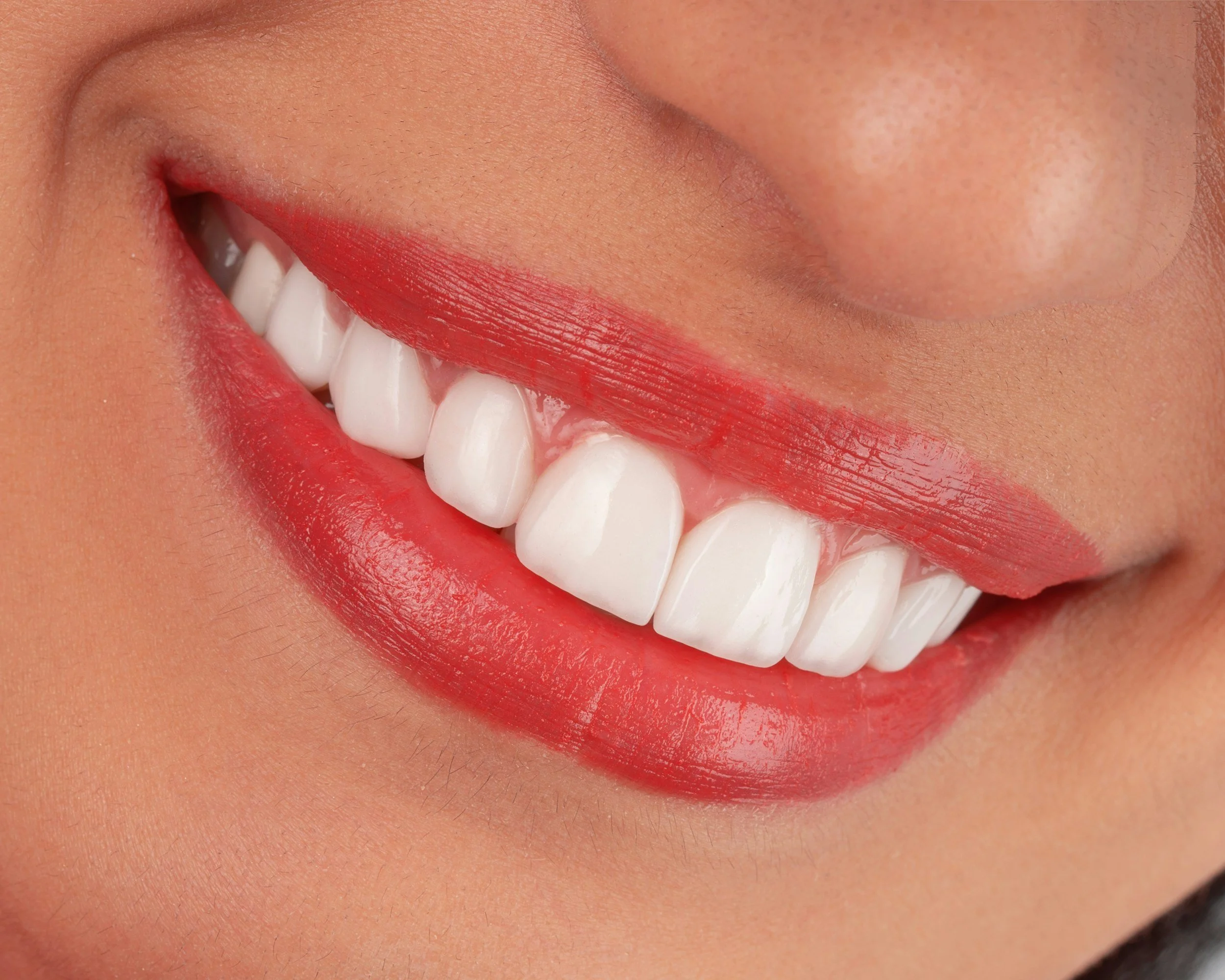
What cosmetic clinic website design actually needs to do commercially
Cosmetic clinic website design that converts is built around a different objective from cosmetic clinic website design that impresses. The distinction matters more in this industry than almost any other. Cosmetic clinics invest significantly in making their websites look premium, and they are right to do so because visual quality is a credibility signal in an industry where patients are choosing someone to alter how they look. But visual quality is the entry ticket, not the prize. A site that looks exceptional and fails to book consultations is not performing. It is decorating.
The prospective cosmetic patient arrives on a clinic website having typically spent time on social media first. They have seen before and after results, they have followed a practitioner or a clinic for weeks or months, and they have arrived on the website at a stage of interest that is already elevated. The website's job is not to generate interest from scratch. Its job is to convert that existing interest into a booked consultation before the patient navigates away, opens a competitor's page, or simply gets distracted and loses the momentum that brought them here. That conversion job requires a specific commercial architecture that most cosmetic clinic websites are not built to provide.
Understanding where the conversion is failing on a specific cosmetic clinic website requires looking at the data rather than the design. How many visitors are arriving each month? What proportion are reaching the treatment pages? What proportion are initiating a booking or consultation request? Which pages have the highest exit rates? The answers to these questions will identify the specific stage at which the conversion is breaking down, and that identification is what makes the fix specific and effective rather than speculative. Without this diagnostic work, improvements to a cosmetic clinic website design are as likely to be made in the wrong place as the right one.
The first impression problem in an industry built on aesthetics
A cosmetic clinic website that looks dated, generic, or visually inconsistent creates an immediate and specific credibility problem in an industry where the core promise is aesthetic transformation. A prospective patient who is considering entrusting a clinic with something as personal and permanent as rhinoplasty, or as visible as lip augmentation, will form their first impression of the clinic's standards of care from the standards of the website. A site that looks like it was designed ten years ago and never updated is signalling, without a word of copy, that this clinic does not hold itself to the standards of excellence it is claiming to provide.
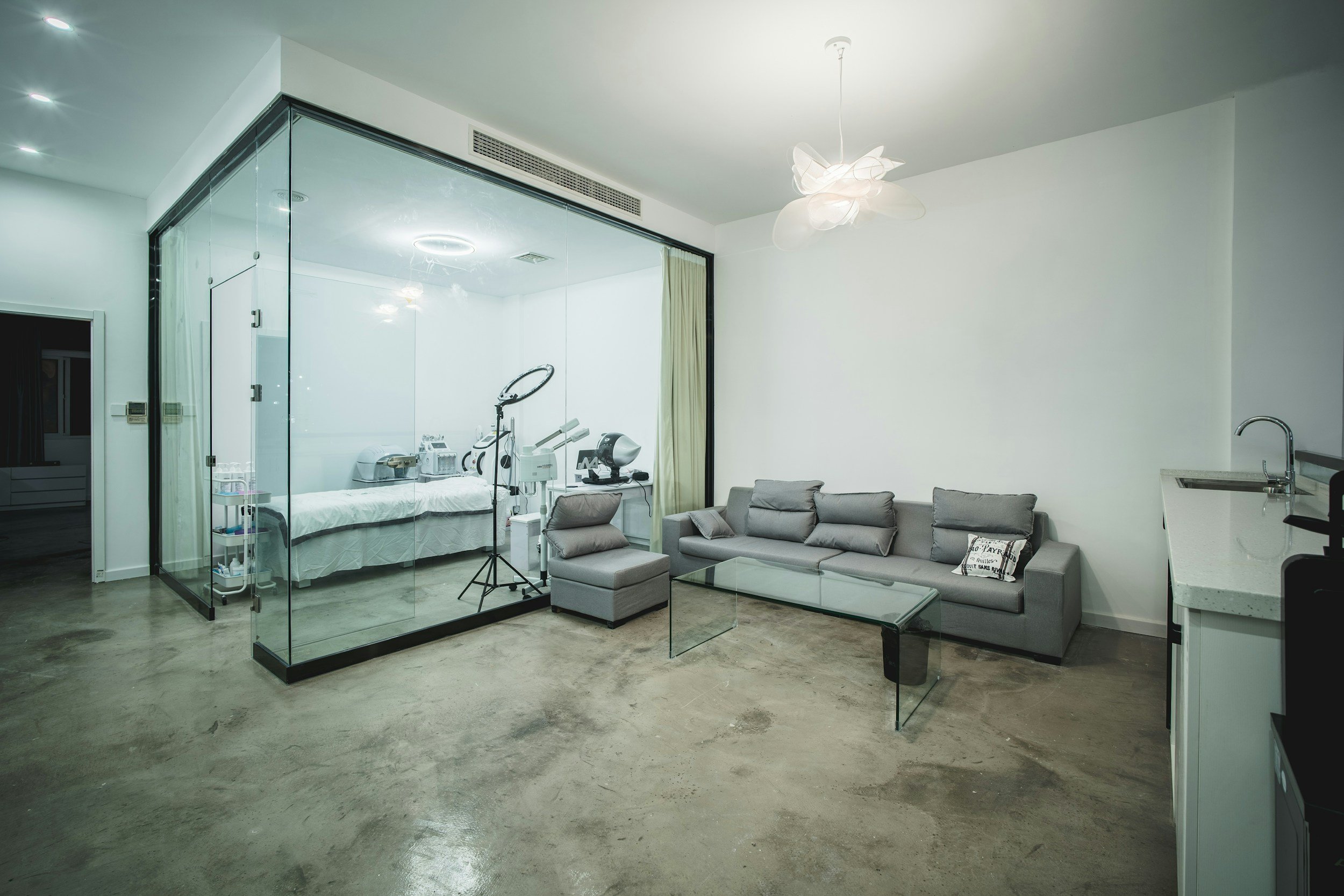
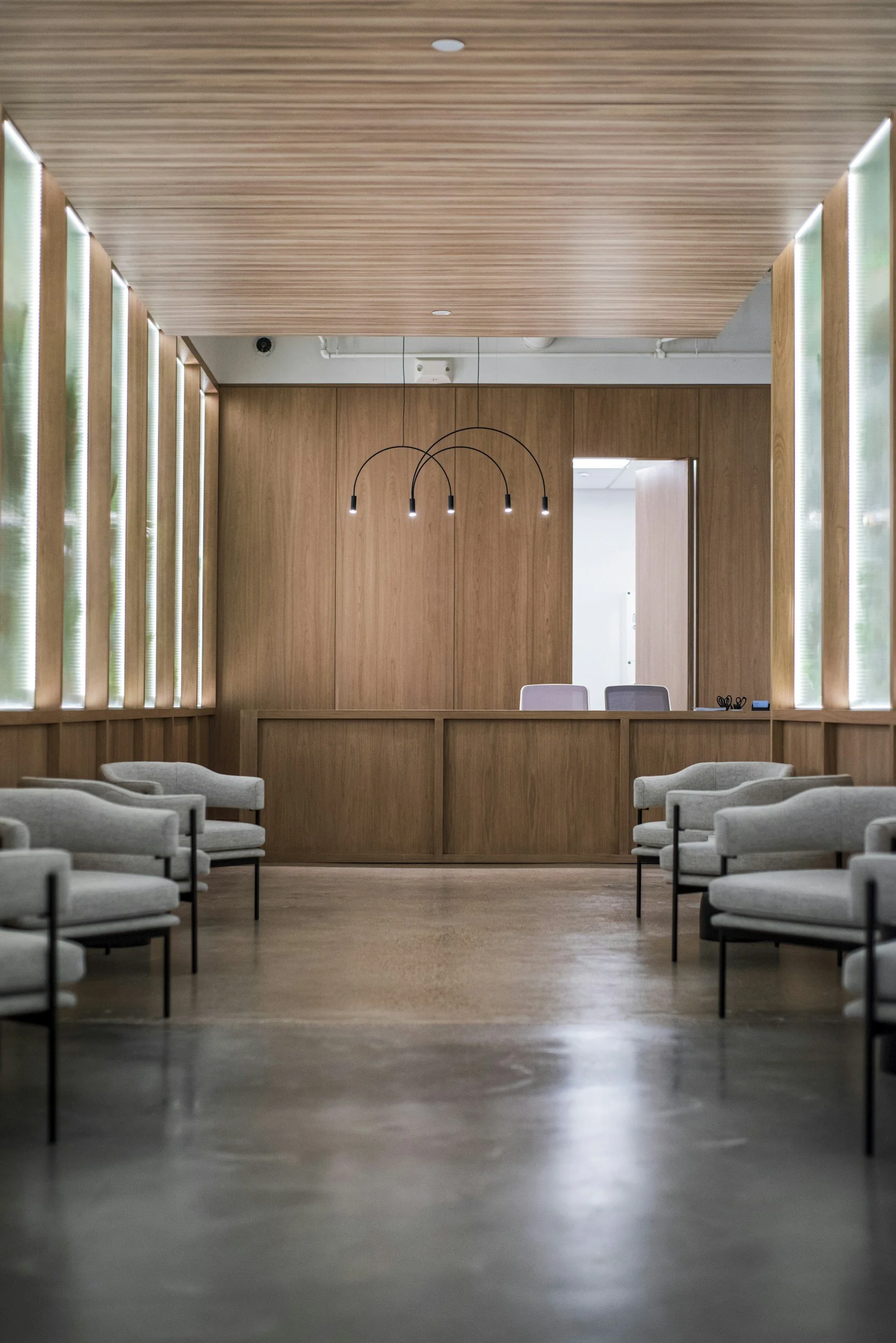
The visual quality that a cosmetic clinic website requires goes beyond having an attractive colour palette and modern typography. It requires photography that communicates luxury and clinical professionalism simultaneously. The photography of the clinic environment should feel aspirational without feeling sterile. The photography of the team should feel warm and authoritative. The before and after imagery, which is the most commercially important visual content on the site, should be presented with the care and quality that its role as the primary conversion asset deserves. Poor before and after photography, regardless of the quality of the underlying results, will undermine the commercial effectiveness of a cosmetic clinic website in ways that are directly traceable to lower consultation booking rates.
The consistency of the visual experience across every page of the site is as important as the quality of any individual page. A homepage that is beautifully designed, followed by treatment pages that look like they were built by a different team, followed by a booking page that looks like a generic form embedded from a different era, creates an experience of discontinuity that erodes the trust built by the homepage. Prospective cosmetic patients are highly attuned to quality signals, and inconsistency is a quality signal of the wrong kind. Every page of the cosmetic clinic website needs to hold the same visual standard, because the patient who is navigating through the site is forming a cumulative impression at every step.
The load speed and mobile performance of the site are visual quality signals in the broadest sense. A site that is slow to load on mobile, or that renders poorly on a smartphone screen, is failing to meet the expectations of a prospective patient who is browsing between social media sessions on their phone. The majority of cosmetic treatment research happens on mobile devices, with patients moving between Instagram, TikTok, and Google in the same browsing session. A cosmetic clinic website that is not optimised for this mobile research journey is failing to capture the patient at the most common moment of their engagement with the clinic's brand.
Generic messaging in an industry where every clinic sounds the same
The messaging on most cosmetic clinic websites is interchangeable. Every clinic is "dedicated to natural-looking results." Every clinic offers "the highest standards of care." Every clinic has "a team of experienced practitioners." These phrases are not false, but they are ubiquitous, and ubiquitous messaging creates no basis for differentiation in a market where patients are comparing multiple options before making a decision. A prospective patient who has visited three clinic websites and found them all saying essentially the same things will make their final decision on the basis of something other than the messaging, and whatever that something is, it will not be in the clinic's control.
Effective cosmetic clinic website design pairs strong visual quality with specific, differentiating messaging that gives a prospective patient a genuine reason to choose this clinic over the alternatives. That reason needs to be real and specific: a particular practitioner's training and track record with a specific treatment, a particular clinic's approach to consultation and patient safety that goes beyond the minimum regulatory requirements, a particular environment that reflects a specific aesthetic philosophy, or a particular specialism in a treatment area that competitors handle more generically. Whatever the genuine differentiator is, the website should be built around communicating it specifically and consistently rather than defaulting to the generic language of premium care that every competing site is already using.
The homepage headline is the most important piece of copy on the cosmetic clinic website, and it is the element most consistently wasted on generic brand statements. "Where beauty meets science" tells the visitor nothing. "The clinic for patients who have done their research and know exactly what they want" tells them something specific about who this clinic serves and how it relates to its patients. The latter creates a sense of recognition for the visitor who is in exactly that position, and it begins to do the work of differentiation from the first line of copy. The former does nothing except confirm that this is indeed a cosmetic clinic.
A cosmetic clinic website that looks premium should also book consultations consistently
We design cosmetic clinic websites that are built for commercial performance as well as visual excellence — book a free call to find out what yours could be doing.
Treatment pages that fail to rank or convert
The treatment pages on most cosmetic clinic websites are among the most underinvested pages on the site relative to their commercial importance. A prospective patient who searches specifically for "botox [city]" or "rhinoplasty clinic near me" is expressing an intent that is both high-value and close to a decision. If the clinic's treatment page for that procedure does not appear in the search results, the clinic is invisible to this patient entirely. If it does appear but the page is too thin, too generic, or too focused on the clinic's credentials rather than the patient's questions and concerns, the visit will not produce a consultation booking.
A well-built cosmetic clinic treatment page has three jobs simultaneously. It needs to be substantive enough in its content to rank for the specific searches that bring high-intent patients to it. It needs to be compelling enough in its communication of the treatment, the results, and the clinic's specific experience with it, to hold the patient's attention long enough to build the confidence required for a consultation booking. And it needs to be structured clearly enough, with a visible and specific call to action, to convert the patient who has built that confidence into a booked appointment before they navigate away. Most cosmetic clinic treatment pages are failing at all three.
The specific content that high-intent cosmetic treatment patients are researching before they book includes the realistic outcomes the treatment produces, the process from initial consultation through to recovery, the specific qualifications and experience of the practitioner who will perform the treatment, the cost and what it includes, and what distinguishes this clinic's approach from the alternatives. A treatment page that provides all of this information clearly and specifically, written from the patient's perspective rather than the clinic's internal perspective, will rank for the relevant searches and convert the visitors it attracts at a meaningfully higher rate than a page that describes the treatment technically and invites the visitor to call for more information.
Individual treatment pages are almost always more commercially effective than consolidated treatment category pages. A clinic that has a single "injectables" page covering botox, dermal fillers, lip augmentation, and anti-wrinkle treatments in a few paragraphs each, will not rank for the specific searches that each individual treatment generates, and will not provide the depth of information that a patient researching a specific treatment needs to feel confident about booking. Separate, dedicated pages for each treatment the clinic offers, each built to the depth that both the patient's research needs and the search algorithm's relevance assessment require, are the commercial foundation of a cosmetic clinic website that generates consistent consultation bookings from organic search.
The consultation process as a conversion barrier
One of the most consistently underaddressed conversion problems on cosmetic clinic websites is the friction in the consultation process itself. A prospective patient who has built enough confidence through the website to consider booking a consultation will encounter the consultation booking mechanism as the final test of whether the clinic's digital experience matches the standard of care it is promising. A booking process that is unclear, that requires multiple steps, that does not confirm the appointment immediately, or that offers no indication of what to expect from the consultation itself, will lose patients at the final moment of their conversion journey.
The transparency of the consultation process is also a trust signal that most cosmetic clinic websites underinvest in. A prospective patient who is considering spending several thousand pounds on a cosmetic procedure wants to understand what the initial consultation involves before they commit to attending one. Is it free? How long does it last? What will be covered? Will they receive a treatment plan and a cost breakdown at the end? Will there be any pressure to book a procedure on the day? These are real questions that real patients have, and a clinic website that answers them clearly and specifically creates a degree of pre-consultation trust that makes the conversion from website visit to booked appointment significantly more likely.
The pricing transparency on a cosmetic clinic website is a related and equally underinvested area. Most clinics avoid displaying prices entirely, reasoning that prices are case-dependent and that displaying them might deter patients who misread the figure. In practice, the complete absence of any pricing information creates a greater deterrent. A prospective patient who has no sense of whether a treatment will cost two hundred pounds or two thousand is a patient who may postpone enquiring entirely rather than risk an awkward price discovery in a consultation they have already partly committed to. Providing price ranges, explaining what affects the cost, and describing the pricing model for consultations and treatments, gives the patient enough orientation to self-qualify against their budget without the clinic committing to a specific price before an individual assessment has been made.
Friction in the booking process costs you the patients who were ready to commit
We build cosmetic clinic websites where the path from research to booked consultation is as clear and frictionless as the patient experience promises to be — book a free call.
Trust signals that are missing at the moments they matter most
The trust dimension of a cosmetic clinic website carries more commercial weight than in almost any other sector, because the decisions patients are making are personal, significant, and potentially permanent. A patient who is considering a surgical procedure or even a non-surgical treatment that alters their appearance is making a decision that requires a high degree of trust in the practitioner's qualifications, the clinic's safety standards, and the general quality of care they will receive. The trust signals that satisfy this requirement need to be specific, prominent, and placed at the specific moments in the patient's website journey where the decision to proceed is most likely to be made.
Practitioner credentials and qualifications are among the most important trust signals on a cosmetic clinic website, and they are among the most commonly buried. A surgeon's GMC registration, a nurse practitioner's NMC registration, relevant specialist training, membership of professional bodies such as the British Association of Aesthetic Plastic Surgeons or the British College of Aesthetic Medicine, these are signals that a patient who is considering an invasive procedure specifically looks for before booking. Finding them buried in a small-text footer or on an about page that is not prominently linked from the treatment pages means that many patients who would have been reassured by these credentials never encounter them at the moment they need them.
Patient testimonials in the cosmetic clinic context need to be specific, attributed, and ideally accompanied by before and after imagery. A generic quote about excellent care from "Sarah, London" provides very little reassurance to a patient who is considering a specific procedure. A detailed, attributed account of the full treatment journey from consultation through recovery and results, accompanied by the patient's own before and after photographs, provides the specific peer-level social proof that a high-investment cosmetic patient specifically needs. The placement of these testimonials adjacent to the relevant treatment pages, rather than aggregated on a reviews page that most patients will not navigate to separately, is what makes them commercially effective rather than merely present.
Regulatory compliance and safety communication is an area that many cosmetic clinics treat as a legal obligation rather than a marketing opportunity. In the current regulatory environment, where patients are increasingly aware of the risks of unqualified practitioners and substandard products, a clinic that prominently communicates its regulatory compliance, the specific regulations it operates under, the products it uses and why, and its protocols for patient safety and follow-up care, is differentiating itself from less regulated competitors in a way that sophisticated patients specifically value. This communication does not need to be dry or legalistic. It can be warm, specific, and reassuring, framing the clinic's safety standards as an expression of genuine care for the patient's wellbeing rather than as a compliance exercise.
Mobile experience for a patient browsing between social and search
The mobile experience of a cosmetic clinic website is particularly critical because of the specific way cosmetic treatment research happens. Patients in this sector do not typically make a single decisive search, find a clinic, and book. They research over weeks or months, moving between social media platforms where they follow practitioners and clinics, search engines where they look for specific treatments and comparisons, and clinic websites where they evaluate the options they have identified through social media. This research journey is almost entirely conducted on mobile devices, and the quality of the mobile experience at each touchpoint in the clinic's digital presence shapes the cumulative impression that eventually determines whether a consultation is booked.
The specific mobile experience failures that most commonly affect cosmetic clinic websites are predictable. Large, uncompressed images from photography sessions that took place in ideal conditions but that were never optimised for mobile delivery create slow load times that lose patients before the visual quality they were designed to convey has even appeared on screen. Navigation menus that work elegantly on desktop but become confusing or inaccessible on a touchscreen create friction in the research journey at exactly the stage where the patient's interest has been captured. Before and after galleries that display beautifully on a desktop monitor but render awkwardly in a mobile swipe interface fail to deliver the most commercially important visual content in the format that most patients will encounter it.
A cosmetic clinic website that is designed mobile-first, where every design decision begins with how it will appear and perform on a small touchscreen rather than how it will look on a large monitor, will consistently outperform a site designed primarily for desktop in the commercial metrics that matter most: consultation booking rate from mobile traffic, which for most cosmetic clinics represents the majority of their total website sessions. The investment in mobile-first design is not about sacrificing visual quality on desktop. It is about ensuring that the visual quality and the commercial functionality are both present for the patient on the device they are actually using.
Your cosmetic clinic website should perform as well on a phone as it looks on a screen
We design cosmetic clinic websites that are built mobile-first without sacrificing the visual quality the industry demands — book a free call to see the difference.
Building a cosmetic clinic website that converts consistently
A cosmetic clinic website design that consistently converts visitors into consultation bookings is the result of deliberate decisions at every level of the site. The visual quality establishes the credibility that the industry demands. The specific messaging differentiates the clinic from competitors whose generic language provides no basis for preference. The treatment pages provide the depth of information that both the search algorithm and the researching patient require. The consultation process is presented with enough transparency to reduce the anxiety that prevents motivated patients from committing to a first appointment. The trust signals are specific, prominent, and placed where they will do the most commercial work. The mobile experience reflects the reality of how cosmetic treatment research actually happens.
The clinics that generate consistent consultation bookings from their websites are not simply the ones with the most beautiful designs. They are the ones that have made the full set of commercial decisions that a converting cosmetic clinic website requires, and that have built those decisions into every element of the site. The visual excellence and the commercial effectiveness are not in tension. A site can be both, and in this industry, being both is the standard that the most successful clinics hold themselves to.
For most cosmetic clinics, the gap between the website they currently have and the website that would generate meaningfully more consultation bookings is not a gap of resource. It is a gap of commercial intent. The design investment has been made. What has typically been underinvested is the strategic thinking about who the site is for, what those patients need to experience, and how every element of the site serves the goal of moving them from research to booked consultation. Closing that gap, with the right combination of design quality, content depth, and conversion architecture, is what transforms a premium-looking website into a genuinely high-performing patient acquisition asset.
If you want a cosmetic clinic website that is built to convert visitors into consultation bookings consistently, we can help. Take a look at our approach to cosmetic clinic website design and book a free call to talk through what your website could be doing for your clinic's growth.
Written by
Mikkel Calmann
Web design for cosmetic clinics
Most cosmetic clinic websites were never built to generate leads. We design Squarespace websites that change that. See exactly how we approach it.
More web design insights for cosmetic clinics