How fertility clinic website copy speaks to hope, fear, and starting a family
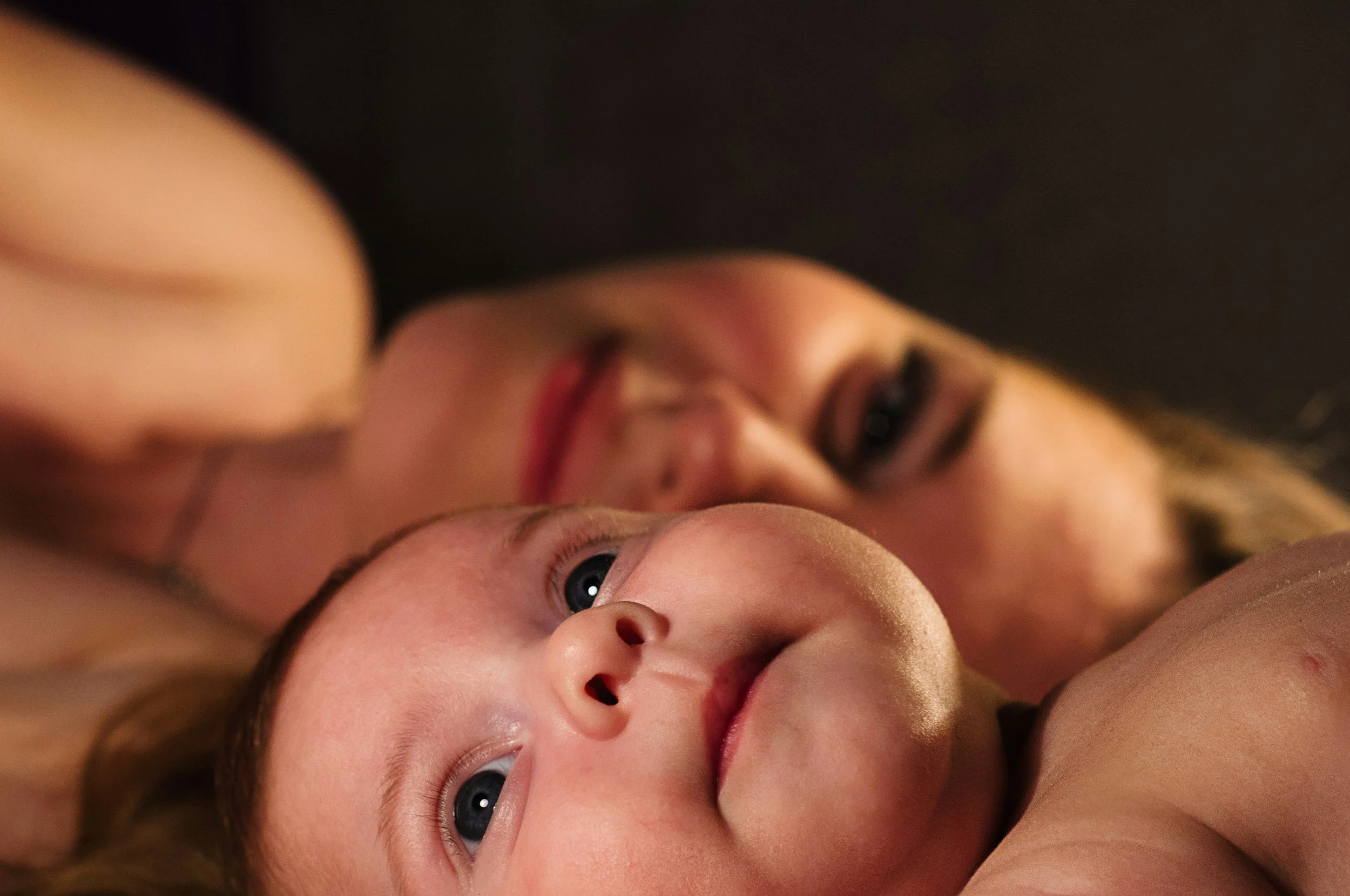
Most fertility clinic website copy is written for a confident patient who simply needs to find the booking button, and most fertility patients are nothing like that. Good fertility clinic website copy meets the visitor where she actually is, somewhere between hope and quiet anxiety, and walks her toward a consultation without performing emotion at her. This article explains how to write copy that reaches the fearful, hopeful, overwhelmed reader and earns the appointment.

Why the best website design for fertility clinics starts with the patient's emotional state
The best website design for fertility clinics does not begin with the clinic's clinical capabilities or its success rates or its state-of-the-art laboratory. It begins with a clear and specific understanding of the emotional state of the patient who is arriving on the website, and what that patient needs to feel before they will take the step of making contact. Most fertility clinic patients arrive on a clinic website after months or years of private struggle. They carry a complex mixture of emotions: the hope that treatment might work, the fear that it might not, the grief of previous losses or failed attempts, the anxiety about the physical and emotional demands of the process, and sometimes the guilt of wondering whether they have waited too long or made decisions that have complicated their situation. The copy that meets this patient at this emotional reality will consistently convert more visitors into consultation bookings than the copy that addresses a confident, emotionally uncomplicated patient who simply needs to find the right clinic and book an appointment.
The emotional intelligence of fertility clinic copy is not a soft or peripheral quality. It is the specific commercial quality that determines whether the patient who arrives in an emotionally vulnerable state feels immediately that this clinic understands their situation and that this is a safe place to take the next step, or whether they feel that the website was designed for a different kind of patient whose emotional experience is simpler than their own. The clinic whose copy makes the emotionally complex fertility patient feel understood and welcomed from the very first sentence is the clinic that captures the consultation booking from this patient. The clinic whose copy addresses a generic patient with a simpler emotional profile is the clinic that loses this patient to a competitor that communicates with more genuine emotional intelligence.
The emotional journey that the best fertility clinic copy facilitates moves through recognition, validation, reassurance, and invitation. Recognition is created when the copy specifically names a feeling or a situation that the patient is currently experiencing. Validation follows when the copy communicates that this feeling is understandable and that the clinic has worked with many patients who have felt exactly the same way. Reassurance builds through the specific evidence that this clinic has the compassion, the expertise, and the experience to help patients navigate the journey from this emotional starting point. And invitation is the specific and warm call to action that makes the next step feel achievable rather than overwhelming. The fertility clinic website copy that moves the patient through all four of these stages, at every significant page of the website, will consistently produce more consultation bookings from the same visitor traffic than the copy that omits any one of these emotional stages.
Homepage copy that creates recognition before it makes any clinical claim
The homepage copy of the best fertility clinic website has a specific and brief window to create the recognition that keeps the emotionally vulnerable patient engaged long enough for the rest of the site to do its work. The patient who arrives having searched for a fertility clinic in their area is carrying a specific and emotionally charged experience. They are not evaluating a range of medical services. They are looking for a specific kind of help for a specific and deeply personal situation, and they need to know within the first few seconds of visiting the site that this clinic provides it and that they will be treated with the warmth and the specificity that their situation deserves. The homepage that fails to create this recognition in the first scroll will lose this patient to the back button before they have encountered any of the clinical evidence that would have motivated them to book.
The homepage headline that most consistently creates recognition for the widest range of fertility patients is the one that most specifically names the experience of being on a fertility journey rather than the category of the clinic that serves that experience. "We understand what it means to want a family and to need help getting there" is speaking to a specific and deeply personal situation. "Specialist fertility treatment in [city]" is describing a clinical service category. Both are true. Only the first creates recognition in the patient who is arriving in a vulnerable emotional state and who needs to feel understood before they will feel safe enough to engage further with the clinical evidence of the clinic's quality. The headline that creates this recognition is not abandoning clinical credibility. It is establishing the emotional connection that makes the clinical credibility evidence that follows more persuasive and more personally meaningful.
The supporting copy on the homepage should extend the recognition created by the headline and deepen it toward the specific situations and concerns of the patients the clinic most frequently works with. A brief acknowledgement of how long the fertility journey can feel, a specific validation of the fear and the hope that sit alongside each other throughout the process, and a warm and specific introduction to the clinic's approach to supporting patients through both the clinical and the emotional dimensions of the journey, each creates a moment of recognition for a different patient type and signals that this clinic has genuine experience with and genuine commitment to the full reality of what the fertility journey involves, not only its clinical management.
The call to action on the homepage should be framed as a warm first step rather than a clinical commitment. "Book a consultation" is accurate and appropriate for a patient who is confident and ready. "Talk to us about your situation" or "take the first step toward understanding your options" is more appropriate for the patient who is emotionally ready but not yet certain that they have the emotional capacity for a formal clinical appointment. This gentler framing of the call to action does not misrepresent the nature of the first contact. It communicates the clinic's awareness of the emotional weight of this decision and its commitment to making the first step as accessible and as unscarring as possible for the patient who needs this specific quality of welcome to feel ready to take it.
Treatment page copy that starts from the patient's situation
The treatment pages on the best fertility clinic websites are written from the patient's experience of their condition and their situation, not from the clinical description of the treatment being offered. The difference is commercially significant: the patient who arrives on a treatment page from a specific condition search is not looking for a clinical explanation of a procedure. They are looking for a clinic that understands their specific situation and that can tell them whether this treatment is relevant to them, what the process will involve, and what they can expect from both the clinical and the emotional dimensions of the experience. The treatment page copy that opens from this patient's experience will hold their attention, build the trust that motivates a consultation booking, and speak to the specific concerns they arrived with in a way that the clinical description alone cannot match.
The IVF page that opens with "if you have been trying to conceive for more than a year and you are beginning to think that you may need specialist help, IVF is one of the most effective options available for many types of infertility" is speaking to the patient's actual situation and their actual decision-making context. The IVF page that opens with "in vitro fertilisation is a process in which eggs are retrieved from the ovaries and fertilised with sperm in a laboratory before being transferred to the uterus" is providing clinical information that is accurate but that does not meet the patient where they are emotionally or in terms of the decision they are trying to make. The first opening creates recognition and motivates continued reading. The second provides information that the patient could find on any medical website and that does nothing to differentiate this clinic from its competitors or to create the personal connection that motivates a consultation booking.
The honest and compassionate treatment page also addresses the specific concerns and fears that patients have about each treatment type, rather than presenting only the positive dimensions of the treatment pathway. A patient who is considering IVF for the first time carries specific fears about the physical demands of the stimulation protocol, the emotional impact of a cycle that does not produce a viable embryo, and the financial implications of a process that may require multiple cycles before achieving a successful outcome. The treatment page copy that acknowledges these specific fears honestly and compassionately, and that communicates the specific ways in which the clinic's approach and team support address each of them, is providing the emotional reassurance that the patient most needs in addition to the clinical information that any specialist website can provide.
Copy that speaks to the patient's emotional reality converts where clinical descriptions fail.
We write fertility clinic website copy that reaches the patient who is ready but frightened and moves them to book.
Writing for the patient who is not sure they are ready to take the first step
A substantial proportion of the emotionally ready fertility clinic website visitors are in a state of readiness that is genuine but fragile. They have decided they need help. They are researching clinics with genuine intent to make contact. But they are also carrying a specific fear about the act of making contact that makes the first step feel more daunting than they can currently bear. This fear takes different forms for different patients: the fear of hearing a diagnosis that confirms their worst concerns, the fear of committing to a process that will be more demanding than they feel they can cope with, the fear of giving their hope a specific and potentially disappointing form. The copy that acknowledges this specific form of readiness with warmth and without pressure is the copy that converts the fragile but genuine readiness of this patient into a booked consultation.
The specific copy approach that most effectively converts the fragile-but-ready patient is one that frames the first contact as a gathering of information rather than a commitment to treatment. Phrases like "finding out what your options are is the first step, and it costs nothing" or "many of the patients we speak to for the first time are not sure whether treatment is right for them, and that is exactly the kind of conversation our consultants are here to have" communicate that the clinic's first consultation is not a commitment to proceed with treatment but a safe and pressure-free opportunity to understand the patient's situation and their options. This framing removes the specific psychological barrier that is preventing the fragile-but-ready patient from taking the first step, by redefining the step as information-gathering rather than treatment commitment.
The FAQ content that addresses the specific concerns about the first consultation process is the most effective copy investment for converting the patient who wants to make contact but who is uncertain about what that contact will involve. Questions like "what should I bring to the first appointment?", "will the consultant be able to tell me what is causing my fertility challenges at the first meeting?", "will I be pressured to commit to treatment at the first consultation?", and "what happens if I decide I am not ready to proceed after the initial appointment?", address the specific anxieties that prevent some motivated patients from booking by providing honest and specific answers that make the first step feel manageable and low-risk. These FAQs are among the highest-conversion copy investments available on any fertility clinic website, because they directly address the specific barriers that are preventing motivated patients from acting at the moment of their highest readiness.
The tone of copy throughout the fertility clinic website should be warm and direct rather than formal and clinical, because the patient who is in a fragile state of readiness is acutely sensitive to the social and emotional register of every communication they receive from the clinic. A website that speaks to the patient in the formal language of clinical medicine is implicitly communicating that the clinic's primary relationship with its patients is a clinical and professional one. A website that speaks to the patient in the warm and direct language of genuine human concern is communicating that the clinic's primary relationship with its patients is a caring and person-centred one. This difference in tone is not a stylistic preference. It is a commercial decision about which patients the clinic wants to attract and which qualities of care it wants to communicate as its most important offering.
Copy for the patient who has experienced previous treatment failure
The patient who has experienced one or more failed fertility treatment cycles before arriving on a clinic's website is a specific and commercially significant patient type whose particular emotional needs the best fertility clinic copy specifically addresses. This patient is not arriving in the state of hopeful uncertainty that characterises the first-time fertility patient. They are arriving with a specific history of disappointment, a more sophisticated understanding of the treatment process and its demands, and a set of specific and often more complex questions about what this clinic can offer that might be different from their previous experience. They may also be carrying a specific grief about their previous clinic or clinician that makes the prospect of trusting a new team an additional emotional challenge on top of the already significant emotional weight of continuing the fertility journey.
The copy that most effectively reaches the patient who has experienced previous treatment failure acknowledges their specific situation directly rather than treating them as a generic fertility patient. A specific section of the website addressing the experience of patients who are seeking a second opinion or who are looking for a different clinical approach after unsuccessful treatment elsewhere, written with honest acknowledgement of the difficulty of this specific situation and with specific information about how the clinic approaches the review and assessment of patients who have previous treatment history, communicates that the clinic understands and is experienced with this specific patient type. This acknowledgement is both practically useful, providing the specific information this patient needs about the assessment process, and emotionally significant, demonstrating that the clinic sees and understands the specific emotional context in which this patient is making their enquiry.
Copy written for every stage of the fertility patient's emotional journey converts the patients generic copy misses.
We write and maintain fertility clinic website copy that speaks to every patient at every stage of their journey.
Maintaining copy quality as the patient population and the clinical offering evolve
Fertility clinic website copy is not a fixed investment whose quality is determined at the point of creation and then maintained indefinitely. The patient population evolves as the clinic's reputation grows and as the community it serves changes demographically. The clinical offering evolves as new treatment options become available and as the clinical team's specific expertise develops. The regulatory environment evolves as HFEA guidance is updated and as the evidence base for specific treatments develops. And the competitive landscape evolves as other clinics improve their own patient communication and raise the expectations that prospective patients bring to their evaluation of available options. The copy that was genuinely excellent two years ago may now be falling behind in each of these dimensions, and the clinic that does not review and update its website copy regularly will find that the gap between its website's communication quality and that of its best-performing competitors grows with each passing year.
The specific copy review activities that produce the most commercial return for fertility clinics are those that address the specific changes in the patient population and the clinical offering that have occurred since the website was last substantively updated. New treatments or treatment pathways that the clinic has added deserve copy that communicates them specifically and compassionately to the patients who most need them, not a brief addition to an existing services list. New consultants who have joined the team need profiles that communicate their specific clinical character and their approach to patient care, not a standardised biography that treats them as interchangeable with existing team members. New patient outcome data that strengthens the clinic's success rate evidence should be reflected in the copy that makes the case for why patients should trust this clinic with their treatment journey.
The patient story library that the clinic's copy relies on for its most commercially powerful trust signals requires ongoing maintenance and expansion as the patient population changes and as the clinic's experience with different patient types and treatment pathways grows. A patient story library that was built at website launch and that has not been expanded in two years is failing to reflect the accumulation of patient experience and clinical outcome that the clinic has generated during that period. Each successful treatment outcome that passes without the patient being invited to share their story is a missed opportunity to strengthen the social proof that the clinic's website provides to the patients who are currently researching it and who need this specific form of peer-level reassurance to feel ready to book a consultation.
The copy testing and improvement process that identifies the specific changes that will produce the greatest improvement in consultation booking rates from existing website traffic is available to any fertility clinic whose website has analytics tracking in place. The treatment pages with the highest exit rates among visitors who have arrived from specific fertility searches are the pages where the opening copy is failing to create the recognition and the engagement needed to hold the patient on the page. The pages where visitors spend time reading the content but where a low proportion go on to initiate a consultation booking request are the pages where the copy is engaging but where the call to action or the trust signal placement is not completing the conversion. Each of these specific diagnostic insights produces a specific copy improvement that the appropriate change addresses, and the cumulative improvement from systematically addressing each of them is a consultation booking rate from organic search traffic that reflects the genuine quality of the clinic's care rather than the limitations of its current copy.
The specific words and phrases that resonate most with fertility patients
The specific language choices that make fertility clinic copy more or less effective at reaching emotionally vulnerable patients are often subtle but consistently significant in their commercial impact. The difference between "fertility treatment" and "your fertility journey" is the difference between a clinical description and a personal acknowledgement. The difference between "we provide IVF services" and "we support you through every stage of your IVF cycle" is the difference between a service description and a care commitment. The difference between "book an appointment" and "take the first step" is the difference between an administrative instruction and a warm invitation to something significant and support-worthy. These specific language choices accumulate across every sentence and every page of the fertility clinic website to create either a website that feels like a medical service provider or one that feels like a compassionate partner in the patient's most personal journey.
The specific language that fertility patients find most resonant is often the language they use themselves to describe their situation, rather than the clinical or professional language that practitioners use to categorise it. "Trying to get pregnant" rather than "attempting to conceive." "Having a baby" rather than "achieving a live birth." "Going through IVF" rather than "undergoing assisted reproductive technology." These patient-language choices communicate that the clinic sees and understands the patient's experience from the inside rather than from the outside of clinical categorisation, and this specific quality of linguistic attunement is one of the most commercially productive copy qualities available to any fertility clinic that is genuinely committed to patient-centred communication.
The avoidance of language that inadvertently creates distance or implies judgment is a specific copy discipline that fertility clinic websites need to apply consistently across all of their patient-facing content. Language that implies a single normative path to parenthood, that assumes all patients are heterosexual couples of a specific age range, or that treats fertility challenges as something to be overcome rather than a medical situation to be managed with compassion and without judgment, will create specific moments of disconnection for the patients who do not see themselves in these assumptions. The fertility clinic website that is genuinely inclusive in its language and its imagery, that acknowledges the full diversity of the people who seek fertility treatment without making any patient feel that their situation is an afterthought or a special case, creates a more welcoming and more commercially productive environment for the full range of patients who might become the clinic's clients.
The measurement of copy performance improvement over time requires the establishment of clear baseline metrics before any copy changes are made, so that the commercial effect of the changes can be assessed against a specific standard rather than through qualitative impression alone. The consultation booking initiation rate from organic search traffic, the exit rate from key treatment pages, the click-through rate from the primary calls to action throughout the site, and the conversion rate from consultation booking initiation to completed booking, are the metrics that most directly reveal the copy's commercial performance. Each of these metrics, tracked before and after specific copy changes, produces the specific evidence needed to determine whether the copy improvements made are producing the commercial improvement they were intended to achieve, and to identify the next most productive area for further copy development.
Copy that compounds in quality over time produces compounding consultation booking returns.
We write and maintain fertility clinic website copy that keeps getting better at converting the patients who need it most.
Writing the copy that turns a hopeful, frightened visitor into a booked consultation
The best website design for fertility clinics produces copy that understands the emotional starting point of every type of patient who arrives, and that moves each of them deliberately and specifically through the journey from recognition to reassurance to confidence to consultation booking. This copy is warm without being sentimental, specific without being clinical, and inclusive without being impersonal. It is written from the patient's experience of the fertility journey rather than from the clinic's description of its clinical capabilities, using the language the patient uses to describe their own situation rather than the professional language that practitioners use to categorise it. And it is maintained over time, updated to reflect changes in the clinical offering, the patient population, the regulatory environment, and the competitive landscape, so that the quality of patient communication it delivers continues to reflect the quality of clinical care and human support the clinic actually provides.
The investment in this quality of copy is modest relative to the commercial return it produces. The difference in consultation booking rate between a fertility clinic website with emotionally intelligent copy that addresses the patient's actual experience and one with clinically accurate but emotionally inert copy that describes services in professional terms, is consistently significant. The same website design, the same trust signals, the same booking mechanism, converting at a meaningfully higher rate simply because the words on the page are speaking to the patient's emotional reality rather than to an abstracted description of clinical services. This conversion rate improvement accumulates with every patient who visits the site, producing a significant gain in consultation bookings that reflects the quality of the copy rather than any change in the volume of the traffic the site receives.
For fertility clinics whose current website copy is clinically accurate but emotionally disconnected from the patients it is trying to reach, the improvement available from rewriting the homepage, the treatment pages, and the calls to action with the patient's emotional experience as the organising principle is typically the most significant single improvement available across the full scope of the clinic's digital presence. The investment of this rewriting is the highest-return copy improvement most fertility clinic websites can make, and the commercial benefit begins from the moment the improved copy is live and the emotionally vulnerable patient who arrives on the site feels, for the first time, that this clinic genuinely understands what they are going through.
If you want fertility clinic website copy that speaks to hope, fear, and the desire to start a family in a way that consistently moves emotionally ready patients to book a consultation, we can help. Take a look at our approach to fertility clinic website design and book a free call to discuss how better copy could transform your clinic's consultation booking rate.
Written by
Mikkel Calmann
See how we write copy for fertility clinic websites that converts the emotionally ready patient.
See exactly how we approach patient-facing fertility clinic copy.
More web design insights for fertility clinics