
How to elevate an interior design website with luxury narrative web design
A creative director’s breakdown of how story-driven digital experiences transform perception, authority, and client quality.
Written by Mikkel Calmann
Dec 18, 2025

Why luxury narrative web design creates an unforgettable interior design experience
The question of how to elevate an interior design website is ultimately answered by one approach: luxury narrative web design. In the world of high-end interiors, aesthetics are expected—but narrative is what creates emotional resonance, authority, and desirability. Without narrative, even the most beautifully designed interiors fall flat online.
Premium interior design clients don’t buy services.
They buy story, world-building, intention, and taste.
And narrative design turns your website into a living embodiment of that world.
Most interior designers unintentionally build websites that look like portfolios, not experiences. They show rooms without revealing the journey. They showcase images without shaping a story. High-end clients aren’t inspired—they’re simply informed.
Narrative design shifts the entire dynamic.
It elevates the brand from “designer” to “creative visionary.”
It transforms spaces into meaning.
It turns a static website into a sensory editorial environment.
This is the difference that moves a client from browsing to believing.
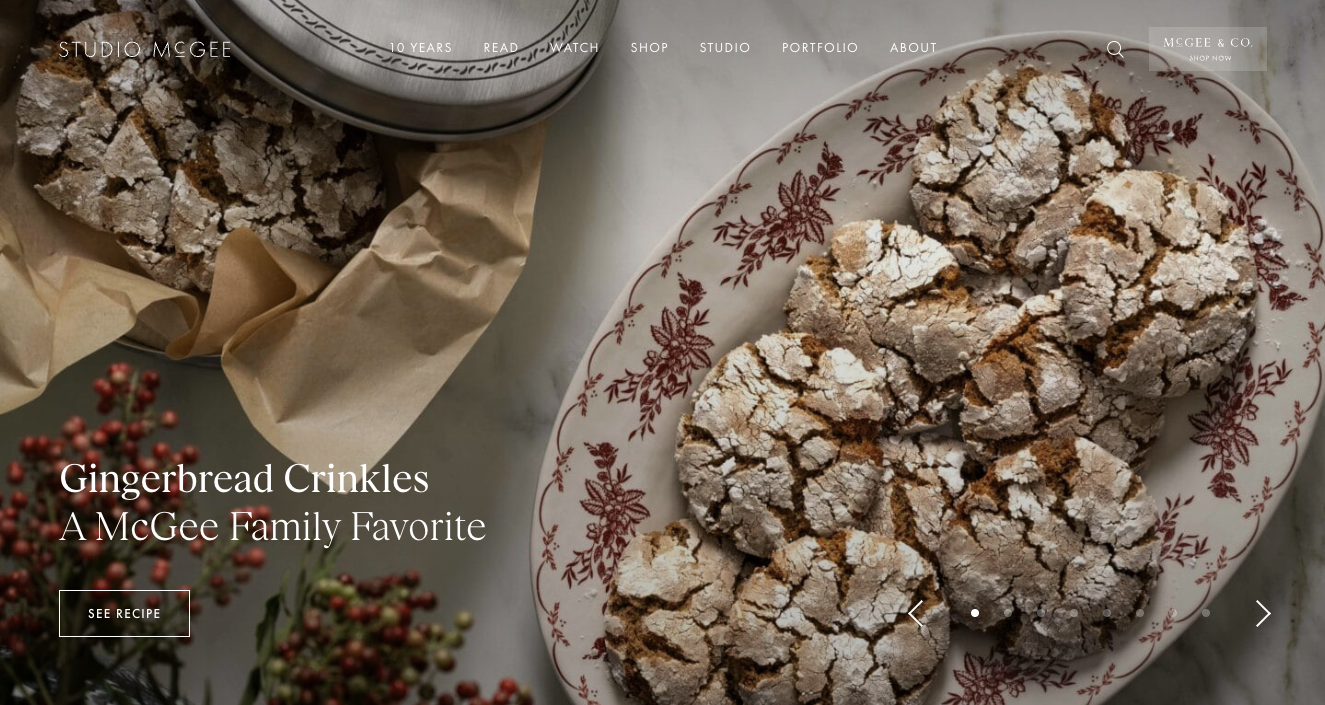
How narrative design reframes the digital presence of an interior designer
In the luxury market, narrative isn’t copy.
Narrative is choreography.
It is the intentional sequencing of visuals, words, space, rhythm, and emotional cues that guide the viewer through a brand’s world. Luxury narrative web design is rooted in storytelling discipline—each scroll reveals a chapter, each image holds context, and each line of text shapes perception.
When applied to an interior design brand, narrative design:
Elevates the work into a curated journey rather than a gallery
Allows rooms to become characters with their own stories
Aligns visual flow with the designer’s philosophy
Provides clarity behind the craft, not just the output
Communicates taste without overselling
Creates a sense of inevitability: “This designer is the one.”
This is why narrative design is so effective for high-ticket service brands: it creates connection before conversation.
How luxury narrative web design shapes the visual architecture of a site
Every element becomes part of the narrative system—from the homepage hero to the smallest spacing decision. Below is the creative director’s breakdown of how narrative elevates the interior design industry specifically.
Designing a homepage with luxury narrative web design
The homepage is not a landing page. It is a first chapter.
For interior designers, this chapter must set the tone with atmosphere, not information:
A cinematic hero using purposeful imagery from a flagship project
A single line of refined positioning text expressing philosophy, not services
Movement that is felt, not seen—slow fades, intentional pacing
Whitespace that feels architectural, almost spatial
The first 5 seconds are everything.
They determine whether the visitor feels curiosity—or nothing at all.
With narrative design, the homepage becomes a moment of arrival.
How project pages transform under narrative design
Interior design project pages are notoriously underleveraged. Most firms present them like slideshows: image, image, image.
Narrative design turns each project into a short film told through:
Context (the client’s lifestyle, architectural constraints, or inspiration)
Design intention (the emotional and functional goals)
Process moments (materials, sketches, the evolution of a concept)
Architectural sequencing (wide shots, then intimate details)
Editorial pacing (using negative space to emphasize key imagery)
Clients don’t want to view rooms—they want to understand the thinking behind them.
This shift alone can increase perceived value by making the work feel intellectual, not decorative.
Integrating story without over-explaining
Premium buyers want clarity, not complexity.
Narrative design uses voice as a tool of elegance, crafting copy that is:
Concise
Poetic
Architectural in tone
Emotionally attuned
Clear in intention
Instead of “We offer full-service interior design,” a narrative-driven website might use:
“Spaces shaped with restraint, character, and a deep respect for how people live.”
This isn’t marketing.
It’s brand language.
The voice becomes an aesthetic in itself.
How imagery becomes narrative material
Interior design websites rely heavily on photography, but narrative design changes the way that photography is curated and sequenced.
The images follow a visual storyline:
Establishing Shot — Set the space and emotional tone
Character Moments — Highlight unique elements that define the space
Transition Frames — Hallways, thresholds, passageways
Detail Work — Materials, textures, craftsmanship
Resolution Shot — The emotional payoff image
This creates a rhythm that mirrors editorial spreads in publications like Architectural Digest or Kinfolk.
Premium clients instantly recognize this difference—they feel guided, not overwhelmed.
How narrative design elevated a contemporary interior studio
A contemporary coastal interior design studio came to us with a common issue:
Their work was stunning, but their website felt flat.
Their previous site displayed portfolio images with no context, minimal structure, and a lack of emotional depth. It looked like many others in the industry—polished, but not premium.
Narrative design transformed the brand:
Homepage transformation
We rebuilt the hero as an immersive full-bleed cinematic sequence from a signature coastal residence. The headline captured the studio’s core philosophy:
“Interiors shaped by stillness, structure, and light.”
Visitors immediately understood the brand’s tone.
Project pages
Each project became a story arc:
Purpose
Mood
Architectural flow
Key materials
Emotional intention
Instead of 40 unstructured photos, we curated 18 intentional images matched to narrative beats.
Brand voice
We shifted their tone to something more architectural and reflective:
“Spaces that honor the landscape and invite quiet luxury.”
Experience layer
Micro-interactions were minimized, pacing slowed, spacing increased.
The site felt calm, composed, and confident.
Outcome
Client quality shifted dramatically.
Fewer inquiries, higher spend.
More aligned clients.
More editorial features.
This is the ROI of narrative design: it elevates perception long before the consultation begins.
How narrative design pre-qualifies luxury interior design clients
High-ticket buyers are not impulsive—they are intuitive.
They read atmosphere, confidence, subtlety, and refinement with precision.
Narrative design filters ideal clients through:
Tone (premium brands signal premium pricing)
Visual structure (clarity attracts clarity)
Story depth (thoughtful brands attract thoughtful clients)
Pacing (slow, intentional experiences speak to high-end audiences)
By the time they reach the contact page, they already understand the designer’s value, process, and philosophy.
This means:
Fewer price shoppers
Fewer mismatched clients
More brand-aligned inquiries
Higher project budgets
Narrative design is not just branding—it is client filtration.
Why luxury narrative web design works so well for the interior design industry
Because interior design is inherently narrative.
Every space has a story:
How it’s used.
How it’s lived in.
How it makes people feel.
Narrative design mirrors the designer’s craft by:
Translating emotion into digital form
Connecting the client to the philosophy, not just the visuals
Creating space for the work to breathe
Honoring the intentionality behind each project
Reflecting the designer’s taste at every level
It is not an additive layer—it is the core experience.
Conclusion
Luxury narrative web design elevates an interior design website by transforming it into a living story—one that expresses taste, philosophy, process, and emotional resonance with precision. It shifts the brand from service provider to creative visionary. It attracts clients who value artistry, not transactions. It elevates perception long before price is ever discussed.
Interior design at the premium level is storytelling.
And the website must embody that story with the same refinement as the spaces themselves.
Flexible custom packages.
Three tiers scoped for where you are and where you're going. Not sure which fits? Book a call — we'll go over your project together and make sure you land on the right one.
Launch build
Look credible, fast.
$2,500starting from
A focused, conversion-aware website that gives you confidence sharing your link anywhere.
- Up to 4 structured pages
- 1 focused revision round
- Fully mobile-optimised
- SEO foundations included
- Launch-ready in 3 weeks
- 30 days email support
Best for businesses launching or replacing an outdated site.
Start your projectAuthority build — Most popular
Elevate your brand.
$4,000starting from
A refined, strategically designed website that positions your business as established and credible.
- Everything in Launch, plus:
- Up to 7 pages
- Custom styling & layouts
- 2 revision rounds
- Blog integration
- 5-week build timeline
- Training walkthrough
Best for growing businesses that want their site to reflect their expertise.
Start your projectScale build
No limits. Full depth.
$8,000starting from
A fully bespoke build with advanced functionality, custom code, and no artificial constraints.
- Everything in Authority, plus:
- Unlimited pages
- Unlimited custom code
- Unlimited revisions
- Plugin costs covered
- Priority support
- Complete SEO setup included
Best for established businesses investing in a long-term digital foundation.
Start your project
Mikkel Calmann
I’m Mikkel Calmann, a certified Squarespace designer and Circle Member. We’ve worked with businesses of all sizes, crafting strategic websites that look great and perform even better. If you’d like to discuss a project, feel free to email us at mikkel@typza.com or reach out to us here. You can also book a free 15-minute consultation here.