
How to design a converting website
A converting website is more than functional pages and buttons. It is a curated digital experience that communicates authority, builds trust, and guides premium clients toward engagement through strategic design and storytelling.
Written by Mikkel Calmann
Dec 30, 2025

Why designing a converting website matters for high-ticket brands
In the premium market, every element of a website signals authority and credibility. A converting website communicates value instantly, demonstrating expertise, taste, and strategic thinking. Visitors subconsciously judge clarity, design cohesion, and perceived sophistication within seconds. A poorly structured or visually inconsistent site can erode trust, while a carefully designed website attracts the right high-ticket clients and encourages meaningful engagement.
High-value clients are selective. They seek brands that not only offer services but demonstrate mastery, refinement, and strategic foresight. A converting website functions as a pre-qualification tool, presenting a narrative that resonates with premium audiences and prepares them for the next step, such as scheduling consultations or engaging in discovery conversations.
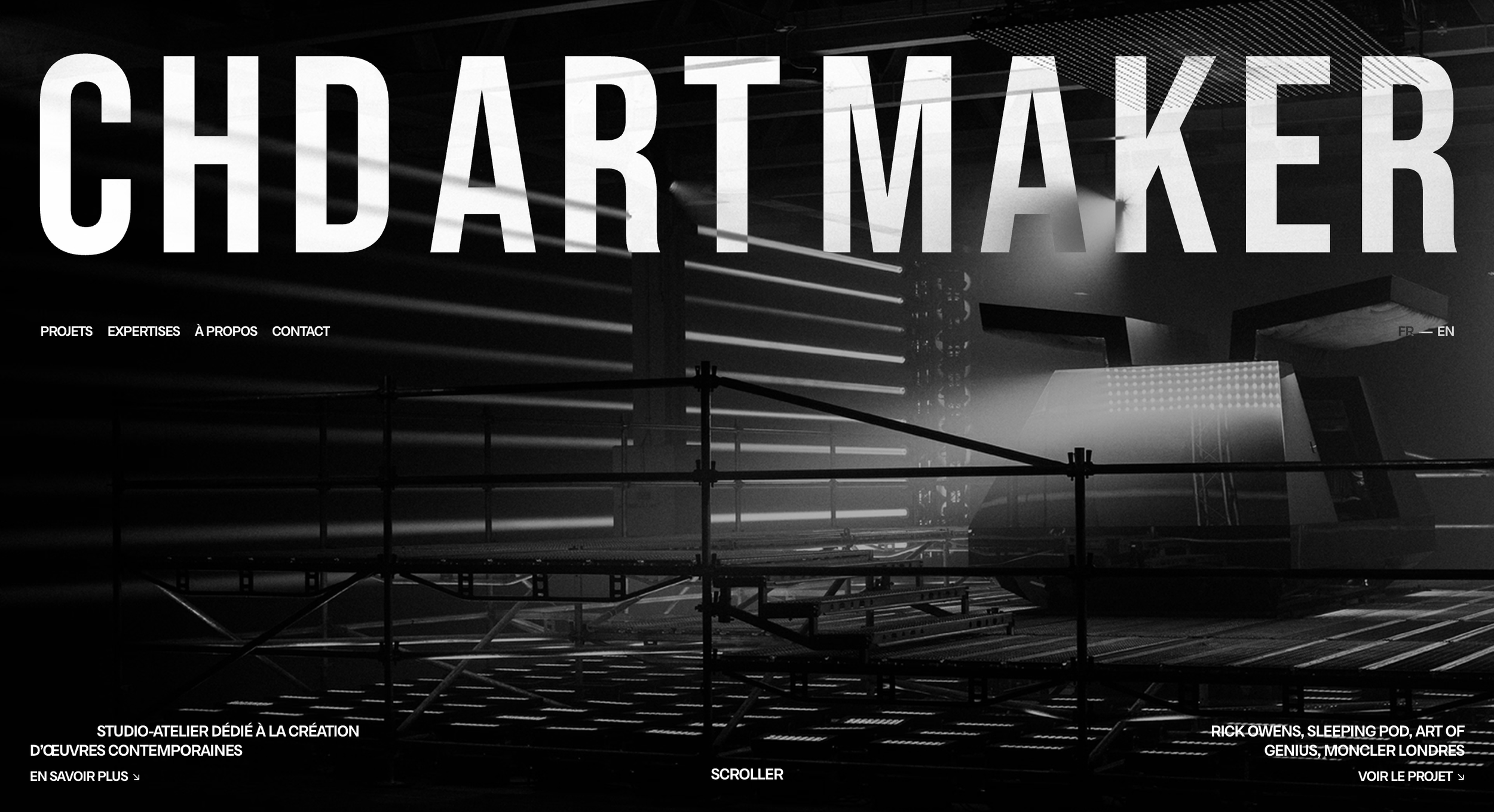
Crafting a narrative-driven homepage
The homepage is the gateway to a converting website. It must immediately communicate brand value, expertise, and positioning while guiding visitors toward meaningful action.
Premium brands use hero sections to present a concise, compelling statement of value paired with visual storytelling that reflects refinement and authority. Strategic hierarchy ensures that key messages are prominent, while secondary information flows logically to support credibility and engagement.
Visual elements such as curated photography, subtle motion, and carefully chosen typography reinforce tone and guide the user journey. The goal is to create a homepage that conveys confidence, sophistication, and clarity, inviting high-ticket clients to explore further without overwhelming them.
Visual hierarchy and conversion flow
A converting website relies on visual hierarchy to guide attention and communicate priorities. Typography, spacing, color contrast, and positioning are all tools to create clarity and reduce cognitive load.
For example, the primary value proposition should be immediately noticeable, followed by differentiators, social proof, and calls-to-action. Subtle directional cues, micro-interactions, and responsive design reinforce engagement without distracting from the overall narrative.
High-ticket clients respond to layouts that feel intentional and curated. The flow of information should mirror decision-making patterns, allowing the visitor to absorb the brand’s expertise and feel confident in taking the next step.
Integrating social proof and authority
Trust is central to conversion, particularly for premium audiences. A converting website incorporates credibility signals such as client testimonials, case studies, awards, and media mentions strategically within the narrative.
Placement and hierarchy matter. Trust signals should appear at key decision points, such as after presenting value propositions or portfolio highlights, reinforcing authority without overwhelming the experience. When designed intentionally, these elements not only validate expertise but also pre-qualify prospects, attracting clients who value quality and strategic insight.
Designing conversion-focused portfolios
For premium brands, the portfolio is more than a visual gallery. It is evidence of expertise and a reflection of taste.
Each project should tell a story: the client challenge, the strategic approach, and the outcome. Visual storytelling, including curated imagery, interface screenshots, and process snapshots, demonstrates both craftsmanship and results. By highlighting the founder’s or agency’s strategic decisions, the portfolio becomes a narrative tool that reassures high-ticket clients of the brand’s capability and refinement.
Strategically sequencing projects guides attention, emphasizes impact, and subtly pre-qualifies clients who are aligned with the brand’s premium positioning. This narrative approach ensures that the portfolio serves conversion goals while reinforcing authority.
Micro-interactions and user engagement
Subtle interactivity is a defining feature of a converting website. Micro-interactions, hover effects, and animated transitions provide feedback, guide attention, and reinforce the perception of quality and refinement.
These elements are particularly effective for high-value clients, who notice and appreciate intentional design. Interactions should feel purposeful, enhancing usability while signaling attention to detail and mastery. This helps maintain engagement, reinforces trust, and encourages action.
Responsive and high-performance design
A converting website must perform flawlessly across devices. High-ticket clients expect seamless experiences on desktop, tablet, and mobile. Responsive design ensures that layouts, visuals, and narrative flow maintain clarity and impact regardless of screen size.
Performance is equally important. Fast loading times, smooth interactions, and optimized media communicate professionalism and authority. A website that functions flawlessly reinforces the perception of a premium brand capable of delivering high-value results.
Case study: Consulting agency
A boutique consulting agency leveraged a strategic redesign to create a converting website. The homepage introduced a clear value proposition with hero visuals and subtle motion. Portfolio projects were structured as narrative-driven case studies, integrating visuals, client quotes, and measurable outcomes. Micro-interactions guided attention, and trust signals were positioned to reinforce credibility at critical points.
The results were significant. High-value inquiries increased, session duration improved, and engagement with key conversion points rose markedly. The website not only showcased the agency’s expertise but also pre-qualified prospective clients, ensuring that consultation requests were aligned with premium positioning.
Balancing aesthetics with strategic intent
High-ticket clients respond to design that feels deliberate, sophisticated, and authoritative. A converting website balances visual appeal with strategic intent, ensuring that every element serves both narrative and conversion objectives.
This includes minimalistic layouts, refined typography, cohesive color palettes, curated imagery, and purposeful interactions. When executed well, the website communicates mastery and trust at every touchpoint, encouraging premium clients to engage and reinforcing the brand’s positioning as a leader in its space.
Conclusion
Designing a converting website for premium clients is a strategic exercise in authority, storytelling, and visual refinement. Every element, from hero sections to portfolios and micro-interactions, communicates intentionality and builds trust.
A converting website guides visitors through a curated narrative that highlights expertise, reinforces credibility, and pre-qualifies high-value prospects. By balancing aesthetic sophistication with strategic flow, brands create immersive experiences that resonate with discerning clients, encouraging meaningful engagement and high-ticket conversions.
For agencies and premium service providers, investing in a converting website is not simply a marketing tactic. It is a pre-qualification tool, a trust-building platform, and a reflection of the brand’s mastery, taste, and authority in the marketplace.
Flexible custom packages.
Three tiers scoped for where you are and where you're going. Not sure which fits? Book a call — we'll go over your project together and make sure you land on the right one.
Launch build
Look credible, fast.
$2,500starting from
A focused, conversion-aware website that gives you confidence sharing your link anywhere.
- Up to 4 structured pages
- 1 focused revision round
- Fully mobile-optimised
- SEO foundations included
- Launch-ready in 3 weeks
- 30 days email support
Best for businesses launching or replacing an outdated site.
Start your projectAuthority build — Most popular
Elevate your brand.
$4,000starting from
A refined, strategically designed website that positions your business as established and credible.
- Everything in Launch, plus:
- Up to 7 pages
- Custom styling & layouts
- 2 revision rounds
- Blog integration
- 5-week build timeline
- Training walkthrough
Best for growing businesses that want their site to reflect their expertise.
Start your projectScale build
No limits. Full depth.
$8,000starting from
A fully bespoke build with advanced functionality, custom code, and no artificial constraints.
- Everything in Authority, plus:
- Unlimited pages
- Unlimited custom code
- Unlimited revisions
- Plugin costs covered
- Priority support
- Complete SEO setup included
Best for established businesses investing in a long-term digital foundation.
Start your project
Mikkel Calmann
I’m Mikkel Calmann, a certified Squarespace designer and Circle Member. We’ve worked with businesses of all sizes, crafting strategic websites that look great and perform even better. If you’d like to discuss a project, feel free to email us at mikkel@typza.com or reach out to us here. You can also book a free 15-minute consultation here.