
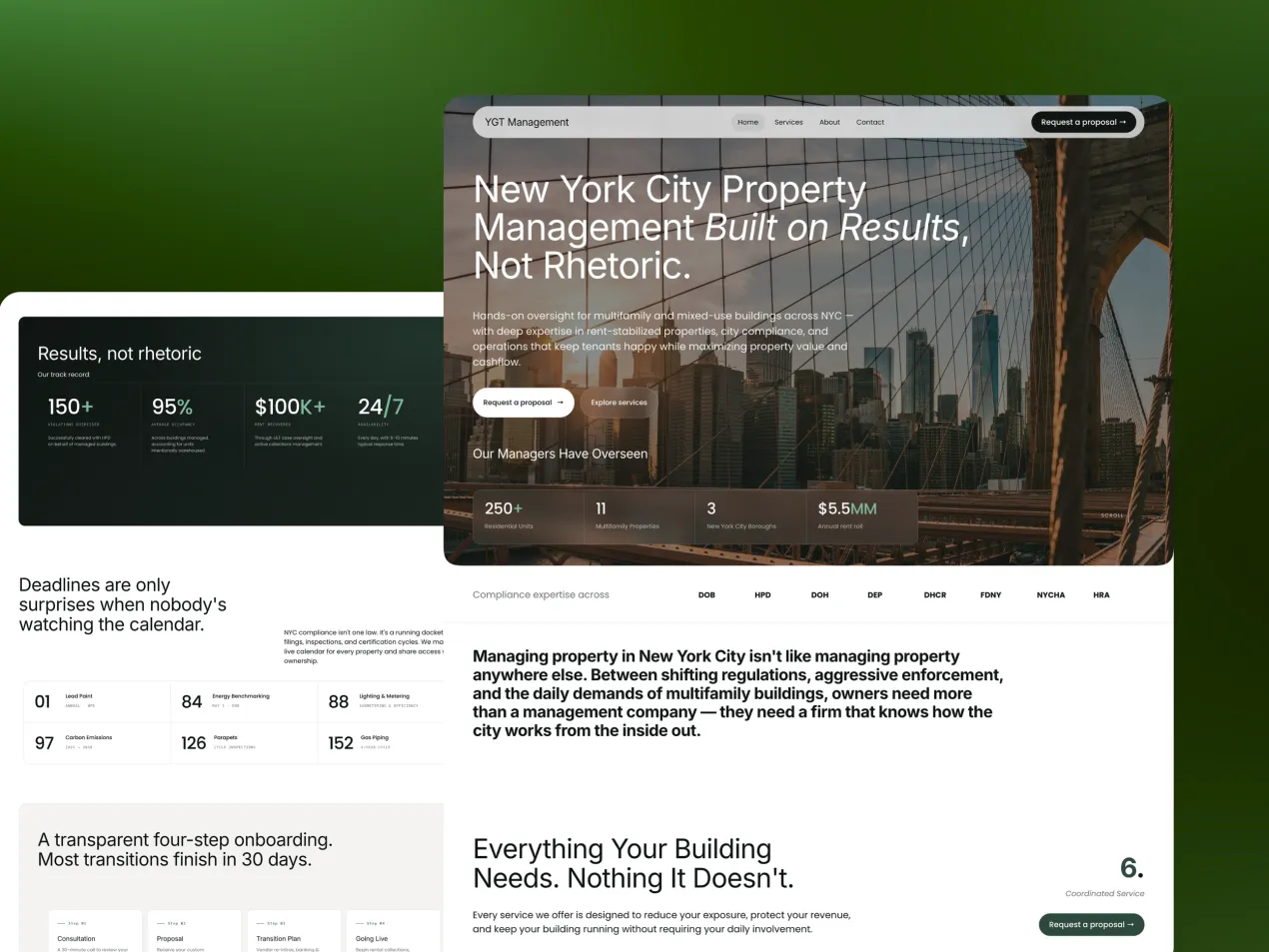
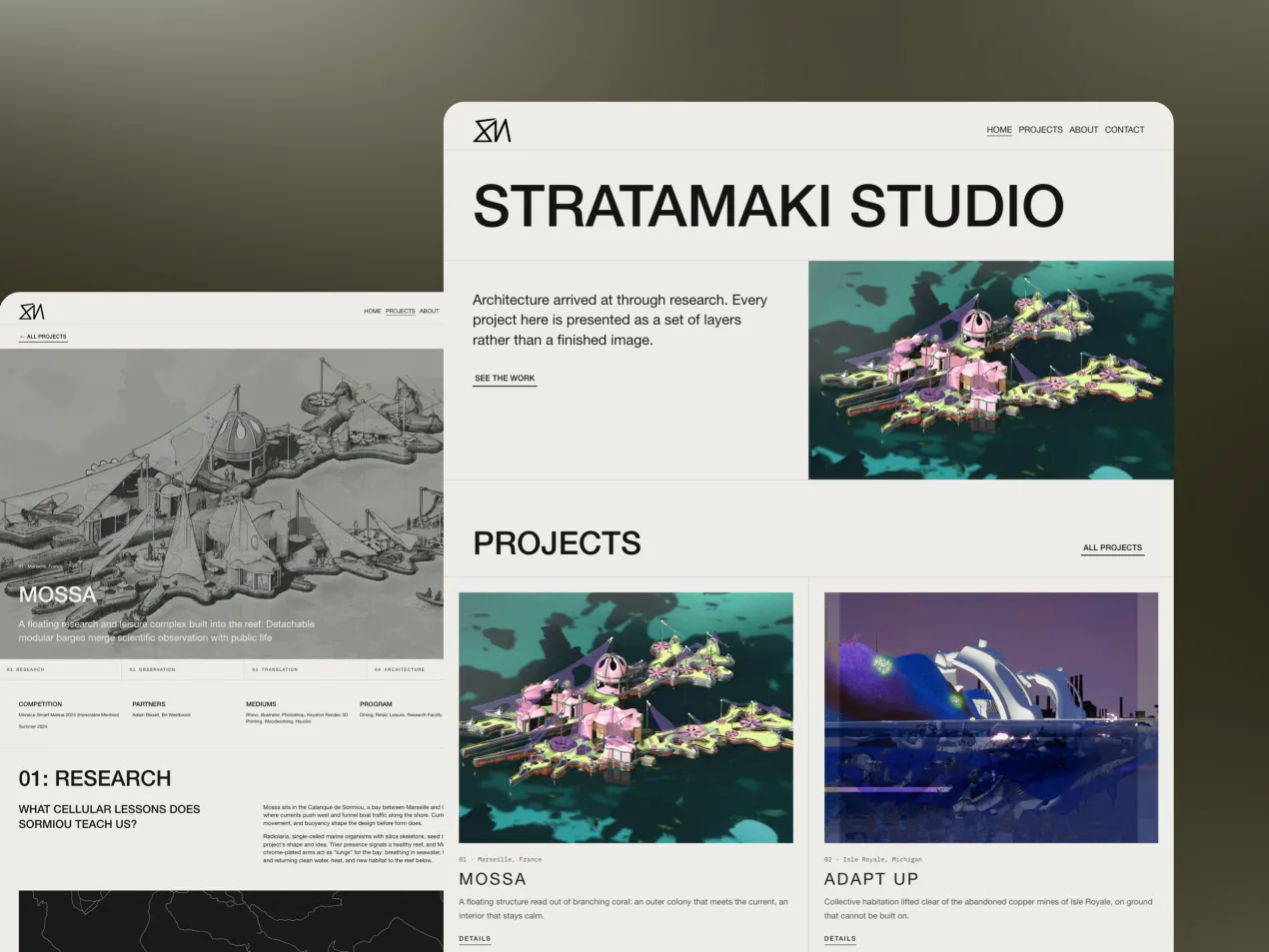
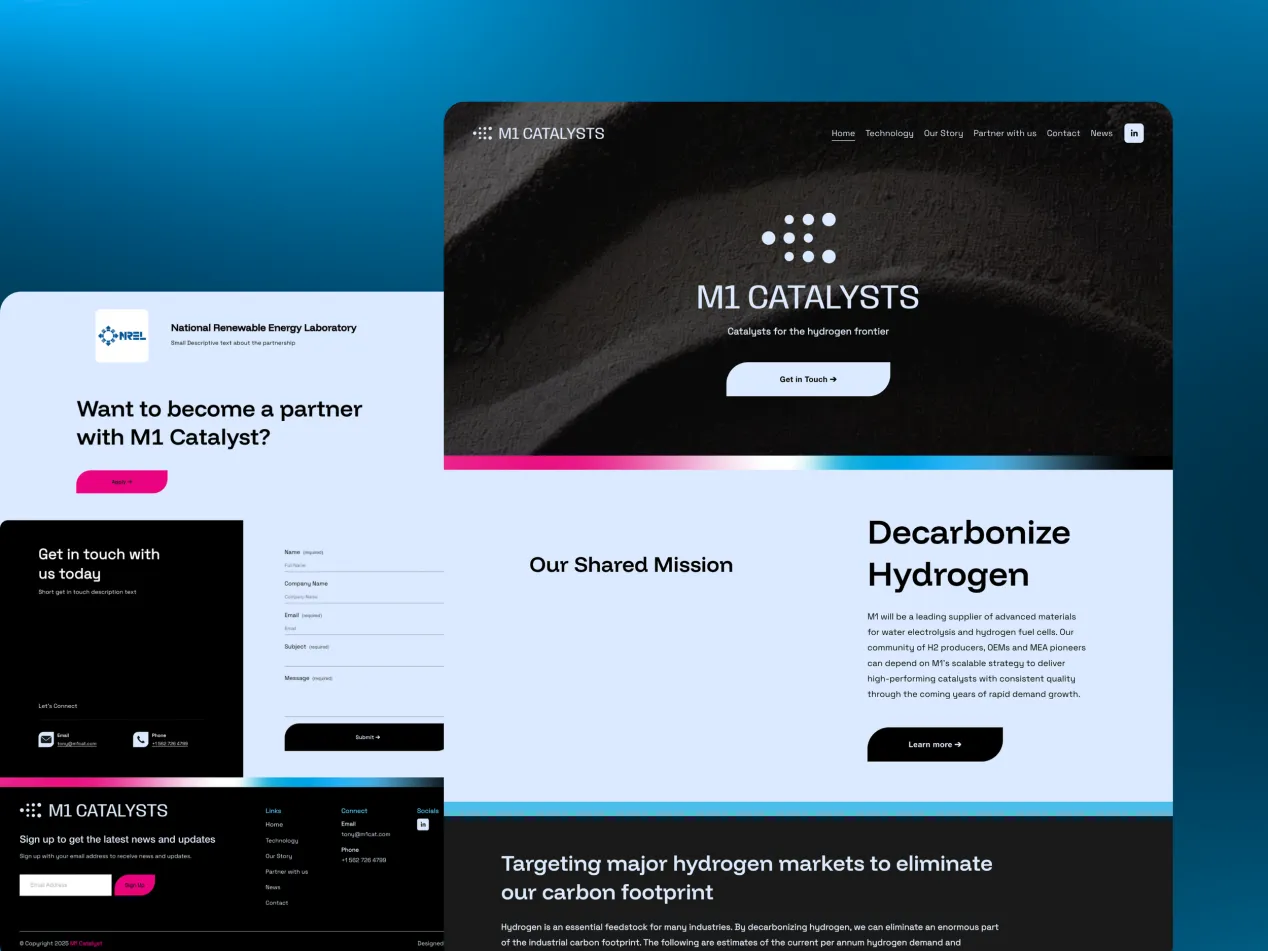




The decision is not about prestige. It's about what your hospital's actual operations require.
1. The real question to ask before comparing options
The question that actually decides this isn't "which looks more professional." It's "does our feature list require development capabilities a template platform can't provide." Electronic health record integration, real-time insurance eligibility checking, and complex multi-location physician scheduling are the features that genuinely require custom development. Everything else can usually be built well on a strong template.
Hospitals that skip this question and jump straight to a preference end up either overpaying for custom features they didn't need, or stuck fighting a template that was never going to handle their real complexity.
2. When a template is clearly the right call
A single-location hospital, or a small group of two to three locations with shared branding and a manageable physician count, is almost always better served by a template platform. Squarespace specifically handles this well, providing a secure, staff-editable content system that covers department pages, physician directories, and appointment requests without the overhead of custom development.
The honest advantage here is speed and cost. A template build gets a hospital live faster and at a meaningfully lower price, freeing budget for the content strategy and SEO work that usually drives more actual patient volume than platform choice does.
3. When custom development earns its higher cost
A hospital group with eight or more locations, shared physician staff rotating across sites, and a need for deep integration with an EHR system or patient portal genuinely needs the flexibility that custom development provides. These are structural needs, not stylistic preferences, and no template platform, however well designed, can cleanly support them without significant workarounds that eventually break.
Custom development also makes sense when a hospital's internal systems team wants full ownership of the codebase, for compliance, security review, or long-term control reasons that go beyond what any hosted platform allows.
4. What you give up by going custom
Custom development costs more, takes longer, and creates ongoing dependency on a developer or development team for changes a template platform would let hospital staff make themselves. What each option actually costs reflects this directly, with custom builds routinely running two to four times the price of an equivalent template-based project.
There's also a maintenance reality most hospitals underestimate. A custom-built site needs ongoing security patching, server management, and developer availability for years after launch, costs that don't disappear once the site goes live.
5. What you give up by staying on a template
A template platform has real ceilings. Deep system integrations, highly specific custom interactive tools, and managing dozens of locations with shared data cleanly are areas where even the best-designed template build will eventually hit a wall. Forcing a complex hospital group onto a platform that wasn't built for that scale usually results in workarounds that look fine at launch and become a maintenance headache within a year or two.
There's also a perception cost worth naming honestly, even if it shouldn't matter as much as it does. Some hospital boards and stakeholders associate custom development with seriousness, regardless of whether the features justify it, and that internal politics sometimes drives the decision more than the actual technical need.
6. How to decide without guessing
Write down your hospital's actual required features before comparing platforms or talking to a developer. List location count, whether EHR integration is truly required or just nice to have, physician count, and the specific booking functionality patients need. Then match that list honestly against what a template platform can deliver versus what genuinely requires custom work.
This is also where how long each approach takes to build becomes a practical factor, not just a cost factor. If your hospital needs to be live within three months for a specific reason, a custom build's longer timeline may rule it out even if it would otherwise be the better technical fit.
Conclusion
Your own feature list should make this decision for you. Today, write down every feature you think needs custom work, then mark each one as a real need or a nice-to-have with your IT, clinical and compliance leads. If only a few real needs remain, a template may do the job. Ask for quotes based on that shorter list.
FAQ
Can a hospital start on a template and move to custom development later?
Yes, that can be a reasonable path. A hospital can launch on a template to test its content and SEO approach, then move to custom development if its needs outgrow the platform. Template platforms have real ceilings: deep system integrations, highly specific interactive tools and managing dozens of locations with shared data. Once you hit one of those, custom development earns its cost.
Does custom development always look more premium than a template?
No. Design quality depends on the skill of the team building the site, not the platform. A poorly designed custom site can look worse than a well-designed template site, and the reverse is just as true. The deciding question is whether your feature list needs development capabilities a template platform can't provide.
What is the biggest mistake hospitals make in this decision?
Choosing on perceived prestige rather than actual feature requirements. That leads to overpaying for custom development you don't need, or being stuck on a template that can't support real operational needs. Custom also brings costs many hospitals underestimate: security patching, server management and developer availability for years after launch. Write down every feature and mark each as a real need or a nice-to-have.
Is a hybrid approach possible, part template and part custom?
Yes, some hospitals run a template-based marketing site alongside a custom-built patient portal or booking system. That is often the most practical approach for moderate complexity. A single location, or a group of two to three with shared branding, is almost always better served by a template platform. A group of eight or more locations with rotating physicians and deep EHR integration needs custom flexibility.
How do we know if our EHR integration need is real or just a nice-to-have?
Ask whether the integration would change patient outcomes or significantly reduce staff workload, or whether it is simply a convenience. A real operational need justifies custom development, while a convenience feature usually doesn't. Make the call with your IT, clinical and compliance leads. If only a few real needs remain, a template platform with targeted additions may be enough.